Why Size Is the First Conversation
Most clients arrive at consultation with a screenshot. They've found a portrait of a wolf, a hummingbird, a Renaissance face. And it looks perfect on their phone screen. What they don't know is that the reference image on a 6-inch display is often twice the size they're proposing to tattoo it at. That gap between expectation and reality is exactly where micro realism projects go wrong.
Size in this style isn't a preference you adjust at the end. It's a technical boundary set by how skin absorbs ink at small scales. The studio addresses it before a single stencil line is drawn. Because fixing a size problem during a session isn't really possible.
What Micro Realism Actually Is (and Why It Has Hard Limits)
The difference between micro realism and minimalism
The studio's micro realism tattoo service works from a simple principle: take a photorealistic subject and compress it into a small footprint without losing shadow, highlight, or texture. That's different from minimalism, which removes detail deliberately. Minimalism simplifies. Micro realism compresses. The goal is still a fully rendered image. Just smaller.
That compression creates hard limits. A minimalist line drawing of a flower at 3 cm works fine. A photorealistic rose with petal gradients and dew drops at 3 cm will not survive healing intact. The subject types share nothing technically in common.
How the needle and skin work together at small scales
When ink is deposited into the dermis, the particles don't stay in a perfect line. They migrate roughly 0.5-1mm outward during the first six to eight weeks of healing. On a large-scale piece, that movement is invisible. On a 2cm portrait face, it erases the gap between the iris and the white of the eye entirely. What read as crisp tonal separation on day one becomes a muddy smear by week eight.
This is the mechanical reason micro realism tattoo minimum size exists. It's not conservatism. It's physics. You can read more about how that process unfolds week by week in our guide on how micro realism heals.
The Real Size Numbers: A Practical Reference Table
These numbers come from working across hundreds of subjects in different skin types and placements. Think of them as floors, not targets. Going slightly larger than the minimum almost always produces a better result. Especially for portraits, where the eyes alone can make or break the piece.
| Subject Type | Minimum Recommended Size | Typical Session Length |
|---|---|---|
| Portrait face (full features) | 6-8 cm longest dimension | 3-4 hours |
| Animal face (fur, eyes, nose) | 5-7 cm | 2-3 hours |
| Flower bloom (single, with texture) | 4-5 cm | 1.5-2 hours |
| Architectural detail | 5-6 cm across | 2-3 hours |
| Full figure (body, proportions) | 8-10 cm tall | 3-5 hours |
| Text integrated into scene | Letter height ≥ 4-5 mm | Varies with scene complexity |
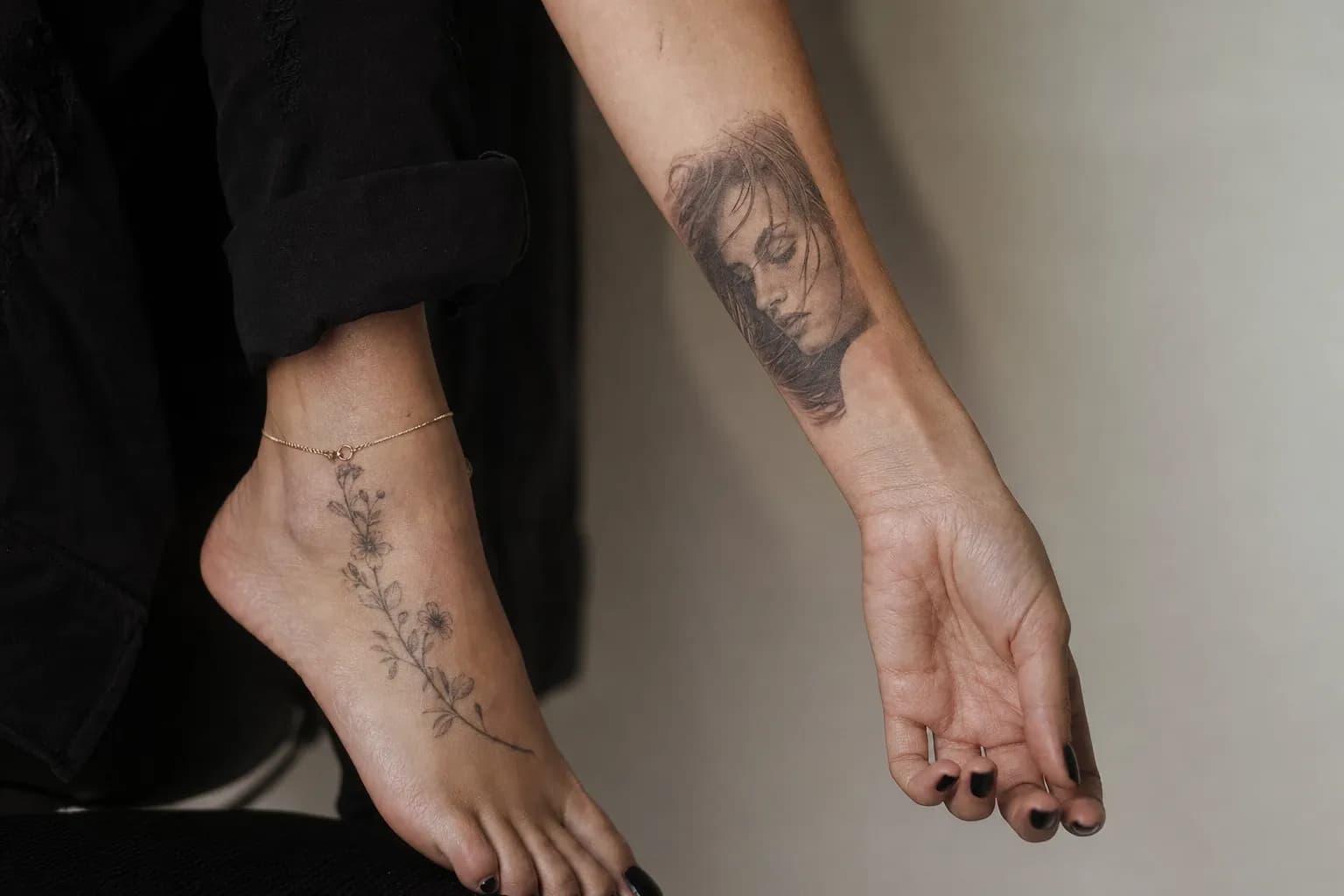
Portraits demand the most real estate because the eyes, nostrils, and lips all need to read as separate tonal areas. Pack them into a 4 cm face and the nose bridge disappears into the shadow of the eye socket after healing. The face becomes a suggestion, not a likeness.
Compressed figurative scenes face a different challenge. When multiple elements share a small canvas, the negative space between them disappears first. The studio's guide on what size is a micro tattoo goes deeper on how to measure your placement correctly before booking.
Placement Changes Everything
Flat stable skin vs. High-movement zones
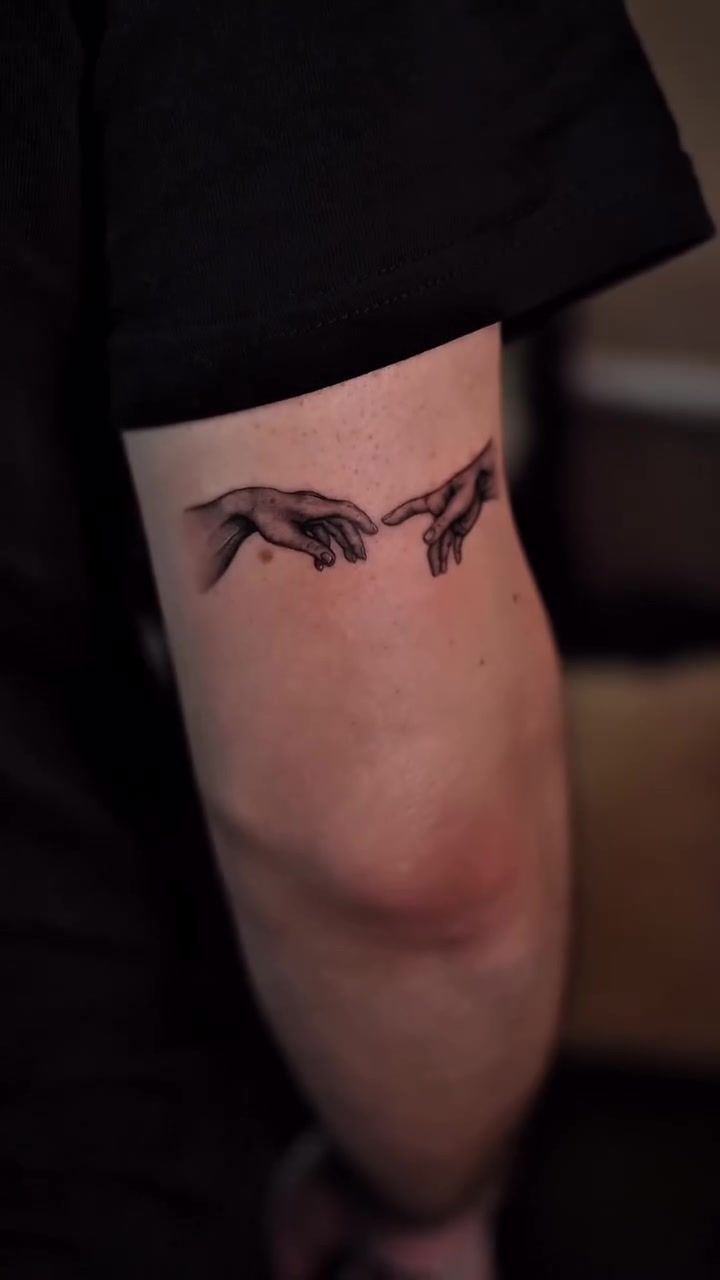
Small micro realism tattoo detail limits aren't just about the needle work. They're also about where the tattoo lives. The inner forearm, outer upper arm, sternum, and back of the calf are relatively flat, slow-stretch zones. They give fine ink deposits the best chance to settle without distortion. These are the placements where the studio is most confident pushing scale downward.
Fingers, the inner wrist, the elbow ditch, and the ribcage are a different matter. The skin there folds, stretches, and rubs constantly. Very fine tonal work in those zones tends to soften faster than on stable skin. It's not impossible to tattoo micro realism there. But the studio recommends going slightly larger than you'd plan elsewhere, to build in a margin for the movement. Our guide to planning your tattoo placement covers this in full detail.
How Lisbon's humidity affects healing at small scales
Micro realism tattoo placement and size are both affected by Lisbon's summer climate in ways that clients from drier cities don't always anticipate. Between June and August, the humidity in the city sits noticeably high. A fresh piece on the inner wrist or the hand will sweat during the first two weeks. Which keeps the skin surface damp and can accelerate ink spread in very fine work.
During summer, the studio often steers clients toward the upper arm or back of the calf for small-scale detailed pieces. Those placements stay drier, stay out of direct sun more easily, and don't rub against clothing the way a wrist or forearm piece does in a Lisbon August. If you're booking in peak summer, it's worth raising placement timing during consultation.
How the Studio Approaches Size at Consultation
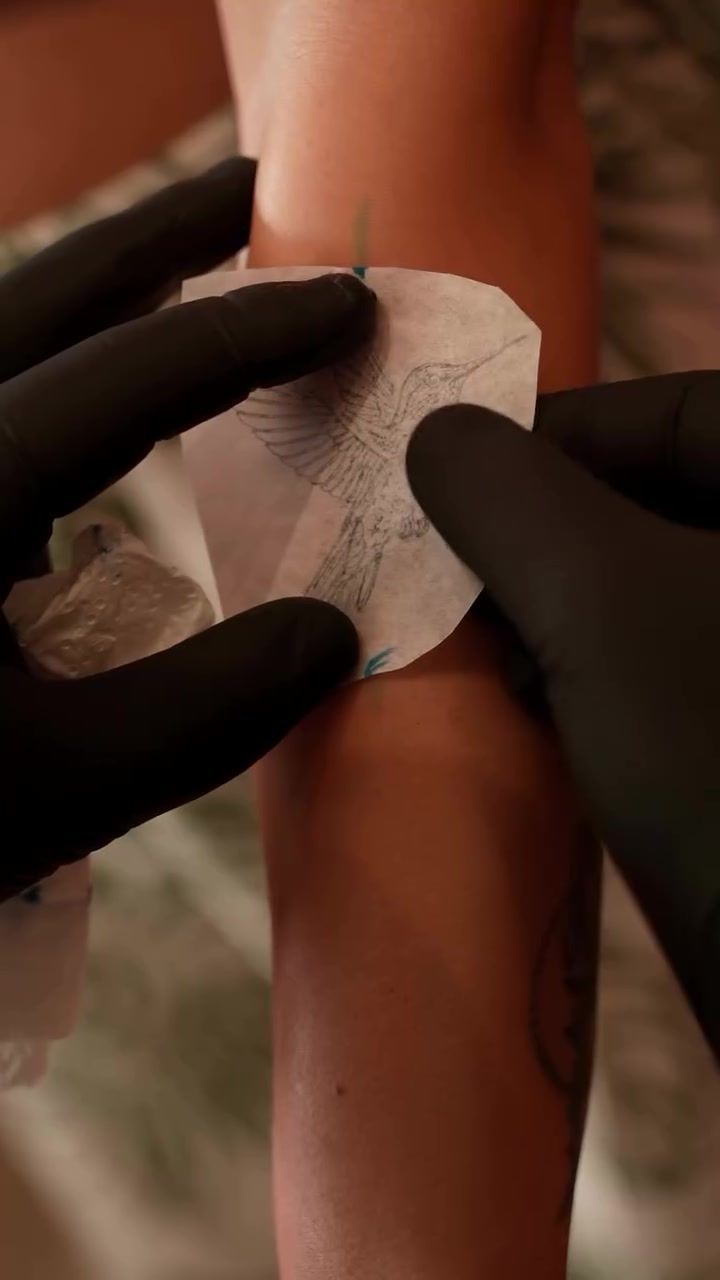
The studio sketches the subject at true size on paper before the consultation ends. Not approximately. At the actual dimensions proposed for your skin. This isn't a formality. It's the most reliable way to check whether the subject fits the placement before the needle touches you.
The most common client mistake is measuring a reference image on their phone screen. A wolf face that looks 7 cm tall on a phone display might be proposed for a 4 cm patch of wrist skin. Those two things are incompatible. The paper sketch closes that gap immediately.
"When a client asks me to go smaller, I don't just shrink the design. I ask which details matter most to them. Because something has to give, and I'd rather they choose what stays than discover later that their favourite part is the part that faded."
When the requested size is genuinely too small for the subject, the studio proposes two paths: scale up to fit the design correctly, or simplify the subject so the remaining detail can breathe at the smaller size. Both are valid. Neither is a compromise. They're just two different tattoos. The studio won't proceed with a size it can't stand behind technically.
Practical Checklist Before You Book
Getting the size right before you arrive saves everyone time and prevents disappointment. Here's what to prepare.
- Bring reference images with their real-world dimensions noted, not just phone screenshots. Print them at true size if possible.
- Measure your chosen placement with a tape measure. Note both the longest and widest dimensions of the available skin area.
- Consider sun exposure on that placement. High-UV placements like the forearm age ink faster. Read about that in full in our article on tattoo sun protection.
- Expect a session of one to three hours for most micro realism pieces in the size ranges above. More complex scenes may need a second session.
- If you're booking June through August, discuss whether your preferred placement is realistic in Lisbon's summer conditions. The upper arm or back of calf are safer bets for fine detail during that window.
- Ask about aftercare for small-scale work specifically. The first two weeks are critical for preserving fine ink deposits.
Lisbon summers push clients toward covered placements for a good reason. A healed piece on the back of the calf, protected from sun and sweat during those two critical healing weeks, will read sharper at the six-month mark than the same tattoo placed on an inner forearm in July.
For a broader look at how skin processes fine ink after you leave the studio, Healthline's tattoo healing guide gives a clear overview of the biological stages involved.
Frequently Asked Questions
What is the minimum size for a micro realism tattoo?
Most subjects need at least 4-5 cm in their longest dimension to hold photorealistic detail after healing. Portraits typically need 6-8 cm for the face alone. Below those thresholds, adjacent tones merge during the healing process and fine details like eyes or fur texture disappear within a few months. This is the micro realism tattoo minimum size the studio applies across all subject types.
Can a portrait be done as a micro realism tattoo?
Yes, but the face needs enough space to separate the eyes, nose, and mouth as distinct tonal areas. A realistic face compressed below roughly 5-6 cm across tends to lose eye definition after healing. The studio assesses every portrait at true size on paper before confirming placement and dimensions at consultation, so there are no surprises on the day.
Does micro realism cost more because of its size constraints?
Pricing reflects technical difficulty and session time, not size alone. A compact piece demanding extreme precision in a two-hour window often costs as much as a larger, simpler tattoo. The studio discusses pricing per consultation once the subject, size, and placement are confirmed. If you're wondering what drives cost more broadly, our article on how much micro realism tattoos cost breaks it down honestly.
How does placement affect how small I can go with micro realism?
Flat, low-movement skin like the upper arm or back of the calf gives ink the best chance of settling cleanly at small scales. This is where micro realism tattoo placement and size interact most directly. High-movement zones such as the inner wrist, fingers, or elbow ditch stretch and fold the skin, which can soften very fine detail faster and limit how small the subject can safely go.
Will a very small micro realism tattoo blur over time?
Any tattoo softens slightly as skin ages, but correctly sized work on appropriate placement holds well for years. The studio builds in tonal contrast that accounts for natural settling. Poor sizing on the wrong placement causes blur. Not the style itself. Our guide on whether micro realism tattoos last covers the longevity factors in full.