Why Sun Exposure Is the Fastest Way to Ruin a Tattoo
What UV light does at the skin level
Tattoo pigment sits in the dermis, roughly 1-2mm below the skin surface. UV radiation penetrates through the epidermis and reaches those pigment molecules. When it does, it breaks them apart at a molecular level, scattering colour into smaller, less visible fragments. Lines blur. Contrast flattens. What was crisp becomes cloudy.
This isn't slow and gentle. A single heavy sun session without protection can visibly dull a fresh tattoo. Over a summer of unprotected exposure, even a well-healed piece loses significant definition.
New tattoos vs healed tattoos: different risks
A new tattoo is essentially an open wound. The epidermis. The skin's outer barrier. Has been broken thousands of times by the needle. UV exposure on that raw tissue doesn't just fade pigment. It inflames the wound, disrupts the healing process and can permanently alter how the colour settles.
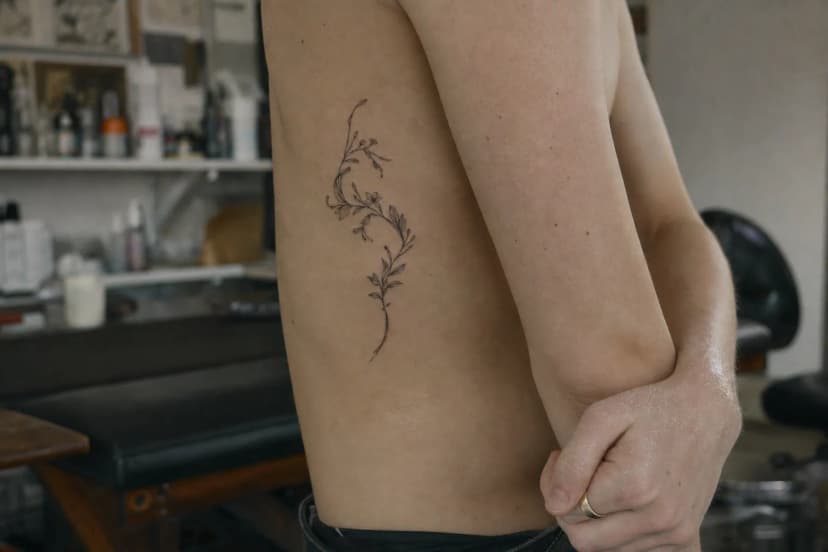
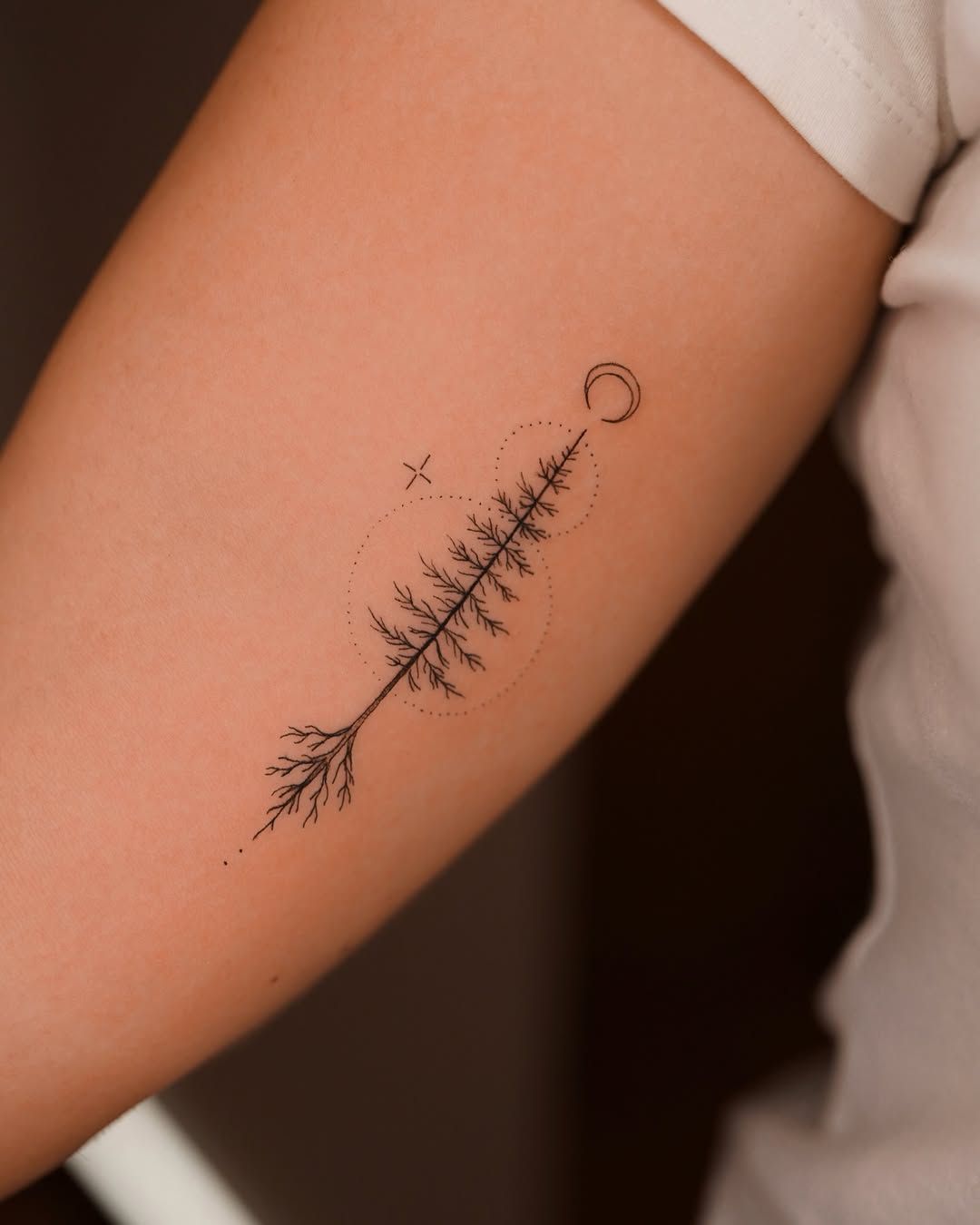
Fineline tattoo work is especially vulnerable here. Single-needle lines are thin by design. There's less pigment packed into each pass, so UV damage shows faster and more dramatically than on bold, heavily saturated styles. The same applies to micro realism tattoos, which rely on subtle tonal gradients. UV washes those gradients out before they've even had a chance to settle properly.
Lisbon's Sun Is Not Gentle. What That Means for Your Healing Ink
UV index in Lisbon across seasons
Lisbon regularly reaches a UV index of 8 to 10 between June and September. That places it among the highest UV zones in continental Europe during summer. Index 8 means unprotected skin can burn in under 20 minutes at midday.
Even a short walk from Cais do Sodré to Príncipe Real in July exposes a fresh tattoo to meaningful UV radiation. A beach day on the Atlantic coast. Cascais, Costa da Caparica. Is a different category of risk entirely. The reflection off sand and water multiplies effective UV exposure considerably.
And winter isn't a free pass. Lisbon's mild winters carry a UV index of 3 to 4, even on overcast days. Cloud cover blocks visible light, not UV. Tattoo sun protection is a year-round habit, not a seasonal one.
Humid summer air and aftercare complications
Lisbon's summer humidity sits around 65-75% in July and August. That warmth encourages sweating, which disrupts both healing wraps and cream application schedules. Sweat mixes with aftercare product, thins it out, and creates conditions where bacteria can settle more easily on broken skin. For anyone following what your skin actually needs after you leave the studio, humidity adds a variable worth planning around.
If you're booked in for a summer session, discuss timing with the studio. A new piece on an exposed area in peak July heat needs more careful management than the same piece done in October.
The Rules for New Tattoos (0-4 Weeks)
Covering vs sunscreen: which comes first
No sunscreen on a new tattoo. This is the clearest rule in tattoo aftercare, and it holds for the first three to four weeks. The skin barrier is broken. Sunscreen ingredients. Even gentle mineral ones. Can irritate raw tissue, trigger reactions, or slow the healing process down.
Clothing is the only safe option for weeks one and two. Loose cotton or UV-protective fabric over the area. Not compression, not tight synthetic fibres. Just a clean, breathable layer between the tattoo and the sky.
What to do when you can't avoid the sun
Sometimes life doesn't cooperate with healing schedules. If you have an outdoor event or a beach trip in week one, the answer is: keep it covered. Entirely. No compromise.
After week three, once all peeling has fully finished and the skin has closed completely, a fragrance-free SPF 50 mineral sunscreen can go on. Not before. If you're unsure whether your skin has fully closed, wait another few days. Patience here protects months of healing.
"The single worst thing a client can do in the first month is let their new tattoo see direct sunlight. Clothing costs nothing. Faded lines cost a touch-up."
For a detailed look at what's actually happening under the skin during those early weeks, the the day-by-day healing process guide breaks it down stage by stage.
Sunscreen for Healed Tattoos: What to Use and How
Mineral vs chemical sunscreen on tattoos
Two main categories exist: mineral and chemical. They work differently, and the distinction matters on tattooed skin.
Mineral sunscreens use zinc oxide or titanium dioxide. These particles rest on top of the skin and physically reflect UV rays before they penetrate. They're generally less irritating and a reliable first choice for tattooed areas, particularly anywhere that stayed sensitive after healing.
Chemical sunscreens absorb UV radiation through a reaction within the skin. Some formulas work well. But certain chemical filter ingredients. Oxybenzone is the most commonly cited. Can cause irritation on skin that carries healed tattoo work. Not everyone reacts. But for clients with sensitive skin or large tattooed areas, mineral tends to be the safer default.
SPF rating and reapplication schedule
SPF 50 is the minimum for tattooed skin in a high-UV environment like Lisbon. SPF 30 is marketed as broadly protective, but in UV index 9 conditions, the difference matters. SPF 50 filters approximately 98% of UVB rays. SPF 30 filters around 97%. That gap compounds over a summer.
Reapply every 90 minutes outdoors. Not when you feel like it. Set a timer if needed. Sweating and towel-drying both remove sunscreen faster than UV alone does, so factor that into your schedule at the beach.
What to avoid
- Spray sunscreens. They miss patches and give false confidence. Use lotion or a stick for even, verifiable coverage.
- Alcohol-heavy formulas. They dry out the outer layers of skin over time, dulling the tattoo's surface appearance gradually.
- Fragranced products on recently healed work. Fragrance is one of the most common irritants on post-tattoo skin.
- Sunbeds. UV booths emit concentrated UVA radiation. They accelerate pigment breakdown faster than natural sun and offer zero tan value for a healed tattoo's longevity.
| Sunscreen type | Active ingredient example | How it works | Best for tattooed skin? |
|---|---|---|---|
| Mineral SPF 50 | Zinc oxide, titanium dioxide | Reflects UV off the skin | Yes. First choice |
| Chemical SPF 50 | Oxybenzone, avobenzone | Absorbs UV via chemical reaction | Sometimes. Check ingredients |
| Chemical SPF 30 | Octinoxate, homosalate | Absorbs UV via chemical reaction | Borderline. Upgrade if possible |
| Spray SPF (any) | Varies | Any mechanism. Applied by spray | No. Uneven coverage risk |
How the Studio Approaches Sun-Sensitive Tattoo Styles
Fineline and micro realism: the highest-stakes styles
Thin lines age differently than thick ones. A bold 3mm line has more pigment per millimetre of length, so some UV-driven breakdown still leaves visible ink behind. A single-needle fineline pass at 0.3mm has almost no margin. Lose a fraction of that pigment, and the line disappears.
For micro realism, the risk is different but equally serious. These pieces build photographic depth through gradients. Areas of lighter and darker pigment sitting millimetres apart. UV doesn't fade them evenly. Highlights and lighter tones go first, collapsing the contrast that makes the image read as three-dimensional. Within one or two unprotected summers, a micro realism piece can look flat and washed rather than sharp and photographic.
Geometric and floral: where line integrity matters
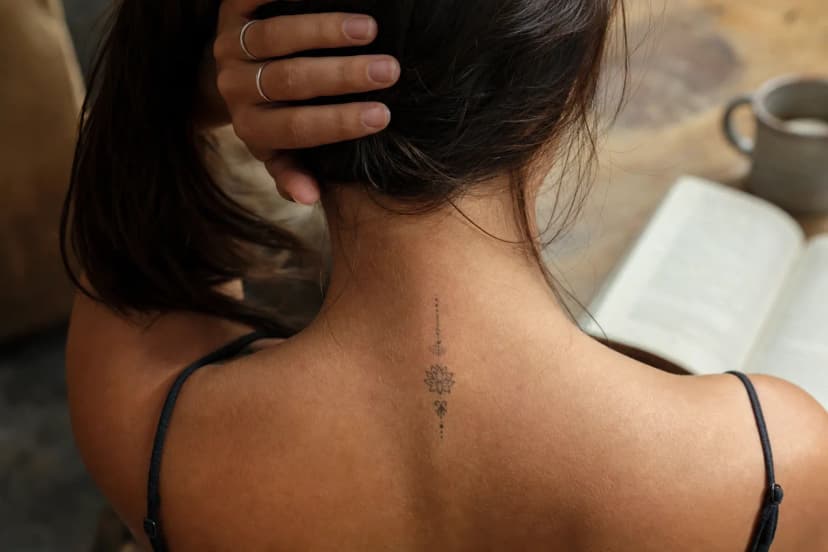
Geometric tattoos depend on symmetry. A mandala works because every arm mirrors every other arm. If fading hits one section unevenly. Which sun exposure often does, based on how a limb is angled during daily activity. The symmetry breaks. You'll see it. The studio covers placement and lifestyle habits at every consultation precisely to flag this kind of risk early.
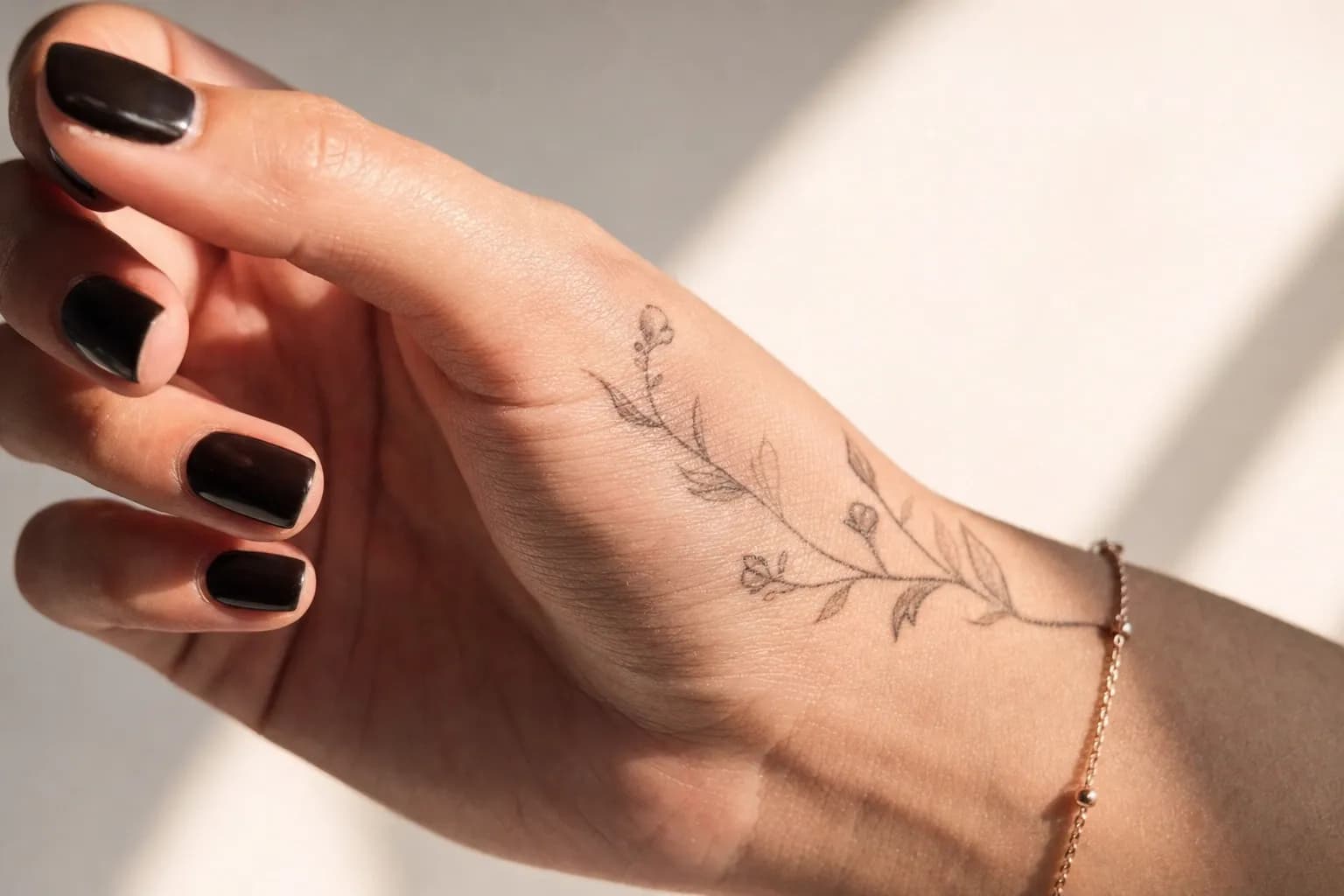
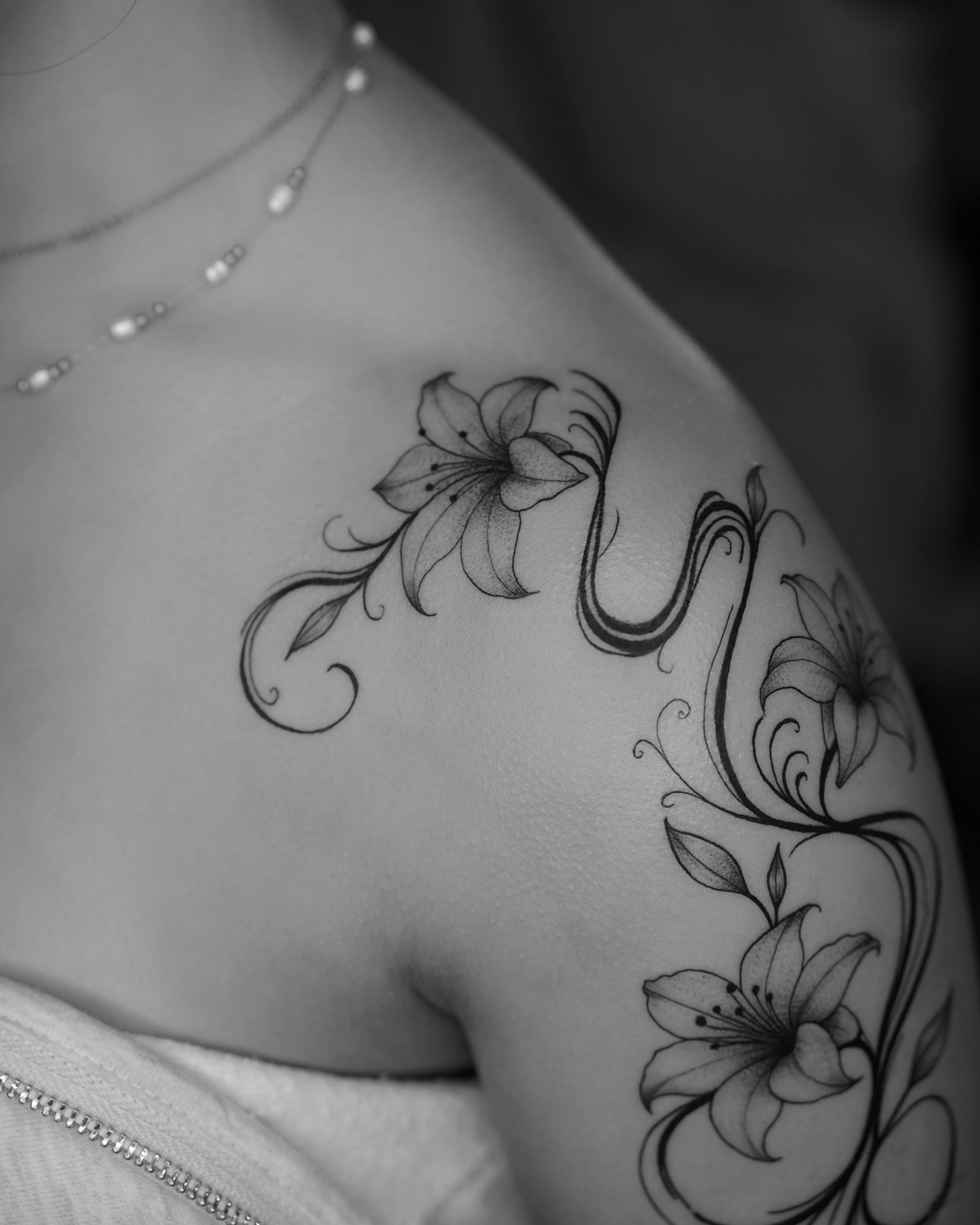
Floral designs face a similar issue. Petals and botanical detail built from fine lines lose their definition along the edges first. The overall silhouette survives, but the texture that makes the piece feel alive goes quickly without consistent tattoo aftercare sun exposure habits in place.
Practical Sun Protection Habits Worth Building
Protection is only useful if it's consistent. A tube of SPF 50 left at home achieves nothing on a July afternoon in Alfama.
- Morning routine: Apply SPF 50 to all tattooed areas before leaving the house, every day from April to October. Not just beach days.
- Carry a stick SPF: Compact, no-mess, fits in a bag. Reapply to exposed tattooed skin every 90 minutes when you're outside.
- Swimming in the Tejo or the Atlantic coast: Use a water-resistant mineral formula, and reapply immediately after towel-drying. Seawater strips sunscreen efficiently.
- Long-sleeve UV shirts: If you have arm or sleeve work that you want to age well, a lightweight UV-rated long-sleeve is worth the investment. UPF 50+ fabric blocks UV more reliably than any cream applied to moving, sweating skin.
- Avoid sunbeds entirely: Concentrated UVA in a tanning booth accelerates pigment breakdown faster than natural sun. There's no protective benefit and the fading cost is real.
- Moisturise daily: Hydrated skin holds ink better over time. Dry skin looks dull, and dullness exaggerates any fading that has already occurred.
These habits matter most in the first two years after getting tattooed. That's when pigment is most exposed to environmental damage before the skin has fully settled around it. After that, consistent SPF still slows fading. It just becomes less urgent day by day.
Frequently Asked Questions
Can I put sunscreen on a new tattoo?
Not until the skin has fully closed and all peeling has finished, which typically takes three to four weeks. Before that, the skin barrier is broken and sunscreen ingredients can cause irritation or slow healing. Use loose clothing to cover a fresh tattoo instead, and wait for full surface closure before applying any SPF product.
What SPF should I use on a healed tattoo?
SPF 50 is the minimum worth using on tattooed skin, especially in a high-UV city like Lisbon. A fragrance-free mineral formula based on zinc oxide is a reliable choice. It reflects UV without absorbing into the skin and is unlikely to cause irritation on sensitive tattooed areas.
Will sun exposure ruin my fineline tattoo?
Repeated unprotected sun exposure will significantly degrade a fineline tattoo over time. Single-needle lines are thinner than those in bolder styles, so they have less tolerance for UV-driven pigment breakdown. Lines can blur and lose crispness within one or two seasons of unprotected summer sun, particularly on placements that face the sky directly.
How soon after getting a tattoo can I go to the beach?
Most artists recommend waiting a minimum of four weeks before direct beach exposure, and some advise six weeks for detailed or delicate work. Sand is abrasive, seawater is saline and full of bacteria, and strong sun hits directly. If a beach trip is unavoidable, keep the tattoo fully covered with clothing and out of the water entirely.
Does sunscreen stop tattoo fading completely?
Sunscreen significantly slows fading but does not stop it entirely. All tattoos lighten gradually as pigment molecules break down in the dermis over years. Consistent SPF 50 use, avoiding peak UV hours, and keeping tattooed skin moisturised will extend your tattoo's detail and contrast considerably compared to no protection at all.