Why Healing Deserves as Much Attention as the Design
You spend weeks choosing a design and finding the right artist. Then you walk out with fresh ink and no plan. That gap is where good tattoos go wrong. The tattooing process punctures the dermis, the second layer of skin, thousands of times per minute to deposit pigment. That is, by definition, a controlled wound. How you manage it from that point forward shapes everything.
For fineline tattooing especially, healing isn't a passive process. A hairline that heals cleanly stays crisp for years. The same line, sun-damaged or picked apart, spreads and blurs within months. Good aftercare isn't optional. It's part of the work.
Lisbon adds a specific wrinkle. The city's summers are humid and bright, with Atlantic UV levels that peak early. A tattoo placed in June sits in intense sun from the moment you step outside the studio. That matters for what you wear, how you apply protection, and how quickly surface drying happens.
The Three Layers of Skin and Why They Matter
Skin has three layers: the epidermis on top, the dermis beneath it, and the hypodermis at the base. Ink lives in the dermis. That's intentional. The epidermis regenerates and sheds constantly, so pigment placed there would simply flake away. The dermis is stable enough to hold colour for a lifetime.
Because the epidermis must regrow over the tattooed area, peeling is not a problem. It's the process working correctly. The surface cells that were disrupted during the session shed over days one through fourteen, revealing the ink-laden dermis below.
Style affects how much trauma reaches the dermis. Micro realism work packs dense pigment into a small area, requiring more needle passes and a slightly longer inflammation response. Fineline sits comparatively shallow, meaning less surface disruption but also less margin for error during healing.
Week-by-Week Healing Timeline
| Stage | What You'll See | What To Do |
|---|---|---|
| Days 1-3 | Redness, swelling, plasma weeping, tenderness | Keep wrapped or under second-skin; gently clean 2-3× daily |
| Days 4-7 | Surface drying, tightening, early itch | Moisturise thinly; resist all scratching |
| Week 2 | Visible peeling, flaking, possible colour in shed skin | Do not pick; keep moisturised and out of sun |
| Weeks 3-4 | Closed surface, milky or cloudy sheen over ink | Continue aftercare; avoid pools and ocean |
| Weeks 6-12 | Ink clarifies, lines sharpen, contrast returns | Apply SPF outdoors; book touch-up check if needed |
Days 1-3: Inflammation and Weeping
Your body treats a fresh tattoo the way it treats any wound: immediate inflammation. Redness, mild swelling, and a clear-to-yellowish fluid (plasma) weeping from the surface are all expected. This is not infection. It's your immune system doing its job.
Keep the area clean. Gently wash with lukewarm water and a fragrance-free soap two to three times a day, then pat dry with a clean paper towel. Cloth towels harbour bacteria. Don't rub. Pat.
Days 4-7: Surface Drying and Itching Begins
By day four, the surface starts to tighten. The plasma has dried, a thin layer of skin is reforming, and the itch arrives. Scratching at this point drags bacteria across an area that still isn't fully closed and risks lifting fresh skin prematurely.
Lisbon's summer humidity can slow the surface-drying phase compared to drier climates. If you're healing in July or August, you may notice the area stays slightly moist for longer. That's not alarming, but it does mean vigilance about cleanliness matters more, not less.
Week 2: Peeling and Milky Sheen
This is the stage that worries people most. Skin peels, sometimes in visible flakes tinted with the tattoo's colour. It looks like the ink is leaving. It isn't. The pigment in those flakes is surface pigment only. The ink deposited in the dermis stays exactly where it was placed.
"When a client messages saying their ink is coming out in the shower, the answer is almost always the same: that's plasma and surface pigment shedding. The dermis ink doesn't move. Let it peel on its own schedule."
Keep applying a thin layer of unscented moisturiser. Keep it out of direct sun. Let the peeling happen without interference.
Weeks 3-4: Skin Closes but Ink Looks Dull
Around week three, the surface looks healed. It's smooth, the peeling has stopped, and you can almost see the finished piece. But a newly regenerated layer of epidermis sits over the ink, giving it a cloudy or muted appearance. This is normal. It's sometimes called the "milky sheen" phase.
Subdermal healing continues well past this point. The tissue beneath is still knitting back together. This is why contact sport, pool swimming, and beach trips should stay off the calendar until at least week four, preferably longer.
Weeks 6-12: Full Surface Healing and Ink Settling
Around the six to eight week mark, that milky layer integrates fully and the ink comes into its own. Lines clarify. Contrast sharpens. Colours read true. This is why the studio schedules touch-up assessments at eight to ten weeks post-session, not earlier. Assessing a piece before that window gives an incomplete picture of how it healed.
Some pieces, particularly dense realism or packed geometric work, continue subtly settling up to twelve weeks out. Patience here is genuinely rewarded.
Daily Aftercare: What the Studio Recommends
Washing
Use a fragrance-free, gentle soap. Lather softly with clean hands, rinse with lukewarm water, and pat the area dry with a fresh paper towel. Do this two to three times daily for the first two weeks. Overwashing strips moisture and slows surface recovery. Underwashing lets bacteria accumulate.
Moisturising
Apply a thin layer of unscented moisturiser after each wash. Thin is the word that matters here. Heavy balms and thick petroleum-based products can clog pores and trap heat against skin that needs airflow. A light, breathable lotion applied consistently outperforms a thick balm applied occasionally.
For product-specific guidance suited to Lisbon's climate, see our guide to aftercare products for healing in Lisbon.
Bandaging and Wraps
Second-skin film (a breathable, transparent medical dressing) has largely replaced traditional cling wrap in professional studios. The studio applies it directly after the session. It protects against contamination, reduces friction from clothing, and lets you see the tattoo while it weeps. Most second-skin applications stay on for 24 to 72 hours, then come off gently in warm water.
After removal, standard aftercare begins. Some clients use a second piece of film for another day or two on areas prone to rubbing, such as the inner arm or waistband zone. The studio will advise based on placement.
Sun and Water Exposure
No direct sun on a fresh tattoo for at least four weeks. Lisbon's Atlantic sun is strong even in spring, and UV breaks down fresh pigment faster than almost anything else. This matters most for fineline and minimalist work, where thin lines have no margin to spare.
No swimming pools, no ocean, no Lisbon's public pools until the surface is fully closed. Saltwater and chlorinated water both introduce substances to tissue that isn't ready for them. A trip to Cascais or Costa da Caparica can wait four weeks. Your tattoo will still be there when you get back.
What Is Normal and What Is Not
The tattoo healing process involves some discomfort and visible changes that are easy to misread. Here's a plain breakdown.
- Normal: Redness fading by day three; mild swelling in the first 48 hours; itching from day four onward; light peeling in week two; a milky sheen over the ink in weeks three and four; slight patchiness that resolves by week eight.
- Worth watching: Redness that spreads beyond the tattoo border after day four; skin that feels hot to the touch beyond the first 48 hours; fever; pus rather than clear plasma; pain that increases rather than decreases after day two.
- Common myth: "My ink is washing away." The visible colour in shower water during week one is plasma mixed with surface pigment from the disrupted epidermis. Dermis ink doesn't wash out. If you're uncertain about any symptom, contact the studio.
Ink fallout in fineline work is also a topic worth addressing directly. Very fine lines sometimes lose a small amount of pigment during healing, particularly in areas with frequent movement or friction. This is expected. The studio's eight to ten week check-up exists specifically to assess this and schedule a touch-up if needed. It's not a failure of the artist or the client. It's the skin doing what skin does. For more on what fineline tattoos demand from the healing process, the studio has written a dedicated guide.
For general healing information from a medical perspective, Healthline's tattoo healing guide covers the wound-care basics clearly.
How Style Affects Healing
Not every tattoo heals on the same schedule. Style plays a real role.
Fineline and minimalist pieces involve lighter needle trauma and generally close at the surface faster. But those thin lines are unforgiving. If a healed fineline piece gets direct sun in the first month, the degraded pigment shows immediately and permanently. Careful healing isn't optional for this style. It's structurally necessary.
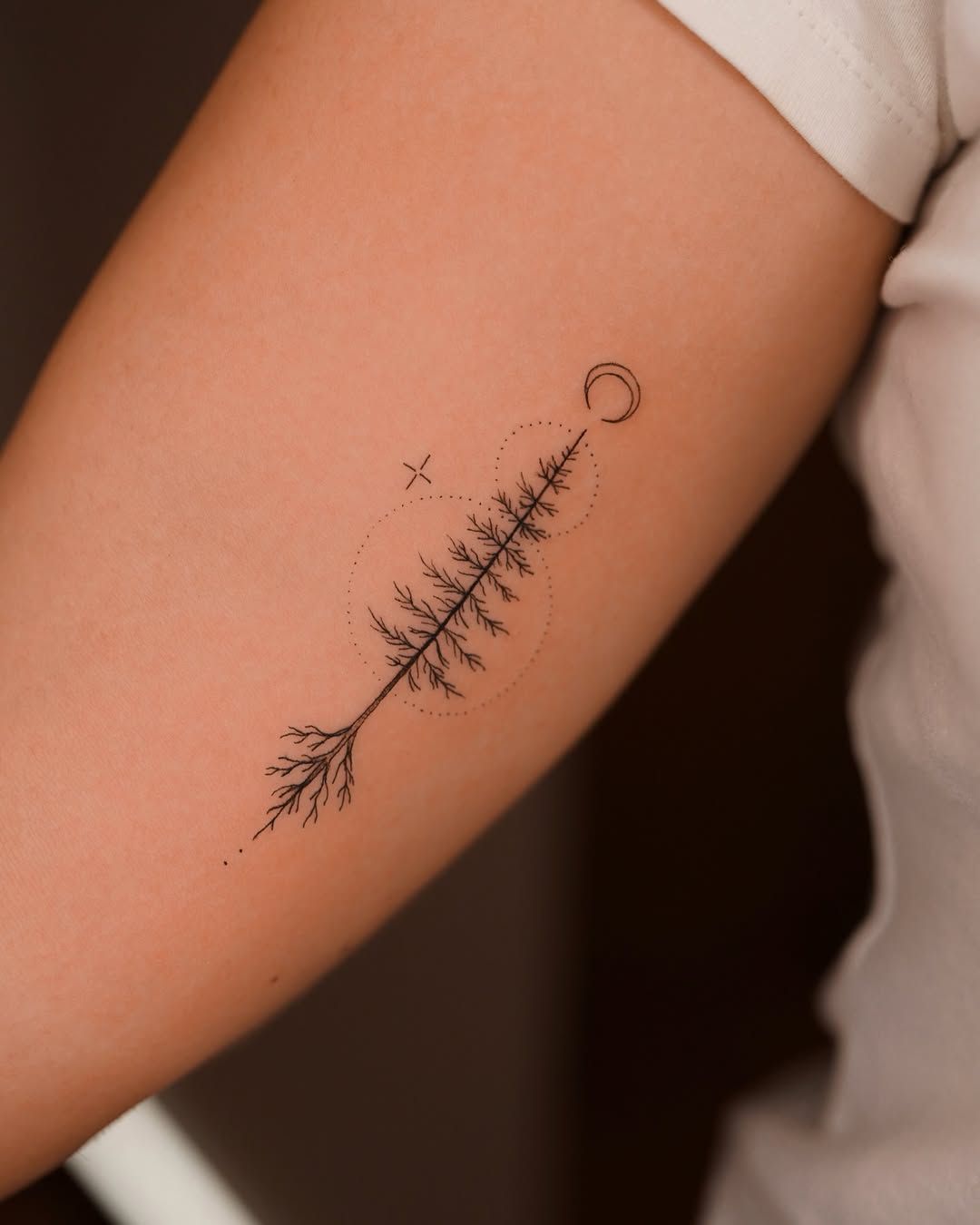
Realism and micro realism involve denser pigment packing and more needle passes over the same area. The inflammation phase runs slightly longer. Swelling and redness at day two may look more pronounced than with a minimalist piece. That's expected. The payoff is depth and tonal range that lighter styles can't match.
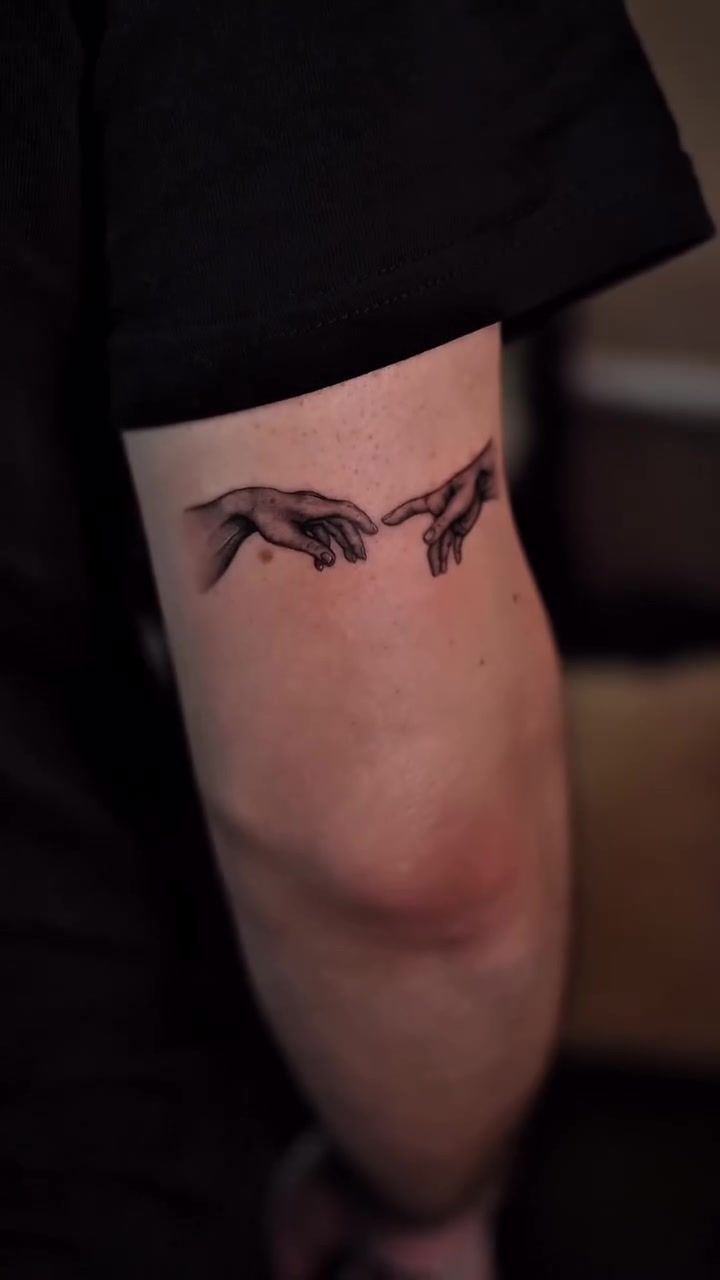
Geometric and lettering work live and die by crisp edges. If any part of a mandala or a serif letterform scabs from picking or friction, the line underneath can lift unevenly. A 1mm gap in a perfect circle reads immediately. Clean healing for these styles means strict hands-off discipline through the peeling phase.
Practical Checklist Before You Leave the Studio
Have these ready at home before your appointment. Don't leave the studio and then spend an hour searching for aftercare supplies while your fresh tattoo sits under a borrowed bandage.
- Fragrance-free, gentle liquid soap (no bar soap with additives)
- Unscented, lightweight moisturiser (no petroleum jelly, no thick balms)
- Clean paper towels for patting dry (cloth towels introduce bacteria)
- Loose, breathable clothing that won't press against the tattooed area
- A plan to skip the gym for at least 48 hours (sweat and friction on fresh work causes irritation)
- SPF 50 sunscreen for once the surface has closed (four weeks minimum before sun exposure)
- A diary note at eight to ten weeks for your touch-up assessment
The eight to ten week window is when the studio evaluates how the piece settled. Ink fallout, uneven lines, or any areas that need refreshing are assessed then, not at week two when the skin is still actively healing. Come back in with photos if you're uncertain about anything in between.
Frequently Asked Questions
How long does a tattoo take to fully heal?
Surface skin closes within three to four weeks for most people. But the dermis, where the ink actually lives, continues settling for six to twelve weeks. Lines and contrast often clarify noticeably around the eight-week mark. Until then, treat the area gently, apply SPF outdoors, and hold off on the touch-up assessment until that window arrives.
Is it normal for a tattoo to peel in the second week?
Yes, completely normal. The epidermis regenerates after tattooing and sheds the disrupted surface cells. This looks like dry, flaking skin, sometimes tinted with the tattoo's colour. Don't pick it. The ink is safely held in the dermis below and won't come away with the flakes. Let it shed on its own schedule.
Can I go to the beach after getting a tattoo in Lisbon?
Not for at least three to four weeks. Saltwater and sand introduce bacteria to an area that isn't fully closed, and Lisbon's Atlantic sun will break down fresh pigment fast. Once the surface has closed, apply a high-SPF sunscreen every time you're outdoors. Fineline work is especially vulnerable to UV fading, so err on the longer side before heading to the coast.
Why does my healed tattoo look faded or dull after a few weeks?
Around weeks two to four, a newly regenerated layer of epidermis sits over the ink, giving it a milky or cloudy appearance. This is not fading. Once that layer integrates fully, typically by week six to eight, the tattoo sharpens and contrast returns. If it still looks patchy at ten weeks, a touch-up consultation is the right next step.
What aftercare products work best for healing in Lisbon's climate?
A fragrance-free gentle soap for washing and a thin, unscented moisturiser for hydration cover the basics. Avoid thick petroleum-based balms that slow airflow to the surface. Lisbon's summer humidity means the area can stay moist longer, so lightweight products suit the climate better than heavy ones. See the studio's dedicated aftercare guide for specific product notes.