Why Aftercare Products Actually Matter
The first two weeks after a tattoo session are when the most damage can happen. Not from the needle. That part's done. From what you do (or don't do) once you walk out the door.
Consider a fineline tattoo with single-needle lines around 0.3mm wide. Those lines sit closer to the skin's surface than bold traditional work. If the skin over-dries and cracks, or if you smother it in too much product and trap bacteria, those hairlines can blur permanently. You won't see it happen in real time. You'll just notice at week six that something looks slightly soft, and there's no fixing it.
Products are one variable. Technique, placement, and your skin type matter too. But the right cream, applied correctly, gives healed work its best chance of matching what left the needle.
One product that keeps coming up in consultations at this studio: Inktrox tattoo aftercare cream. Clients walk in already owning it. Some have used it well; some have used it in ways that slowed their healing. This guide covers both.
What Is Inktrox Aftercare Cream?
Inktrox is a European-formulated cream designed specifically for tattooed skin. It's widely stocked in pharmacies and tattoo supply shops across Lisbon, which is part of why it's become one of the default choices for tattoo aftercare in Portugal.
It's worth being precise about what it is and what it isn't before you start applying it.
Key Ingredients and What They Do
The formulation centres on three main actives. Panthenol (vitamin B5) converts to pantothenic acid on the skin and helps the tissue regenerate. Think of it as a cellular repair signal. Bisabolol, derived from chamomile, has anti-inflammatory properties that reduce the redness and irritation common in days one through three. Glycerin is a humectant, meaning it pulls moisture from the air into the skin rather than just sitting on top of it.
Together, these three ingredients keep healing skin pliable, reduce irritation, and support the repair process without aggressive chemistry. That's what makes Inktrox suitable as a best tattoo healing cream option across a range of styles.
What the Product Is NOT
Inktrox is a cosmetic moisturiser optimised for tattooed skin. It is not a medical wound treatment. It won't prevent infection if you skip proper washing. It contains no SPF, so sun exposure is a separate problem requiring a separate product. And it's not a substitute for the wrap your studio applies immediately after the session.
How to Use It: A Day-by-Day Healing Routine
A good tattoo aftercare routine follows a rhythm. The instructions below assume a standard healing wrap situation, but always confirm with your studio. Different wrap types change the first-day protocol meaningfully.
Days 1-3: The Critical Window
Right after your session, the studio wraps the tattoo in either a breathable adhesive film (like Dermalize or similar) or a traditional bandage. Do not apply cream over the wrap. Leave it alone.
Once the wrap comes off. Typically after a few hours for bandage, or one to three days for breathable film. Wash the area gently with unscented soap and lukewarm water. Pat dry with a clean cloth. Then apply a thin layer of Inktrox, two to three times per day.
Thin is the operative word. If the skin looks shiny after application, you've used too much. Wipe a little off.
Days 4-14: The Peeling Phase
Around day four, the surface skin begins to peel. This is normal. The flakes contain no ink. The pigment has already migrated into the dermis (the deeper skin layer beneath the surface). Do not pick. Let the skin shed at its own pace.
Continue applying a thin layer of Inktrox to keep the peeling skin pliable. Dry, taut skin peeling too fast can lift ink unevenly, especially over geometric or fineline work where precision matters.
Lisbon summers add a variable worth noting. The city is humid, particularly near the river and in lower neighbourhoods like Cais do Sodré and Alfama. Your skin retains moisture naturally in that heat. Applying thick product on top can over-saturate the healing tattoo and encourage bacterial growth. In summer, reduce application to once or twice daily and pay attention to how the skin feels.
Weeks 3-6: The Long Tail
By week three, the surface looks healed. It probably isn't, fully. The tattoo may appear milky or slightly dull. This is the dermis settling, not a failure of the ink or the aftercare. Keep moisturising, less intensively. A plain unscented moisturiser can take over from the dedicated aftercare cream at this point if you prefer.
The deeper layers take six to eight weeks to fully settle. After that, what you see is what you have.
Style-Specific Healing Considerations
Aftercare isn't one-size-fits-all. Different styles deposit ink differently, at different depths, with different densities. That changes what your healing skin actually needs.
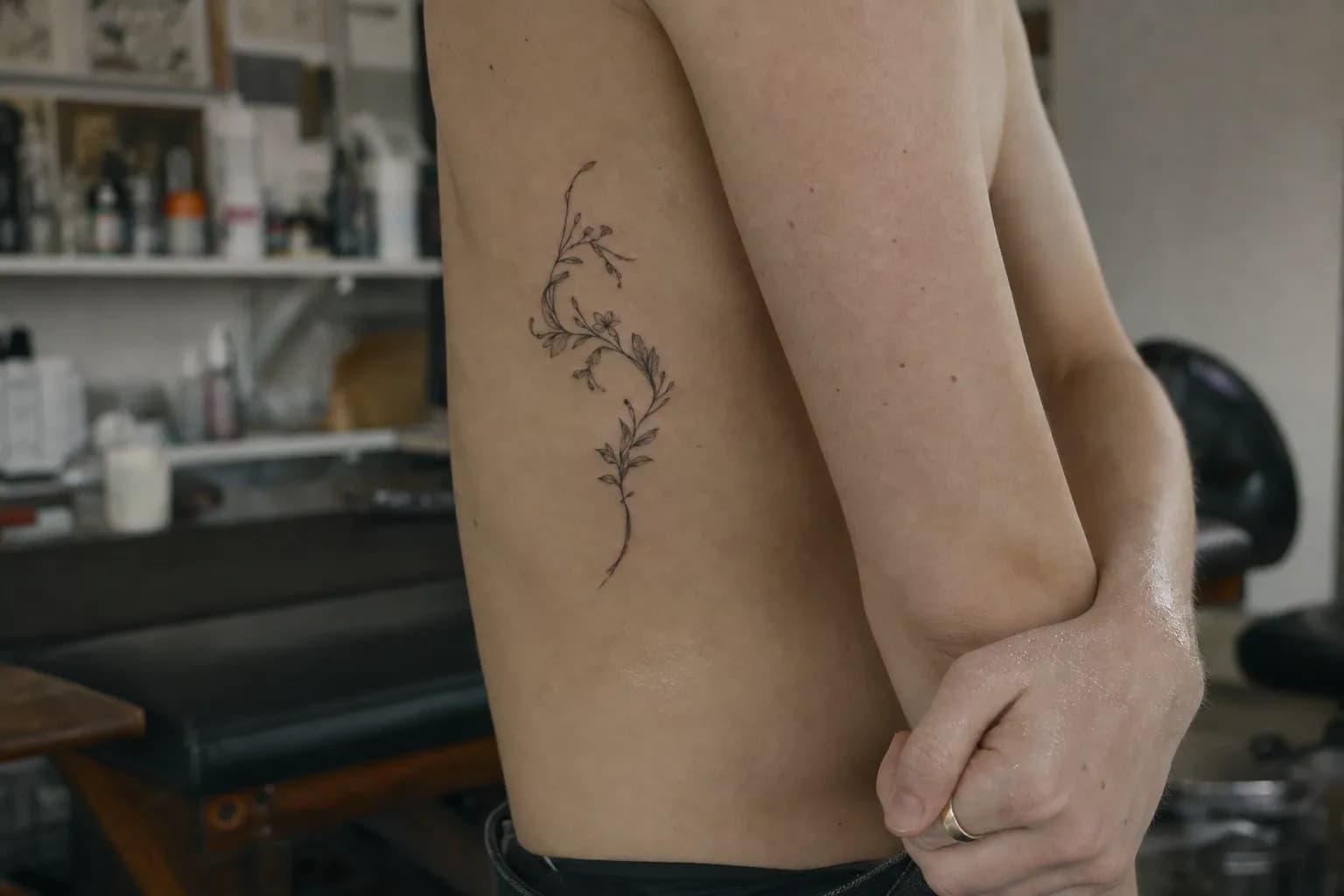
Fineline and Minimalist Work
Single-needle fineline tattoo work sits shallower in the dermis than bold-line work. That's what gives it its delicacy. It's also what makes it more sensitive to moisture levels during healing.
Too much cream over a fresh fineline tattoo creates a seal that can cause very slight ink migration, softening crisp hairlines over time. The result isn't dramatic. But on a 0.3mm line, even a fraction of blurring reads as lost definition. Apply Inktrox in the thinnest possible coat. Matte skin, not shiny.
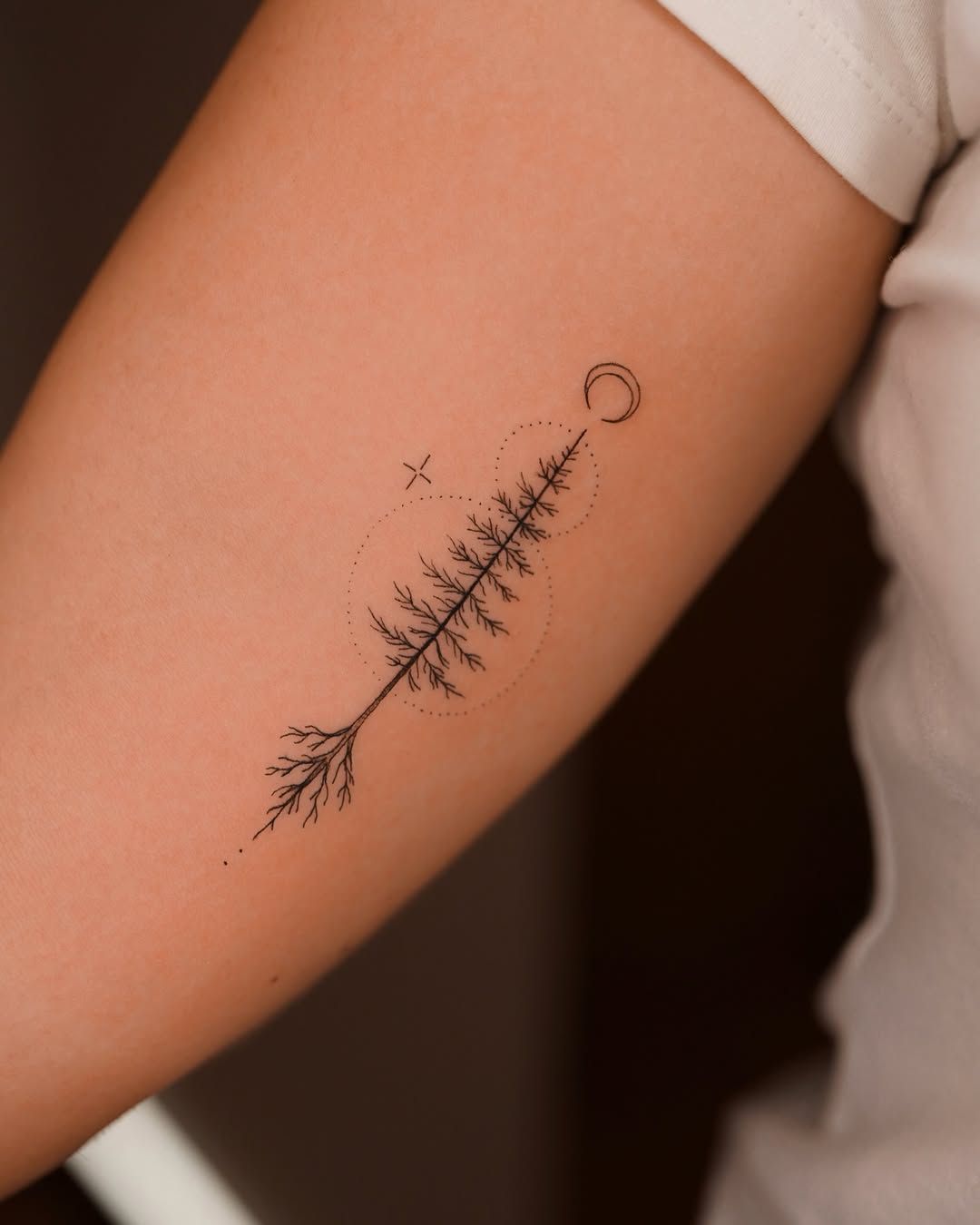
For a deeper look at how fineline work is approached at this studio, see our guide to fine line tattoos in Lisbon.
Realism and Micro Realism
Realism and micro realism pieces involve denser ink packing across a small area. That density means the skin has absorbed more trauma in a concentrated spot. Consistent moisture matters more here than in fineline work.
Under-moisturising a realism piece during peeling can cause the ink to settle unevenly, leaving patchy areas in what should be a smooth tonal gradient. Apply Inktrox regularly, still thin layers, but don't skip applications.
Geometric Tattoos
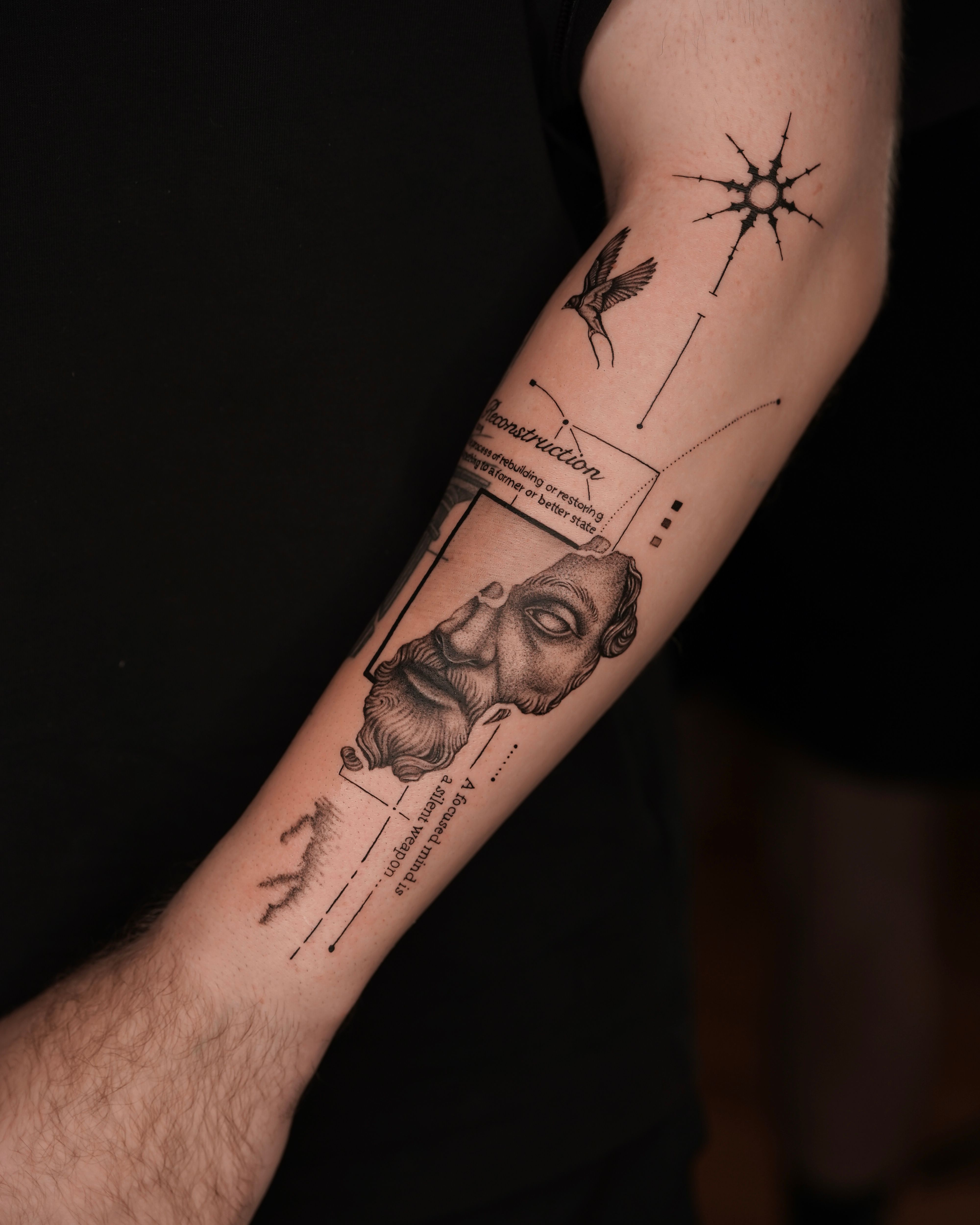
Geometric work lives and dies by symmetry. If the skin peels unevenly across a mandala. Lifting on one side while staying intact on the other. You can end up with visible inconsistency in what should be a perfectly balanced form. If the stencil sits 2mm off-centre on a mandala, you'll see it every time you look at the piece. The same logic applies to uneven peeling.
Keep layers consistent across the whole tattooed area, not just the parts that feel driest. Don't spot-treat.
Common Aftercare Mistakes (and What Inktrox Won't Fix)
The cream is a tool. Using it incorrectly creates problems it wasn't designed to solve.
"A thin layer does the job. When clients over-apply, they're not protecting the tattoo. They're sealing bacteria against an open wound. Less product, more often, is always better than thick and occasional."
- Applying too much cream. Seals in bacteria against skin that's still technically an open wound. Shiny skin after application means you've overdone it.
- Using Inktrox under cling film after the first day. Traps moisture incorrectly and creates the warm, wet conditions bacteria prefer. The studio's wrap is designed for the immediate post-session window, not ongoing home care.
- Sun exposure before full healing. Inktrox contains no SPF. UV light breaks down fresh ink, especially blacks, which fade toward green or grey with repeated exposure. Keep the tattoo covered outdoors for at least the first four weeks.
- Swimming in the Tagus or the Atlantic before week three or four. River and ocean water carry bacteria and salt that interfere with healing skin. This is an especially common Lisbon summer temptation. The beach can wait.
- Using Inktrox as a substitute for washing. The cream doesn't clean. Wash first, every time, before applying product. Plasma and dead skin cells need to come off before you moisturise over them.
Comparing Popular Aftercare Options
Inktrox isn't the only option available as a tattoo aftercare product in Portugal. Here's a straightforward comparison of the most common choices clients use or ask about. The studio recommends specific products at consultation based on individual skin type and the style of work done.
| Product | Moisture Level | Fragrance Risk | SPF Included | Best Suited For | Availability in Lisbon |
|---|---|---|---|---|---|
| Inktrox Aftercare Cream | Medium | Low (formulated for sensitive skin) | No | All styles; especially fineline if applied thin | Pharmacies, tattoo supply shops |
| Bepanthen Nappy Rash Cream | Medium-High | Very Low | No | Realism, micro realism (denser work) | All pharmacies, supermarkets |
| Plain Unscented Moisturiser | Varies | Low to Medium (check label) | No | Weeks 3-6 maintenance; not ideal for early healing | Everywhere |
| Dry Healing (no product) | None | None | No | Sometimes used for bold work; generally not recommended for fineline or geometric | N/A |
No single product wins across every scenario. The table reflects general characteristics, not a ranking. What works for a dense realism piece on a thigh can be too heavy for a delicate fineline piece on a wrist.
What to Bring to Your Appointment and Ask Beforehand
Good healing starts before you sit down. A little preparation makes the first 48 hours much easier to manage correctly.
One thing worth asking the studio directly: which wrap do they use? Breathable adhesive film (like Dermalize or a similar second-skin product) stays on for one to three days and changes your entire day-one routine. You don't wash or apply cream until it comes off. A traditional bandage comes off after a few hours and moves you into the wash-and-moisturise cycle much sooner. If you assume the wrong protocol, you risk either under-caring or over-caring from the start.
Before your appointment, review placement considerations for smaller tattoos if you're still deciding where to put the piece. Placement affects both session logistics and how the area heals.
- Buy Inktrox (or your chosen aftercare cream) before the session, not after. Post-tattoo, you'll want to go straight home. Not scout pharmacies near Príncipe Real with a fresh piece wrapped on your arm.
- Wear loose clothing that won't press against the tattooed area. A sleeve over a forearm piece, or waistband pressure over a hip piece, is enough to irritate fresh skin.
- Have unscented soap at home. Any scented soap risks reaction against broken skin in the first three days.
- Clear your schedule for the rest of the day. Rest, hydration, and keeping the area clean matters more than any product in the first 12 hours.
- Ask the studio what wrap they'll use, and confirm the exact moment you should remove it and begin your aftercare routine.
If you're still choosing your style or thinking about sizing, the guidance in our guide to fine line tattoos in Lisbon covers what affects longevity and detail retention from the start.
Frequently Asked Questions
Can I use Inktrox on a fresh tattoo the same day?
Not immediately. Most studios wrap fresh tattoos in a breathable film or bandage for the first few hours. Once that comes off and you've washed the area gently with unscented soap, a thin layer of Inktrox can go on. Applying cream over an unwashed, still-weeping tattoo traps bacteria against open skin.
How long should I use Inktrox aftercare cream?
Most artists recommend using a dedicated aftercare cream for the first two to four weeks. The surface heals faster than the deeper dermis layers, which can take six to eight weeks to fully settle. After week four, a plain unscented moisturiser is usually enough to keep the area hydrated.
Is Inktrox safe for fineline and delicate tattoos?
Yes, but use it sparingly. Fineline tattoos use single-needle work that sits closer to the skin's surface. Too much moisture can cause ink to spread slightly, softening crisp hairlines over time. Apply the thinnest coat that still covers the area. If the skin looks shiny rather than matte, wipe a little off.
Can I use Inktrox in summer in Lisbon?
You can, but adjust your routine. Lisbon summers are humid, meaning skin stays moist naturally. Applying thick layers of aftercare cream on top can over-saturate the healing tattoo. Reduce application to once or twice daily, keep the tattoo out of direct sunlight, and avoid the beach for the first three to four weeks.
What happens if I run out of Inktrox mid-heal?
A plain, fragrance-free moisturiser. Such as an unscented body lotion or Bepanthen nappy rash cream. Works as a temporary substitute. Avoid anything with alcohol, heavy fragrance, or exfoliating acids. The goal is simple hydration, not active treatment. Pick up more dedicated aftercare as soon as you can.