Why Placement Changes Everything for Small Tattoos
A 2cm piece in the wrong spot reads awkward immediately. That's the reality of small tattoos: there's no surrounding detail to absorb a placement error, no scale to soften an off-centre anchor. The design and the location have to work together from the start, not as two separate decisions.
Skin behaves differently across your body. The dermis (the deeper layer where ink actually lives) varies in thickness, elasticity, and regeneration rate depending on where you are. High-friction zones like the hands shed ink faster. Sun-exposed areas like the wrist and collarbone need consistent SPF once healed. Movement-heavy spots like the ribcage can complicate both the healing process and how linework holds over time.
Placement is a design decision. The best small tattoo placement guide starts long before anyone picks up a needle.
The Most Popular Placements (And the Honest Truth About Each)
Inner wrist and forearm
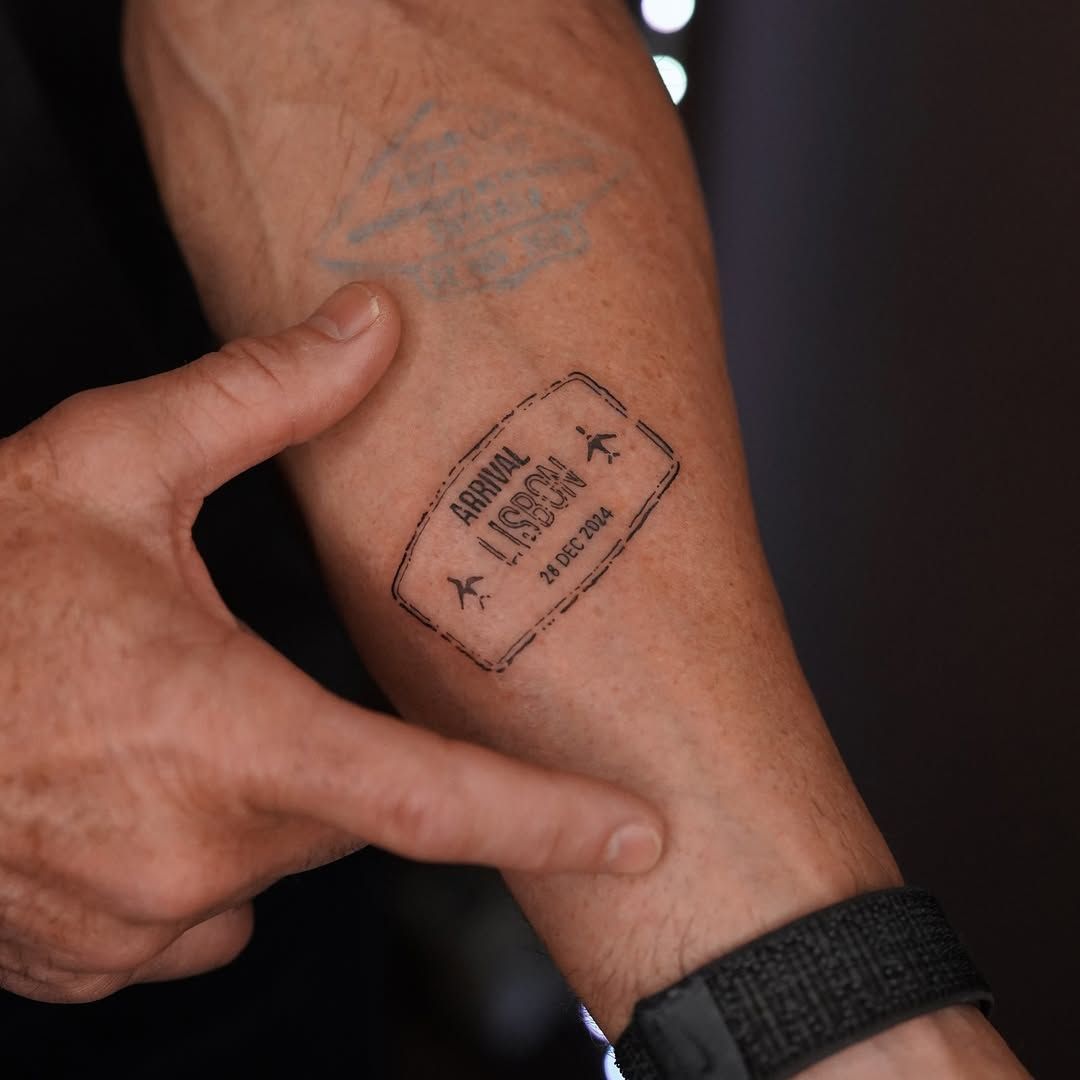
The inner wrist is one of the most requested spots for small work. It's visible, personal, and suits discreet tattoo placement beautifully. But it also sees daily friction from watches, bracelets, and desk edges, and the skin there is thinner than the outer forearm. Ink can migrate slightly over years if the design is very fine.
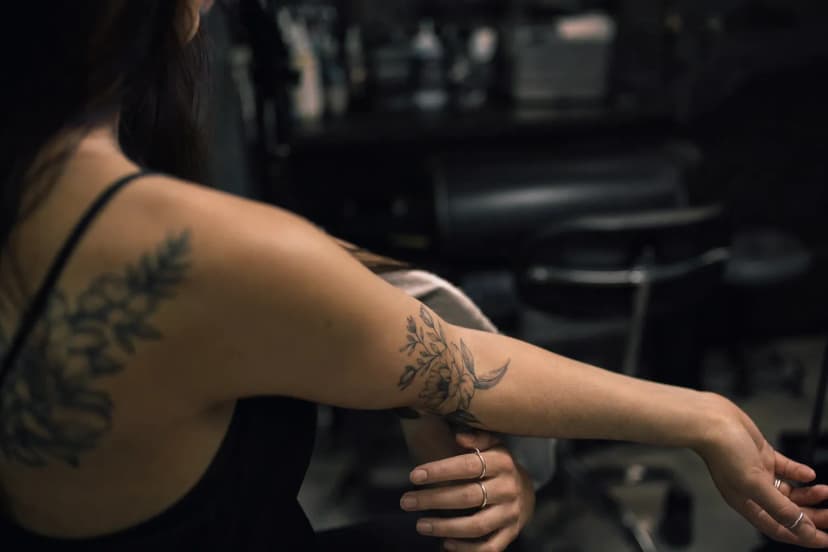
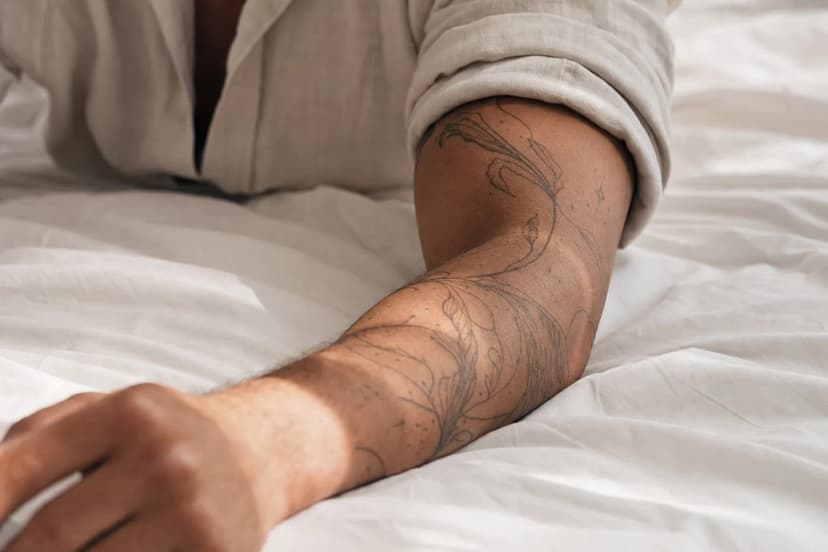
The outer forearm is a stronger long-term choice. The skin is flatter, more stable, and the dermis depth is consistent. Fine lines hold here. Minimalist pieces age predictably. If you're considering a small tattoo placement guide from scratch, the outer forearm is the reliable baseline everything else gets compared against.
Collarbone and sternum
The collarbone is one of the best spots for tiny tattoos when the design follows the bone's natural line. That subtle curve frames a piece without distorting it. The skin here tends to be relatively stable, though sun exposure in Lisbon's long summers means diligent SPF is non-negotiable once healed.
The sternum is trickier. Skin over the breastbone can be thin and tighter, and bra straps create constant friction on the surrounding tissue. It's a beautiful placement for the right design, but worth discussing anatomy in consultation rather than assuming it'll work the same on everyone.
Behind the ear and neck
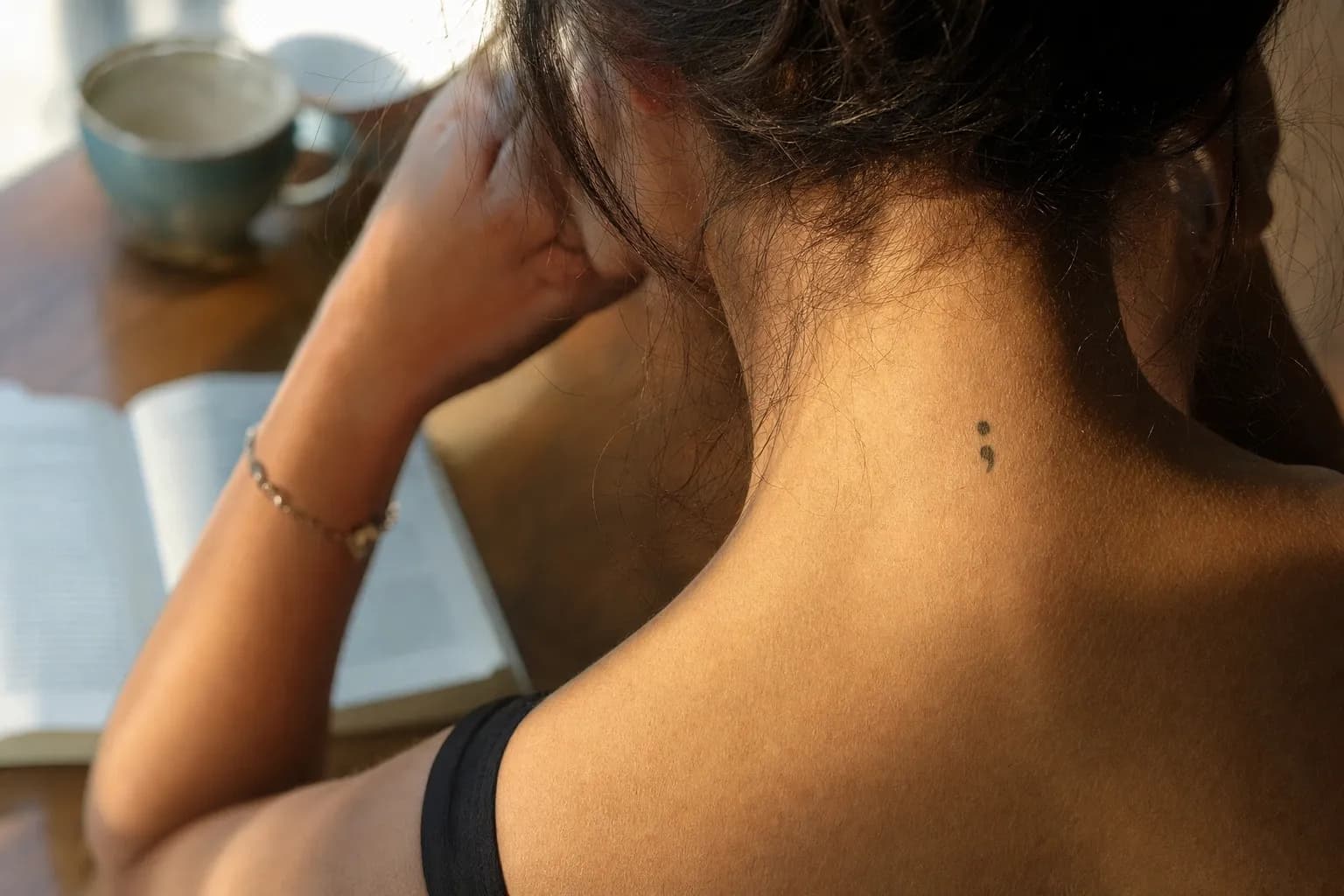
Behind the ear reads as genuinely discreet tattoo placement, visible only when you choose to show it. The area is small, curved, and sits close to the hairline, all of which demand real precision from the artist. A clean piece behind the ear requires steady hands and a clear understanding of how the design will read on a curved surface.
Healing here can be fussy. Hair gets in the way. Earbuds and glasses create friction during the first two weeks. Worth factoring in before you book.
Ankle and outer foot
The ankle is a popular spot for small tattoo ideas in Lisbon because of the warm climate and sandal culture. It's visible, relatively flat on the outer side, and suits botanical or geometric work well. The outer ankle heals more easily than the inner ankle, where the skin is thinner and closer to bone.
The foot is a different story. Skin on the top of the foot regenerates quickly and is exposed to constant friction from shoes and socks. Fading within the first couple of years is common. A touch-up is likely, not optional.
Ribcage and side torso
The ribcage is striking as a placement. Long vertical pieces, botanical sprays, text following the natural lines of the body: it all reads well here. But the skin moves every time you breathe, and during healing that constant gentle movement can affect how fine lines settle.
In Lisbon's humid summers, the ribcage sits under clothing almost all day, which limits airflow. Healing is manageable but requires more attention than a forearm piece. If you're booking a summer session for the side torso, factor that in.
Finger and hand
Finger tattoos are honest about their trade-off: they look exceptional fresh, and they fade faster than almost any other placement. Hand skin regenerates quickly, the dermis is thinner, and the constant flexing and friction from daily use breaks down ink steadily. Most people need at least one touch-up in the first 12 months.
That doesn't mean they're not worth doing. It means keeping the design very simple and going in with clear expectations. The script and floral hand tattoos in the studio's portfolio show what's possible when design and placement are matched carefully.
Matching Placement to Style: Minimalism and Fineline Specifics
Minimalist designs rely on negative space. The gap between lines, the silence around a single motif, that's where the design breathes. If the placement puts that space in an awkward relationship with a body contour or a clothing edge, the whole piece can feel off even when the tattooing itself is technically clean.
Flat, stable skin surfaces give minimalist tattoo work the best chance of ageing well. The outer forearm, the upper arm, the calf, the collarbone area: these are the zones where fine lines stay fine and geometric elements hold their proportions over years. Curved or high-movement zones introduce variables that a 5mm line can't absorb the way a larger, busier piece might.
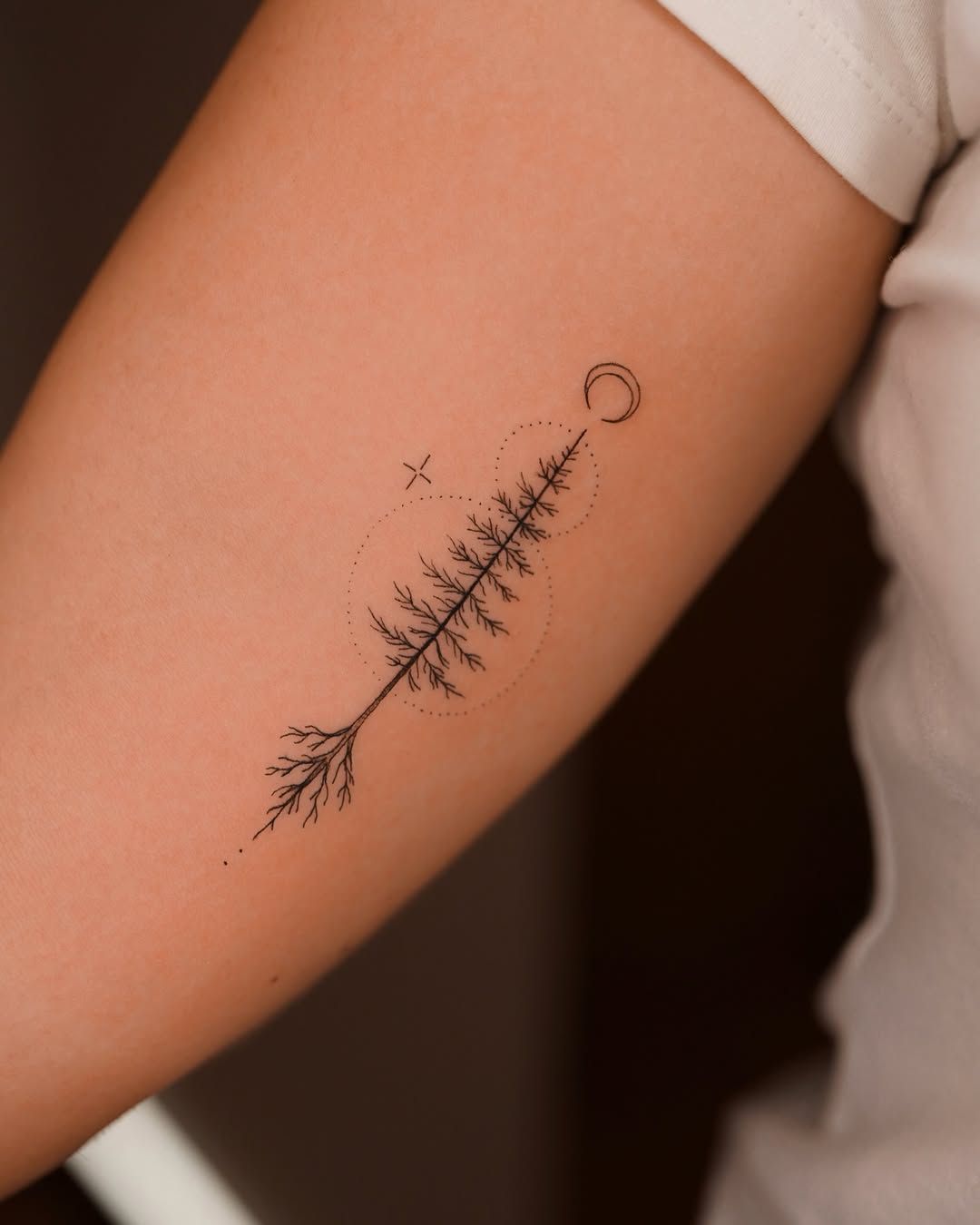
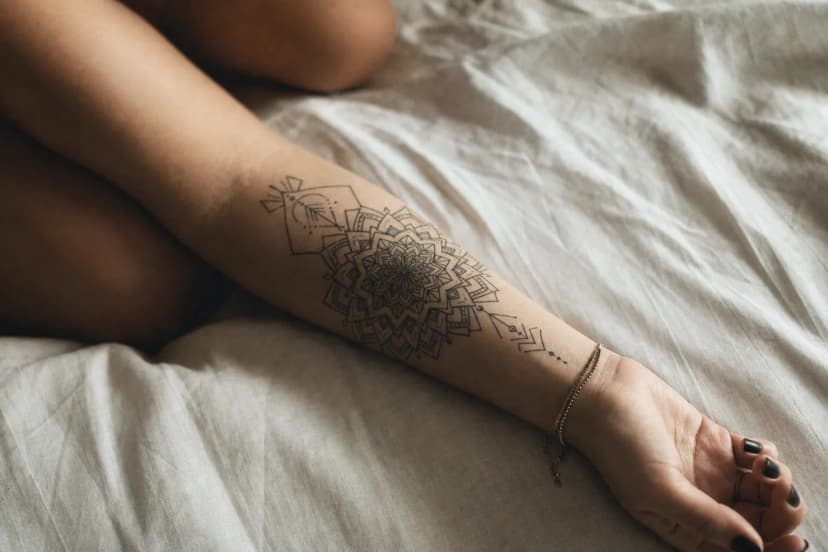
Where to place a minimalist tattoo isn't a question with one answer, but it starts with the design's geometry. A circular element on the outer forearm stays circular. Place the same circle on a curved shoulder at the wrong angle, and it reads as oval within a few years of settling. The studio works through this at consultation, before the stencil goes anywhere near your skin.
For more on what fineline work actually demands technically, what fineline tattooing in Lisbon actually requires covers the craft side in detail.
Placement vs Longevity: A Practical Comparison
| Placement Zone | Sun Exposure | Friction Level | Healing Ease | Expected Longevity |
|---|---|---|---|---|
| Outer forearm | Moderate | Low | Easy | Strong, 5+ years with SPF |
| Inner wrist | High | Moderate (watch, cuffs) | Easy | Good, may need touch-up at 4-6 years |
| Collarbone | High in summer | Low | Easy to moderate | Good with consistent SPF |
| Behind the ear | Low | Moderate (hair, glasses) | Moderate | Good once settled, varies by skin |
| Outer ankle | Moderate-high (sandals) | Low-moderate | Easy | Good; inner ankle fades faster |
| Top of foot | Low-moderate | High (shoes, socks) | Moderate | Moderate; touch-up likely within 2 years |
| Ribcage / side torso | Low | Moderate (clothing) | Tricky (movement, heat) | Good if healed well |
| Finger / hand | High | Very high | Moderate | Lower; touch-up within 12 months likely |
How the Studio Approaches Placement Decisions
Every session at the studio begins with a conversation about anatomy, not just design. The artist considers your skin tone, the presence of any existing tattoos nearby, and how your lifestyle might affect healing. Someone who swims daily in the Tagus in August needs to think about their ribcage placement differently than someone who works indoors in Príncipe Real all summer.
The stencil goes on before any needle touches skin. That's not a formality. It's the moment where placement becomes real. If a stencil sits 2mm off-centre on a geometric piece, you'll see it every time you look at the finished work. The studio takes time here, repositioning until the design sits exactly right relative to your bone structure and natural body lines.
"Placement is half the design. You can have a beautiful drawing and a technically clean execution, but if it sits in the wrong spot on the body, something will feel off every time the client sees it in the mirror. We spend as much time on that conversation as we do on the artwork itself."
Lisbon's outdoor lifestyle matters practically. The city's long, sunny summers mean sun-exposed placements, wrist, collarbone, ankle, need a genuine SPF routine once healed, not just occasional sunscreen. That's part of the aftercare guidance the studio gives for every piece. For a fuller picture of what small work looks like in practice here, the guide to small tattoos in Lisbon is worth reading before you book.
And if you're wondering about the precision demands that come with very small work specifically, the piece on why tiny tattoos demand the most precision explains exactly why scale makes the craft harder, not easier.
Practical Checklist Before You Book
Getting your placement right is partly research, partly self-knowledge. Before you sit down for a consultation, work through these steps.
- Research the placement zone. Look at healed examples of work in that spot, not just fresh photos. Healed pieces show you what the skin actually holds.
- Consider your lifestyle honestly. If you work with your hands, swim regularly, or spend most of Lisbon's summer outdoors in Alfama or along the Cais do Sodré waterfront, your placement choices should account for that.
- Check your sun exposure habits. The wrist, collarbone, and ankle are beautiful placements, but they're also the zones that need SPF discipline for years after the tattoo heals. If you won't keep up that routine, factor it into your decision.
- Think about visibility and coverage. Some people want a discreet tattoo placement they can hide for work or family. Others want something visible every day. Neither is wrong, but be honest with yourself before committing.
- Plan what to wear to the appointment. For a collarbone piece, wear a loose-neck top or something that's easy to move. For a ribcage piece, a front-opening shirt works better than a pullover. For ankles and feet, sandals or slip-on shoes beat laced trainers every time.
- Time your booking around the season. Lisbon's humid July and August make torso and clothing-covered placements more demanding to heal. Mild winters (November through February) are genuinely easier for almost any placement. If you have flexibility, use it.
A few placement-specific notes on what to wear:
- Wrist and forearm: short sleeves or a top you can roll up easily.
- Collarbone or sternum: a wide-neck top, or a button-front shirt you can open without removing.
- Behind the ear or neck: pin your hair up before you arrive; clips and ties in the studio slow things down.
- Ribcage or side torso: a loose button-front shirt or a bikini top you're comfortable wearing during the session.
- Ankle or foot: sandals or open shoes, and no compression socks on that day.
- Fingers or hands: nothing restrictive on the hands; leave rings and watches at home.
Frequently Asked Questions
What is the best placement for a first small tattoo?
The outer forearm or upper arm area are ideal starting points. Both offer relatively flat, stable skin, moderate sensation levels, and good visibility during healing. They're easy to show or cover depending on your preference, and fine lines tend to hold well long-term. These zones are the standard reference point in any small tattoo placement guide.
Do small tattoos on the wrist fade faster?
They can. The inner wrist sees daily sun exposure and friction from clothing and watches, both of which break down ink over time. A small minimalist piece there can look beautiful for years, but you may need a touch-up earlier than you would with an outer forearm or calf placement. Consistent SPF once healed helps significantly.
Can I get a small tattoo on my finger or hand?
Yes, but go in with realistic expectations. Finger and hand skin is high-friction and regenerates quickly, so ink fades and spreads faster than almost any other placement. Most artists recommend budgeting for at least one touch-up within the first year. Keeping the design very simple gives you the best long-term result.
Which placements work best for minimalist or fineline designs?
Flat, low-movement areas give fineline and minimalist work the best chance of ageing well. The outer forearm, calf, and collarbone area all suit this style. Knowing where to place a minimalist tattoo means thinking about skin stability first. Curved or high-friction zones can distort delicate linework over time, so placement and design need to be planned together.
How does Lisbon's climate affect healing for different placements?
Lisbon summers are warm and humid, which makes healing trickier for placements under clothing or on the torso where airflow is limited. Best spots for tiny tattoos in summer are those that stay uncovered and breathe easily. Sun-exposed spots like the wrist or collarbone need diligent SPF once healed. Mild winters are generally easier for healing across all placement zones.