Why Finding the Right Artist Matters More in Fineline Than Almost Any Other Style
Fineline tattooing leaves almost no room for error. A bold traditional piece can absorb a slightly imprecise line and still read beautifully at arm's length. Fineline cannot. When you work with a single needle or a tight three-round-liner grouping (a cluster of three fine needles, abbreviated as 3RL), every millimetre of pressure and depth either lands cleanly or it doesn't.
Blown-out lines, where ink spreads sideways in the dermis instead of sitting in a crisp column, are permanent in fineline. You can't go over them boldly and save the piece. The style depends entirely on consistent technical discipline, session after session, piece after piece.
So when you're searching for how to find a fine line tattoo artist, you're really searching for evidence of that discipline. This guide gives you the tools to find it.
Start With the Portfolio. And Know What You're Looking At
A portfolio is the closest thing to a technical audit you'll get before you sit in the chair. But browsing one without knowing what to look for won't tell you much. Here's what actually matters when you're assessing a fineline tattoo portfolio and what to look for.
Line consistency across multiple pieces
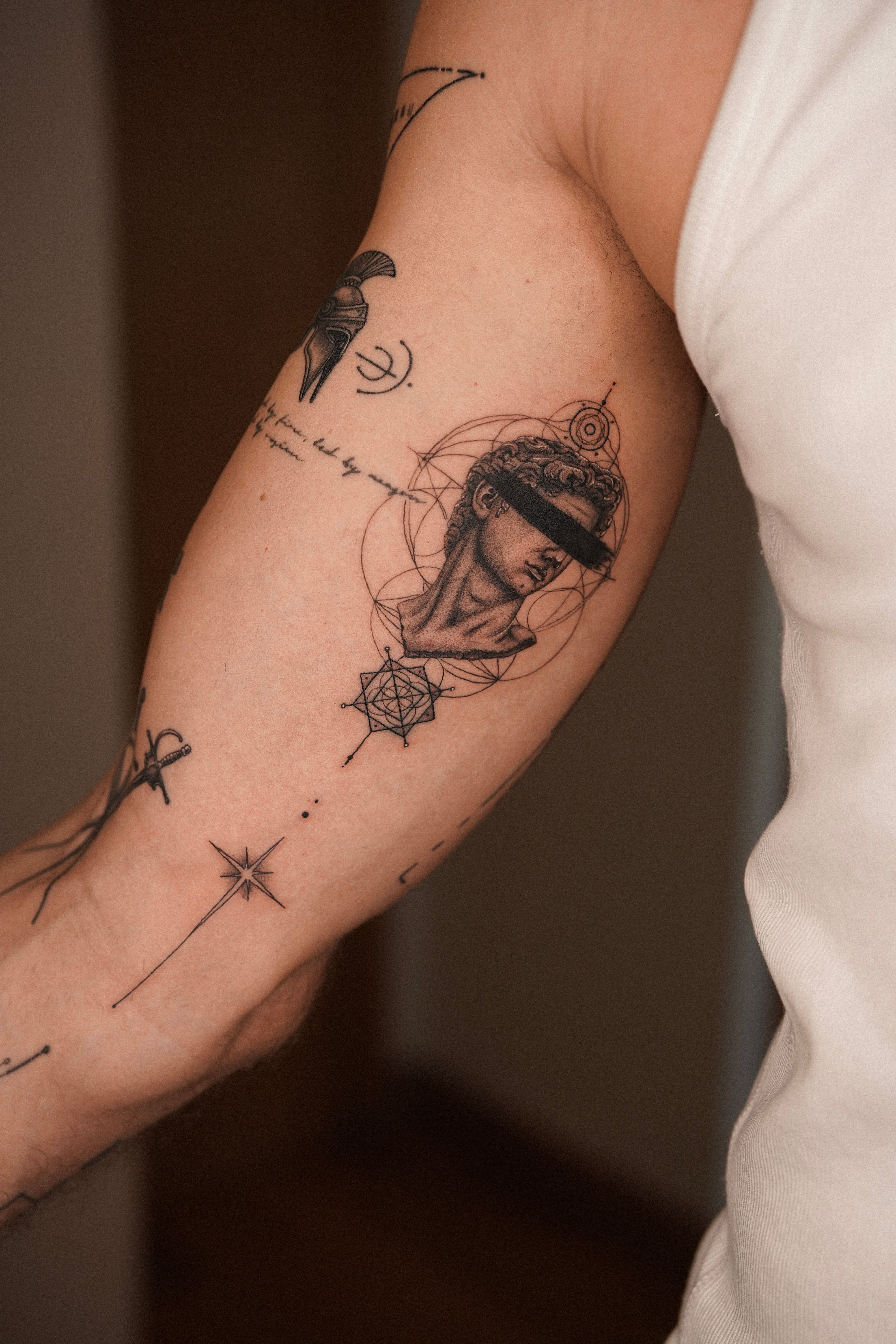
Look at a dozen pieces, not two or three. Lines should taper intentionally where the artist chose to taper them, not trail off erratically because needle pressure wavered. Consistent needle depth produces consistent line width. If you see lines that start crisp and dissolve halfway through a curve, that's a pressure control problem.
Check the very fine lines especially. A 0.1mm line that stays 0.1mm for 6cm tells you the artist has trained their hand speed and machine settings to a level that most haven't. That's a green flag.
Healed work versus fresh work
Fresh tattoos lie a little. Swelling and residual blood make lines look crisper and more defined than they'll be once healed. Any artist can produce a photo-ready piece on day one. The real question is what it looks like at eight weeks.
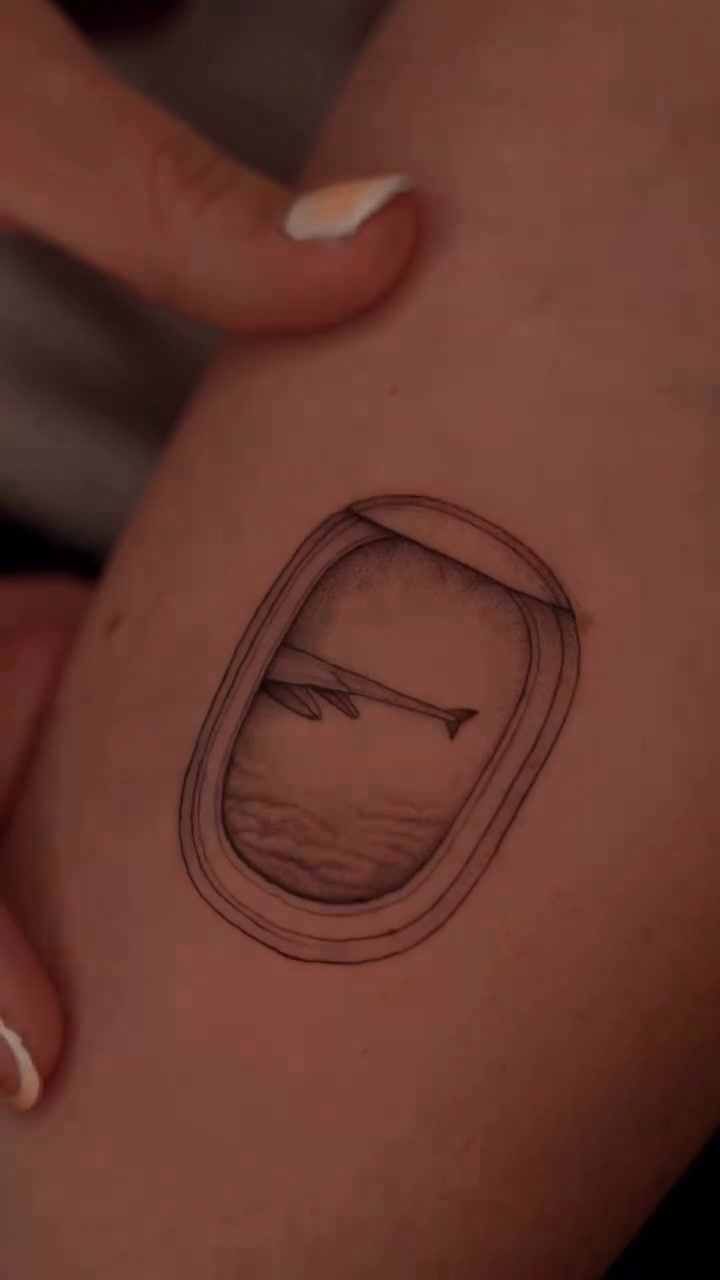
Ask directly: do they post healed shots? A good artist will share them without hesitation. Healed fineline should show lines with consistent width, no patchiness, no blowout halos, and no sections that have faded to near-invisible because the ink sat too shallow. If a portfolio contains only fresh work, be cautious.
Style range within fineline
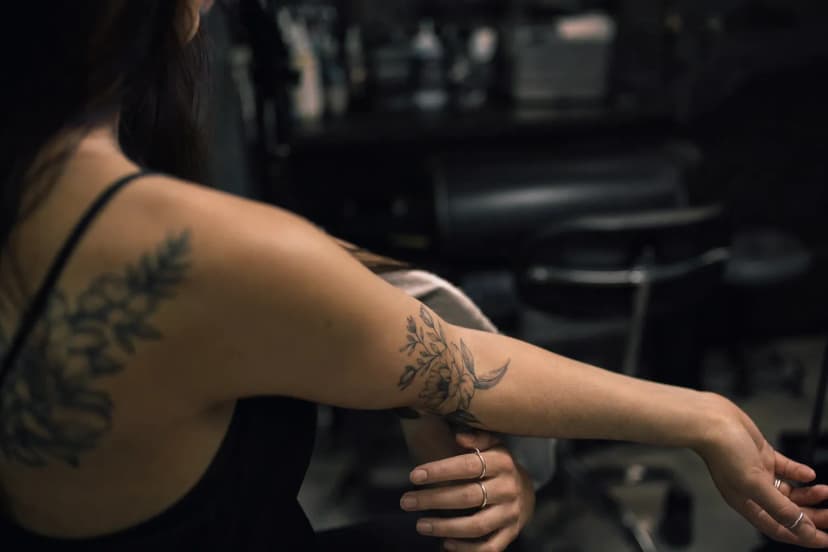
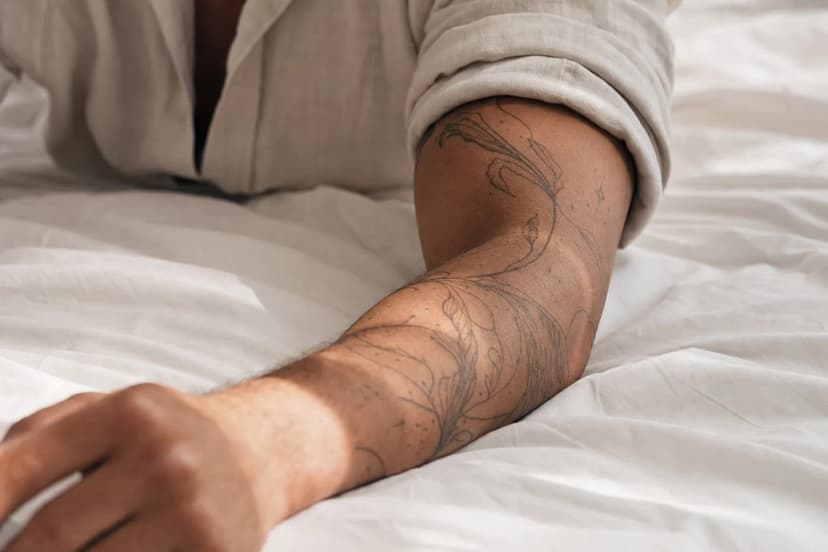
Fineline is a technique, not a single look. The best artists apply it across multiple aesthetics: minimalism, micro realism, geometric, and floral all live under the fineline umbrella. If a portfolio shows only one narrow sub-style repeated endlessly, the artist may have learned one composition they're comfortable with, not the underlying technical skill that transfers across designs.
Red Flags and Green Flags When Browsing Artists Online
Online research is where most people spend the most time when figuring out how to choose a tattoo artist for fineline work. It's also where the most misleading signals live. Here's a quick reference.
- Green flag: Healed photos posted regularly alongside fresh work.
- Green flag: Portfolio shows range. Not just one repeated composition.
- Green flag: The artist explains process limitations openly (placement restrictions, aging realities, skin tone considerations).
- Green flag: A fixed, verifiable studio address. In Lisbon, many artists work pop-up or guest-spot only. That's fine for established names passing through, but for your primary artist it matters: follow-up touch-ups and healed consultations require someone who'll be in the same place next year.
- Red flag: The entire portfolio is fresh tattoos. No healed shots, ever.
- Red flag: No fixed studio location, or the address changes frequently.
- Red flag: The artist refuses to discuss needle gauge, machine type, or aftercare specifics. A confident technician talks about their tools.
- Red flag: Pricing is listed publicly before any consultation. Fineline pricing depends on design complexity, placement, and sizing. A flat rate before discussion usually signals cookie-cutter work.
If you're in Lisbon and unsure where to start, our deeper article on what fineline actually demands from an artist working in Lisbon covers the local landscape in more detail.
What to Ask in a Consultation
The consultation is where you separate artists who understand fineline from artists who do fineline. Come with specific questions. Write them down before you go in.
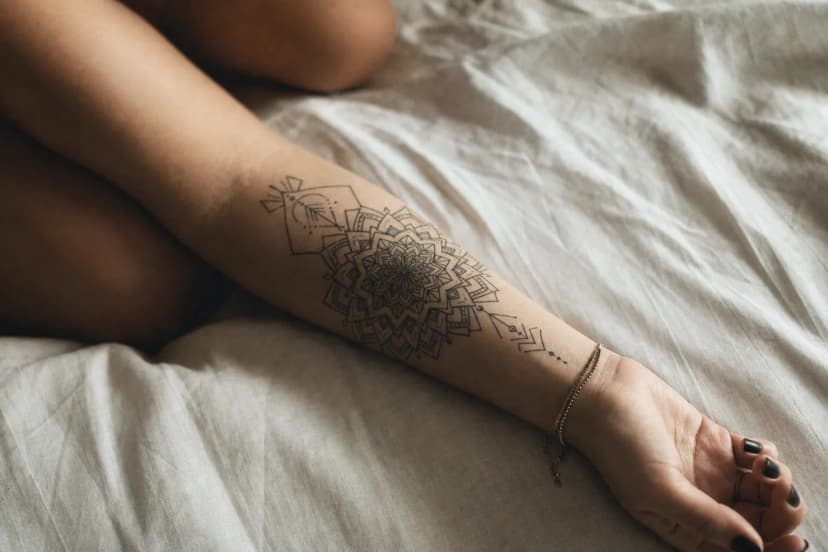
Ask about needle configuration for your specific design. A flowing botanical piece may suit a single-needle approach for the finest tendrils, while a geometric mandala with precise straight segments might need a 3RL grouping (three needles in a tight round formation) for cleaner, more consistent edges. If the artist gives you the same answer regardless of what you're asking for, that's worth noting.
Ask how they think about longevity. Fineline lines thin gradually over years as ink disperses through the dermis. The honest answer involves honest tradeoffs: finer lines age faster than slightly heavier ones, certain placements hold better than others, and skin tone affects how the healed result reads. An artist who tells you a single-needle wrist tattoo will look perfect in ten years is either inexperienced or overselling.
Ask about placement suitability for your design. High-friction zones like fingers and inner wrists accelerate fading. In Lisbon, where summers run long and UV exposure is high from May through September, sun-facing placements like the outer forearm need particular attention post-healing. Ask the artist to walk you through the tradeoffs of your chosen spot.
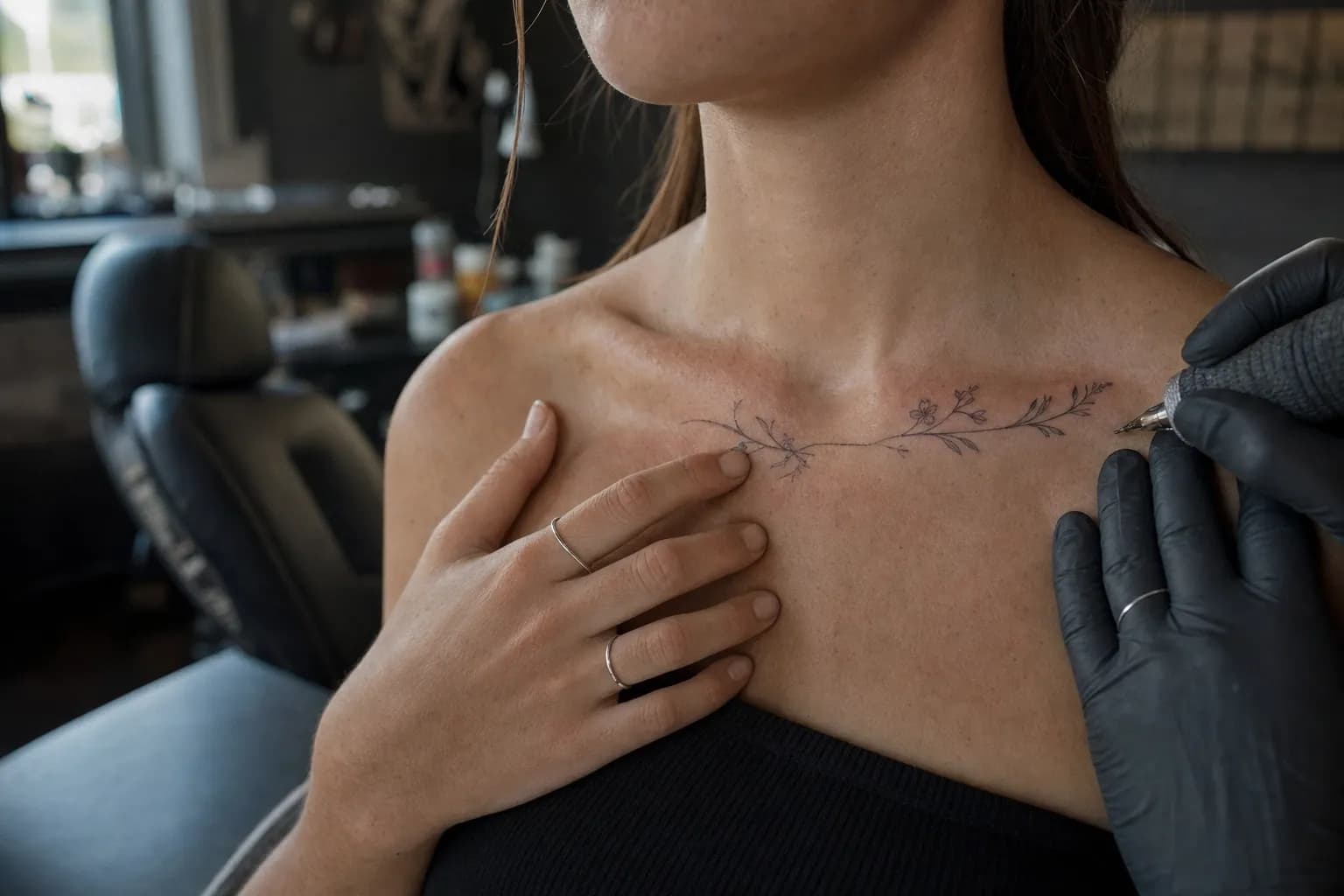
Finally, ask whether they'll place the stencil and show you the positioning before starting. If the stencil sits 2mm off-centre on a mandala, you'll see it every time you look at the piece. Stencil confirmation before the first needle pass is a basic professional standard, not an optional extra.
"The consultation is where the real design work happens. By the time you're in the chair, every decision about size, placement, and needle weight should already be made. There should be no surprises on the day."
For thoughts on placement in particular, the placement guide for small and fineline tattoos covers the key variables without the guesswork.
How This Studio Approaches Fineline Work in Lisbon
The studio's approach to fineline work starts with one principle: precision is non-negotiable at every stage. That means accurate stencil placement confirmed before any work begins, needle configuration chosen per design rather than per habit, and aftercare advice calibrated to Lisbon's specific climate.
Lisbon's humid summers. Particularly in Alfama and Baixa, where heat collects between old stone buildings. Create a healing environment that differs meaningfully from, say, a cool northern European climate. Higher ambient humidity can affect how quickly a fresh tattoo dries in its first days. The studio factors this into its aftercare guidance, adjusting recommendations for clients getting tattooed in July versus January.
The studio works across the studio's fineline service in its purest form, but also at the intersection where fineline meets other disciplines. How micro realism intersects with fineline work is worth understanding if your design involves portrait-level detail at a smaller scale. It's a technically demanding combination that requires a different skill set from either style alone.
A strong example of that intersection is this lion portrait in diamond combining fineline with micro realism. The outer geometric frame demands clean straight edges and precise angles. The portrait inside demands tonal graduation and hair-strand detail. Holding both in one piece, at that scale, shows what the technical range looks like in practice.
The studio won't begin a session until stencil placement is confirmed by the client. That's a fixed part of the process, not a courtesy. It's also the moment where sizing adjustments get caught before they're permanent.
Practical Checklist Before You Book
Once you've identified a single needle tattoo artist whose portfolio and consultation meet the standards above, preparation matters. Here's what to bring and how to time things.
What to bring to your consultation
- Reference images. Not to copy, but to communicate aesthetic direction. Bring 5-10 images that show the feeling you're after.
- A clear placement idea. Knowing you want it on your inner forearm is more useful than "somewhere on my arm".
- Your questions, written down. Consultations move quickly and it's easy to forget something important.
- Clothing that exposes the intended placement area so the artist can assess the skin directly.
Timing your session
Morning sessions generally work better for fineline. Skin is less puffy, you're less fatigued, and the artist is fresh. If you can avoid booking during Lisbon's peak summer heat (July and August), do so. Post-tattoo sun management is significantly harder when you're heading straight into 35-degree weather and the beach is calling.
For a wider look at sizing and placement decisions for smaller pieces, the guide to small tattoos in Lisbon covers those variables in depth.
Minimum sizing for clean fineline healing
Very fine lines packed too closely together will merge as they heal. As a general rule, experienced artists allow at least 1.5-2mm of clear skin between parallel fineline strokes to ensure they read as separate lines after healing. Designs that look achievable at 3cm on screen may need to be 5cm on skin. Trust the artist's sizing recommendation. It comes from watching work heal, not from guessing.
| Placement | Fineline Longevity | Notes |
|---|---|---|
| Upper arm / bicep | Excellent | Low friction, manageable sun exposure, stable skin |
| Outer forearm | Good | High UV in Lisbon summers. SPF 50 is essential |
| Inner forearm | Good | Less sun exposure than outer; some friction from surfaces |
| Shoulder blade / back | Excellent | Protected location, heals well, ages slowly |
| Sternum / chest | Good-Excellent | Limited sun, low friction; clothing friction during healing to manage |
| Inner wrist | Moderate | Skin regenerates quickly here; fading is faster |
| Fingers / hands | Poor | High regeneration rate; expect significant fading within 1-2 years |
| Ribs / side torso | Good | Protected from sun; movement during healing requires care |
| Elbow / knee | Poor-Moderate | Constant joint movement distorts fine lines over time |
Frequently Asked Questions
How do I know if a fine line tattoo artist is actually skilled?
Look for healed photos in their portfolio, not just fresh work. Healed fineline should show consistent line width, clean taper, and no patchiness or blowout. Ask directly whether they have before-and-after or healed shots. An artist confident in their technique will share them without hesitation. Consistent results across different designs and scales are the clearest indicator of genuine skill.
Does fine line work hurt more than other styles?
Pain depends far more on placement than style. Fineline uses fewer needles and lighter passes, which some clients find gentler than bold shading work. Bony areas like ribs or sternum will always register more regardless of technique. Your artist should discuss placement realistically during the consultation, and never promise a painless experience.
How long does a fine line tattoo session typically take?
A small to medium fineline piece usually runs between one and two hours. Larger compositions with intricate detail. A geometric sleeve section or a full back piece. Can run three to five hours across multiple sessions. The artist will give you a realistic time estimate after reviewing your design in consultation, never before.
Can fine line tattoos be done anywhere on the body?
Not every placement suits fineline. High-friction zones like fingers, palms, and inner wrists tend to fade faster because skin there regenerates quickly. Areas with significant stretch or movement, like elbows and knees, can distort thin lines over time. A good artist will flag these issues clearly before you commit to a spot.
How do fine line tattoos age, and what can I do about it?
Fineline lines gradually soften and may thin slightly over years as ink disperses in the dermis. Consistent sun protection is the single most effective thing you can do to slow that process. In Lisbon's long summers, SPF 50 on exposed tattoos is non-negotiable. Choosing a low-friction, low-sun placement from the start extends the look significantly.