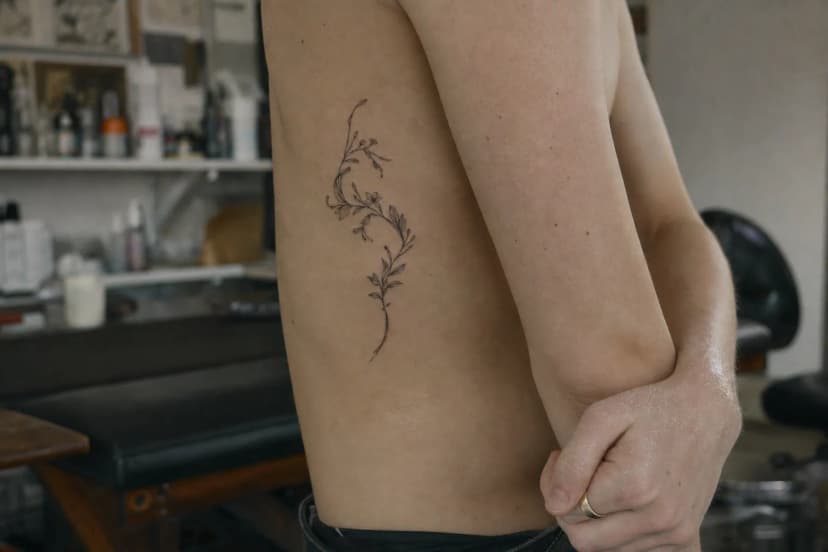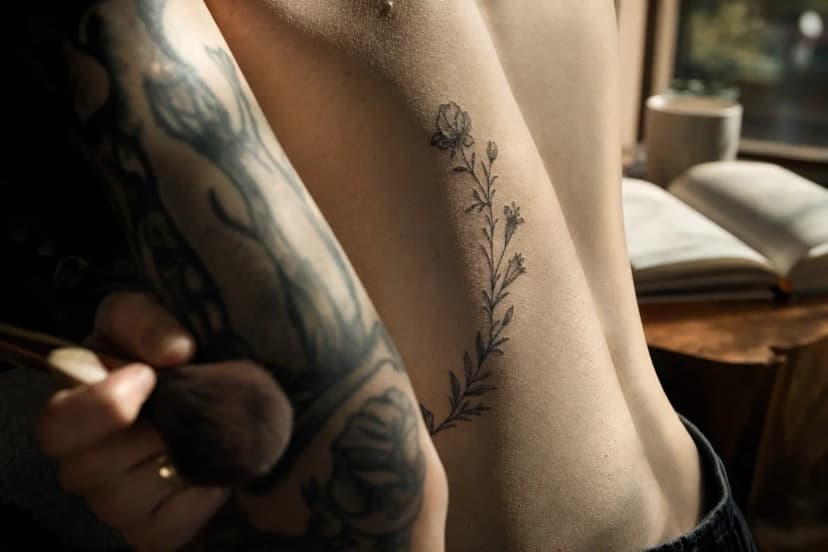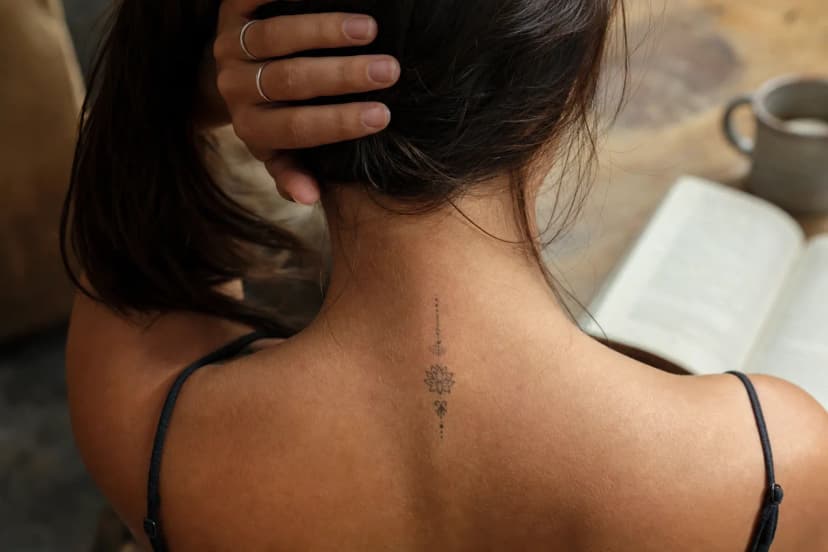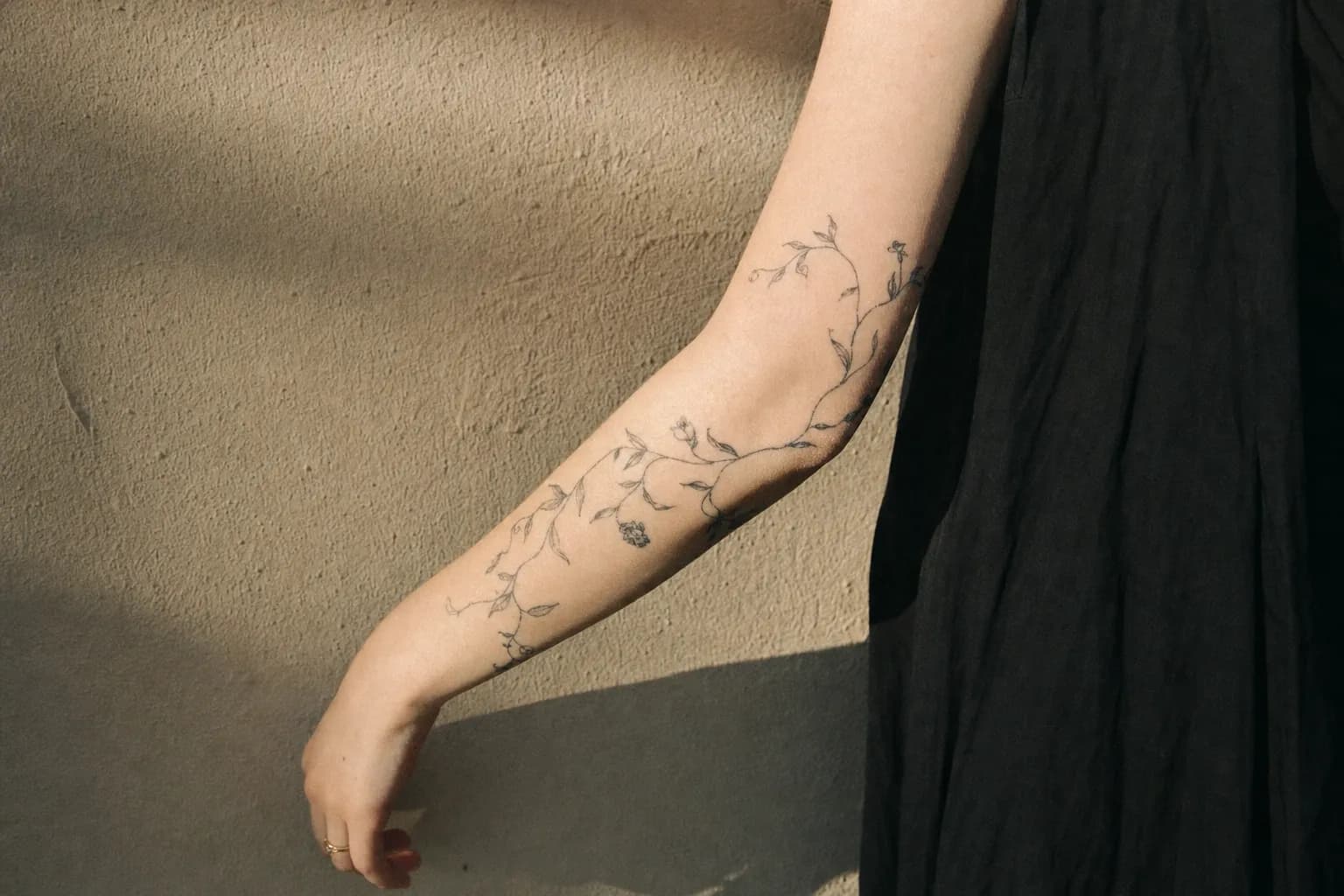
You've just left the studio. The wrap is on, the adrenaline is fading, and now comes the part that matters almost as much as the session itself. How you care for a new tattoo in the next six weeks determines whether those lines stay sharp or soften into something you didn't plan for.
These tattoo aftercare tips aren't generic. They're grounded in what actually happens inside your skin, adjusted for Lisbon's climate, and specific to the styles the studio works in.
The First Hours Matter More Than Most People Realise
Tattooing is a controlled wound. The needle deposits ink into the dermis (the layer of skin beneath the surface epidermis), and your body immediately begins its repair response. In the first two to four hours, the area weeps plasma and sometimes a small amount of ink. That's normal. What matters is what covers it during that window.
The studio uses second-skin film for most pieces. Second-skin (also called a dermis film or saniderm) is a thin, transparent, breathable medical-grade adhesive that seals the tattoo against bacteria while letting the skin breathe. Traditional cling-wrap does neither particularly well. It traps moisture without breathing and needs to come off within two to three hours. Second-skin can typically stay on for 24 to 72 hours, depending on how the skin responds.
Lisbon's summers complicate this. High humidity in July and August means trapped heat under any wrap increases bacterial risk faster than in cooler months. If you're getting tattooed during a hot Lisbon summer, remove second-skin at the lower end of the recommended window and wash sooner rather than later.
The First Wash: Getting It Right
Once the wrap comes off, wash the tattoo immediately. Use lukewarm water and an unscented, alcohol-free soap. The temperature matters: hot water draws blood to the surface and increases swelling; cold water constricts and doesn't clean effectively. Lukewarm is the practical middle.
Use clean fingertips to gently work the soap over the area. Rinse thoroughly, then pat dry with a fresh paper towel. Cloth towels harbour bacteria. Never rub.
No soaking. A five-minute shower is fine. A bath, a Lisbon beach swim, or a dip in a pool is not. Submerging fresh ink softens the healing skin, introduces bacteria, and begins leaching out pigment before it has settled. For day-by-day aftercare instructions beyond the first wash, the studio has put together a detailed guide that takes you through every stage.
Moisturising Without Overdoing It
After the first wash, apply a thin layer of unscented, alcohol-free tattoo aftercare cream or lotion. Thin is the operative word. A thick layer of product sits on top of the skin rather than absorbing into it, which blocks the oxygen the healing tissue needs. If your skin looks greasy ten minutes after applying, you've used too much.
Look for ingredients like panthenol (vitamin B5), allantoin, or natural oils like coconut or jojoba. Avoid anything with alcohol, artificial fragrance, or menthol. These dry and irritate healing skin.
Frequency depends on your environment. In Lisbon's humid summer months, skin retains moisture naturally, so two applications a day (morning and before bed) is often enough. In winter, when indoor heating dries the air, three times a day makes more sense. For product-specific guidance on what works and what doesn't, see the studio's article on choosing the right aftercare cream.
What to Avoid During the Healing Window
Knowing what not to do is at least as important as knowing what to do. Several common habits will undo good tattooing, and most of them are very easy to slip into.
Sun and UV Exposure
UV radiation breaks down ink pigment. On healed skin, this happens gradually over years. On fresh skin, it can happen within a single afternoon outdoors. The ink is still migrating into the lower dermis during the first six weeks. UV exposure in that window can cause uneven fading before the tattoo has even settled.
If you're sitting on a terrace in Príncipe Real or Cais do Sodré during a Lisbon summer, keep the tattoo covered with loose clothing. No sunscreen on fresh skin: applying it before the surface has closed traps bacteria against the wound. Once fully healed (around week six), SPF 50 mineral sunscreen applied consistently is the most effective long-term protection you have.
Swimming, Saunas and Gyms
Chlorinated pools fade lines and introduce chemicals to broken skin. Salt water from the beach carries bacteria and the same fading risk. Saunas push blood to the surface and can cause ink migration. All three are off the list for a minimum of four weeks.
Gyms deserve a specific mention. Heavy exercise creates friction, sweat and contact with equipment surfaces that carry bacteria. Light movement after 48 hours is generally fine. But anything that stretches or rubs the tattooed skin should wait at least two weeks.
Picking and Peeling
Between days four and ten, the surface skin peels. This is the epidermis shedding as the skin rebuilds. The flaking looks similar to sunburn and feels itchy. Pulling at it feels satisfying and removes ink along with the dead skin. Let it fall away on its own. Tap the area if the itch is unbearable. Never scratch.
How Healing Looks Week by Week
Understanding what's normal at each stage stops you from panicking unnecessarily and from ignoring something that does need attention.
Days one to three: redness, slight swelling, and weeping plasma are all expected. The area will feel warm and sensitive. Days four to seven: peeling begins and itching peaks. Weeks two to four: the surface looks healed, but the dermis is still settling. This is the stage where most people make mistakes, assuming everything is done. Week six onwards: the final result becomes visible, including how lines read against your skin tone and how shading sits.
For the full healing timeline week by week, including what to watch for at each stage, the studio has written a detailed breakdown.
| Style | Surface healing | Dermis settling | Key healing risk |
|---|---|---|---|
| Fineline | 2-3 weeks | 4-6 weeks | Hairline strokes blur if skin dries out or is scratched |
| Micro Realism | 2-3 weeks | 5-6 weeks | Dense shading holds heat; detail can muddy if overworked |
| Geometric | 2-3 weeks | 4-6 weeks | Patchy healing causes symmetry loss that cannot be undone |
| Realism | 3-4 weeks | 6-8 weeks | Gradient tones fade unevenly with UV or friction |
| Floral | 2-3 weeks | 4-6 weeks | Petal gradients fade if exposed to sun in early weeks |
Style-Specific Aftercare Notes
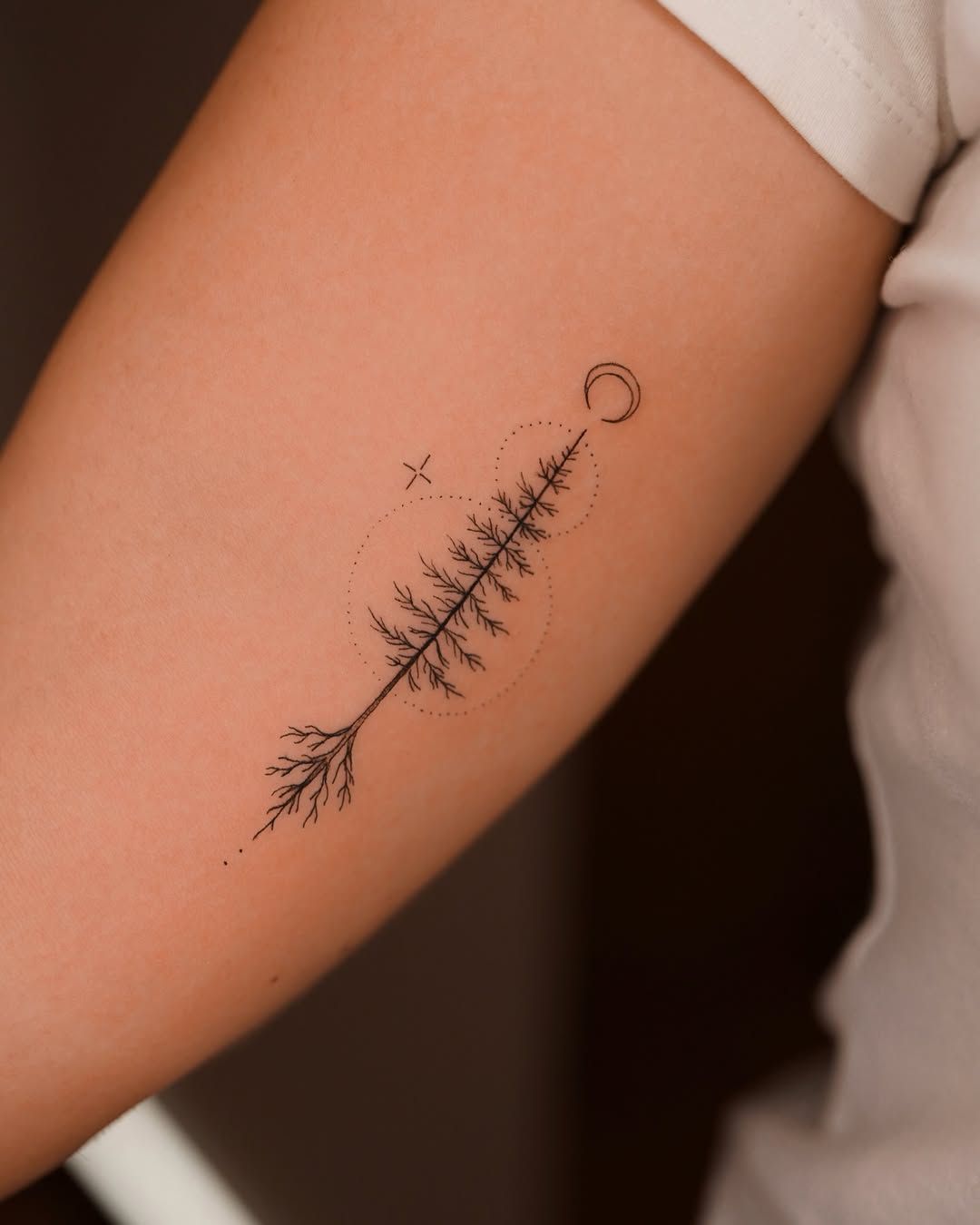
Fineline tattoos are the least forgiving of neglect. The hairline strokes that make them elegant are the same strokes that blur or gap if the skin dries out, gets scratched, or peels unevenly. Keep them consistently moisturised, especially during the itch phase, and stay out of the sun until week six.
Micro realism pieces carry dense shading that retains heat longer in the first 48 hours. The area may feel warmer than a lighter piece would. That's expected, but it's worth keeping an eye on. If warmth and redness persist past day three and spread beyond the tattoo's edges, contact the studio.
Geometric tattoos are built on precision. If the stencil sits 2mm off-centre on a mandala, you'll see it every time you look at the piece. The same is true of patchy healing: a line that heals unevenly on a geometric piece reads as a mistake in the design, even when the design was perfect. Consistent moisture application across the whole piece prevents dry patches from pulling lines as the skin contracts.
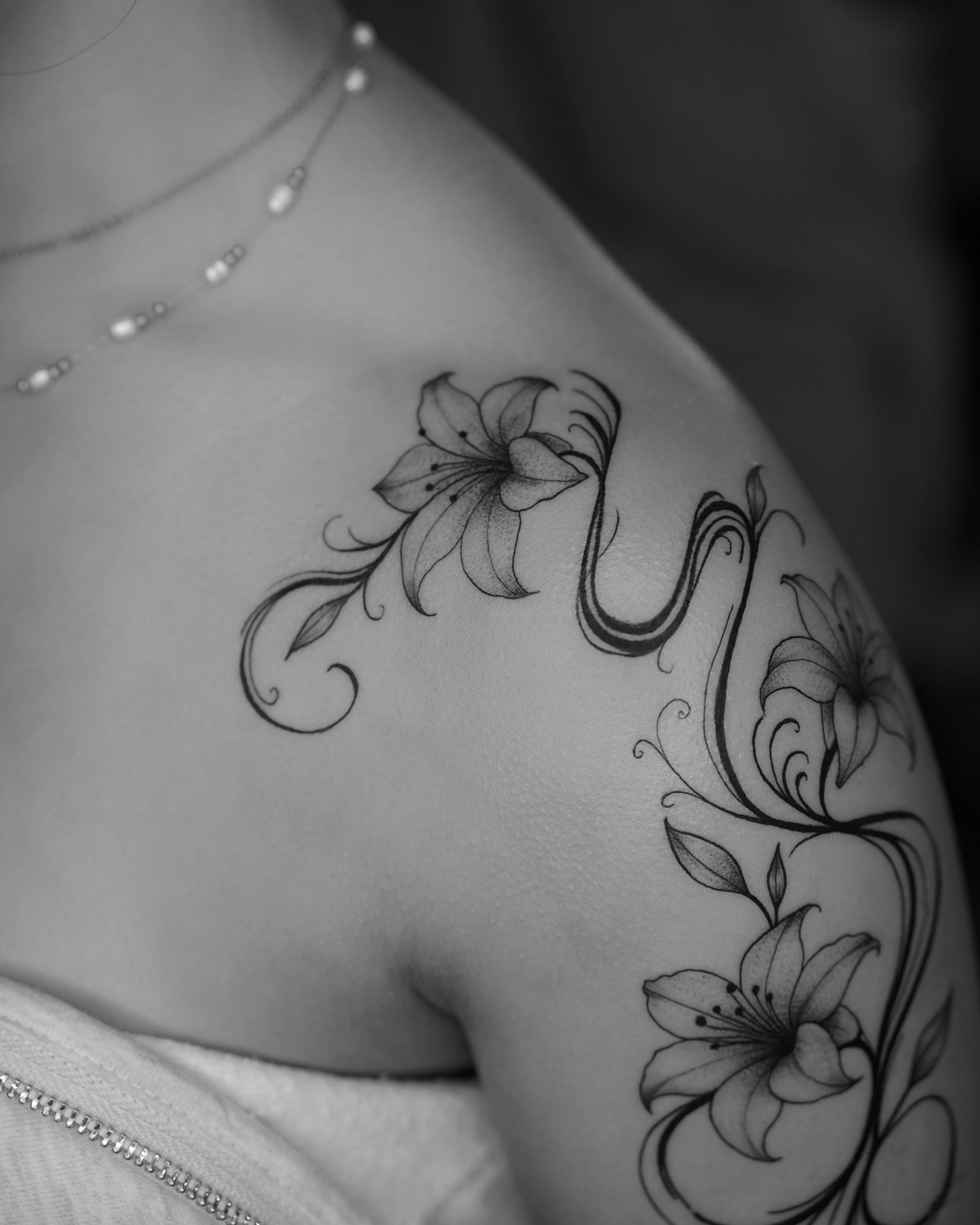
Floral pieces often have subtle gradient work in the petals. Those transitions from light to dark are vulnerable to UV damage early on. A single afternoon of unprotected sun exposure during week two or three can flatten those gradients before they've locked in. Keep them covered or shaded until the six-week mark.
Practical Aftercare at a Glance
Before your appointment, have these ready so you're not scrambling after you leave the studio.
- Unscented, alcohol-free liquid soap (not a bar, which can harbour bacteria)
- Unscented tattoo aftercare cream or fragrance-free moisturiser
- Fresh paper towels for patting dry
- Loose, soft clothing that won't press against the tattooed area
- A plan to avoid sun, swimming and heavy exercise for the first four weeks
"The most common aftercare mistake we see is over-moisturising in the first week. People assume more product means faster healing. It doesn't. A thin layer twice a day does more than a thick one applied six times."
Here's a simple reference for your new tattoo care routine across the first month.
| Day range | What to do | What to avoid |
|---|---|---|
| Day 1 | Keep wrap on per studio instructions; first wash after removal | Getting the wrap wet; submerging the tattoo |
| Days 2-3 | Wash gently twice a day; apply thin moisturiser layer | Hot showers, friction, tight clothing over the area |
| Days 4-10 | Continue washing and moisturising; let peeling happen naturally | Picking, scratching, gyms with heavy sweating |
| Weeks 2-4 | Moisturise daily; keep covered in the sun | Beaches, pools, saunas, sunscreen directly on tattoo |
| Week 6+ | Apply SPF 50 whenever outdoors; assess final result | Prolonged unprotected UV exposure |
Signs that something may need attention rather than standard aftercare: spreading redness beyond the tattoo's edges after day three, increasing warmth rather than decreasing, yellow or green discharge, or a fever. These go beyond normal tattoo healing and warrant a conversation with a medical professional. For everything else, consistent routine covers most of what your skin needs.
For new tattoo care instructions broken down hour by hour, the studio's day-by-day aftercare guide covers the full picture, including what to do if something looks unexpected.
- Remove the wrap at the time the studio specified, not earlier or later
- Wash immediately with lukewarm water and unscented soap
- Pat dry with a fresh paper towel
- Apply a thin, even layer of unscented aftercare cream
- Repeat washing and moisturising twice daily for the first two weeks
- Keep the tattoo out of direct sun and away from pools, beaches and saunas for four weeks minimum
- Begin applying SPF 50 after the six-week mark, consistently, whenever outdoors
Frequently Asked Questions
How often should I moisturise a new tattoo?
Two to three times a day is enough for most people. Apply a thin, unscented layer after washing in the morning, after any shower, and before bed. More frequent application can clog the skin and slow healing, particularly in Lisbon's humid summer months when skin retains moisture naturally.
Can I go to the beach after getting a tattoo in Lisbon?
Not for at least four weeks. Salt water and sand carry bacteria that enter broken skin, and direct sun exposure degrades fresh ink before it settles into the dermis. If you're visiting Lisbon in summer, plan your tattoo appointment early in your trip or after beach days are done.
Is peeling normal and should I help it along?
Peeling is completely normal between days four and ten. The flaking is dead epidermis lifting as the skin rebuilds. Pulling or picking at it removes ink along with the skin. Let it fall away on its own, keep the area moisturised, and resist the itch by tapping rather than scratching.
How long until my fineline tattoo looks fully healed?
The surface closes in two to three weeks, but fine lines continue settling into the dermis for up to six weeks. The final result, including how hairline strokes read against your skin tone, isn't fully visible until around week six. Rushing sun exposure or a touch-up before that window risks distortion.
What sunscreen should I use on a healed tattoo?
SPF 50 or higher, mineral-based if possible, applied every two hours outdoors. Wait until the tattoo is fully healed (around six weeks) before applying sunscreen directly to it. On fresh skin, sunscreen can trap bacteria. Once healed, consistent sun protection is the single most effective way to keep colours and lines sharp long-term.
When is it safe to go back to the gym after a tattoo?
Light activity after 48 hours is usually fine if the tattoo is wrapped and the area doesn't stretch significantly. Avoid heavy sweating, friction from equipment, and any movement that pulls the tattooed skin for at least two weeks. Gyms also carry bacteria, so keep fresh ink covered until the surface has fully closed.