Most tattoo problems don't start in the studio. They start in the bathroom, six hours later, when you're not sure whether to take the wrap off yet. Good tattoo aftercare instructions matter because healing is where the work either holds or falls apart. The ink is in your skin. What you do next decides how it looks in a year.
The First Two Hours Still Matter
When you leave the studio, your tattoo is wrapped. The type of wrap makes a difference. Cling film is the older method: it protects the fresh wound from bacteria but needs to come off within two to three hours. Second-skin (sometimes called Saniderm or a similar breathable adhesive film) is a medical-grade wrap that can stay on for 24 to 72 hours, depending on how your skin responds underneath it.
The studio will tell you exactly which wrap you're leaving with and how long to keep it. Follow that instruction precisely. Leaving cling film on overnight traps plasma and creates a warm, moist environment that bacteria enjoy. Removing second-skin too early skips its main benefit: letting the initial ooze collect away from the skin surface.
When it's time to remove the wrap, do this: wash your hands first. Then peel the wrap back gently under lukewarm running water if it's sticking. Rinse the tattoo with lukewarm water and a small amount of unscented liquid soap. No washcloth, no sponge. Use your clean fingers only. Pat dry with a fresh paper towel and let the skin air for three to five minutes before applying anything. No rubbing, ever.
Days 1 to 3: Keeping It Clean Without Over-Washing
How to Wash a New Tattoo
Wash the tattoo once or twice a day with unscented soap and lukewarm water. Morning and evening is the right rhythm for most people. More than that strips the natural oils your skin is already producing to begin repair. If you've been sweating or if something has touched the tattoo, an extra rinse with plain water is fine, but keep soap use to twice daily.
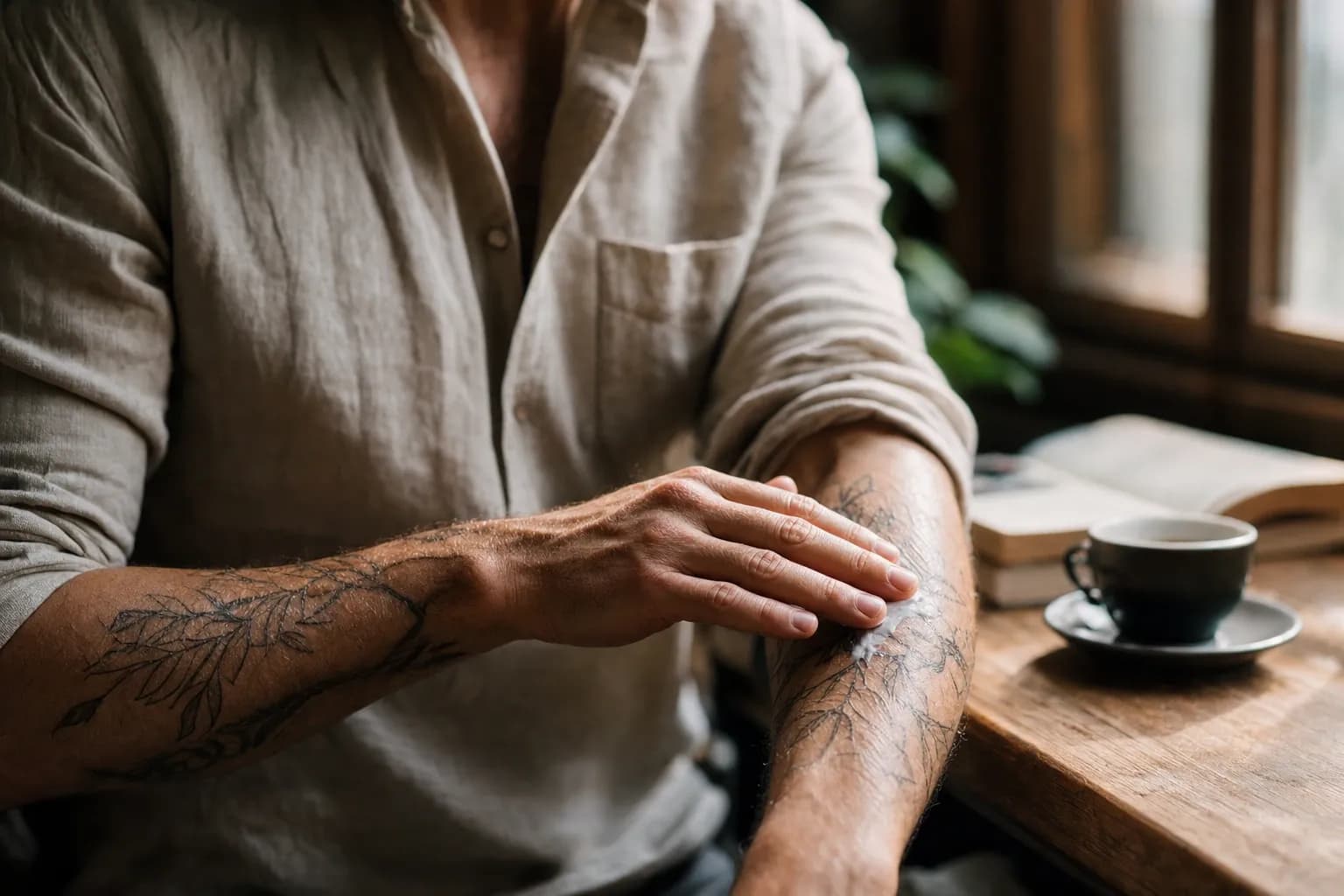
After washing, apply a very thin layer of fragrance-free aftercare cream. Thin means you can still see the tattoo clearly through it. A thick layer doesn't moisturise better; it blocks the skin from breathing and can pull pigment out as it sits. If you're unsure which product to use, the guide on choosing the right aftercare cream covers exactly what to look for and what to avoid.
What Normal Looks Like (and What Isn't)
In the first 48 hours, expect some oozing of a clear or faintly yellow fluid. That's plasma, not infection, and it's the skin's normal response to any wound. Light redness and warmth around the tattoo are also normal in this window. By day three or four, the plasma ooze stops for most clients and the skin starts to feel tighter.
What isn't normal: a red border that spreads beyond the tattoo edges and grows wider over hours. Swelling that doesn't reduce. Yellow or green discharge that smells. Skin that feels hot to the touch 48 hours in rather than cooling down. If you see any of those signs, contact a healthcare professional. Don't wait to see if it improves.
Days 4 to 14: The Peel, the Itch, the Temptation
Why You Must Not Pick or Scratch
Around day four or five, the skin begins to peel. This is the epidermis (the outermost layer of skin) renewing itself over the wound. It's healthy and expected. The problem is that the dead skin lifting away sits directly on top of the ink layer. Pick at it and you lift pigment with it, pulling colour out of lines that haven't fully anchored yet.
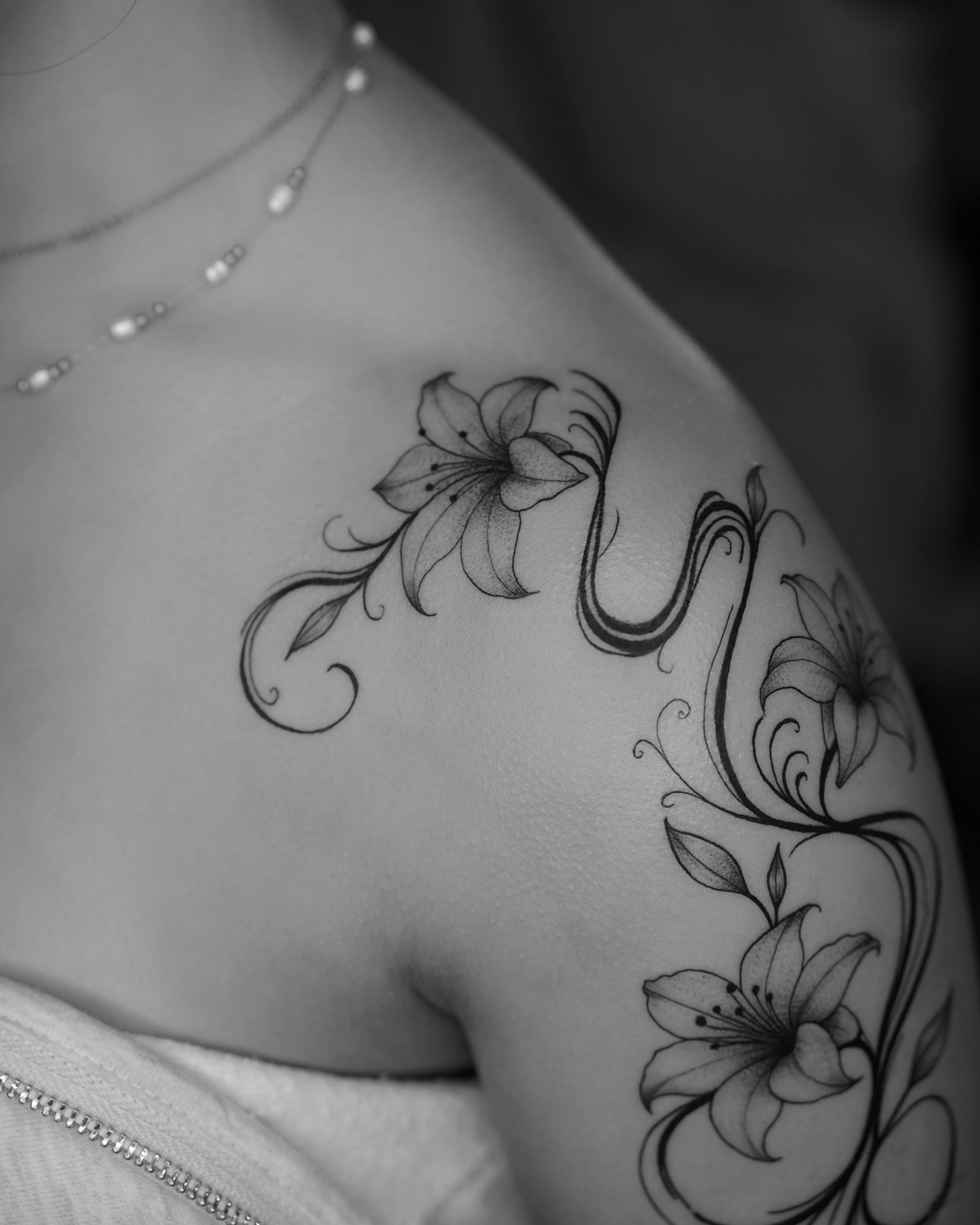
Patchy healed lines in fineline and micro realism work almost always trace back to picking during this window. The itch is real. The answer is a light tap with a clean finger, never a scratch. Keep the skin moisturised and the itch becomes easier to manage.
Moisturising Rhythm in This Phase
Two to three times a day is the right frequency for moisturising during the peel phase. Apply after washing, and once more mid-afternoon if the skin feels tight. Over-saturating, meaning applying cream every hour because it feels better, keeps the skin too wet and slows the peeling process down rather than helping it along.
Lisbon summers are humid, especially near the river in areas like Cais do Sodré or Alfama. That ambient moisture can make your skin feel less dry than it actually is. Don't skip moisturising just because the air feels damp. Sweating, on the other hand, does aggravate fresh tattoos. If you're out in the August heat or doing anything physical, rinse the area with clean water and reapply a light layer of cream afterward.
For a detailed breakdown of what your skin is doing week by week at the cellular level, that guide goes deeper into the biology behind each phase.
Weeks 3 to 6: The Invisible Phase
By week three, the surface looks healed. The peeling has stopped, the redness is gone, and the tattoo feels smooth. But the dermis, the deeper skin layer where ink actually lives, is still consolidating the pigment. This is the phase most people ignore, and it's where sun damage does the most lasting harm.
No sun directly on the tattoo while it's fresh. Once the surface has closed and you're past the three-week mark, SPF 50 every time you're outdoors. Lisbon gets strong UV year-round, not just in summer. A ten-minute walk through Príncipe Real at midday in October still matters. Sunscreen on healed tattoos preserves saturation and keeps lines crisp for years longer than unprotected ink.
No swimming for at least three to four weeks minimum, and only when the skin is fully closed, not peeling, and not tender. The Atlantic off the coast near Cascais and the pools in Lapa both carry the same risk: salt water and chlorine irritate healing skin and leach pigment before it has fully settled. If your tattoo still feels tight or looks shiny, it's not ready. Add another week.
You can start judging the actual result of your tattoo around the seven-to-eight-week mark. Before that, you're seeing the skin in transition, not the finished piece. The full healing timeline explains why that window matters and what changes are still happening beneath the surface long after it looks done.
Style-Specific Notes: Fineline, Micro Realism and Floral Tattoos
Not every tattoo heals the same way. Style and placement change the experience significantly, and knowing what to expect prevents a lot of unnecessary worry.
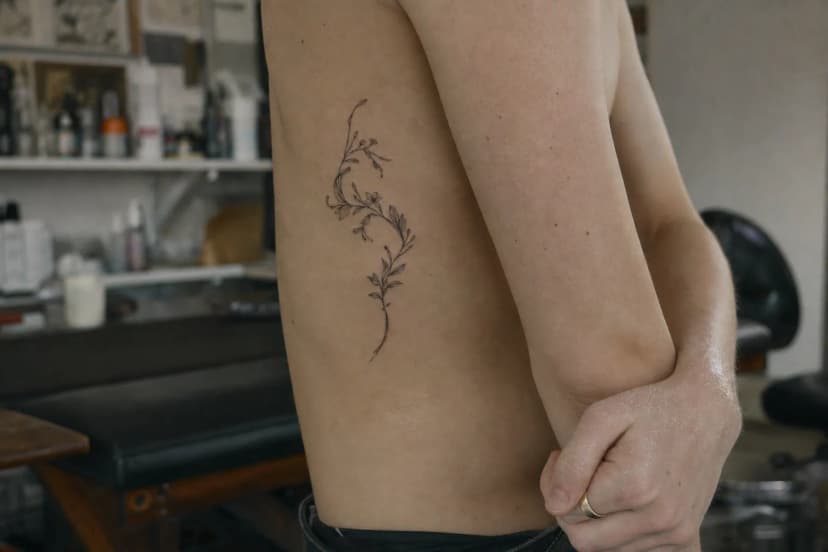
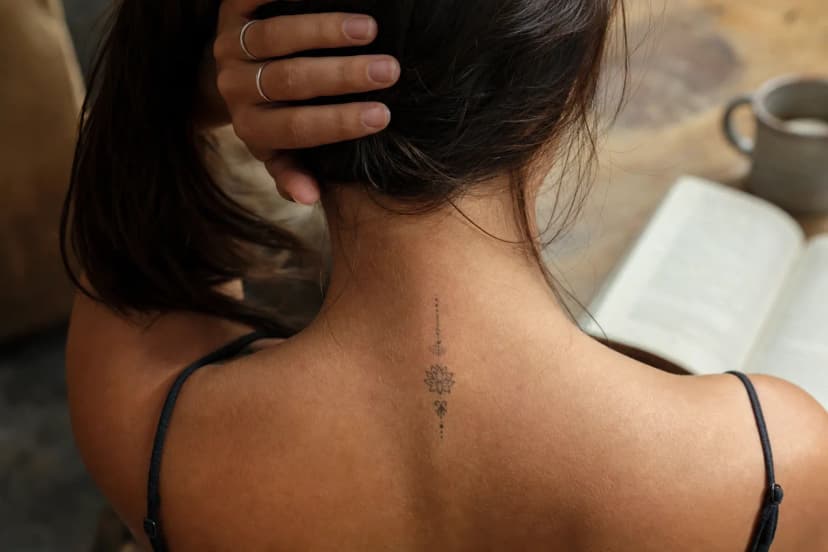
Fineline tattoo work uses very fine needles to deposit small amounts of ink in tight, precise lines. During the peel phase, that detail can look hazy or slightly blurred, like the lines have spread. They haven't. That milky appearance is the dead skin sitting over the ink. It clears once the peeling resolves, usually by week three. Don't judge a fineline piece at day ten.
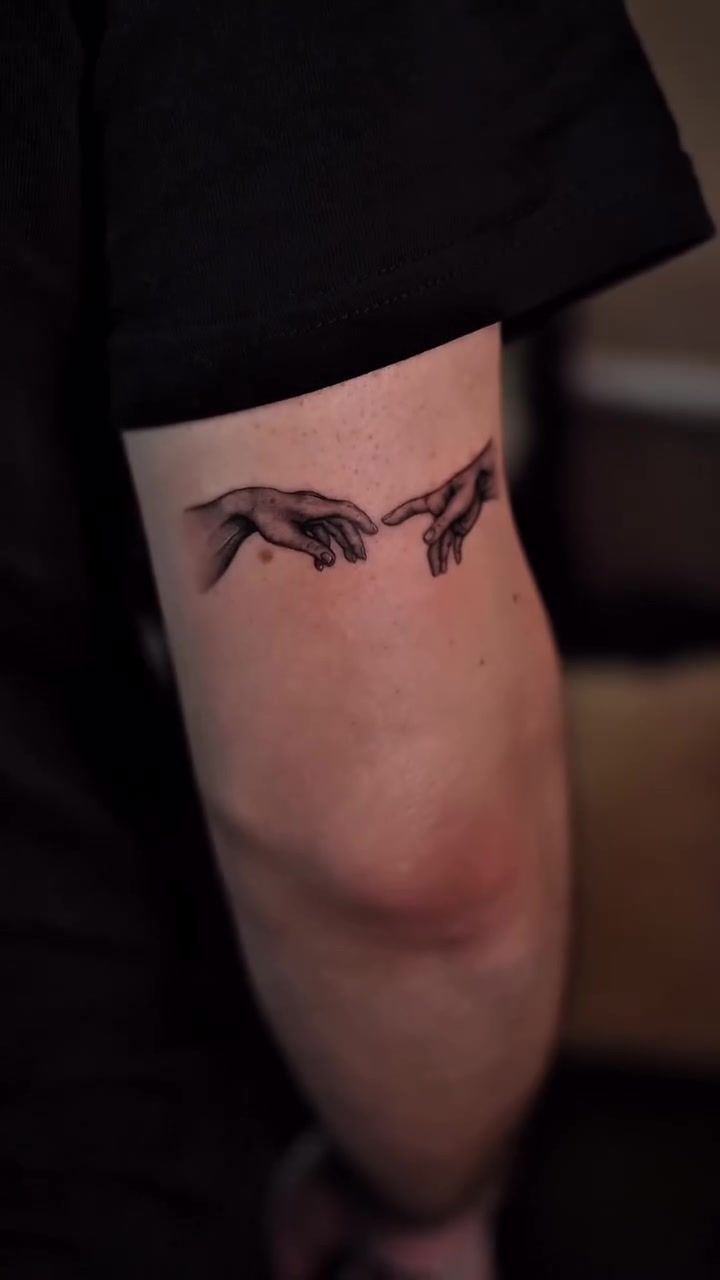
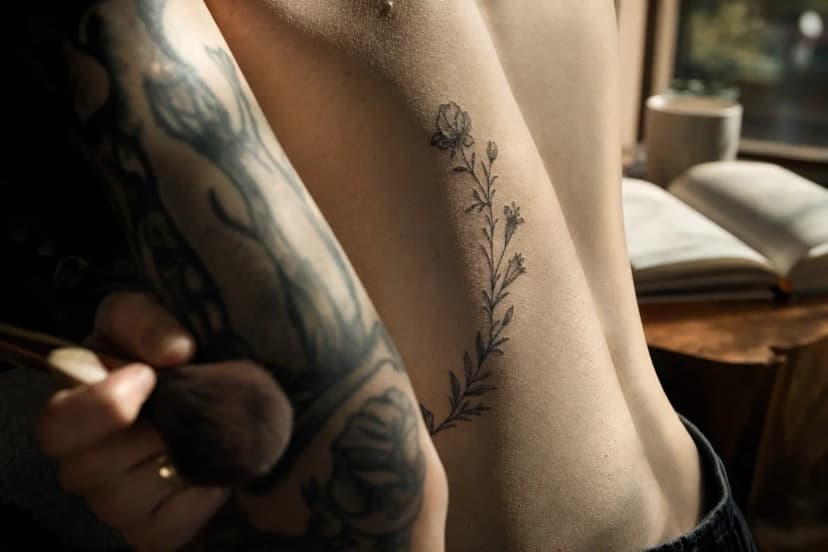
Micro realism follows the same pattern. The shading that creates depth looks muddy during weeks one and two. Floral tattoos with soft gradient shading can look similarly muted while the skin is peeling. Both styles clear substantially once healing completes. The studio's approach is always to schedule a check-in at the eight-week mark if you have any concerns about how a detailed piece has settled.
Placement also changes how a tattoo heals. Inner arm skin is thinner and more reactive than outer arm skin. The ribcage flexes constantly, which slows healing there. The thigh is generally forgiving but prone to friction from clothing. Understanding how placement affects healing and longevity before you sit down can shape where you put a piece as much as aesthetic preference does.
What to Avoid: A Practical Checklist
A straightforward new tattoo care routine mostly comes down to what not to do. The skin does the healing. Your job is to stay out of its way.
- Direct sunlight on fresh ink at any point before the surface has fully closed
- Soaking in a bath, pool, ocean, or any body of water for the first three to four weeks minimum
- Tight clothing that rubs or compresses the tattoo site throughout the healing period
- Gym sessions involving heavy friction, equipment contact, or soaking sweat over the piece in the first two weeks
- Picking, scratching, or peeling the skin at any point, even when it's lifting visibly
- Applying Vaseline, coconut oil, or heavily fragranced body lotion to fresh ink (all either too occlusive or too irritating)
- Shaving over the tattoo until it's fully healed
The table below maps each healing phase to what is and isn't safe. Use it as a quick reference during the weeks after your session.
| Healing Phase | Duration | Safe | Avoid |
|---|---|---|---|
| Initial wound phase | Days 1 to 3 | Gentle washing twice daily, thin moisturiser layer, loose breathable clothing | Sun, swimming, gym, tight fabric, scratching |
| Peel phase | Days 4 to 14 | Moisturising 2-3x daily, light walking, indoor activity | Picking, soaking, friction, direct sun, heavy exercise |
| Surface healing | Weeks 3 to 4 | Normal daily activity, SPF 50 outdoors, light gym (avoiding tattoo contact) | Swimming, prolonged sun without SPF, shaving over tattoo |
| Dermal settling | Weeks 5 to 8 | Swimming (if fully closed), gym, normal skincare routine with SPF | Tanning beds, prolonged sea exposure without SPF protection afterward |
"The surface looks healed long before the ink has finished settling. That invisible phase, weeks three through seven, is when most people stop caring for their tattoo. It's also when sun and friction do damage that shows up a year later."
If you want more detail on any of these restrictions and the reasoning behind them, the Healthline tattoo aftercare guide covers the general wound-care science clearly.
The fundamentals of how to care for a new tattoo don't change much between styles. But if you're healing a particularly detailed or large piece, following your specific aftercare sheet from the studio takes priority over any general guide, including this one. Every skin type heals differently, and tattoo aftercare in Lisbon carries its own seasonal considerations that the studio factors in at your consultation.
- Keep the wrap on for the time the studio specified, then remove it cleanly
- Wash twice daily with unscented soap and lukewarm water for the first two weeks
- Apply a thin, fragrance-free moisturiser after each wash and once more mid-day if needed
- Keep the tattoo out of direct sun until it's fully closed, then use SPF 50 every time you go out
- Stay out of the ocean, pool and bath until the skin is fully closed and past the peel phase
- Judge the finished result at the seven-to-eight-week mark, not before
Frequently Asked Questions
How often should I wash my new tattoo?
Wash your new tattoo once or twice a day using an unscented, gentle soap and lukewarm water. More than that strips the natural oils your skin needs to repair itself. Once in the morning and once in the evening is usually enough. Always pat dry with a clean paper towel, never a reused cloth.
Can I put Vaseline on my tattoo?
Vaseline is too occlusive for fresh tattoos. It creates a thick barrier that traps moisture and stops the skin from breathing, which can pull pigment out during healing. Use a thin layer of unscented, tattoo-specific or fragrance-free aftercare cream instead. A little goes a long way on fresh ink.
When can I go to the beach after getting a tattoo in Lisbon?
Wait at least three weeks before entering the ocean, and only if the skin is fully closed and past peeling. Lisbon's Atlantic coast is nearby and tempting, but salt water irritates healing skin and can draw pigment out before it anchors into the dermis. If your tattoo still feels tight or looks shiny, it needs more time.
How long does a tattoo take to fully heal?
The surface skin typically closes within two to three weeks, but the dermis takes considerably longer to fully settle the pigment. Fine line and micro realism work in particular can look slightly hazy until that deeper healing completes. A good rule: judge your tattoo's result at the seven-to-eight-week mark, not before.
What does an infected tattoo look like?
Some redness and tenderness in the first two days is normal. Signs that something is wrong include a spreading red border around the tattoo, hot skin that doesn't cool down after 48 hours, yellow or green discharge, and fever. If you see any of these, contact a healthcare professional promptly rather than waiting it out.
Is it normal for a tattoo to look dull after it peels?
Yes, completely normal. This is one of the most common tattoo healing tips to remember: the top skin layer peeling off sits over the ink, giving it a milky or faded look during and just after the peel phase. Once that layer fully sheds and the dermis settles over the following weeks, the contrast and crispness come back through.