Why Your Choice of Cream Matters More Than You Think
A fresh tattoo is an open wound sitting in the dermis, the second layer of skin where ink bonds permanently. What you put on it in the first two weeks directly affects how lines settle and how well colour retains long-term. This is not a detail.
A too-thick layer of balm on day one is one of the most common self-inflicted healing mistakes the studio sees. It traps moisture, creates a warm environment where bacteria thrive, and can drag ink toward the surface before it has bonded. Getting the product and the application right is as important as the session itself.
The Three Healing Stages and What Your Skin Needs at Each One
Each stage of healing has different moisture requirements. Matching your product to the phase is the whole game. If you want to understand what your skin is actually doing week by week, that guide goes deeper into the biology behind each phase.
Days 1-3: The weeping stage
Your skin is oozing plasma and releasing excess ink. This is normal. During this window, the priority is keeping the area clean, not moisturised. A light, breathable wrap or a second-skin bandage (the kind many artists apply in-studio) does more good than any cream at this stage. If you remove the wrap and the skin still looks wet, pat it dry and wait before applying anything.
Days 4-14: The peeling and itching stage
This is when a good healing product earns its place. Apply a fragrance-free, lightweight moisturiser in a thin film two to three times daily, after each gentle wash. The itching you feel is surface skin regenerating. Don't scratch. Don't pick. A light layer of the right product relieves the itch without smothering the skin.
Weeks 3-8: The settling stage
The surface looks healed. It isn't, not fully. The dermis is still bonding ink beneath the surface for up to eight weeks after the session. Apply a light moisturiser once daily during this period. Skipping it entirely too early is what leads to premature fading, particularly in fineline and micro-realism work where every line counts.
What to Look For in a Healing Cream
Ingredients that help
- Panthenol (pro-vitamin B5): a humectant, meaning it draws moisture into the skin from beneath rather than sealing it airtight from above. It keeps the healing tissue hydrated without suffocating it.
- Shea butter: a non-comedogenic emollient (softens without blocking pores) that works well on tattooed skin once the weeping stage ends.
- Sunflower seed oil: lightweight, absorbs quickly, and supports the skin barrier without leaving a heavy residue.
- Allantoin: soothes irritation and supports cell renewal during the peeling phase.
Ingredients to avoid
- Fragrance and parfum: even natural scents can trigger contact dermatitis on healing skin. Avoid them entirely for the first four weeks.
- Alcohol (ethanol or isopropyl): dries and strips the skin barrier at exactly the moment it needs support.
- AHA and BHA exfoliants: glycolic acid, salicylic acid and similar actives actively resurface skin. That is the last thing a healing tattoo needs.
- Lanolin: derived from sheep's wool, it's a relatively common allergen. Introducing it during healing is an unnecessary risk.
- Heavy petroleum jelly in thick layers: as an occlusive (forms a physical barrier on the skin surface), it blocks gas exchange and can trap bacteria when applied generously.
| Product type | Breathability | Best stage | Main risk |
|---|---|---|---|
| Petroleum jelly (thin layer) | Low | Brief friction protection only | Traps bacteria if over-applied |
| Dedicated tattoo balm (e.g. Inktrox) | Medium-high | Days 4 through week 4 | Over-application still possible |
| Light unscented moisturiser | High | Days 4 through week 8 | Check ingredients for hidden fragrance |
| Sun cream | Variable | Healed skin only (week 8+) | Chemical filters irritate open skin |
How the Studio Recommends Using Aftercare Cream
The studio has a preferred product it recommends to most clients. Read our full guide to Inktrox aftercare cream for the detailed breakdown of why it works well for Lisbon's climate and the studio's typical styles.
On application quantity: think of what's called the rice-grain rule. A pea-sized amount, spread across your palm first, then applied as a near-invisible film over the tattoo. You should still be able to see the ink clearly through it. A white paste sitting on the skin means you've applied too much. Wipe some off gently with a clean paper towel.
"Over-moisturising is the mistake we see most often. People assume more cream means faster healing. It doesn't. The skin needs to breathe through this process, and burying it under product slows everything down."
Timing matters too. Apply after the morning wash and after the evening wash, not at random intervals throughout the day. Two applications daily, both after gentle cleansing and thorough patting dry, is the right rhythm for most people.
One Lisbon-specific note: between June and September, the city's humidity means your skin retains more ambient moisture than it would in a drier climate. If you're healing a tattoo during a Lisbon summer, you may genuinely need less product than the instructions on the packaging suggest. Trust how the skin feels, not the clock.
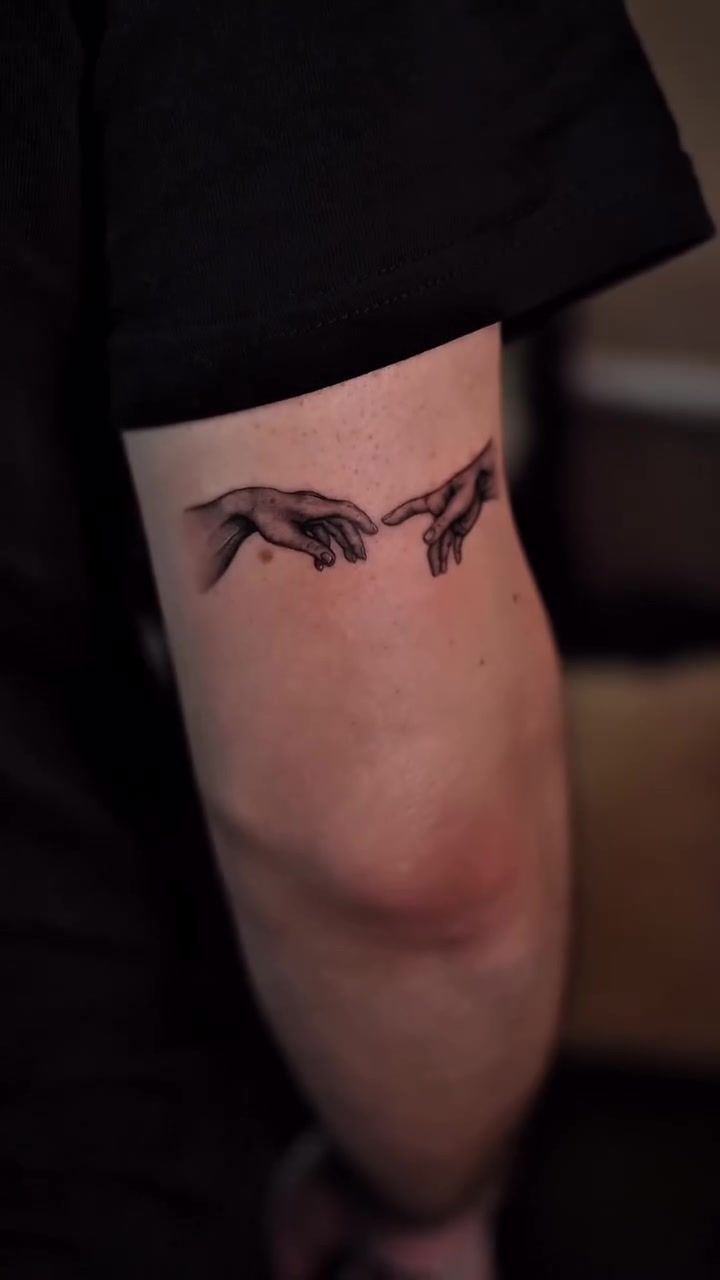
The studio's fineline tattoos and micro-realism pieces are particularly sensitive to over-saturation during healing. Fine lines packed into small areas blur faster than bold realism work when the skin stays wet for too long. If your piece falls into either of these categories, err on the side of less.
Placement Affects Healing. And How Much Cream You Need
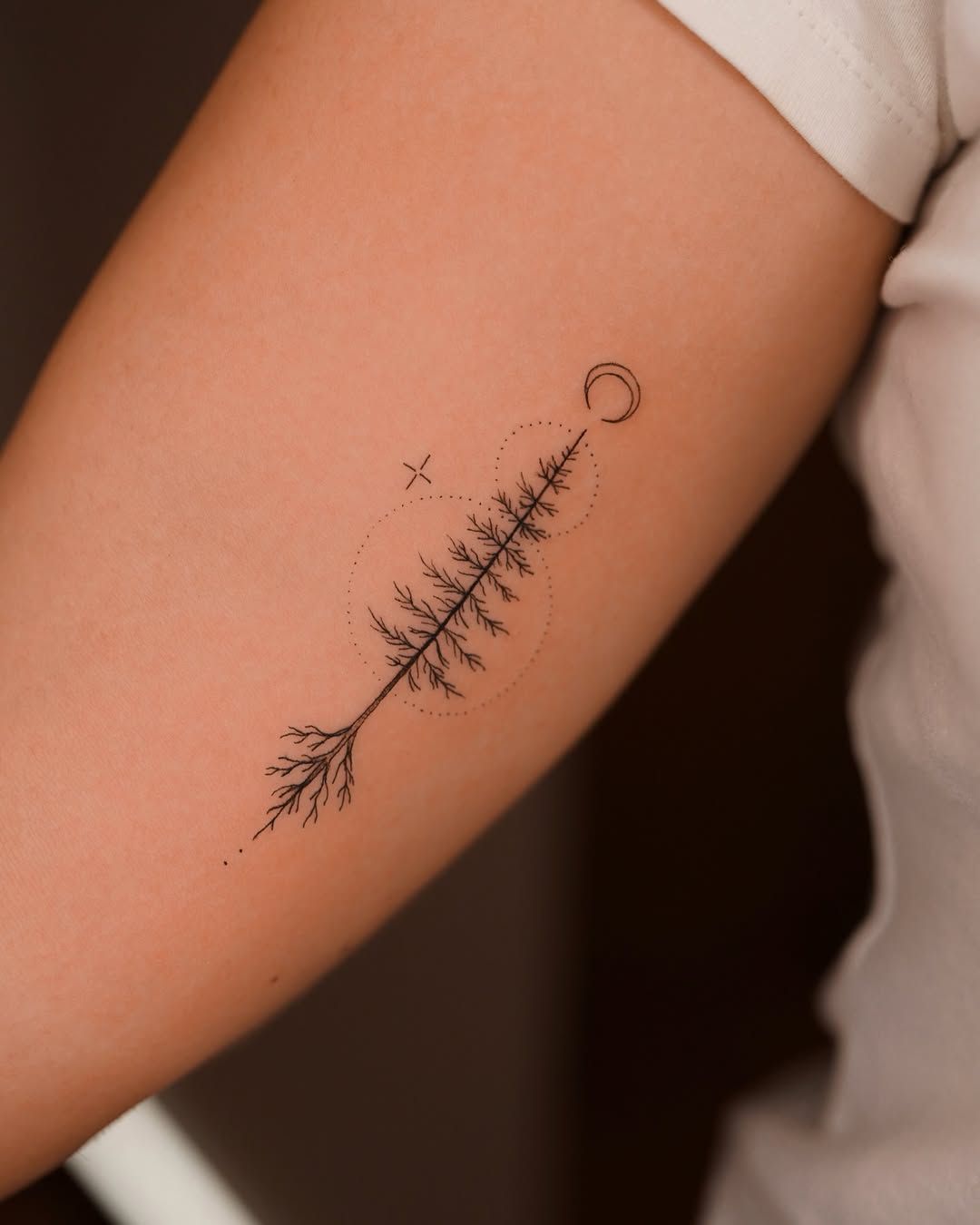
Where the tattoo sits on your body changes how quickly that skin dries out, and therefore how often you need to apply product. Understanding how placement affects the long-term result goes beyond aesthetics; it shapes the entire aftercare routine.
High-friction zones like hands, inner arms and the backs of knees lose moisture faster because they're in constant motion and contact with clothing or other skin surfaces. These areas need more frequent applications, but still in thin layers. Low-friction zones like the upper back and outer thigh retain moisture longer. Less product, longer intervals between applications.
| Placement zone | Typical frequency (days 4-14) | Common problem |
|---|---|---|
| Hands and fingers | 3-4 times daily (thin layer) | Dries and cracks; ink fades at edges |
| Inner arm / elbow ditch | 3 times daily | Friction from bending causes scabbing |
| Forearm | 2-3 times daily | Sun exposure if sleeves aren't worn |
| Outer thigh | 2 times daily | Over-moisturising under tight clothing |
| Upper back / shoulder | 2 times daily | Hard to reach; under-application |
| Ribs / torso | 2 times daily | Clothing friction; fabric lint on cream |
Common Mistakes and How to Avoid Them
- Applying too much product. The skin needs gas exchange to heal. A thick layer of any cream sits on the surface, holds warmth, and creates the kind of moist environment bacteria enjoy. Less is consistently better.
- Switching products mid-heal. A new ingredient introduced at week two is a new potential allergen on compromised skin. Pick one suitable product at the start and stay with it.
- Using sun cream as a substitute in weeks one and two. SPF products contain chemical UV filters designed for intact, healed skin. They're not formulated for open wounds and can irritate or delay recovery. Save the sun cream for week eight onwards.
- Stopping moisturising at week two. The surface feels healed. You stop. But the dermis is still active beneath it, bonding ink for another four to six weeks. Dropping the routine too early contributes to fading and patchy colour in realism and geometric work.
- Applying cream over a still-wet tattoo. After washing, always pat completely dry with a clean paper towel before applying anything. Wet skin plus cream plus a fresh wound is a straightforward path to infection.
Frequently Asked Questions
When should I start applying aftercare cream to a new tattoo?
Wait until after you remove the initial wrap, usually 24 to 48 hours after the session. Wash the tattoo gently with fragrance-free soap, pat it completely dry, then apply a thin film of healing product. Starting too early, before the weeping stops, traps bacteria against the skin and slows the process down.
Can I use Vaseline or petroleum jelly on a fresh tattoo?
A very thin layer works in specific situations, such as protecting a new tattoo briefly from clothing friction. Used thickly or daily, it forms an airtight seal that prevents the skin from breathing and can pull ink toward the surface during the early healing phase. A dedicated fragrance-free balm is a safer everyday choice.
How much cream should I put on a new tattoo?
Less than you think. A pea-sized amount spread across your palm first, then applied as a barely-there film. You should still see the tattoo lines clearly through it. A thick white layer sitting on the skin means you've used too much; wipe the excess off gently with a clean paper towel and don't reapply until the next wash.
How long do I need to use tattoo aftercare cream?
At minimum, through the first four weeks. The skin looks healed by week two or three, but the dermis is still bonding ink beneath the surface for up to eight weeks. Keeping the area lightly moisturised throughout this window helps prevent premature fading and supports crisp line retention, especially in fineline styles.
Does the type of tattoo style affect which cream I should use?
Indirectly, yes. Fineline and micro-realism pieces are sensitive to over-moisturising because ink sits in very fine lines that can blur if the skin stays saturated too long. Larger realism or geometric pieces cover more surface area and may dry out faster. The product type stays the same; the amount and frequency adjusts based on style and placement.