You walk out of the studio with your new piece wrapped in plastic or a second-skin bandage, and almost immediately the questions start. Is the redness normal? Why does it look cloudy? Should it be this itchy? The tattoo healing timeline confuses a lot of people because most aftercare cards give you a list of rules without explaining what your skin is actually doing beneath them. This guide fills that gap, stage by stage.
The First Hours: Wound, Not Art
A fresh tattoo is, biologically speaking, an open wound. The needle has passed through the outer skin layer (the epidermis) thousands of times to deposit ink into the dermis below. The second, deeper layer where the pigment will live permanently. Your body doesn't know the difference between a tattoo needle and a graze on the pavement.
In the first two to six hours, plasma and a small amount of ink weep from the punctures. This is your lymphatic system doing exactly what it should: clearing debris and beginning the repair process. The fluid is usually clear to pale yellow, occasionally tinged with ink. That's normal.
The studio will apply either cling film or a second-skin bandage (a thin, breathable medical film that sticks to the skin). Cling film stays on for two to four hours, then you remove it, wash the tattoo gently, and begin open-air healing. A second-skin bandage can stay on for up to 24 hours. Sometimes longer, depending on the brand used and how your skin reacts. Follow whatever the studio tells you specifically, not a generic internet guide.
When you do wash the tattoo, use lukewarm water and a fragrance-free, alcohol-free soap. Lather gently with clean fingertips, rinse, then pat (never rub) dry with a clean paper towel. Lisbon summers bring real humidity, and that warm, damp air raises the risk of bacteria settling on fresh skin. Keeping the area clean and dry between washes matters more here than it does in, say, a cooler northern climate.
Days 1-3: Redness, Swelling and Weeping
Redness and mild swelling around the tattooed area are acute inflammation. Your body is sending blood flow and immune cells to the wound site. The skin may feel warm and tender to the touch. This is the repair crew arriving.
The ink will look very dark and slightly raised at this point. That's pigment sitting near the surface while the dermis begins to settle. The colour you're seeing now is not the colour you'll have in eight weeks. A thin film of plasma may dry into a light crust on the surface. Leave it alone.
Moisturise with a thin layer of unscented lotion two to three times a day. More product is not better. A thick layer of cream sits on the skin surface and traps heat and bacteria rather than letting the wound breathe. This is also where thick petroleum jelly becomes a problem: it creates an occlusive seal that can slow the skin's natural oxygen exchange and keep the wound environment too wet. Thin and consistent beats thick and occasional.
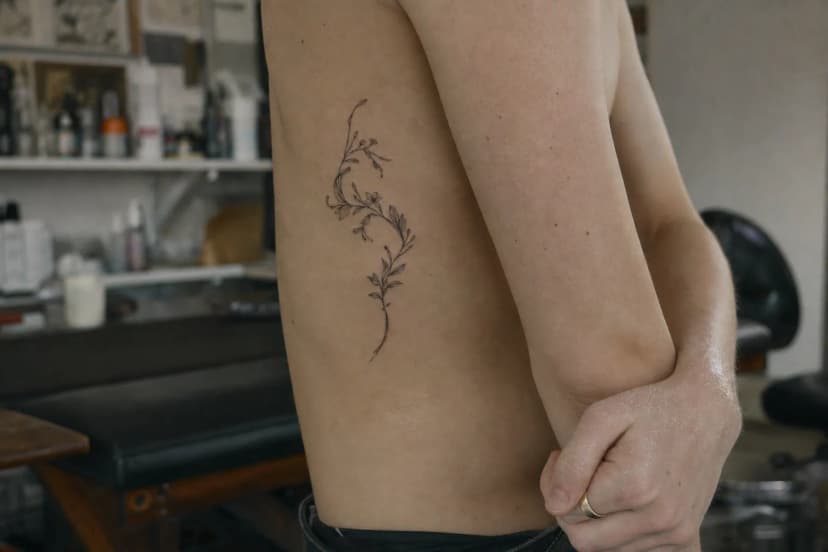
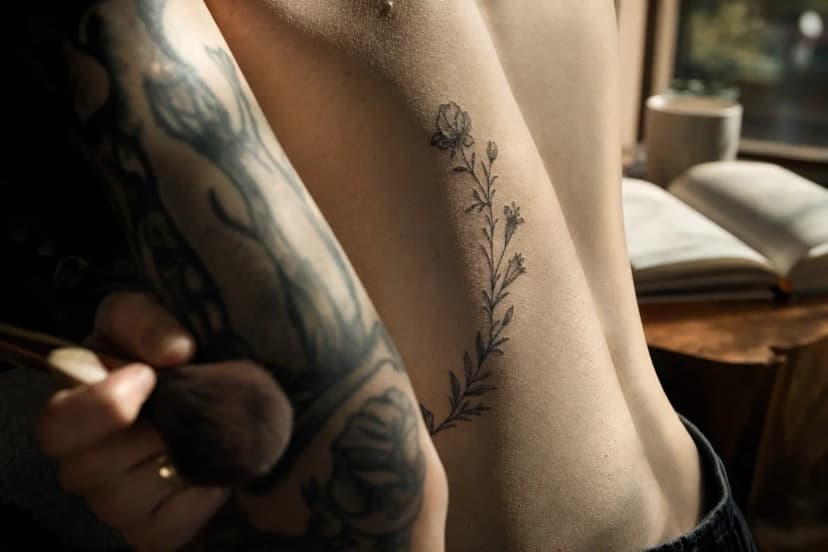
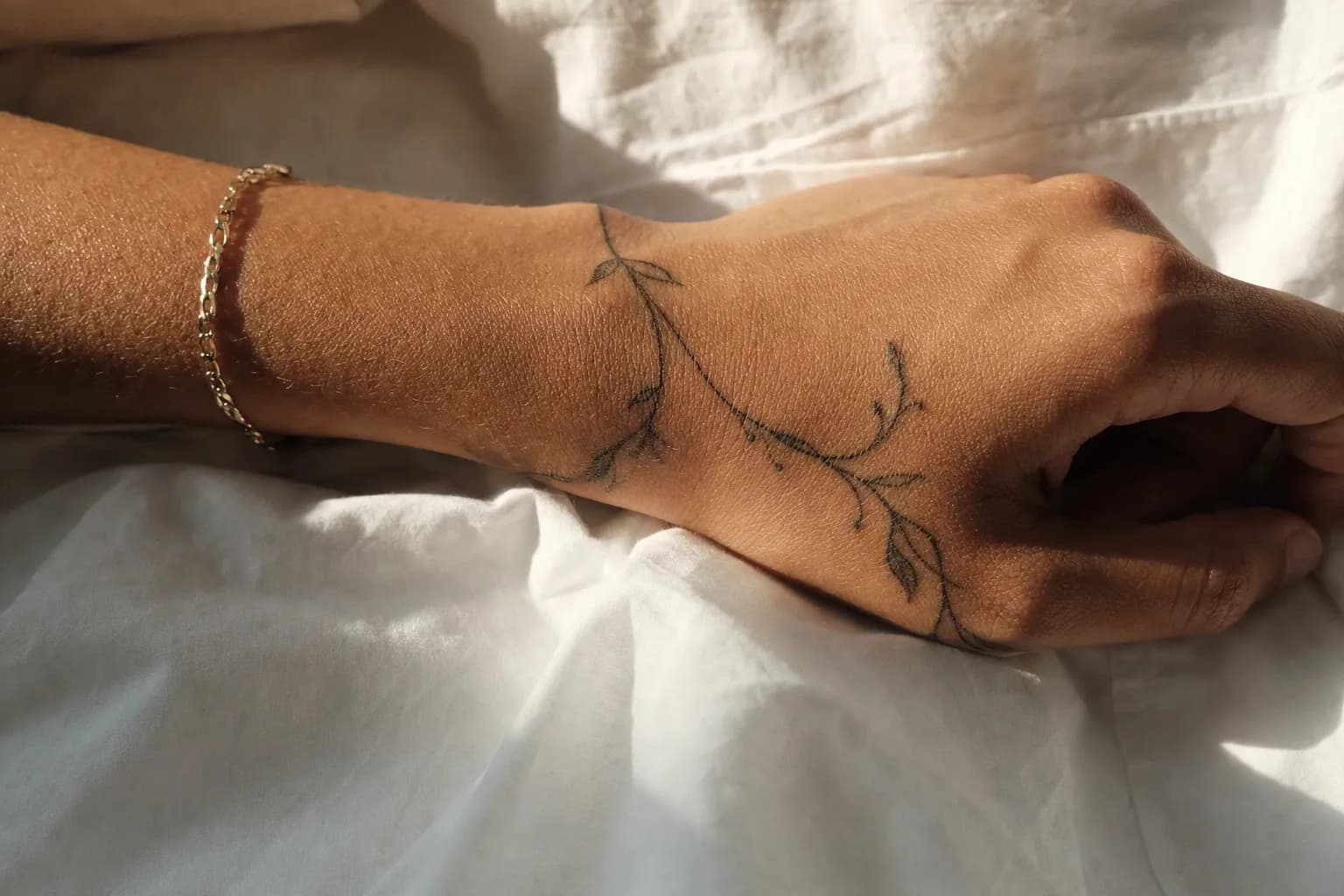
If you have fineline tattooing, pay particular attention here. Single-needle work passes through the skin fewer times per area than heavier styles, so the acute inflammation window is often shorter. Sometimes clearing noticeably by day two. But those fine lines sit closer together and are more vulnerable to distortion if the skin around them is scratched, pulled or soaked too early.
Days 4-7: Peeling Begins
Tattoo peeling and scabbing tend to start somewhere between day four and day six. The outer epidermis sheds in thin flakes, much like peeling after sunburn. Those flakes will often carry colour with them, which looks alarming. The ink is not leaving your skin. The pigment that appears in the flakes was sitting in the very top layer of the epidermis and was never going to be permanent anyway. The colour that matters is the ink already locked into the dermis.
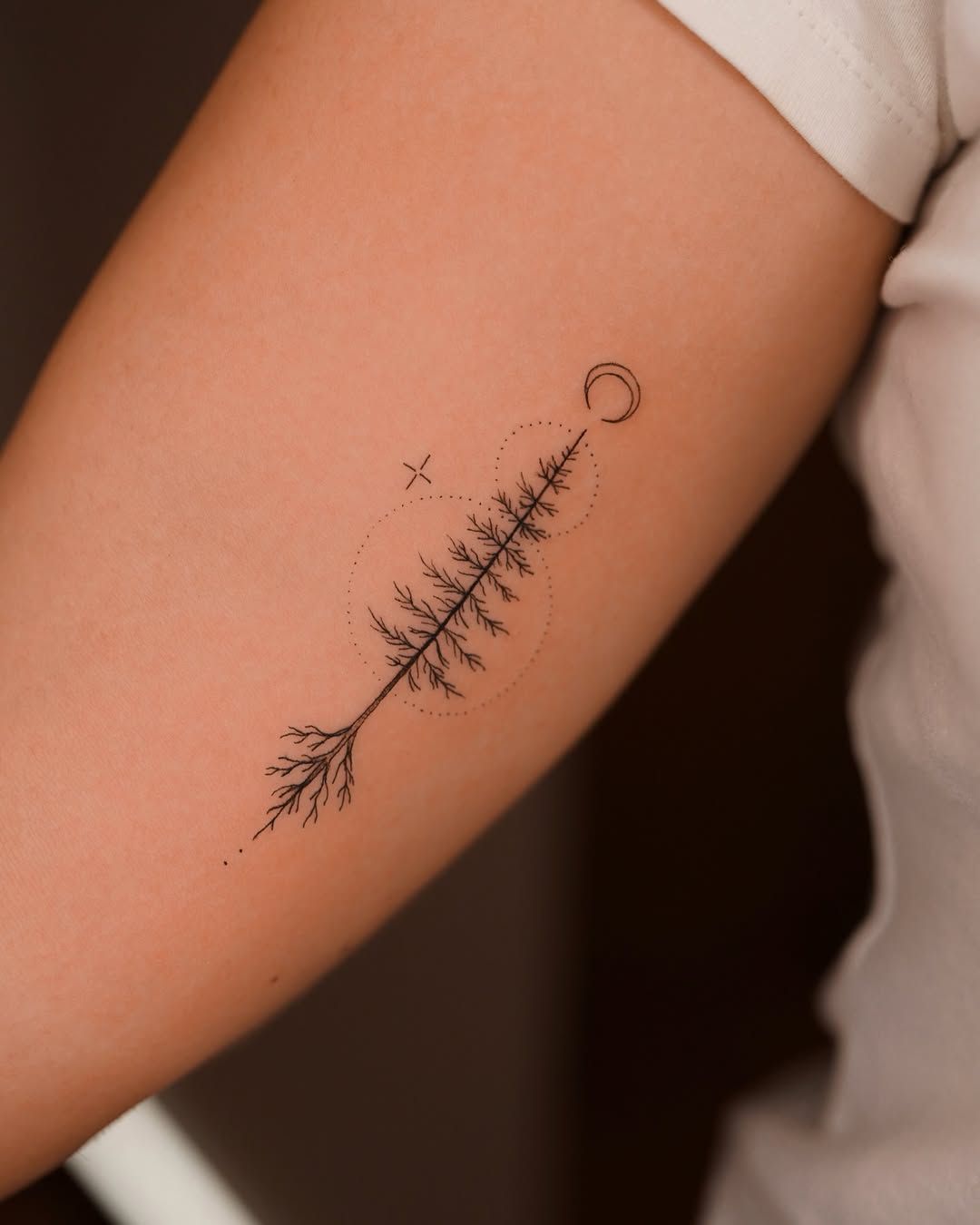
The tattoo may look dull, patchy or faded at this stage. That's the visual effect of dead epidermis lifting away unevenly. The real colour is sitting intact below, waiting for the new skin to clear. Itching is extremely common during this phase and is simply the skin regenerating nerve endings. Tap the area gently if the urge to scratch becomes overwhelming. Never scratch.
Continue your moisturising routine. Avoid soaking completely: no baths, no swimming pool, no ocean. If you're based near Cais do Sodré or anywhere along the Tagus, it's tempting to take a quick dip on a warm evening. But that saltwater and river water carry bacteria, and prolonged soaking softens the healing epidermis and can pull pigment out prematurely. Four weeks minimum before any water immersion.
Know the difference between normal healing and infection. Normal: redness that fades day by day, clear or pale-yellow plasma, mild warmth. Infection: redness that spreads outward beyond the tattoo outline, skin that feels increasingly hot and painful after day three, green or opaque yellow discharge, or fever. If you're seeing those signs, see a doctor rather than waiting.
Weeks 2-4: The Milky Veil
Around week two, most people message the studio convinced their tattoo has faded. It hasn't. What you're seeing is a thin layer of fresh epidermis forming over the design. New skin is slightly opaque, and that opacity sits directly over the ink, giving the whole piece a milky or cloudy look. It's one of the most consistent points of panic in the tattoo healing timeline, and it's completely harmless.
Continue applying a light moisturiser. Sun exposure is still off-limits without SPF 50+ mineral sunscreen. Lisbon's UV index climbs high even in spring, and UV radiation breaks down tattoo pigment faster than almost anything else. By week four, the surface layer has healed for most people. But the deeper dermis is still actively remodelling.
Geometric work and fineline pieces show the milky veil most clearly. Because the lines are fine and precise, any cloudiness over them makes the design look soft or incomplete. It isn't. If you've been reading about what your skin is doing week by week, you'll recognise this phase: new epidermis forming, not ink fading.
Weeks 4-12: Deep Healing and Colour Settling
The surface looks healed. But the dermis. The layer where the ink actually lives. Continues remodelling for up to twelve weeks. Collagen fibres are reorganising around the ink particles. Immune cells are still clearing microscopic debris. This is quiet, invisible work, and it's why the full tattoo healing timeline runs longer than most people expect.
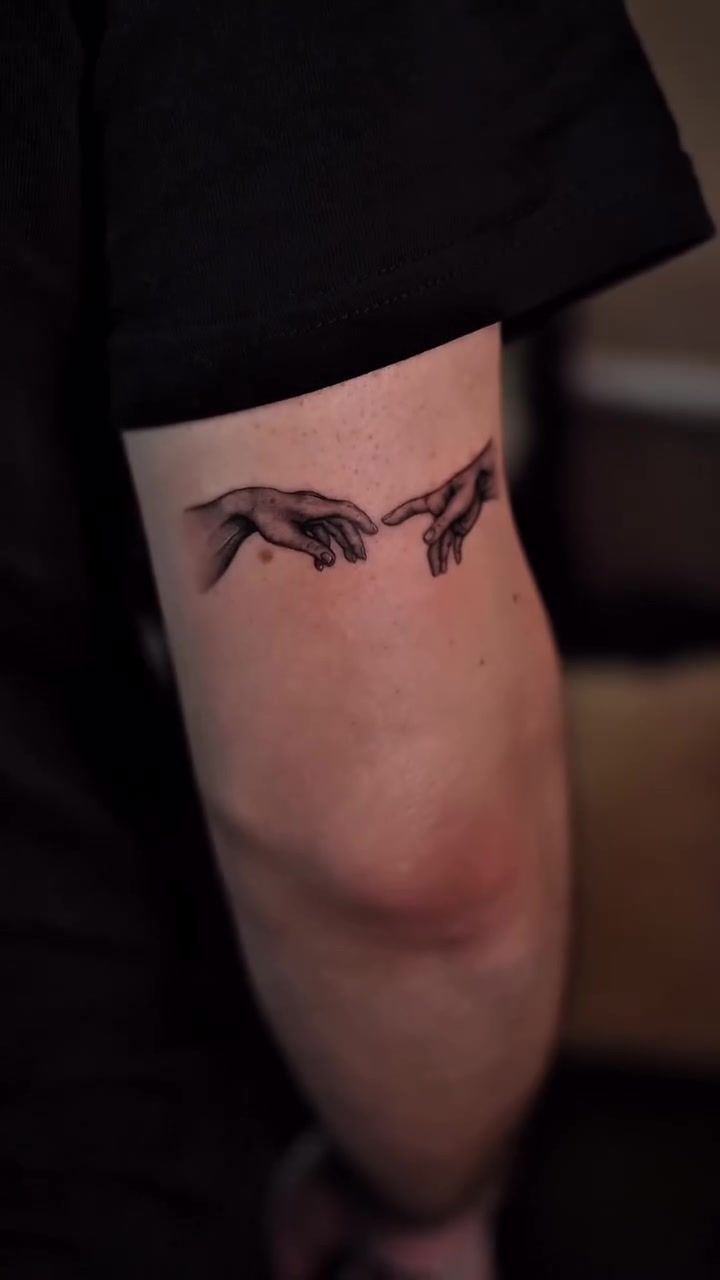
Colours deepen and sharpen as the milky layer fully clears. Contrast returns. By weeks eight to ten, you can see something close to the finished result. This is the earliest point at which it makes sense to assess whether a touch-up is needed. Booking a touch-up at week two. When the piece looks patchy. Is almost always premature.
Sun protection becomes a permanent habit now, not just a healing phase rule. A tattooed area that gets regular, unprotected sun exposure will fade and blur noticeably faster than one that's been protected consistently. For micro realism work in particular, where fine gradients carry a lot of the visual weight, UV damage is the single biggest threat to longevity after the piece has healed.
Healing by Style: How Technique Affects the Timeline
Fineline and Minimalism
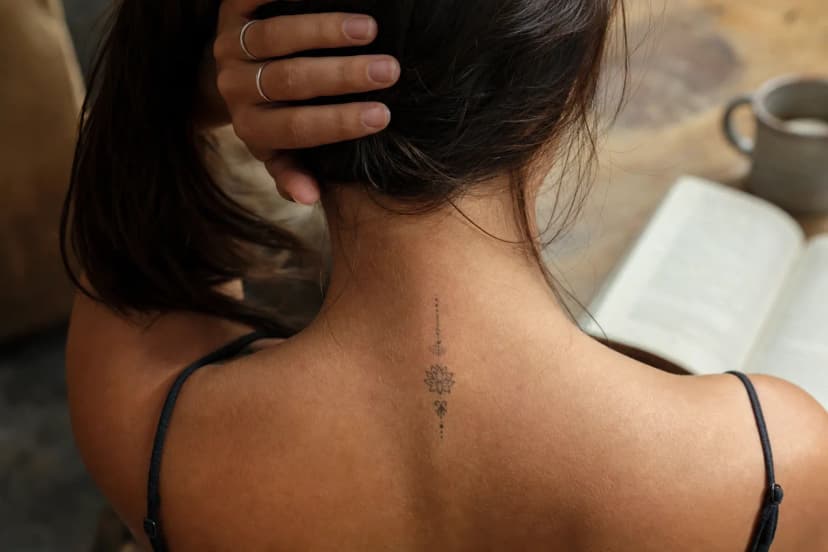
Single-needle fineline work deposits ink with fewer passes per square centimetre than heavier styles. The trauma to surrounding tissue is lower, so the acute inflammation phase is typically shorter. Often wrapping up in two to three days rather than four to five. Fineline tattoo healing time on the surface can feel faster overall.
The trade-off is that the lines are more susceptible to fading if aftercare is poor. A line that's 0.3mm wide has very little margin for pigment loss. Scratching a flake off rather than letting it fall naturally can pull out a small section of a line and leave a gap. This applies equally to minimalist pieces where every stroke is visible and unforgiving.
Realism and Micro Realism
Realism and micro realism work involves multiple passes over the same area to build saturation and tonal depth. More passes means more trauma to the surrounding tissue, which means a longer redness and weeping window. Typically days one to five rather than one to three. The peeling phase can also be heavier, with thicker flakes carrying more surface pigment.
Letting the full deep healing phase complete before assessing results is especially important here. Shading that looks muddy at week three often resolves into clean gradients by week ten as the dermis settles and the milky veil clears. Patience is not passive. It's part of the process.
Geometric
Geometric tattoos live and die by the precision of their lines. A hard, straight line with a scab pulled from it prematurely can show a gap or a soft spot that breaks the geometry of the whole piece. If the stencil sits 2mm off-centre on a mandala, you'll see it every time you look at the piece. And the same logic applies to a segment of line pulled out during healing.
Clean, even peeling is the goal. Moisturise consistently during the peeling phase so the skin lifts gradually rather than forming thick scabs that tempt picking. Read more about what drives the geometry of these designs in what it really takes to get geometric work right.
| Style | Acute phase (redness, weeping) | Surface healed | Deep healing complete |
|---|---|---|---|
| Fineline / Minimalism | Days 1-3 | Weeks 3-4 | Weeks 8-10 |
| Geometric | Days 1-4 | Weeks 3-4 | Weeks 8-10 |
| Realism / Micro Realism | Days 1-5 | Weeks 4-5 | Weeks 10-12 |
| Floral (fineline variant) | Days 1-3 | Weeks 3-4 | Weeks 8-10 |
Practical Aftercare Checklist
A consistent tattoo aftercare routine is what separates a healed piece that looks exactly as intended from one that needs corrective work. The steps aren't complicated, but skipping them during the first two weeks has real consequences.
"The tattoo is finished when you leave the studio. What happens to it over the next twelve weeks is entirely in your hands. The aftercare is the last part of the design process."
- Remove the wrap at the time specified by the studio (two to four hours for cling film; up to 24 hours for second-skin bandage).
- Wash gently with lukewarm water and a fragrance-free, alcohol-free soap. Pat dry with a clean paper towel.
- Apply a thin layer of unscented, alcohol-free moisturiser two to three times a day.
- Avoid direct sun exposure on the tattooed area for at least four weeks. After that, SPF 50+ mineral sunscreen every time you go outside.
- No soaking. Baths, pool, ocean or river. Until the surface layer has fully healed (roughly four weeks).
- Skip the gym for heavy sessions or any activity that causes significant sweating over the tattoo area for at least two weeks.
- Never pick, scratch or peel flaking skin. Let it fall on its own schedule.
Choosing the right product matters too. You can find a detailed breakdown of which aftercare creams actually work and why some common choices do more harm than good. The short version: fragrance-free, alcohol-free, and applied sparingly.
What to avoid and why
- Thick petroleum jelly: seals the surface completely, traps heat and bacteria, and can oversaturate the healing wound.
- Scented lotions or body butters: fragrance ingredients irritate broken skin and can trigger allergic reactions in a fresh wound.
- Alcohol-based products: dry out the skin, which slows peeling and can cause cracking along fine lines.
- Sunbeds: UV radiation from sunbeds is concentrated and breaks down pigment faster than natural sun; avoid them entirely during healing.
- Tight clothing over the tattoo: friction on fresh skin during the peeling phase causes the same damage as picking.
For a deeper look at each stage of what's happening biologically, the full tattoo healing process explained covers the cellular mechanics in plain language.
Frequently Asked Questions
How long does a tattoo take to fully heal?
The surface skin heals in roughly three to four weeks for most people. The deeper dermis layer takes 8-12 weeks to fully settle. You'll see the tattoo's true colour and sharpness only after that deeper healing completes. Fineline work tends to clear faster on the surface; realism and micro realism pieces with heavy saturation take a little longer, often running to week twelve before the result is fully readable.
Is it normal for a tattoo to look faded after two weeks?
Yes, completely normal. Around weeks two to three, a thin layer of new epidermis forms over the design, giving it a milky or cloudy appearance. The ink underneath is intact. As that new skin matures and clears over the following weeks, the colour and contrast return. Don't book a touch-up until at least eight weeks have passed. Most pieces that look faded at week two look sharp by week ten.
Can I go to the beach in Lisbon with a fresh tattoo?
Not within the first four weeks. Saltwater and sand introduce bacteria to an open wound, and prolonged soaking softens healing skin and pulls pigment out prematurely. After week four, when the surface is healed, cover the tattoo with SPF 50+ mineral sunscreen before any sun exposure. Lisbon's summer UV is intense, and that sun protection habit is worth keeping year-round once you're healed.
When is it safe to work out after getting a tattoo?
Light walking is fine from day one. Avoid heavy gym sessions, swimming or activities that cause significant sweating over the tattooed area for at least two weeks. Sweat is salty and bacteria-rich, and repeated stretching of fresh skin over a large muscle group can distort fine lines before they've set properly in the dermis. After two weeks, ease back gradually and keep the area clean after each session.
What does an infected tattoo look like versus normal healing?
Normal healing brings redness, mild swelling and clear or pale-yellow plasma during the first three days. Infection looks different: redness spreading beyond the tattoo outline, skin that feels hot and increasingly painful after day three, green or opaque yellow discharge, and sometimes fever. If you see those signs, see a doctor promptly rather than waiting it out. Early treatment is always simpler than delayed treatment.