A Size That Surprises Most People
Hold a postage stamp against your wrist. That rectangle is roughly 2.5 cm across. A micro tattoo fits inside it comfortably. Most people, when they hear the word "micro", picture something small in a vague sense. The reality is more specific than that.
A micro tattoo generally measures between 2 cm and 5 cm at its widest point. That range matters because both ends behave very differently. A 2 cm piece carries almost no room for tonal complexity. A 5 cm piece can hold a portrait with believable depth and texture.
And micro is not just a synonym for small. A small tattoo can be 8 cm and still feel restrained. Micro refers to a scale where the technique itself changes: finer needles, tighter linework, reduced value ranges. The size and the craft are the same conversation.
The Numbers: What Micro Actually Means in Centimetres
Micro realism vs. Minimalist micro: same size, different demand
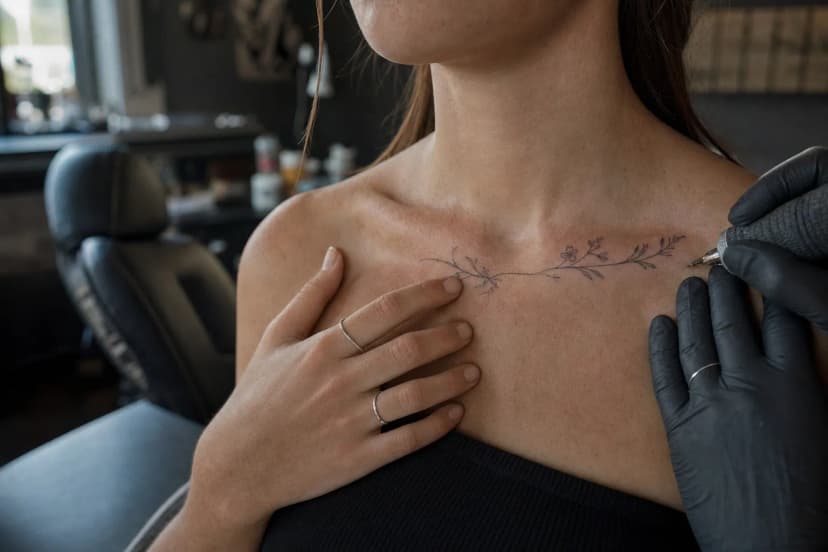
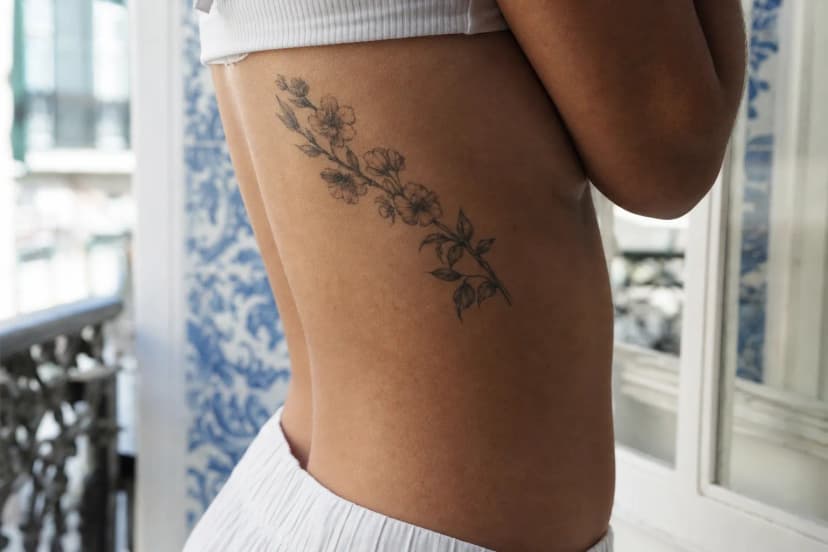
A minimalist micro design, think a single botanical outline or a clean geometric shape, can live comfortably at 2 to 3 cm. There's not much ink on the skin. The lines need to be precise, but the design tolerates the scale because there's nothing to muddy.
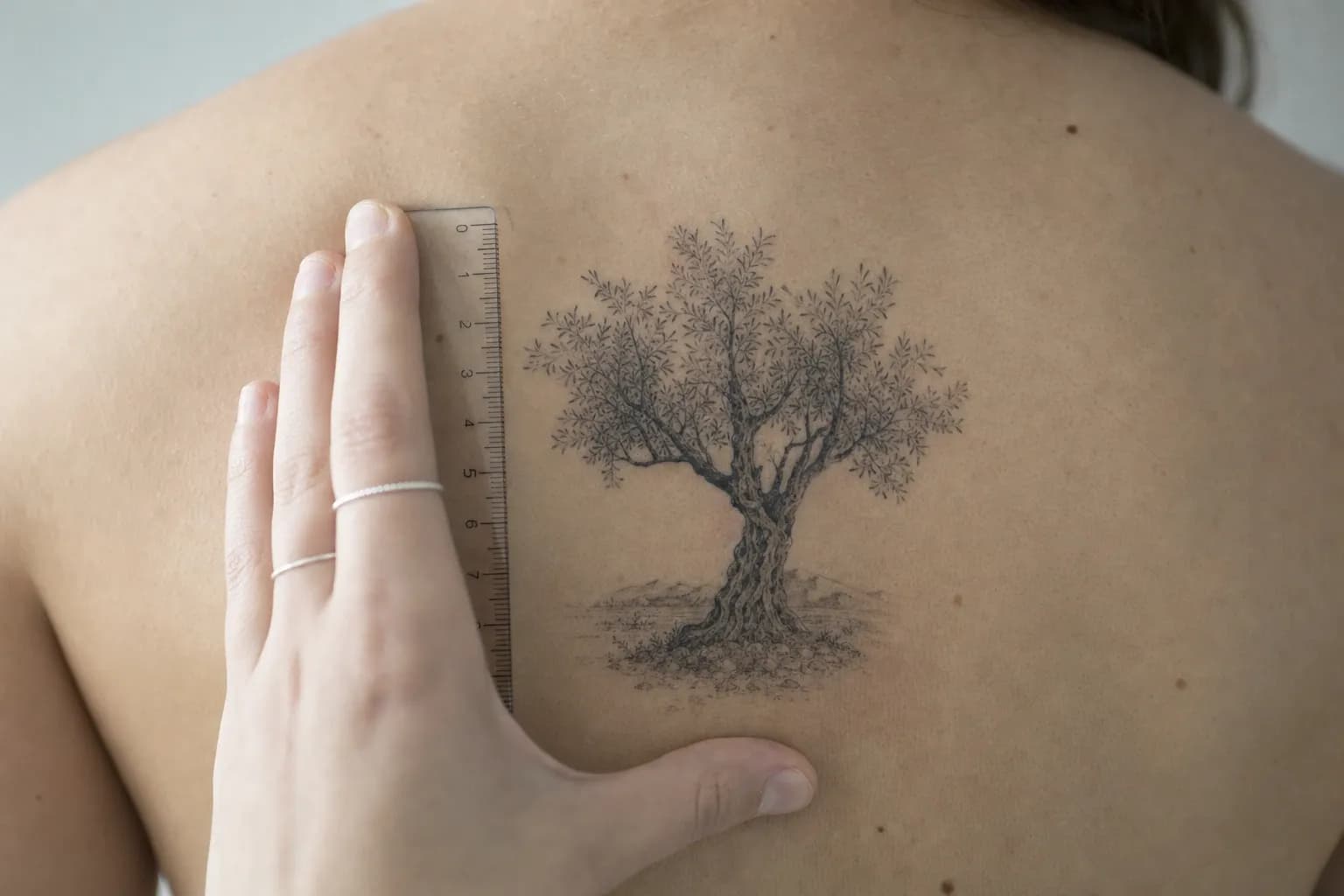
Micro realism is different. To read as photorealistic at small scale, a piece needs value contrast: lights, darks, mid-tones sitting beside each other within millimetres. That level of tonal work needs a little more room. The micro realism sweet spot sits between 3 cm and 5 cm. Below 3 cm, the contrast has nowhere to breathe.
When a design stops being micro and becomes small
Cross 5 cm and you're generally outside micro territory. The techniques shift slightly: more needle configurations become viable, the artist has more room to build gradients. You're in "small tattoo" range, which has its own considerations. The micro realism detail limits are most relevant in that 3-5 cm window, and that's where the craft gets genuinely demanding.
| Size range | Complexity tier | Typical session length |
|---|---|---|
| 2-3 cm | Minimalist / single element | 45-75 minutes |
| 3-4 cm | Micro realism, simple subject | 90 minutes |
| 4-5 cm | Micro realism, portrait or multi-element | 90 minutes to 2 hours |
| 5-8 cm | Small tattoo (not micro) | 2-3 hours |
Why Size and Detail Are Inseparable
The needle gauge reality
At micro scale, the studio works with single-needle (1RL) or a very tight three-round-liner (3RL) configuration. A single needle deposits ink in a stroke about 0.3 mm wide. That sounds impossibly fine, and it is. It's also why the margin for error collapses.
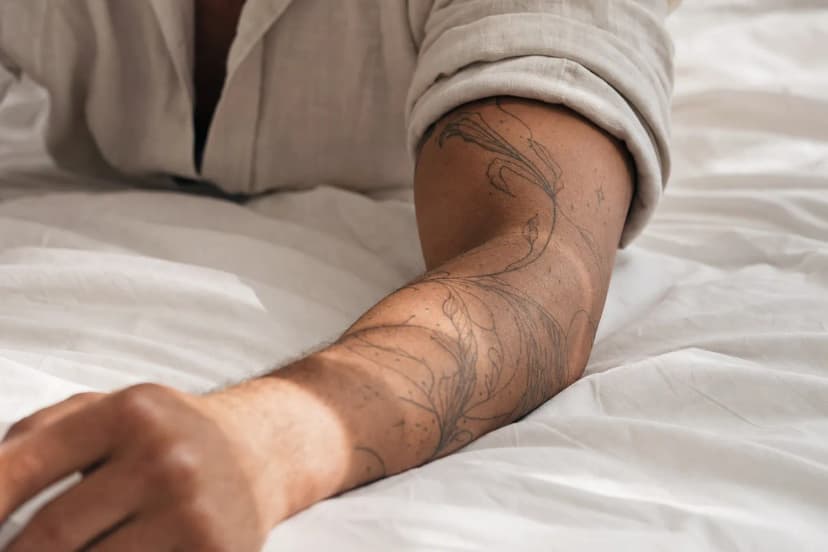
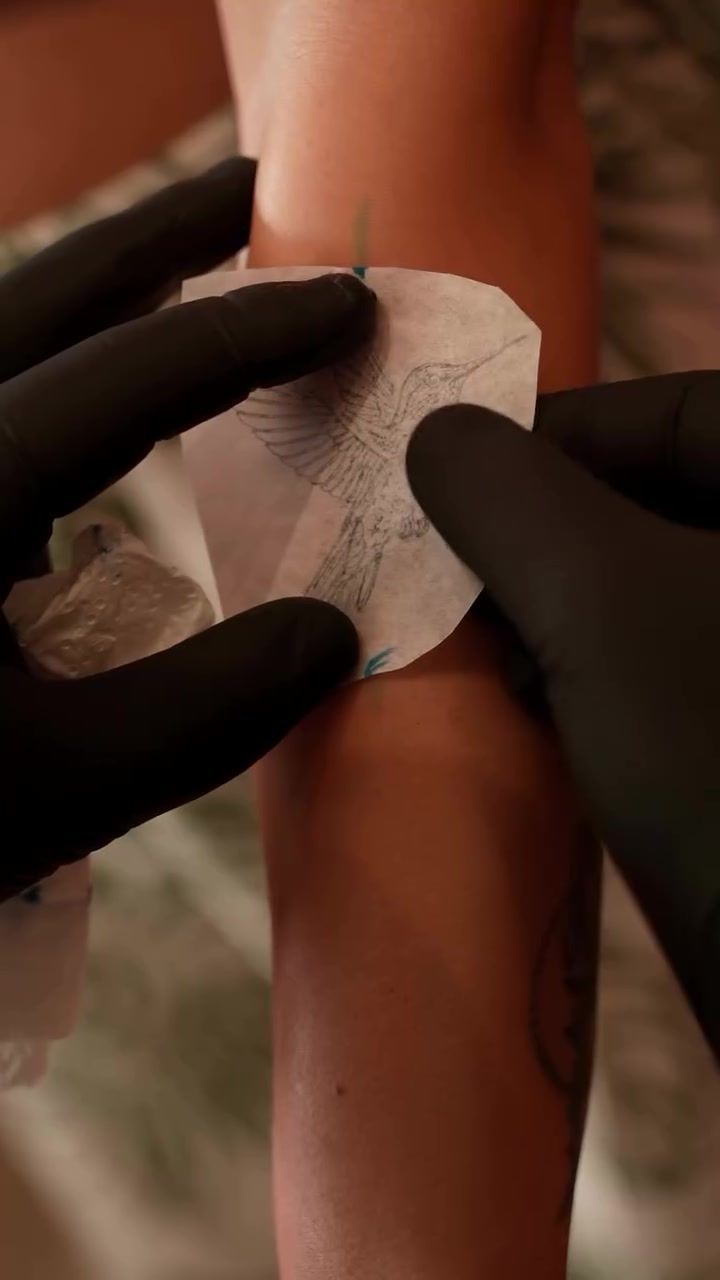
Fitting a portrait face into 3 cm means reducing the eyes, nose and mouth to a handful of precise strokes. If one line sits half a millimetre off, the face reads wrong. There's no surrounding detail to absorb the error. The work on pieces like this hummingbird forearm piece shows exactly how much information can sit in a compact space when the needle placement is accurate.
Skin as a material. What it does to tiny lines over time
Here's what most size guides skip. After a tattoo heals, the ink settles into the dermis (the layer of skin below the surface). Lines can shift 1 to 2 mm during that process. On a bold 10 cm piece, that movement is invisible. On a 3 cm micro realism piece, 1 mm of shift is a meaningful percentage of the entire design.
This is why going below 2 cm with anything that requires fine detail is genuinely risky. The lines that look crisp on day one may merge into each other by month three. For a fuller picture of what affects micro realism longevity, the healing behaviour of small-scale ink is worth reading about before you commit to a size.
"When a client brings a reference that's too small, I print it at actual size and put it on the skin before we discuss anything. Seeing it in real dimensions changes the conversation every time. Most people then choose to go slightly larger, not because I pushed them, but because they can see for themselves what fits."
How the Studio Approaches Sizing at Consultation
Scaling a reference image to skin
The first practical step at every micro realism consultation is printing the proposed design at actual size. Not on a screen, not zoomed in. On paper, cut out, held against the placement area. It sounds low-tech. It's the most useful thing that happens in the room.
Clients frequently arrive with a reference image pulled from a phone screen, where it looks detailed and manageable. Printed at 3 cm, it often becomes clear that two elements are competing for the same space. The studio's micro realism tattoo service starts from this honest reckoning with scale, before any design work begins.
What gets edited out. And why that's a good thing
The artist almost always recommends going slightly larger than the client's first instinct. Not to complicate the piece. To give the detail room to survive healing. A design edited for micro scale tends to be stronger: the unnecessary elements are gone, and what remains reads clearly from any distance.
Lisbon's humid summers add another reason to size conservatively. From June through September, fresh tattoos under bandage wrap can accumulate sweat around the edges. Micro pieces need that bandage to stay sealed and clean. A slightly larger, slightly simpler design heals with less risk of the edges lifting and introducing bacteria. It's a practical reality, not a stylistic preference.
Placement and Size: Which Spots Work Best
Flat, low-friction zones
The best placements for micro tattoos share two qualities: relatively flat skin and low daily friction. These spots give the fine lines the best chance of healing without distortion.
- Inner forearm (flat, easy to keep clean, low friction against clothing)
- Outer upper arm (good skin stability, minimal stretch)
- Sternum (flat, usually cloth-covered during healing)
- Shin (firm skin over bone, heals predictably)
- Behind the ear (small canvas, suits micro scale naturally)
For a broader view of where small designs work well across the body, the placement guide for small tattoos covers additional zones with notes on skin behaviour.
Spots that compress, stretch or sweat. And why they're harder
Some placements actively work against micro detail. Fingers see constant folding, washing and UV exposure. Inner wrist creases flex with every movement. The top of the foot takes friction from shoes every single day. These areas aren't impossible, but the fine lines used at micro scale are thinner and more vulnerable than bold traditional linework.
In Lisbon, summer sandal season means foot tattoos booked between May and September need serious aftercare planning. Footwear and sweating around a fresh piece on the foot can compromise healing quickly. The artist will flag this in consultation if your chosen placement is borderline.
| Placement zone | Longevity for micro detail | Session note |
|---|---|---|
| Inner forearm | High | Sits flat, easy stencil placement |
| Outer upper arm | High | Low movement, heals well year-round |
| Sternum | Medium-high | Flat but requires care during summer heat |
| Shin | Medium-high | Firm surface, good for geometric micro work |
| Behind the ear | Medium | Small canvas, suits clean minimal designs |
| Finger / palm | Low | High friction, lines soften within months |
| Foot top | Low-medium | Avoid summer months in Lisbon if possible |
| Inner wrist crease | Low | Constant flexion distorts fine lines over time |
Practical Checklist Before You Book
Getting the size right before your consultation saves everyone time and gives you a clearer sense of what to expect in the chair.
- Measure your reference image at actual size. Print it. Hold it against your skin in the placement area. A phone screen at arm's length is not a useful size reference.
- Check the skin quality at your chosen placement. Stretch marks, old scars, or areas with significant texture will affect how fine lines heal. Mention these at consultation.
- Think about your sun exposure. If you're in Lisbon through July and August, a placement on the forearm or shoulder will see daily UV. UV breaks down fine-line ink faster than bold work. Plan your SPF routine before you book.
- Bring reference photos at the highest resolution you have. A blurry screenshot makes it harder to identify which details are worth keeping at micro scale and which will muddy.
- Be ready to discuss aftercare in detail. Micro work is particularly sensitive to the first two weeks post-session. Read through the aftercare tips for fresh tattoos before your appointment so you arrive knowing what to expect.
The micro tattoo placement you choose affects not just the look of the piece but how it holds over years. Taking ten minutes to check these points before you sit down makes the consultation more productive for everyone in the room.
Frequently Asked Questions
What is the minimum size for a micro realism tattoo?
Most micro realism pieces need at least 3 cm at their widest point to hold detail through healing. Below that, fine lines and value gradients tend to merge once the skin settles. The artist will sketch the design at actual size during consultation so you can see exactly what fits before committing to anything.
Can a micro tattoo have fine detail like hair strands or eyelashes?
Yes, but within limits. A skilled micro realism artist can suggest hair texture using grouped single-needle strokes within a 4-5 cm piece. Individual eyelashes at 2 cm are very difficult to maintain long-term; they tend to blur within a year. The artist will tell you which details are achievable and which will muddy over time.
How long does a micro tattoo session take?
Most micro tattoos take between 45 minutes and two hours depending on complexity. A simple minimalist micro at 2 cm may be done in under an hour. A micro realism portrait at 4-5 cm, with tonal shading and fine linework, typically runs 90 minutes to two hours, sometimes with a short break mid-session.
Do micro tattoos fade faster than larger ones?
They can, particularly on high-friction or high-movement areas. The fine lines used at micro scale sit shallower in the dermis and are thinner, so sun exposure and poor moisturising affect them more visibly than they would a bolder piece. Consistent SPF protection once the tattoo is fully healed makes a significant difference to longevity.
What size tattoo fits on a wrist?
The inner wrist can accommodate a design of 3-6 cm depending on wrist width, but the crease area is a poor choice for micro realism detail. A flat placement just above the crease on the inner forearm suits fine-line micro work better. The skin flexes less there, and the detail holds through healing more reliably than directly over the joint.