Why Healing Hits Differently with Micro Realism
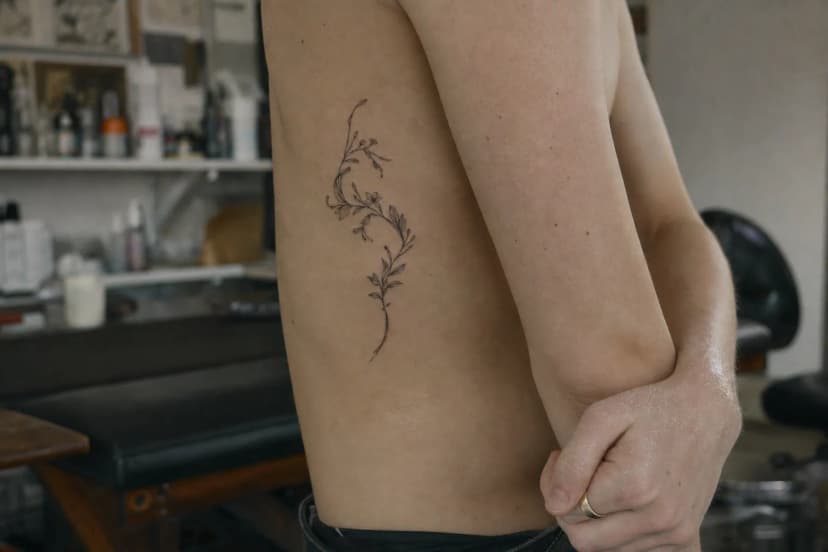
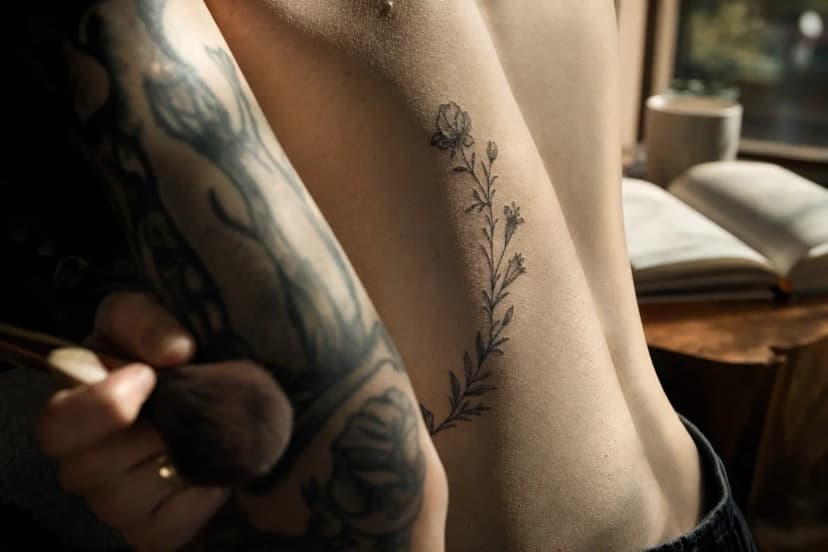
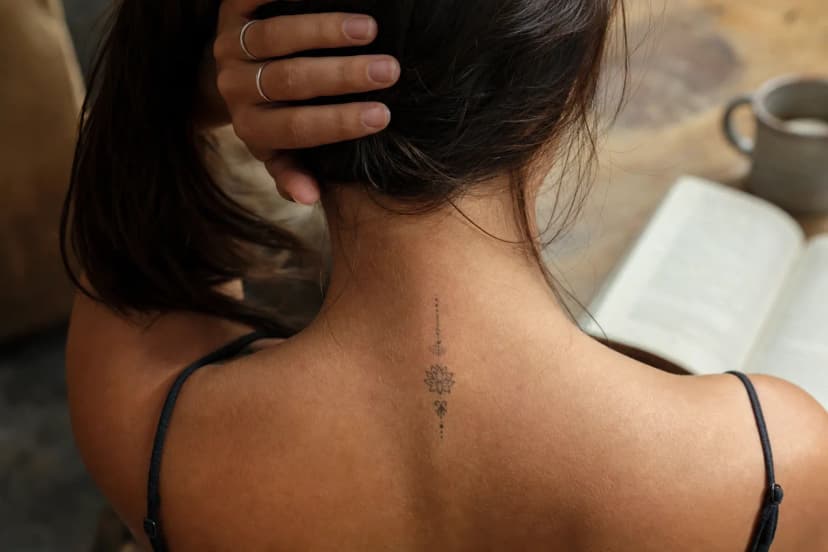
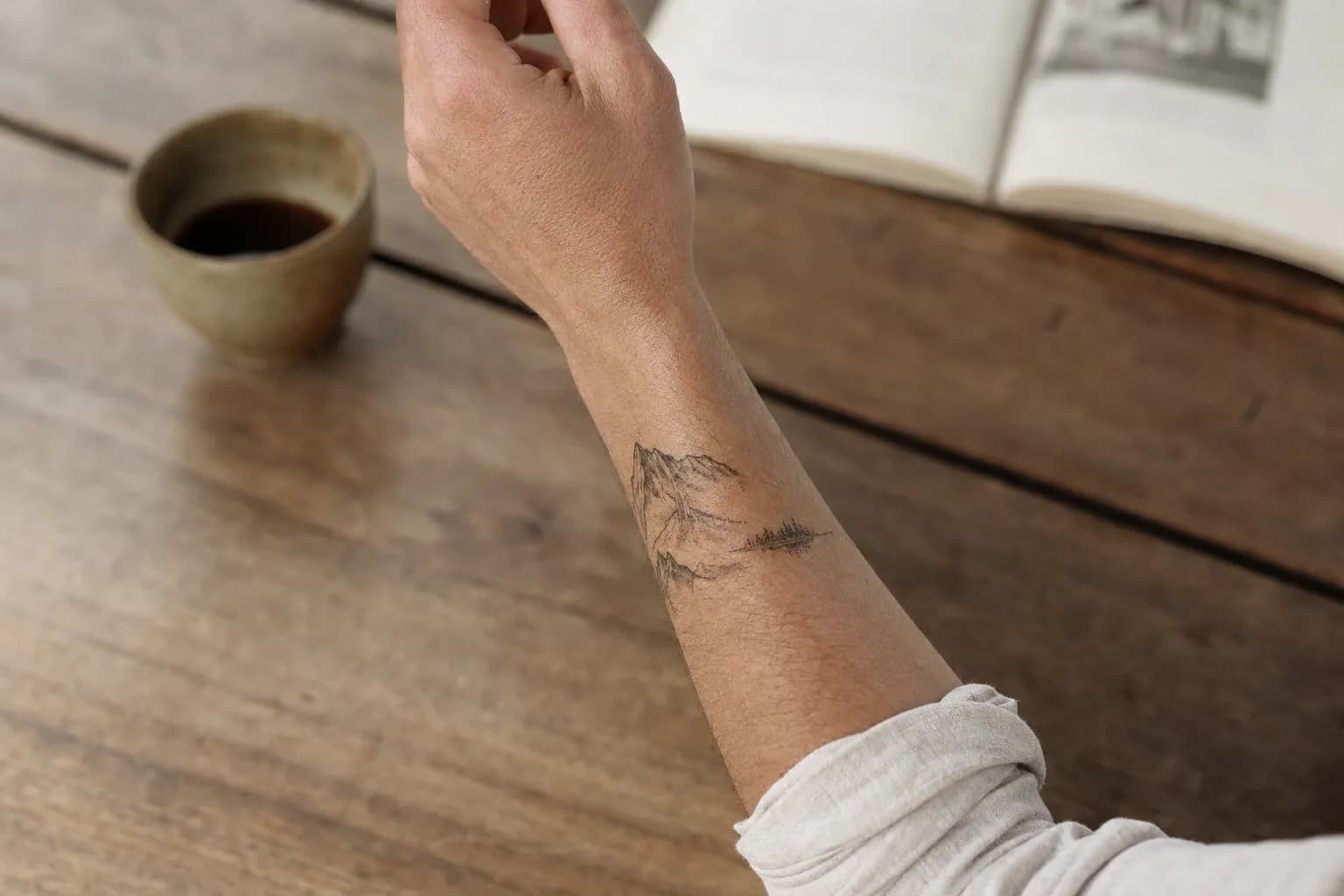
A micro realism piece packs photorealistic detail. Fine shadow gradients, delicate textures, precise linework. Into a footprint that sometimes fits in a palm. That density is what makes the style so striking. It's also what makes the healing process more nuanced than with a bold, traditional piece.
Bold tattoo lines sit in thick, generous passes of ink. The skin closes over broad bands of pigment, and the result is fairly forgiving. Micro realism uses lighter, shallower passes with a single needle or fine grouping. The ink deposits are precise and comparatively thin. When the skin repairs itself, every stage of that repair is visible in the detail.
Setting expectations before you leave the studio matters. Fresh micro realism looks sharper than healed micro realism. That's not a mistake. It's how skin works, and a good artist accounts for it at the design stage.
Week-by-Week: What Your Skin Is Doing
Days 1-3: Inflammation and Weeping
Your immune system treats a fresh tattoo as a wound, because that's exactly what it is. Plasma. A clear, slightly yellowish fluid. Seeps from the surface and may mix with small amounts of excess ink. Mild swelling and warmth around the tattoo are expected. Keep the area clean, apply a rice-grain amount of unscented cream, and let the skin breathe.
Days 4-7: The Surface Begins to Close
A thin, tight film forms across the tattooed area. It may feel like a second skin pulling slightly as you move. Do not stretch, scratch, or rub it. With small realistic tattoo healing stages, this film is thinner than on large-scale work. It's more fragile and more important to leave alone.
Week 2: Peeling and the Milky Phase
This is the week that worries most first-time micro realism clients. The surface skin begins to shed in small flakes, and beneath it, the tattoo looks muted, cloudy, and soft. Colours appear washed out. Fine lines seem to have disappeared. This is normal. New skin is growing over the ink, creating a semi-opaque layer that filters the pigment underneath. And with such fine work, the effect feels dramatic.
Do not pick the peeling skin. Pulling flakes off an area of fine detail can lift ink with them, leaving gaps in shadow zones or thin linework. Let it shed on its own schedule.
Weeks 3-4: The Colour Clarifies
The opaque surface layer finishes shedding. Contrast starts returning. This is the stage where clients often relax. The tattoo looks like a tattoo again. Colours are still slightly muted compared to what they'll be at full settlement, but the structure of the design is visible and legible.
Weeks 6-8 and Beyond: The True Settled Result
The real result becomes visible here. The ink has had time to fully anchor into the dermis (the skin layer beneath the surface), and the new skin above it has matured and thinned. Some ultra-fine lines may have softened slightly. Expected, designed for, and nothing to contact the studio about before the eight-week mark. If you're curious about how long micro realism tattoos last once fully healed, that question is worth reading about separately, because longevity depends on several factors beyond healing.
The Milky Phase Explained: Why Your Tattoo Looks Faded
Micro realism tattoo fading after healing is one of the most-searched concerns in the style. It helps to understand what's actually happening. When new skin regenerates over the tattoo, it forms a translucent barrier above the ink. Light passes through that barrier, scatters, and comes back to your eye muted. The pigment hasn't gone anywhere. It just has an extra filter in front of it.
With bold work, the ink is thick enough that it reads clearly even through new skin. With fine micro realism passes, the effect is more pronounced. The cloudy appearance can feel alarming if you don't expect it. For an extended look at what actually happens to micro realism detail after healing, the studio's guide covers the full arc from fresh to settled.
Most clients see 80 to 90 percent of final contrast restored by weeks six to eight. Deeper shadow work, where the artist has packed more pigment, often resolves earlier. The finest highlight lines may take a few additional weeks.
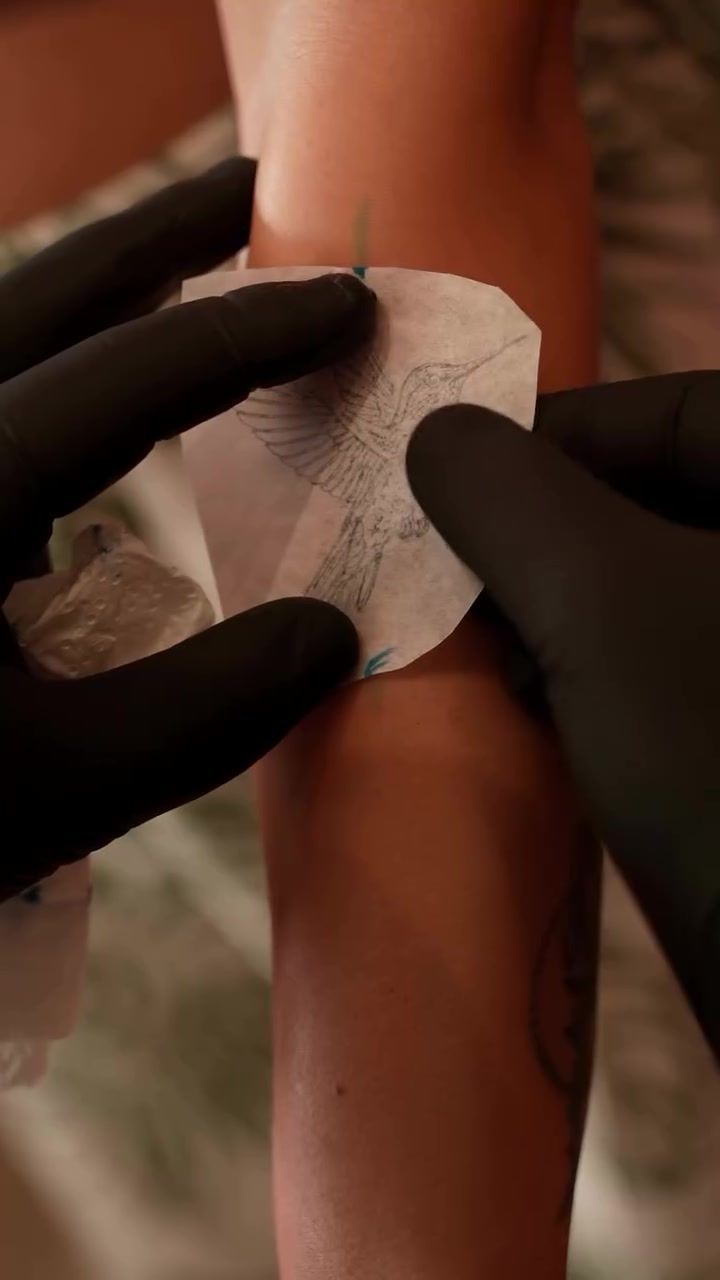
Common Mistakes That Damage Micro Realism During Healing
Micro realism tattoo aftercare demands more discipline than caring for bold work, precisely because the ink sits in thinner, shallower passes. Small mistakes have a proportionally bigger impact on detail.
- Picking or rubbing peeling skin. The temptation is real, especially when flakes lift at the edges. But pulling them off early can drag ink out of fine-detail zones. Shadow gradients and thin highlight lines are the most vulnerable.
- Over-moisturising. Too much cream traps moisture against skin that needs to breathe. Flooding a fine-line piece with heavy coats can blur lines and slow the surface closure. A rice-grain amount, two or three times a day, is sufficient.
- Sun exposure in the first four weeks. UV radiation degrades fresh ink before it anchors fully in the dermis. Lisbon summers make this especially relevant. The city's southern latitude and long dry seasons deliver intense UV from April through September.
- Chlorinated pools. Popular during Lisbon's heat, but chlorine actively leaches pigment from a fresh piece. Wait until the surface is fully closed. At minimum four weeks. Before swimming.
- Tight fabric over the tattoo. During the peeling stage, friction from clothing can lift flakes before they're ready. Wear loose, soft fabric over the area and avoid anything with elastic edging that sits directly on the tattoo.
How Lisbon's Climate Affects Micro Realism Healing
Lisbon sits on the Atlantic coast with a climate that swings between two distinct healing environments. Summers are hot, dry, and UV-intense. Winters are mild, damp, and overcast. Both affect how a fresh micro realism piece progresses, and it's worth planning your session timing accordingly.
In July or August, the risk is sun exposure. Even a few minutes of direct afternoon light on a fresh tattoo. Say, walking from the Cais do Sodré metro to a café. Is enough to stress healing skin. Cover the area with loose clothing, not sunscreen alone, for the first two weeks. After the surface closes, SPF 50 applied before any sun exposure becomes a daily habit for the life of the tattoo.
In December or January, the risk shifts. Atlantic humidity slows the drying of the initial wound film. The area can feel damp longer than it would in summer. Keep it clean, apply cream sparingly, and make sure there's airflow. Healing still happens on a similar timeline. But watch for any extended redness or weeping beyond day four, which might warrant a check-in with the studio.
"A lot of clients see the cloudy week-two look and think something went wrong. We use it as a good sign. It means the skin is actively repairing, exactly as it should. The detail is still there, sitting in the dermis, waiting for the surface to catch up."
How the Studio Designs for Healed Results
Good micro realism isn't drawn for the day it's done. It's drawn for how it looks eight weeks later. The artist adjusts line spacing and contrast deliberately, building in a buffer for the softening that healing introduces. If two fine lines sit too close together, they'll merge into a single grey smudge once the skin settles. Spacing them fractionally wider costs nothing on paper and preserves the separation on skin.
Contrast ratios get the same treatment. Shadows are pushed slightly darker at application so that the post-heal lightening lands at the intended tone, not below it. It's the same principle a photographer uses when exposing for print. Compensating for what the medium will do to the image.
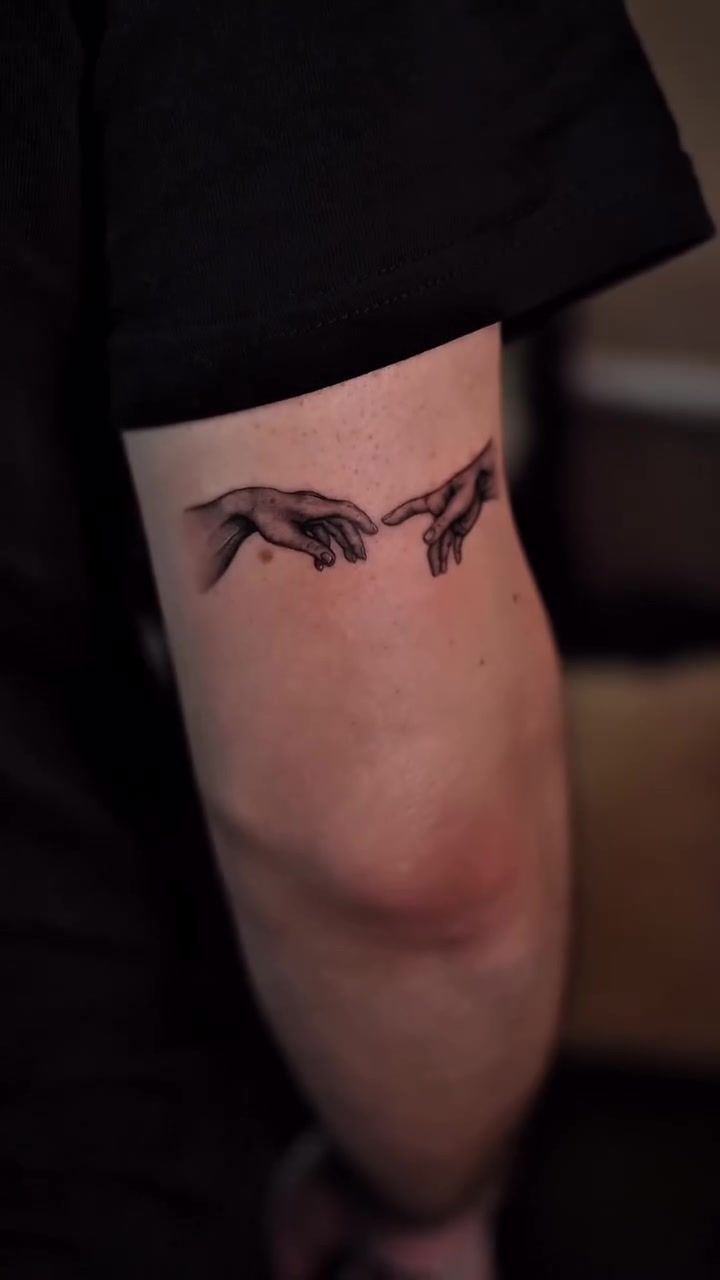
Placement also shapes how cleanly a piece heals. The forearm heals faster and more evenly than the ribcage or behind the ear. Less movement, better airflow, easier to keep clean. Skin over bony surfaces heals more unpredictably. Placement conversations happen at consultation, not as an afterthought, because the right location for the design and the right location for healing aren't always the same spot.
The studio schedules touch-up reviews at eight to ten weeks, not before. At six weeks, the tattoo still isn't fully settled. Reviewing at eight weeks gives the ink time to stabilise, makes the review genuinely diagnostic, and avoids any unnecessary passes over skin that's still maturing. If you want the full scope of what the studio offers in this style, the micro realism tattoo service page covers approach, placement, and what to expect at consultation.
Aftercare Protocol for Micro Realism: What Actually Works
How long does micro realism tattoo take to heal? The surface closes in two to three weeks. The ink settles fully in six to eight. What you do in those first weeks shapes what you see at week ten. Here's what actually works, laid out simply.
- Wash the tattoo gently with lukewarm water and unscented soap, once or twice a day. Pat dry with a clean paper towel. Never rub.
- Apply a thin layer of unscented, fragrance-free cream. A rice-grain amount is correct. More than that and you're suffocating the skin.
- Repeat the cream application two to three times daily through week two. Consistent thin coats beat occasional heavy ones.
- Once the surface is fully closed (typically by the end of week two), switch to SPF 50 whenever the tattoo will be in sunlight. This applies all year in Lisbon, not just summer.
- Avoid anything abrasive on the area for at least four weeks: exfoliating scrubs, textured towels, tight clothing with rough seams.
For a full breakdown of each day's specific needs, the studio's day-by-day aftercare instructions cover every stage from hours one through week four.
| Week | What to Do | What to Avoid |
|---|---|---|
| Days 1-3 | Clean gently twice daily; apply rice-grain amount of unscented cream; keep covered loosely if clothing will rub | Soaking in water; touching with unwashed hands; tight clothing over the area |
| Days 4-7 | Continue gentle cleaning; apply cream 2-3x daily; wear loose fabric over the tattoo | Scratching or stretching the film; any direct sun; pools or the ocean |
| Week 2 | Let skin peel naturally; maintain thin cream applications; keep the area clean and dry between applications | Picking flakes; over-moisturising; friction from fabric or exercise equipment |
| Weeks 3-4 | Reduce cream frequency as skin normalises; begin applying SPF 50 once surface is fully closed | Prolonged sun exposure without cover; chlorinated pools; abrasive skincare products |
| Weeks 5-8 | SPF 50 on every sun exposure; normal gentle skincare around the tattoo; observe final settling | Heavy exfoliation directly on the tattoo; any skin-lightening products containing retinoids near the area |
Micro realism tattoo peeling in week two is the stage that tests most people's patience. Keep the product light, keep hands off the skin, and trust the process. The studio is available for questions between sessions. A quick photo sent through the booking contact is usually enough to confirm whether what you're seeing is normal progression.
Frequently Asked Questions
How long does a micro realism tattoo take to fully heal?
The surface skin closes within two to three weeks, but the ink continues settling into the dermis for six to eight weeks. Ultra-fine pieces sometimes take up to ten weeks before contrast and sharpness fully stabilise. The studio schedules any touch-up review no earlier than the eight-week mark, because reviewing before then gives an incomplete picture.
Why does my micro realism tattoo look blurry or faded after peeling?
New skin grows over the ink during healing, creating a semi-opaque layer that mutes colours and softens edges. With fine micro realism passes, this cloudiness feels more dramatic than it does on bold work. Most contrast returns by weeks six to eight as that new skin fully matures and thins. It's a normal stage, not a sign that anything went wrong.
Can I go to the beach after getting a micro realism tattoo in Lisbon?
Not for the first four weeks. Lisbon's summer sun is intense enough to fade fresh ink before it anchors properly in the dermis, and saltwater or sand will irritate a healing surface. After the surface is fully closed, apply SPF 50 every time the tattoo is exposed to sunlight, all year round, not just at the beach.
Will the fine detail in my micro realism tattoo survive the healing process?
A skilled artist designs micro realism with healing in mind, spacing fine lines so they don't merge and adjusting contrast to compensate for natural softening. Some extremely thin lines settle slightly, which is expected and accounted for. That's why the touch-up consultation at eight to ten weeks exists: to refine anything that needs a final pass once the skin has fully stabilised.
How is aftercare for micro realism different from caring for a bolder tattoo?
Less product, more frequency. Micro realism uses lighter, more precise ink passes, so the skin is less traumatised but also more sensitive to over-moisturising and friction. Apply thin, frequent amounts of unscented cream rather than heavy coats, and be especially disciplined about avoiding any rubbing or picking during the peeling phase, when fine-detail zones are most vulnerable.