The Question Most People Ask Wrong
Most people searching for a cover up tattoo small solution are hoping the answer is straightforward: put something prettier on top and move on. The logic feels reasonable. But it runs backwards almost every time.
Size doesn't shrink when you cover. It grows. The new design has to contain the old one, which means starting larger than the piece you're hiding. How much larger depends on what's underneath, and that's where the real design problem begins.
There's also a meaningful difference between covering a faded, greyed-out tattoo from fifteen years ago and covering something dark, saturated, and recently done. The first opens up genuine options. The second narrows them considerably. Setting that expectation early saves everyone frustration during consultation.
What a Cover-Up Tattoo Actually Is (And What It Isn't)
Ink over ink: how layering works in the dermis
Tattoo pigment sits in the dermis, the layer of skin beneath the surface epidermis. It's not on your skin; it's in it. New ink goes into the same layer on top of the old pigment. The two don't mix or cancel each other out.
What this means in practice: darker ink beneath lighter new work will push through. A pale grey botanical drawn over a solid black shape won't hide the black. The old pigment scatters light upward through the new lines and makes the original visible. Careful planning of value, tone, and density is what stops that from happening.
Faded tattoos, particularly old ones where the pigment has dispersed and softened over years, are the best candidates for cleaner cover work. The original ink has broken down enough that new, intentional marks can absorb or redirect attention away from it.
Scars vs. Old tattoos: two very different challenges
A small scar cover up tattoo is a different problem from covering old ink. Raised scar tissue has an altered structure. The collagen fibres are denser and arranged differently from normal skin. Ink behaves unpredictably in those areas, spreading faster, fading sooner, or sitting unevenly on the surface.
Flat, old, well-healed scars take ink far more reliably than raised keloid tissue. The studio assesses scar condition during consultation rather than making assumptions from a description. Texture matters as much as colour here, and sometimes more.
When Small Cover-Ups Actually Work
The faded tattoo sweet spot
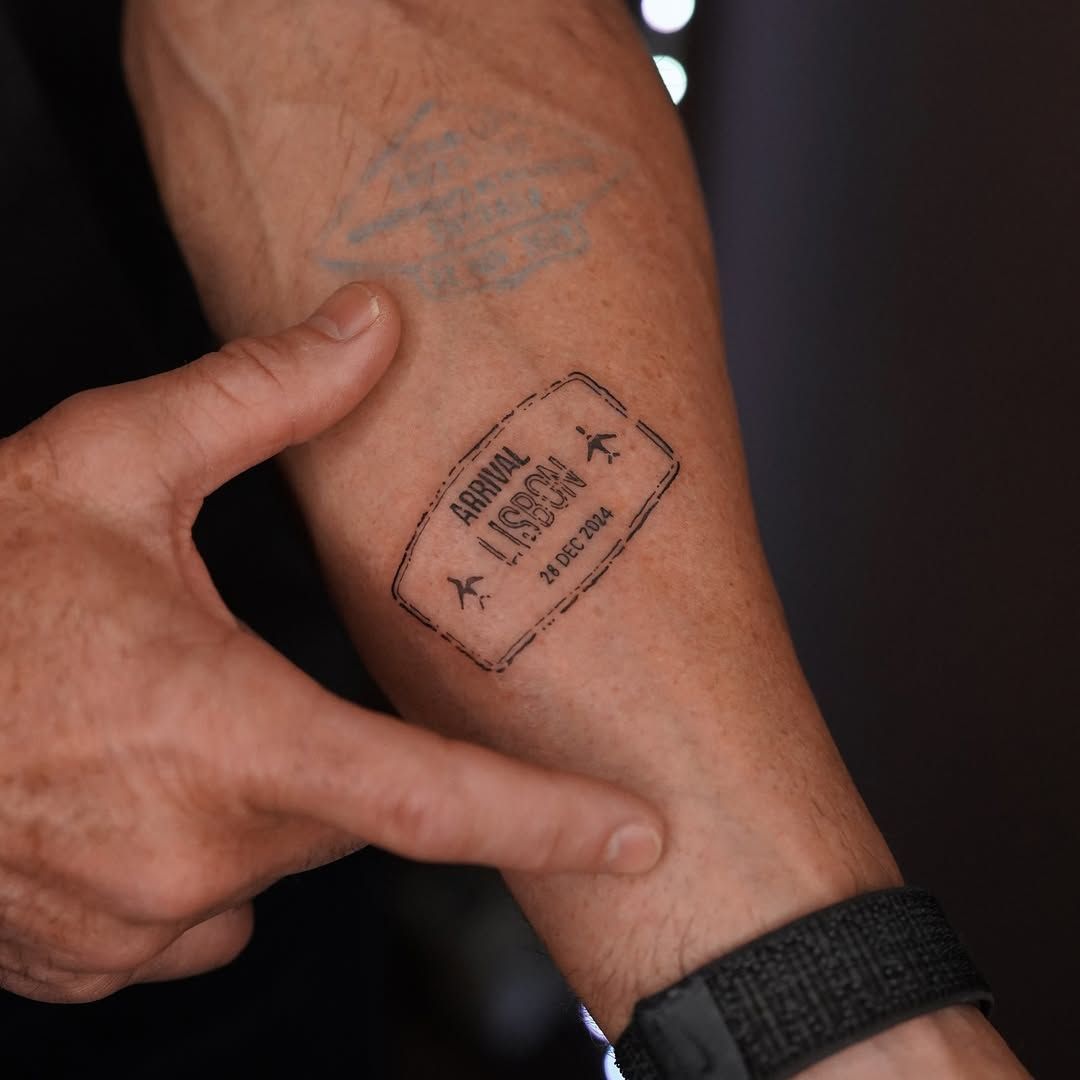
The best candidates for a genuinely small cover up tattoo are pieces that have aged significantly: thin lettering that has spread and blurred over time, light linework that has softened to grey, small symbols where the edges have dissolved. These pieces have lost enough contrast that a well-designed new tattoo can absorb them.
As a working ratio, expect the new design to be roughly 1.3 to 2 times the size of the original. A 3cm faded stamp might be coverable with a 4 to 5cm botanical. A 3cm solid dark piece is a different calculation entirely. The darker the original, the more the ratio climbs.
Strategic placement and negative space
Not every cover-up needs to bury the original. Sometimes the smarter approach is surrounding it. A design placed so the old piece sits inside a natural void, a petal gap, a geometric recess, a shaded zone, reads as intentional rather than concealed.
Shifting the new design slightly off-centre from the original also helps. A symmetric overlay that lines up perfectly with the old tattoo's edges often makes both pieces more visible, not less. An asymmetric arrangement, where the cover element overlaps strategically, lets the eye read the new work first.
For guidance on placement logic at small scale, the article on sizing and technique considerations for small tattoos in Lisbon covers how position affects how a piece reads over time.
When You Need to Go Bigger (Or Darker) Than You'd Like
A 3cm solid black tattoo cannot be covered by a delicate fineline botanical. That's not a pessimistic assessment; it's physics. Light ink over dark ink produces muddy results, not clean lines. The new pigment can't block what's beneath it without sufficient density.
There's a useful distinction between a cover approach and a camouflage approach. A cover buries the original under new ink dense enough to obscure it. A camouflage surrounds and incorporates it, making the old piece part of a new design that draws attention away from the problem area. Minimalism and fineline work sit comfortably in the camouflage category for lighter originals. Dense, dark originals need a cover approach, which means more ink, more saturation, and a larger footprint.
For heavily saturated or recently done tattoos, a few sessions of laser fading first opens up significantly more design options. It's worth raising this during consultation. The studio will say so plainly if the cover work requested isn't realistic without fading first.
| Original Tattoo Type | Realistic Cover Approach | Styles That Can Work |
|---|---|---|
| Very faded, light linework | Camouflage or minimal cover; 1.3x size increase | Minimalism, fineline, geometric |
| Old lettering, spread edges | Botanical or geometric overlay; 1.5x size increase | Floral fineline, mandala, micro realism |
| Medium-density colour or grey | Structured cover; 1.5-2x size increase | Realism, geometric with fills |
| Solid black or heavily saturated | Laser fading first, then dense cover | Not suitable for minimalist or fineline alone |
| Raised scar tissue | Consultation required; texture assessed first | Depends on scar age and flatness |
Styles That Work for Small Cover-Ups at This Studio
Minimalism and geometric linework
The minimalism service works best when the original is light enough that clean shapes and deliberate fills can dominate the visual field. A small solid fill, a geometric frame, a single strong line: these carry weight without requiring heavy saturation across the whole piece.
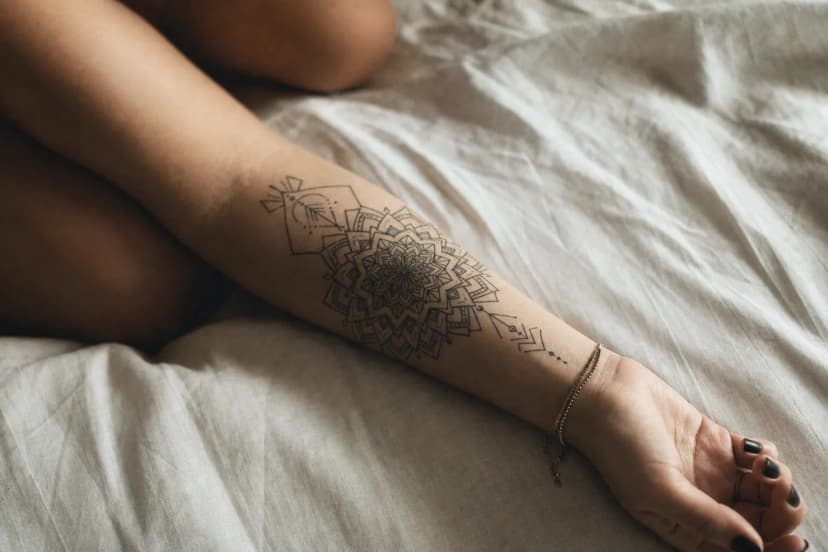
Geometric patterns are particularly useful for cover work. Mandalas and repeated angular structures can absorb irregular old lines because the pattern itself provides enough visual complexity to redirect the eye. If the original tattoo's edge sits inside a geometric segment, it reads as part of the design rather than a flaw beneath it. This is also why geometric tattoo precision matters so much for cover work specifically: if the stencil sits 2mm off-centre on a mandala built around an old piece, the misalignment exposes what's underneath.
Fineline botanical and floral motifs
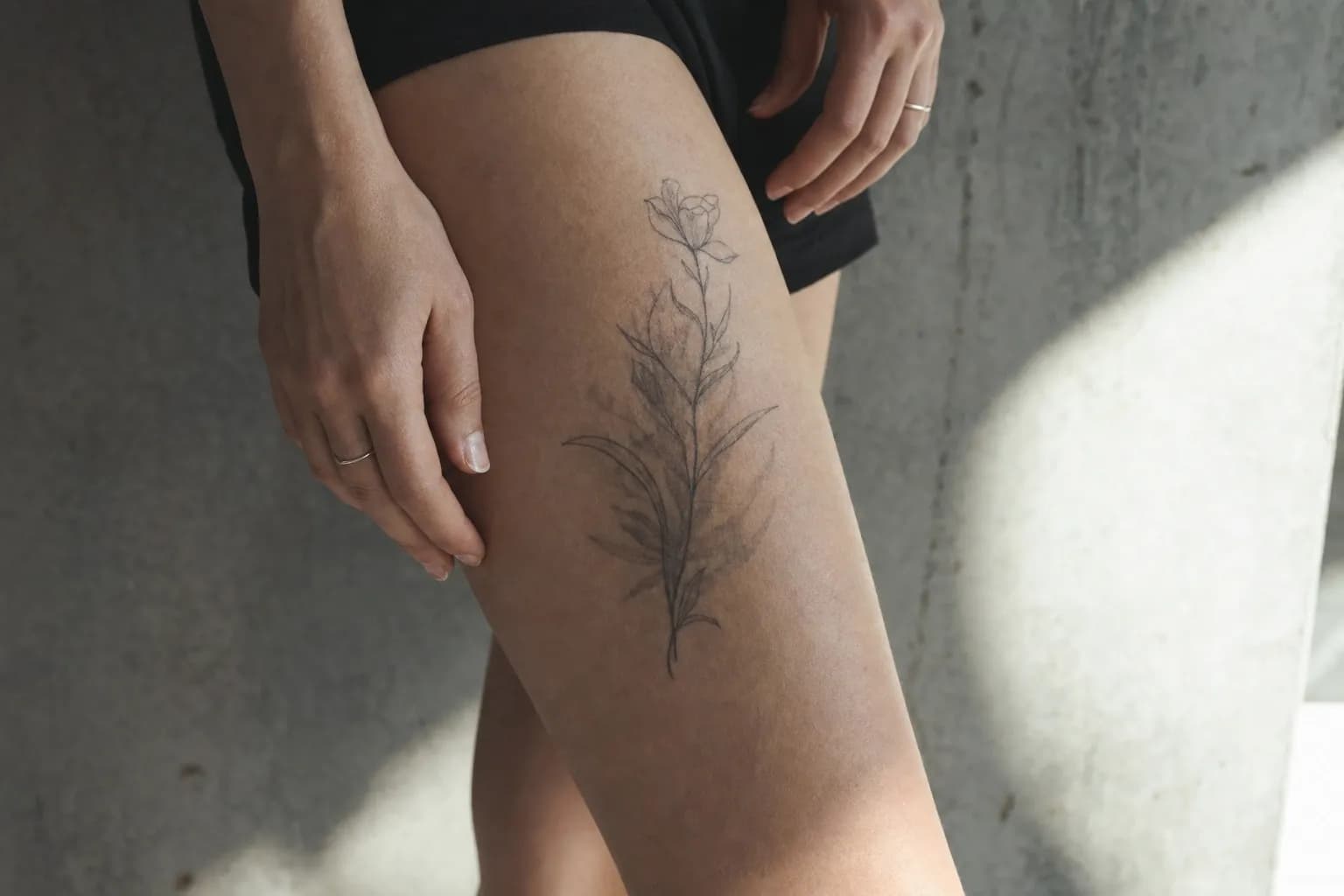
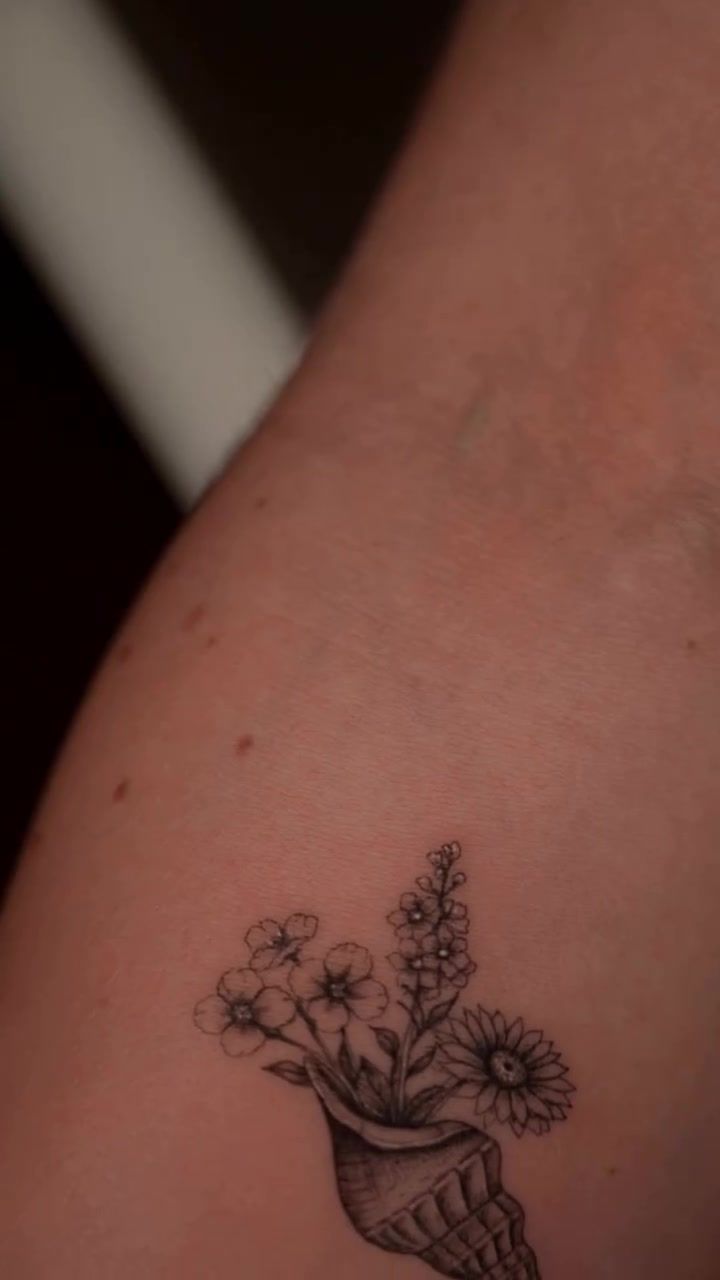
Botanical designs offer natural asymmetry. Petals, stems, and leaves can be arranged to route over or around faded ink without looking forced. A faded tattoo cover up minimalism approach using botanical motifs works precisely because flowers don't have rigid edges; the organic shapes absorb imperfections rather than highlighting them.
The fineline work at the studio applies this logic deliberately. Each element is positioned around the darkest points of the original, not placed generically over the top.
Micro realism for selective detail layering
Where the original has spread into a greyed-out wash rather than defined lines, micro realism can use tonal shading to fold it into the new design. The shading mimics the grey value of the old ink, making both layers read as intentional depth. It requires precise planning but can produce results that look nothing like a cover-up.
The article on what micro realism actually demands explains why this style depends on tonal mapping before a single line goes down.
How the Studio Approaches a Cover-Up Consultation
Before any design work begins, the studio needs photos of the existing tattoo taken in natural daylight, not flash photography, not filtered. Flash flattens contrast. Natural light shows the actual value range of the old ink, which is the most important variable in planning the cover design.
The artist maps the darkest points of the existing piece first. Those points anchor the new design. Everything else is built around them. It's the same logic as architectural planning around load-bearing walls: you don't sketch the room first and discover the walls later.
The studio won't attempt cover work it doesn't believe it can execute well. A minimalist cover up tattoo in Lisbon that overpromises and underdelivers is worse than no cover at all. If a cover up tattoo fineline approach isn't viable for the original, the consultation will say so and suggest a more appropriate path.
"A cover-up is a design problem before it's a technical one. The original tattoo tells you where the new design has to go. You work with what's there, not against it."
Timing also matters. Lisbon's humid summers slow the settling of denser ink coverage. A cover-up with significant fill placed in July or August may need more careful aftercare than lighter linework done in the milder months. The studio factors this into post-session guidance.
Practical Checklist Before Your Cover-Up Appointment
Cover-up consultations require more preparation than a fresh tattoo booking. The more clearly you communicate the existing piece, the more accurately the studio can assess what's realistic.
- Photograph the existing tattoo in natural daylight, from directly above and at a slight angle to show any texture or raised edges.
- Note the approximate dimensions in centimetres, including any fading around the edges.
- Gather reference images for the style or motif you have in mind, even rough ones.
- Submit these via the studio's consultation process before any booking is confirmed.
- On the day, wear loose clothing that exposes the area fully without tight seams or elastic pressing against nearby skin.
- Avoid sun exposure on the area for at least two weeks beforehand; tanned or peeling skin changes how ink sits.
For small tattoo cover up ideas involving scars, also note how old the scar is and whether it has any raised texture. This shapes the assessment more than the visual appearance alone.
- Healing for denser cover-up work takes longer than for clean linework. Expect the area to feel more tender and to require consistent moisturising for three to four weeks.
- Avoid swimming and direct sun for the full healing period, particularly in Lisbon's summer months when UV exposure is high.
- A touch-up session may be recommended after healing to address any areas where old pigment shows through.
For a broader look at how small-scale work behaves on skin, the guide on why small work demands the most precision covers technique considerations that apply equally to cover-up sizing.
Frequently Asked Questions
Can a small fineline tattoo cover an old one?
It depends entirely on the original. If the old tattoo is small, faded, and light in tone, fineline work can be designed to absorb or surround it. Dark, solid, or recently done ink is a different problem. Fineline lines alone won't have the density to hide it, and attempting it produces muddy results rather than clean cover.
How much bigger does a cover-up tattoo need to be?
As a general guide, expect the new design to be roughly 1.3 to 2 times the size of the piece you're covering. The exact ratio depends on the original's darkness and saturation. Very faded work can sometimes be covered with minimal size increase if the new design is planned carefully around the darkest points of the original.
Can you cover a scar with a small tattoo in Lisbon?
A small scar cover up tattoo is possible, but the scar's age and texture determine the approach. Raised or textured scar tissue holds ink unpredictably; ink can spread, fade faster, or sit unevenly. Flatter, older scars take ink more reliably. The studio assesses scar condition during consultation before committing to any design, because texture matters as much as colour.
Should I get laser removal before a cover-up?
For heavily saturated or dark tattoos, a few sessions of laser fading will open up far more design options and allow the cover piece to be smaller and more refined. It's worth discussing this during consultation rather than assuming cover work alone will be sufficient. The studio will say plainly if fading is the smarter first step.
What minimalist designs work best for cover-ups?
Geometric patterns, single-needle botanical motifs, and mandala-based designs are strong candidates because they use deliberate fills and linework that can be positioned to mask old ink. The studio designs these specifically around the original piece rather than applying a generic template over it. Each element placement is a decision, not a default.