Fresh ink never looks the way you imagined it would. The skin is swollen, the colours are too dark, and by day five you're convinced something has gone wrong. It almost certainly hasn't. Understanding what tattoos look like when they are healing. Stage by stage. Turns that anxiety into informed patience.
This guide covers the full arc, from the raw first hours to the quiet settle in week eight. Geometric and fineline work gets specific attention throughout, because precise linework behaves differently from solid fills and shaded portraits as the skin repairs itself.
The First 48 Hours: Raw, Red and Weeping
Why fresh tattoos look wet and inflamed
A tattoo needle passes through the epidermis (the outer skin layer) roughly 3,000 times per minute and deposits pigment into the dermis below. That process is, by every clinical measure, a controlled wound. So the skin responds the way it responds to any wound: inflammation, fluid release, and redness.
For the first 48 hours, expect the tattooed area to look glossy and slightly raised. A mix of plasma and excess ink will weep to the surface. This is lymph fluid doing its job, not ink leaving the skin.
What normal redness looks like versus what to watch
Normal redness sits close to the tattoo outline and softens within 24 to 36 hours. The piece will look more saturated than it will when healed. Almost artificially dark. That's because ink sits above the dermis at this stage, before the body fully encapsulates the pigment.
Some ink can appear to bleed outward slightly in the first few hours. This is plasma carrying pigment across the surface, not a blowout (blowout is when ink spreads beneath the skin into fatty tissue. A different, rarer issue with a distinctly blurred-halo look).
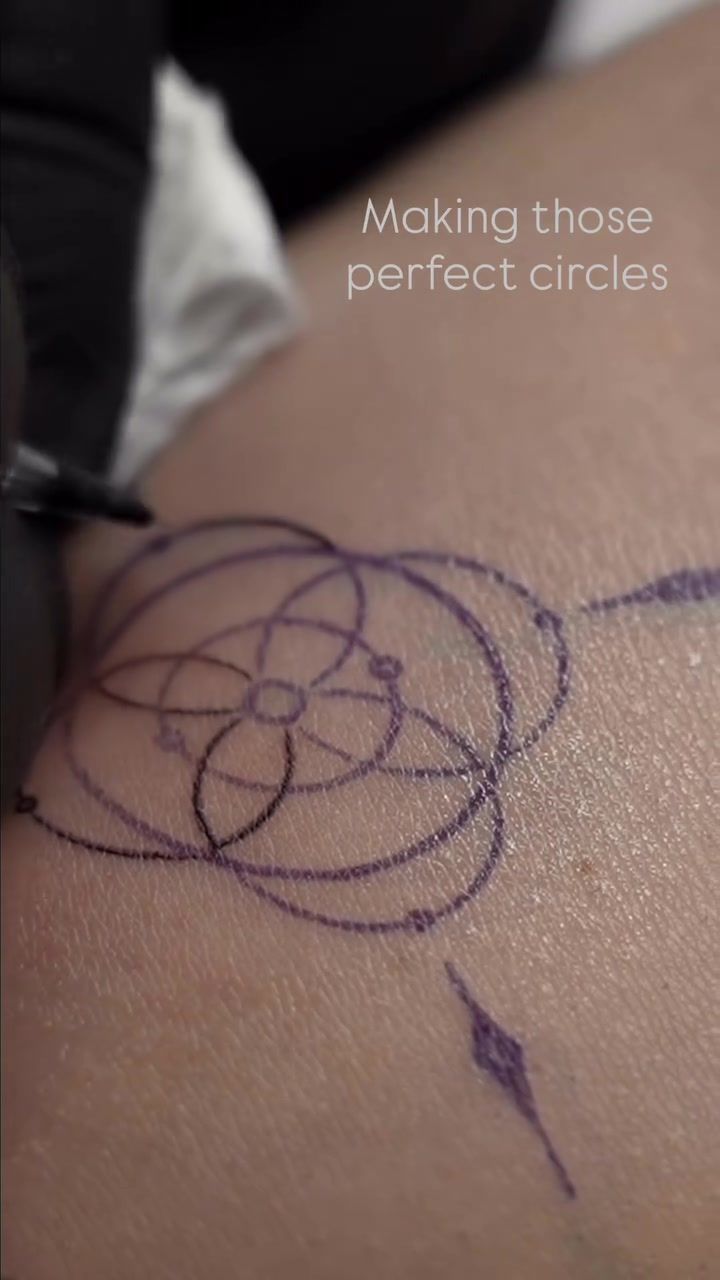
Geometric linework and tight fineline patterns can look blurred at this stage. Swelling pushes adjacent skin tissue slightly outward, softening what were crisp edges. This is a surface-level effect. The lines underneath are exactly where they were placed.
Days 3 to 7: The Cloudy Film and Early Peel
The milky membrane that worries everyone
Around day three, a thin whitish or greyish film settles over the tattoo. This is the outermost layer of skin beginning to die and shed. A process called desquamation. It makes the piece look dull, faded, and sometimes patchy in a way that feels permanent. It isn't.
The ink is already locked in the dermis. What you're seeing is dead skin sitting above it, filtering the colour like frosted glass. The tattoo healing stages guide has a full breakdown of what the skin is doing at a cellular level if you want more detail.
"The milky film is the most common reason clients message in a panic. I always tell them: if the lines looked right when you left the studio, they're almost certainly still right underneath that layer."
What peeling looks like on geometric and fineline tattoos
Flakes of dead skin carry ink pigment visually as they lift. This looks alarming. It genuinely appears as though colour is leaving. But those flakes carry only surface pigment that would have shed regardless. The ink below doesn't move with them.
For geometric tattoo work specifically, long straight lines and crisp circle edges can look uneven or broken at this stage. Small flakes lift unevenly across the piece, leaving some sections clearer than others. This resolves as shedding completes.
Never pick or peel flakes away. If you lift them early, you risk pulling ink from the very edges of fine lines. On geometric work, a single pulled edge can leave a light gap in a line that would otherwise heal perfectly.
Weeks 2 to 4: The Itchy Settle
Why the tattoo looks faded but isn't
The visible flaking slows, but a semi-transparent layer of new skin still sits above the ink. This layer scatters light differently from mature skin, making the piece look washed-out or desaturated. It's the stage where clients most often send photos in panic, certain the ink didn't take.
Tattoo healing week by week follows a predictable curve. Week two almost always looks worse than week one, visually. The colour contrast drops before it recovers. This is normal.
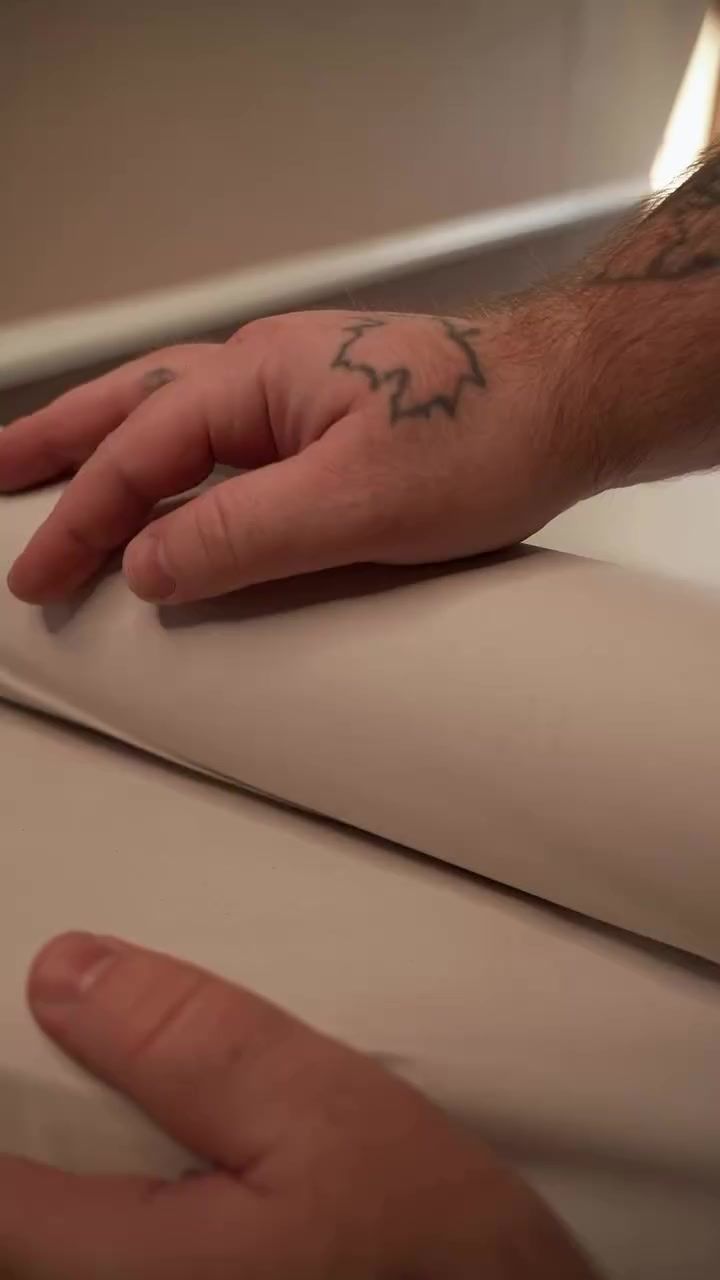
The scab and itch phase on different skin placements
Itching signals new skin cell generation underneath. It's a good sign. Scratching is not. Keep your nails away from the area and pat gently if you need relief.
Placement affects how quickly this stage resolves. The inner forearm heals faster than the outer elbow or rib cage, because skin there is thinner, less subject to friction, and kept relatively still. Areas where clothing rubs create a warmer, more moist environment that prolongs healing.
Lisbon's summer humidity adds a layer to this. From June through September, tattooed skin under sleeves or waistbands stays warm and damp for longer stretches. That can slow surface shedding. If you're getting tattooed in August, factor in an extra week before the piece looks its best.
Weeks 4 to 8: Surface Healed, Dermis Still Settling
When the tattoo looks 'done' but isn't fully healed
By weeks four to six, most tattoos look close to their final state. The dull film has gone. Colour reads more accurately. The skin surface feels smooth again. But the dermis. The layer where the ink actually lives. Continues to remodel for another two to three months.
Some clients notice slight raised texture along lines at this stage. That's the dermis responding and rebuilding, not scarring in most cases. It typically flattens completely by the three-month mark.
How geometric line clarity returns over time
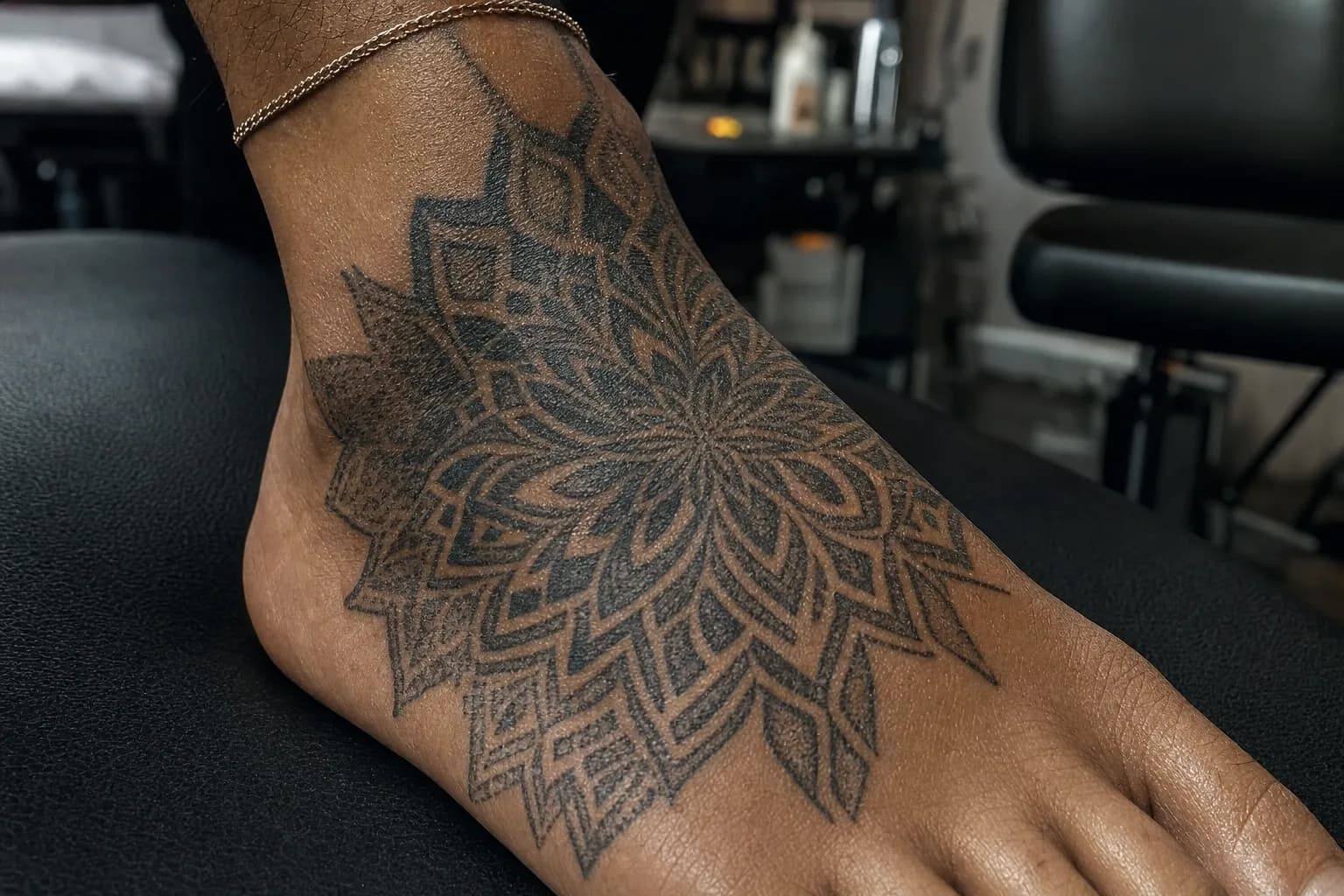
Geometric tattoos with precise circles, mandalas, and mathematical grid patterns reveal their true edge sharpness only once that deeper heal completes. If a mandala looks 95% sharp at week five, the remaining softness is almost always in the dermal layer, not the lines themselves.
Touch-up decisions should wait until after the full heal, eight weeks at minimum. Assessing a geometric piece earlier than that often leads to unnecessary touch-ups on lines that would have sharpened on their own. For a detailed look at what a geometric tattoo looks like week by week after healing, that guide covers the full post-session arc.
How the Studio Approaches Healing for Geometric Work
Why linework precision affects how healing looks
Tight geometric lines and sacred geometry patterns demand especially consistent aftercare. A gap in routine. Forgetting to moisturise for two days, or letting the skin dry out completely. Can show up as uneven line weight once the skin finishes healing. On a loose illustrative piece, minor variation in aftercare rarely shows. On a mandala with 0.5mm spacing between lines, it can.
At the end of every session, the studio walks clients through a specific routine. This isn't generic advice. It's adjusted to the style of work, the placement, and the time of year. Lisbon's sun is the biggest external threat to a healing piece. UV exposure degrades pigment and dries the dermis unevenly, which matters most on pieces with dense fine linework.
Aftercare advice specific to Lisbon's climate
Keep the piece out of direct sun for the first four weeks. If you're heading to Comporta or Arrábida in summer, cover new work with loose clothing rather than sunscreen during the first two weeks. The chemicals in most SPF products can irritate fresh skin. After week three, a mineral SPF is fine and should become a long-term habit for any black work outdoors.
For practical, day-by-day specifics, the studio's day-by-day aftercare instructions cover exactly what to apply, when to switch from wrap to open air, and how often to moisturise at each stage. And for a broader picture of what the skin is doing at every point, the full breakdown of tattoo healing stages is worth reading before your session, not after.
- Apply a thin layer of unscented, alcohol-free moisturiser two to three times daily during weeks one and two
- Switch to once daily application from week three onward, as the skin becomes less thirsty
- Avoid soaking. Baths, pools, and the Atlantic surf all pull moisture and pigment from healing skin
- Pat dry after washing; never rub a healing tattoo with a towel
- If you commute through Príncipe Real or Alfama on a warm day and the piece is under clothing, check for moisture build-up and pat the area dry
Quick Reference: Healing Stage Visual Guide
Use this table to orient yourself at any point during the healing arc. If what you're seeing matches the "What's normal" column, you're on track. If it matches the "Worth checking" column, contact the studio or a medical professional.
| Stage | Timeframe | What it looks like | What's normal | Worth checking |
|---|---|---|---|---|
| Fresh wound | 0. 48 hours | Red, raised, glossy; ink looks very dark | Redness near the outline, clear or pale yellow weeping, some swelling | Spreading redness beyond the outline, green or cloudy discharge, increasing heat |
| Cloudy film | Days 3. 7 | Grey or white milky layer; colours look dull | Film across the whole piece, early small flakes lifting at edges | Yellow crust with odour, pain increasing rather than decreasing |
| Active peel | Week 2 | Visible flaking; piece looks patchy and faded | Heavy shedding especially on larger areas, itching, ink-coloured flakes | Flakes pulled off leaving raw, bleeding skin; signs of infection |
| Itchy settle | Weeks 3. 4 | Washed-out colour under a new semi-transparent skin layer | Itching, slightly raised texture along lines, colour that still looks soft | Persistent raised bumps specifically along lines (may signal allergy) |
| Surface healed | Weeks 4. 8 | Colour largely returned, skin smooth; piece looks close to final | Some raised texture along lines, slight gloss difference vs surrounding skin | Lines that look blurred at week eight (not just soft). Book a consultation |
Fineline and geometric tattoo healing process notes: geometric linework with long straight spans and tight circles tends to look most distorted in weeks one and two, and most dramatically improved at the week-five mark when the new skin fully clears. Shaded or filled areas generally look more consistent throughout because the eye reads value rather than edge precision.
- Photograph the tattoo on day one, day seven, day fourteen, and day thirty. Comparison photos eliminate most healing anxiety
- Note the redness boundary: if it grows outward day over day rather than shrinking, get it assessed
- Judge colour accuracy only from week five onward; before that you're seeing skin, not ink
- For geometric pieces, assess line sharpness no earlier than week eight
Frequently Asked Questions
Is it normal for my tattoo to look faded after a week?
Yes. Around days five to ten, a semi-transparent layer of new skin forms above the ink, making the whole piece look washed-out or dull. The ink itself is locked in the dermis and hasn't moved. Most tattoos regain their contrast and clarity between weeks three and six as that surface layer fully sheds and matures.
Why does my geometric tattoo look blurry while it's healing?
Swelling in the first 48 hours and the cloudy film layer between days three and seven can make precise lines and circles look soft or smeared. This is a surface-skin effect, not actual line spread. Once the skin clears, the crisp geometry underneath is usually exactly where it was placed. Patience until week five gives you a true read.
What does an infected tattoo look like compared to normal healing?
Normal healing brings pink-to-red skin, mild swelling, and clear or pale yellow weeping in the first two days. Infection typically presents as redness spreading beyond the tattoo outline, yellow or green discharge, increasing pain after day three, and heat to the touch. Those signs warrant a doctor's assessment promptly, not a wait-and-see approach.
Should I be worried if my tattoo is peeling heavily?
Heavy flaking around days five to ten is normal, especially on larger pieces with dense linework. The concern isn't the volume of the peel. It's the temptation to pick. Pulled flakes can lift ink from the edges of fine lines, leaving light gaps. Let the skin shed at its own pace and keep the area moisturised.
How long until my tattoo looks sharp and clear again?
For most fineline and geometric tattoos, the surface looks clean and vibrant by weeks four to six. The dermis continues settling for up to three months, so very precise geometric patterns may gain additional sharpness during that period. Avoid judging the final result before the eight-week mark, and hold off on any touch-up conversation until then.