Why Placement Is Half the Design Decision
Most people pick a design first and find a spot for it later. That order makes sense emotionally, but it can cause real problems. A delicate fineline botanical that reads beautifully on a flat inner forearm will look muddy if you squeeze it onto a finger or curve it around an ankle without adjusting the design to fit the surface.
Skin behaves differently across the body. Some areas are flat and relatively stable; others are curved, constantly flexing, or rubbing against clothing all day. A good small tattoo chosen for the wrong location blurs, stretches, or simply disappears within a few years.
Distance matters too. A wrist piece gets seen up close constantly. An ankle placement is read from a metre away when someone glances down. The line weight, spacing, and complexity that work in one context can fail completely in the other.
The Best Locations for Small Tattoos
Below are the six spots clients ask about most. Each one has real strengths and genuine limitations. Understanding both before you sit down is the best thing you can do for the finished result.
Inner Wrist and Outer Wrist
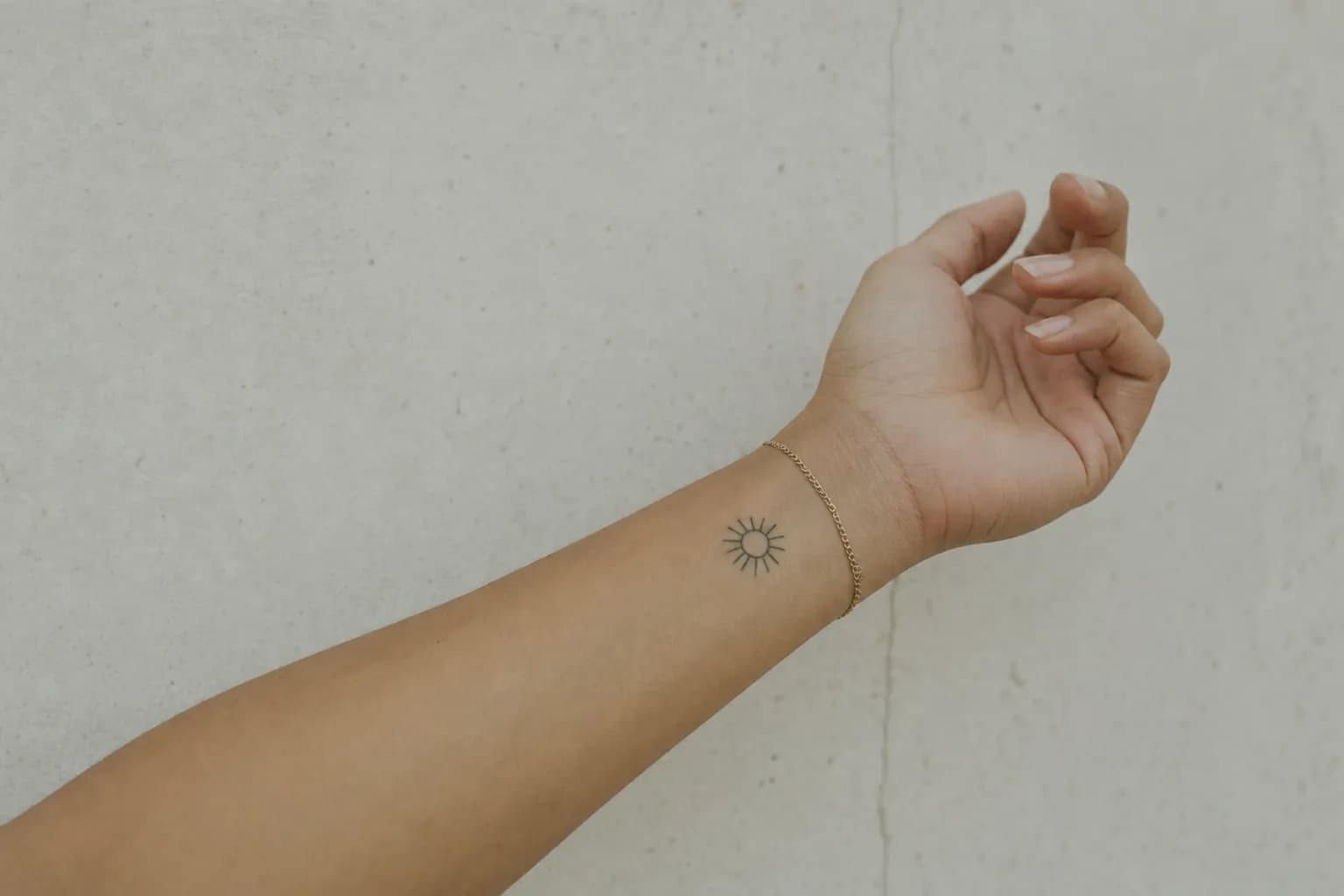
The wrist is one of the most popular small tattoo placement ideas, and the reasoning is sound. The skin here is relatively flat, visibility is high, and the canvas size suits compact, intentional designs. That said, it's not a simple spot. Watch straps and shirt cuffs create daily friction on the outer wrist, and the inner wrist sits over a concentration of tendons and bone that many people find sharp during the session.
For longevity, outer wrist placements in direct sun need consistent SPF protection. Lines can soften over time if that discipline slips. For the right design, though, this spot is hard to argue against.
Inner Forearm
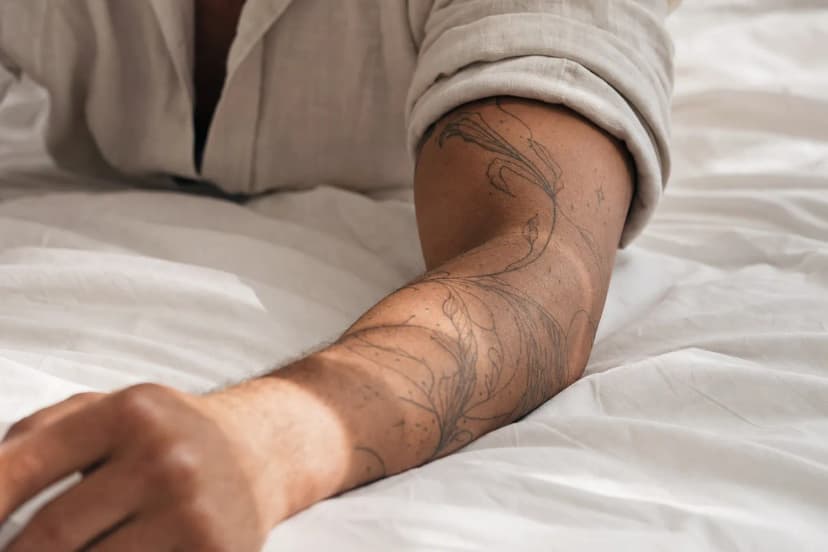
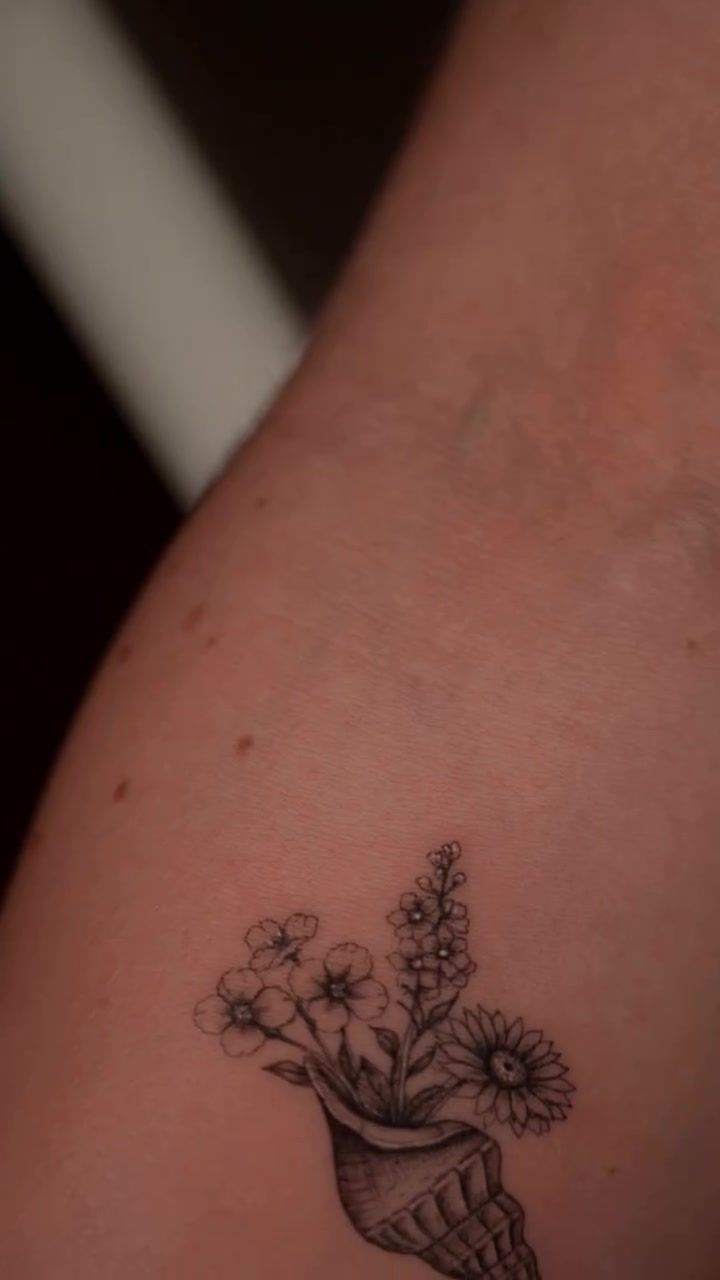
Ask most experienced artists which location they trust for fine detail, and the inner forearm comes up repeatedly. The skin is stable, taut, and sits on a relatively flat plane. It's easy to show the piece when you want to and cover it with a sleeve when you don't. Fineline work and minimalist tattoo designs both perform well here because the needle moves cleanly across a surface that isn't fighting back.
It's also one of the easier spots to photograph for a portfolio. That matters if you're choosing an artist partly based on how their healed work looks, which you should be.
Behind the Ear
This placement has a charm that's hard to replicate elsewhere. Small, semi-hidden, revealed only when hair moves or goes up. The canvas is genuinely tiny, which forces real restraint on the design. A single word, a small geometric motif, a simple botanical shape. That constraint aligns well with a minimalist approach.
The honest limitation: it's one of the trickier spots to heal cleanly. Hair products, earrings, and sweat all reach this area regularly. Any design placed here needs to be simple enough that a slight softening of lines doesn't ruin the piece.
Ankle and Outer Ankle
The ankle has strong visual appeal, especially for botanical or geometric work. Single stems, small mandalas, and clean wordmarks all sit naturally here. But the surface is curved, and that curvature affects how straight lines read. If the stencil isn't mapped carefully around the bone and tendon structure, a line that looks straight in the design can appear to drift on the body.
Simpler geometry and single-element designs handle this better than anything with tight internal spacing.
Collarbone and Sternum
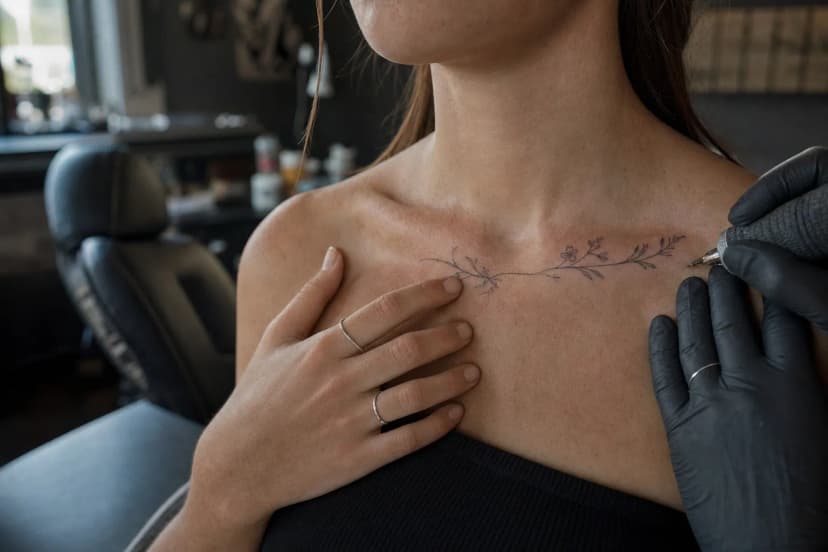
Low friction, elegant proportions, and a surface that photographs beautifully. The collarbone rewards horizontal layouts, a flowing script word, or a fine botanical running parallel to the bone. Sternum placements work well with vertical symmetry, particularly geometric or celestial designs.
One craft note worth knowing: the skin here moves with every breath. Letterforms with tight spacing need extra care at the design stage. If the gaps between letters aren't generous enough, breathing movement during the session can cause slight drift. The studio maps letterform spacing carefully before needlework begins.
Finger and Hand
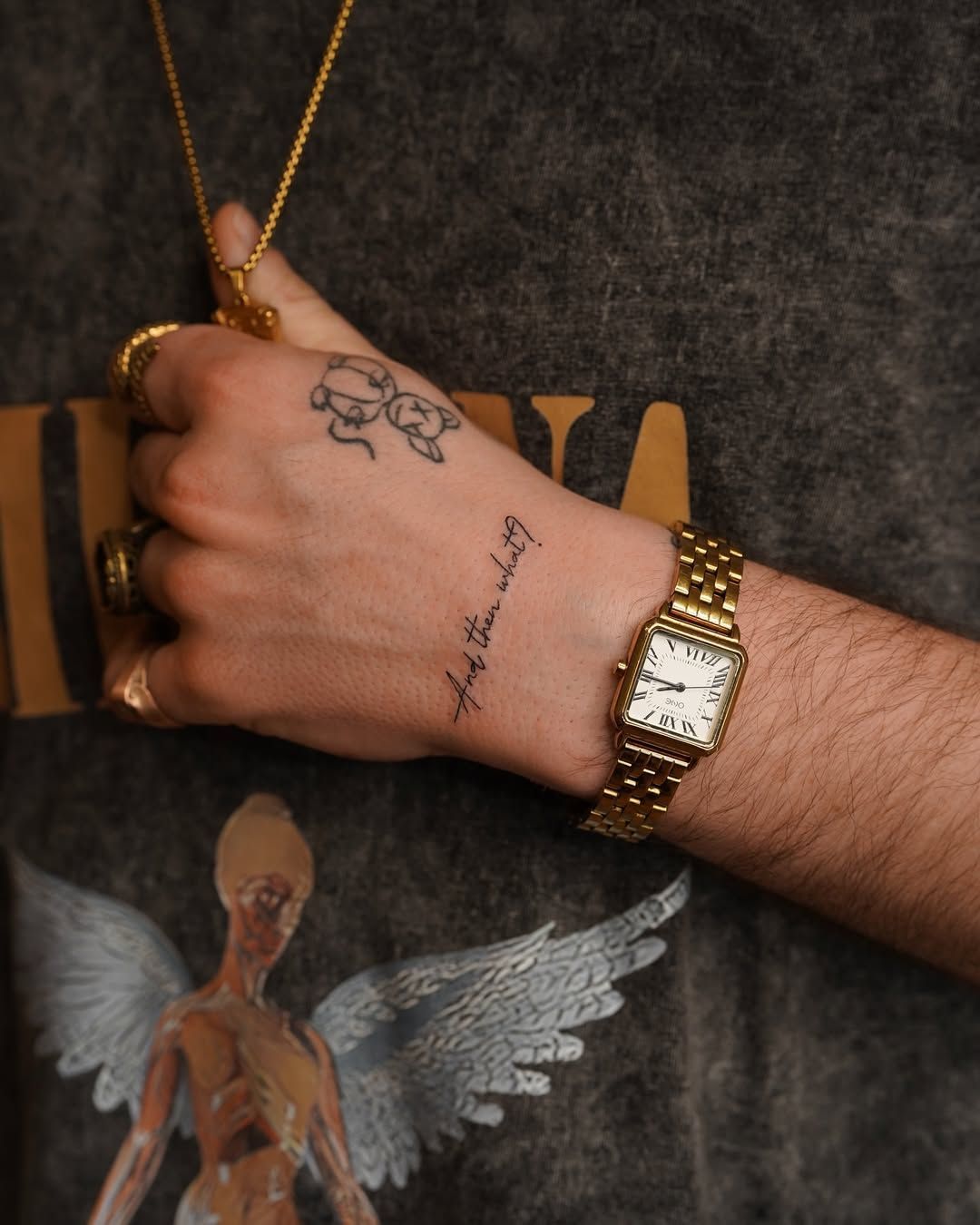
Fingers are the most requested and the most honestly complicated of all small tattoo locations. The skin regenerates fast, flexes constantly, and gets washed a dozen or more times a day. Even technically excellent finger tattoos typically need a touch-up within a year or two. Some fade significantly within months.
The studio flags this clearly at every finger-tattoo consultation. Not to discourage you, but because going in with realistic expectations is fairer than the alternative. If you're committed to a finger placement, the design needs to be stripped back to almost nothing: a single clean line, one tiny symbol, a letter at most.
A Placement Comparison at a Glance
Use this table as a quick reference when you're deciding between two or three options. It won't replace a consultation, but it will help you arrive with clearer questions.
| Location | Detail Retention | Sun Exposure | Healing Complexity | Best Suited Styles |
|---|---|---|---|---|
| Inner forearm | Excellent | Low-moderate | Low | Fineline, minimalism, lettering |
| Inner wrist | Good | Moderate | Low-moderate | Minimalism, small geometric |
| Outer wrist | Good | High | Moderate (friction) | Minimalism, simple lettering |
| Behind the ear | Moderate | Low | Moderate-high | Minimalism, micro floral |
| Ankle / outer ankle | Good (simple designs) | Moderate-high | Moderate | Geometric, botanical, fineline |
| Collarbone / sternum | Very good | High (collarbone) | Low | Fineline, lettering, floral |
| Finger / hand | Poor (fades fast) | High | High | Ultra-minimal only |
How the Studio Thinks About Size and Placement Together
Every small tattoo placement decision at this studio starts with a line-weight question. The finest needles used in fineline tattoos can lay down lines as thin as 0.3mm. But at very small scales, those lines need to be spaced far enough apart that they don't bleed into each other as the skin settles over the following weeks. Under about 2 cm across, most designs need to be simplified before scaling down, not just shrunk.
"If the stencil sits 2mm off-centre on a mandala, you'll see it every time you look at the piece. We place the stencil, step back, look at how it sits with your posture and bone structure, and adjust before any needle touches skin."
That stencil step is non-negotiable for small work. It takes a few extra minutes and catches problems that would otherwise be permanent. For curved surfaces like the ankle or collarbone, the stencil is sometimes applied in sections to account for how the skin wraps around the underlying structure.
The minimalist tattoo location ideas guide on the blog goes further into how specific design elements interact with different body zones, if you want to read into the detail before your consultation.
Lisbon-Specific Healing Realities by Location
Lisbon's climate is mild in winter, but summers run humid and warm, particularly down near the waterfront and in neighbourhoods like Alfama and Cais do Sodré where the air sits still between the hills. That humidity affects healing differently depending on where your tattoo sits.
Ankle and foot placements are the trickiest in summer. Sandals mean constant sun exposure on fresh ink, and the friction of a strap crossing a healing tattoo is a real problem. If you're planning an ankle piece, autumn or winter is a more sensible window, when you're in trainers or closed shoes and the skin isn't competing with sun, sweat, and sandal straps simultaneously.
The behind-ear placement needs specific attention in warm months. Walking through Alfama on a July afternoon generates real heat around the neck and ears. Sweat, sunscreen running down from the hairline, and hair products all reach that spot easily. The aftercare routine for this location is stricter than average.
Collarbone placements catch a lot of direct sun in Lisbon's long summers. SPF 50 on healed ink is not optional here; it's the difference between crisp lines at year five and soft, greyed-out ones. For detailed guidance on day-by-day care once you're home, the studio's tattoo aftercare guidance covers exactly what your skin needs through each phase.
Practical Tips Before You Book
A few things make a real difference on the day and in the weeks before it.
- Wear the right clothes. If you're getting an inner forearm piece, a loose short-sleeved top or a rollable long sleeve works fine. For a collarbone or sternum placement, a button-front top or something with a wide neckline saves time and awkwardness in the chair.
- Stay out of the sun on that area for two weeks before. Sunburned or heavily tanned skin takes ink less evenly. This matters most for collarbone, ankle, and outer wrist placements, which all catch significant UV in Lisbon's summers.
- Moisturise the area consistently in the weeks leading up to your session. Well-hydrated skin takes ink more evenly and tends to heal with cleaner edges. Nothing elaborate. A basic fragrance-free moisturiser applied daily is enough.
- Bring placement references, not just design references. A photo of the exact spot on your own body, or a reference image showing the tattoo positioned on someone with similar body proportions, tells the artist far more than a flat design sketch alone.
- Discuss feasibility openly at consultation. The studio looks at your specific skin, the proposed size, and how the design needs to adapt before confirming any placement. What works on one person's wrist might need a different approach on another's.
For a broader look at where different small designs tend to land well, the guide on small tattoo placement ideas has location-by-location breakdowns worth reading before you decide.
- Choose your location based on how you want to see (or hide) the piece day-to-day.
- Think about your lifestyle: frequent sun, swimming, or manual work all affect which spots make sense.
- Let the design adapt to the placement, not the other way around.
- Book a consultation before committing to a specific design and size combination.
Frequently Asked Questions
What is the least painful location for a small tattoo?
Fleshy areas with fewer nerve endings are generally more comfortable: the outer forearm, upper arm, and calf are commonly well-tolerated. Bonier spots like the wrist, ankle, collarbone, and behind the ear tend to feel sharper. Skin thickness and personal tolerance vary considerably, so no location is universally painless.
Which small tattoo locations last longest without touch-ups?
The inner forearm, upper arm, and calf hold fine detail longest because the skin there is stable and sees less daily friction. High-movement zones like fingers, inner wrists, and feet fade faster. Sun-exposed locations without consistent SPF protection also degrade line clarity more quickly over time, which matters a lot in Lisbon's summers.
Can I get a small fine line tattoo behind my ear in Lisbon?
Yes, but the placement has specific challenges. Lisbon's humid summers mean sweat and hair products can interfere with healing if you're not careful. The canvas is very small, so designs must be kept genuinely simple. You'll receive a precise aftercare routine tailored to that area and honest guidance on what complexity the spot can realistically hold.
How small is too small for a detailed minimalist tattoo?
As a general guide, anything under 2 cm across becomes difficult to hold fine detail in over time. Minimalist designs work well at small scales because they strip away complexity, but even simple line-work needs enough space that the needle can move cleanly without lines merging as the skin heals. This is assessed individually at consultation.
Do finger tattoos fade faster than other locations?
Yes, noticeably. Fingers flex constantly, the skin regenerates quickly, and they're washed dozens of times a day. Even well-executed finger tattoos typically need a touch-up within a year or two. This is flagged honestly before you decide, so you go in with realistic expectations about longevity rather than a surprise six months later.