Why Placement Is the Decision, Not an Afterthought
Minimalism on skin lives inside negative space. The empty area around a single botanical line or a small geometric form is what makes the piece read. Put that design on a surface that's too curved, too mobile, or too textured, and the negative space compresses before the needle has even left your skin.
Skin texture, proximity to bone, and daily movement all change how a fine-line piece settles over the following eight weeks. A 4 cm geometric circle sits perfectly on the flat plane of the forearm. Place it on the wrist and the natural curve of the joint starts to distort the symmetry the moment you flex your hand.
Minimalist tattoo placement isn't about aesthetics alone. It's a structural decision that affects how long the work holds, how legible it stays, and how your body interacts with it every day. Getting that decision right before you sit in the chair is one of the most useful things you can do.
The Best Placements for Minimalist Tattoos, Ranked by Skin Behaviour
Forearm and Inner Arm
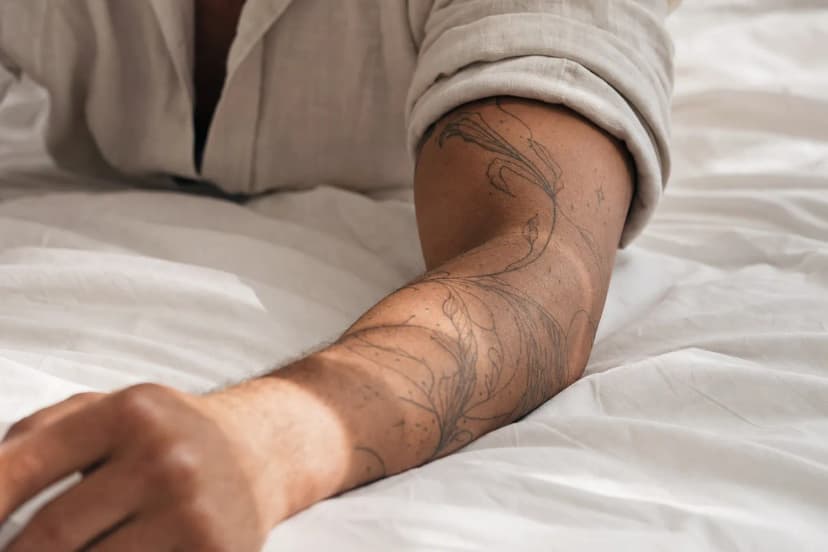
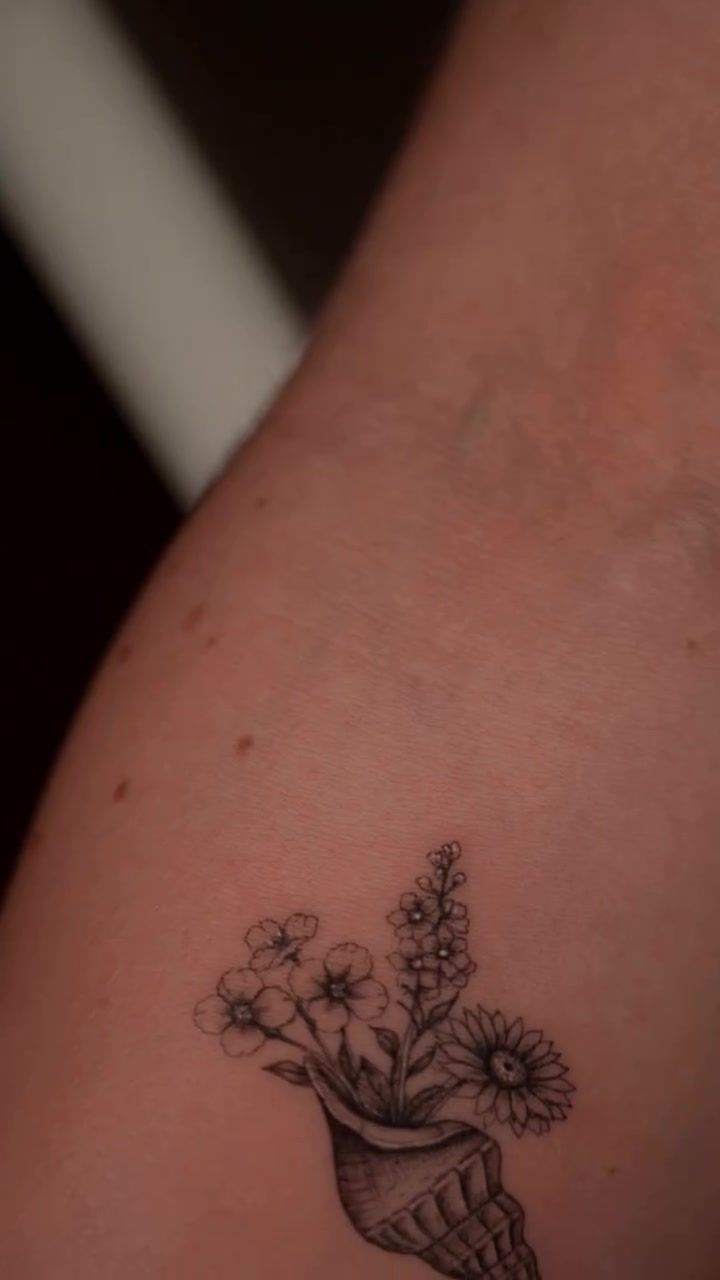
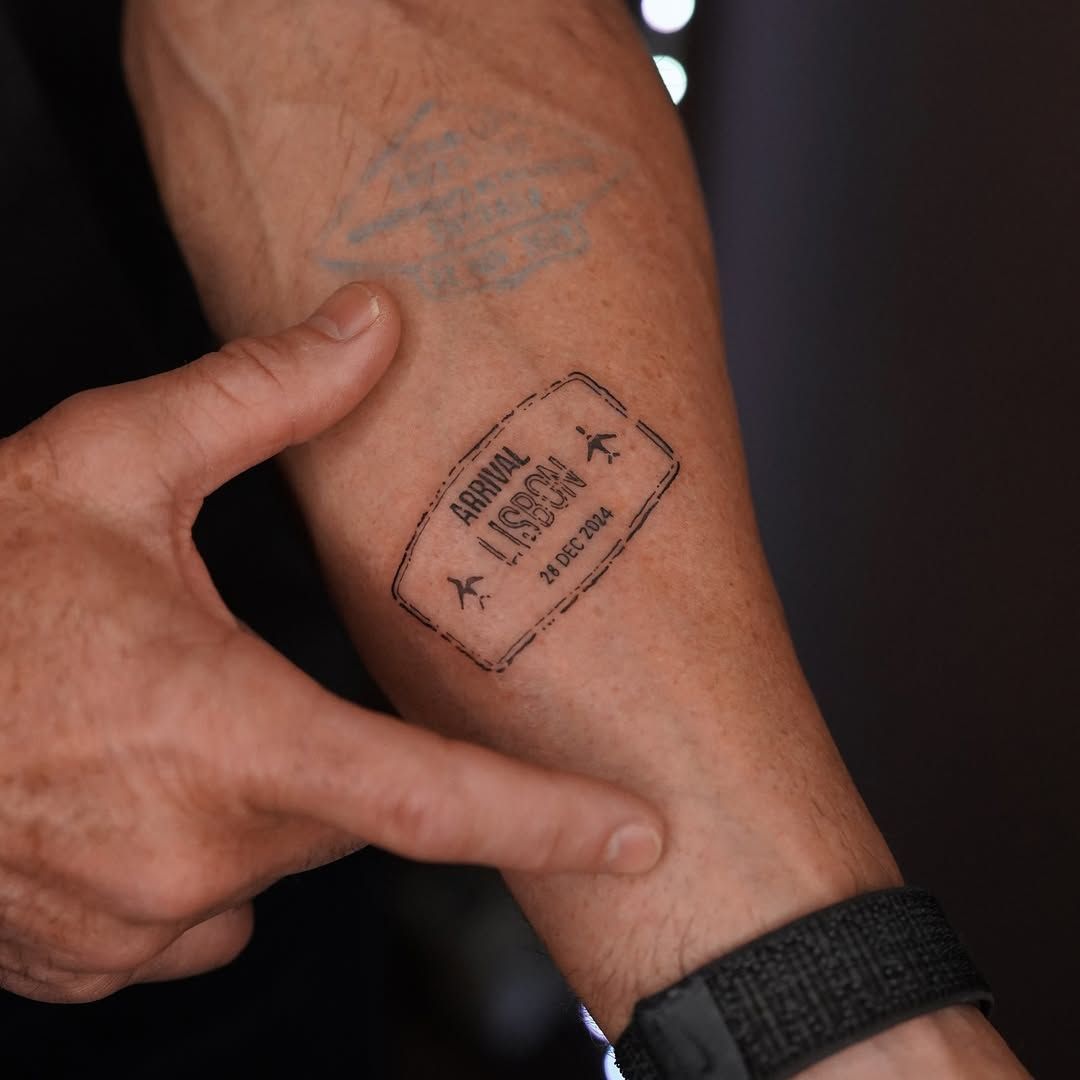
The inner forearm is probably the most reliable canvas for minimalist tattoo work. It's flat, relatively low in daily friction, and far enough from major joints that a fine line stays crisp after healing. Lettering, single-needle botanical work, and small geometric forms all land cleanly here.
The outer forearm is slightly more exposed to sun and sleeve friction, but still performs well. If you work at a desk and rarely roll up your sleeves, the inner arm is also one of the easier placements to keep out of direct UV during those first six weeks of healing.
Collarbone and Sternum
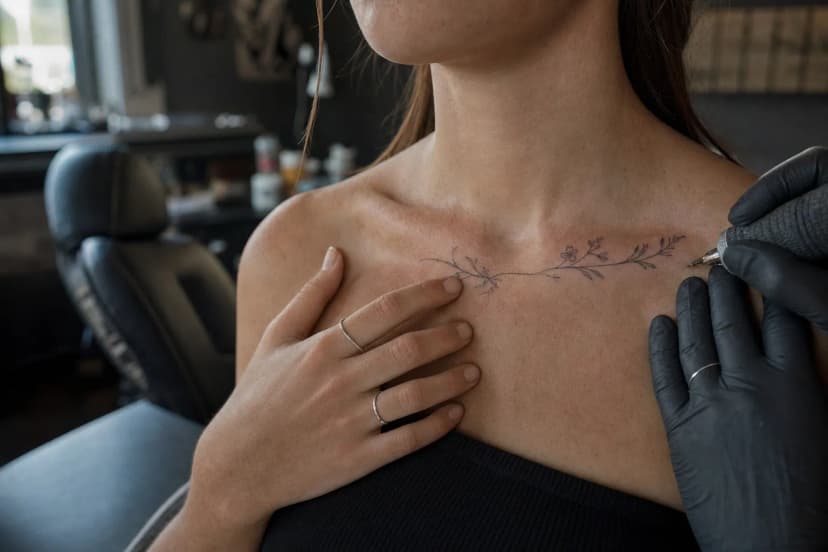
The collarbone is one of the most requested spots for minimalist placement, and with good reason. The bone contour frames the design naturally, giving a horizontal piece a ready-made baseline without any graphic container. The skin here is relatively thin, which means fine detail reads sharply immediately after healing.
The sternum runs through similar territory but with one extra consideration: movement. Breathing shifts the skin gently but constantly, and an artist needs to account for that when placing the stencil. A good stencil session on the sternum takes longer than one on the forearm, for exactly this reason.
Ankle and Outer Foot
Ankle tattoos heal well in Lisbon's mild winters, when you're likely wearing socks and trainers that protect the fresh skin from UV. In summer, sandals and sun exposure are a real factor. Footwear friction is the bigger long-term issue: the outer ankle fares better than the top of the foot, where shoe material contacts skin all day.
Expect some additional touch-up attention on ankle pieces over time, particularly if you're an active person. The design should account for this from the start. Simple, bold-enough line weights hold longer than ultra-fine micro detail in this location.
Behind the Ear and Nape
Behind the ear is a genuinely tiny canvas. The practical maximum here is around 3 to 4 cm, and single-needle work is the only technique that fits without crowding. Hair contact is the main enemy: longer hair brushing against a fresh tattoo daily accelerates fading and can carry bacteria during healing.
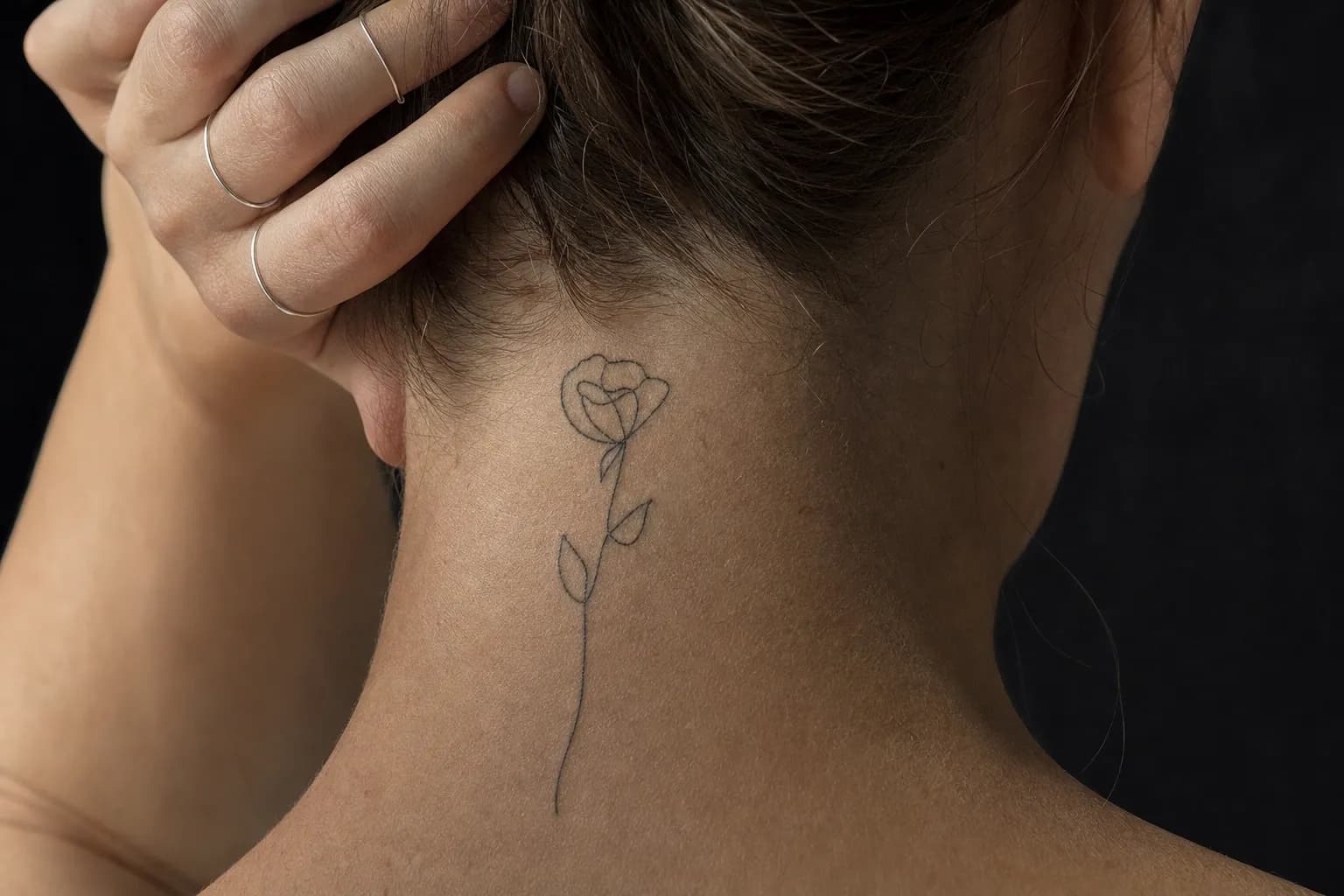
The nape of the neck offers a slightly larger and flatter surface. It's well-suited to a horizontal phrase or a small geometric form that follows the natural line of the neck. Both spots are easy to conceal under hair, which matters for some clients in professional settings.
Ribcage and Side Torso
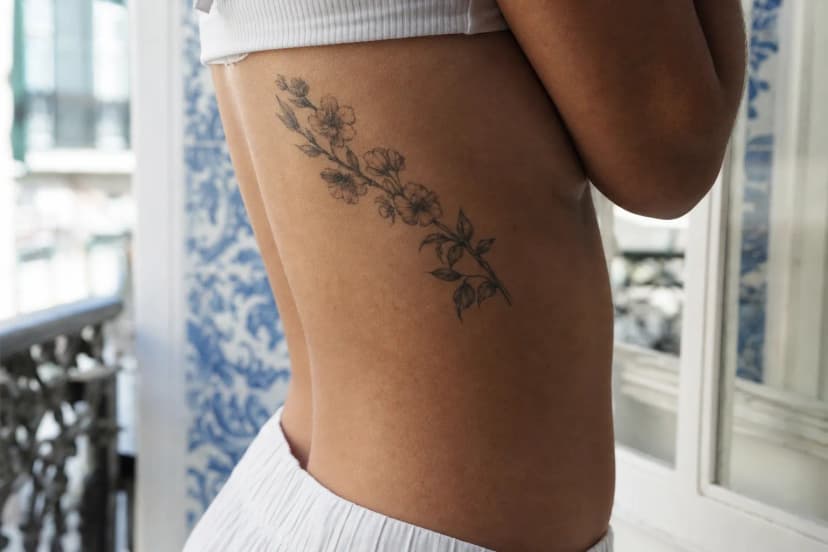
The ribcage is one of the more technically demanding placements for minimalist work. Every breath moves the skin. If the stencil isn't positioned with the artist accounting for this expansion and contraction, a straight line can develop a subtle wave after healing. An experienced artist will often ask you to breathe normally during stencil placement rather than holding your breath, precisely so they can see how the skin moves.
Clothing friction during healing is lower here than on the ankle or wrist, which is an advantage. In Lisbon's humid August heat, a ribcage or inner-upper-arm placement actually heals more calmly than an exposed forearm simply because it stays under fabric and out of direct sun.
Wrist and Finger. The Honest Truth
The wrist is one of the most requested minimalist tattoo spots, and the longevity reality is worth knowing before you book. The inner wrist flexes constantly, sits in frequent sunlight, and is often in contact with desks, keyboards, and watchbands. Fine lines here can migrate (meaning the ink spreads slightly through the dermis, softening edges) faster than on the forearm.
Fingers are more challenging still. Finger skin is shallower and regenerates more quickly than inner-arm skin. The dermis layer, where ink sits permanently, is thinner and more prone to rejection of pigment. Most finger tattoos need a touch-up within one to two years. If long-term crispness matters to you, the inner wrist or forearm will serve a minimalist design considerably better. For more on the honest sizing limits that apply to these smaller placements, the guide on what actually fits at micro scale is worth reading before your consultation.
Size, Detail and Placement: How They Interact
Minimalism depends on precision. A 2 mm gap between two lines that reads as intentional breathing room at 8 cm becomes invisible at 3 cm. The design doesn't fail because the artist made an error; it fails because the placement didn't give the composition enough room to exist.
This is one reason why where to put a minimalist tattoo is inseparable from deciding how large it should be. A small tattoo placement guide that ignores size is only half the picture. The table below maps common placements against realistic size ranges, typical session lengths, and honest notes on how they hold over time.
| Placement | Ideal size range | Typical session length | Longevity note |
|---|---|---|---|
| Inner forearm | 4-12 cm | 45 min. 1.5 hrs | Holds well; low friction, easy to protect |
| Collarbone | 6-14 cm | 1. 1.5 hrs | Good; needs SPF discipline in Lisbon summers |
| Ankle / outer foot | 3-7 cm | 30. 60 min | Moderate; footwear friction over time |
| Behind the ear | Up to 4 cm | 30. 45 min | Can fade with hair contact; single-needle only |
| Ribcage / side torso | 6-18 cm | 1.5. 2 hrs | Good; stencil placement is more complex |
| Inner wrist | 3-6 cm | 30. 45 min | Moderate; sun and flex accelerate fading |
| Fingers | 1-3 cm | 20. 30 min | Low; touch-ups expected within 1-2 years |
For anyone weighing a very small design, the question of readable detail becomes pressing fast. The studio's broader notes on placement ideas for small tattoos covers this territory with more examples across styles.
How the Studio Approaches Minimalist Placement in Lisbon
The first question at a consultation isn't "what do you want?" It's closer to "how do you live?" An office worker whose forearms are under a jacket most of the year has different placement options than someone who works outdoors in the Alfama heat from April through September. Sun exposure, physical activity, and even habitual clothing choices all feed into which spot will serve the design for the longest time.
"The stencil goes on the body before any ink decision is final. We look at it together, from multiple angles, in natural light. That's when placement questions get answered. Not on paper, but on skin."
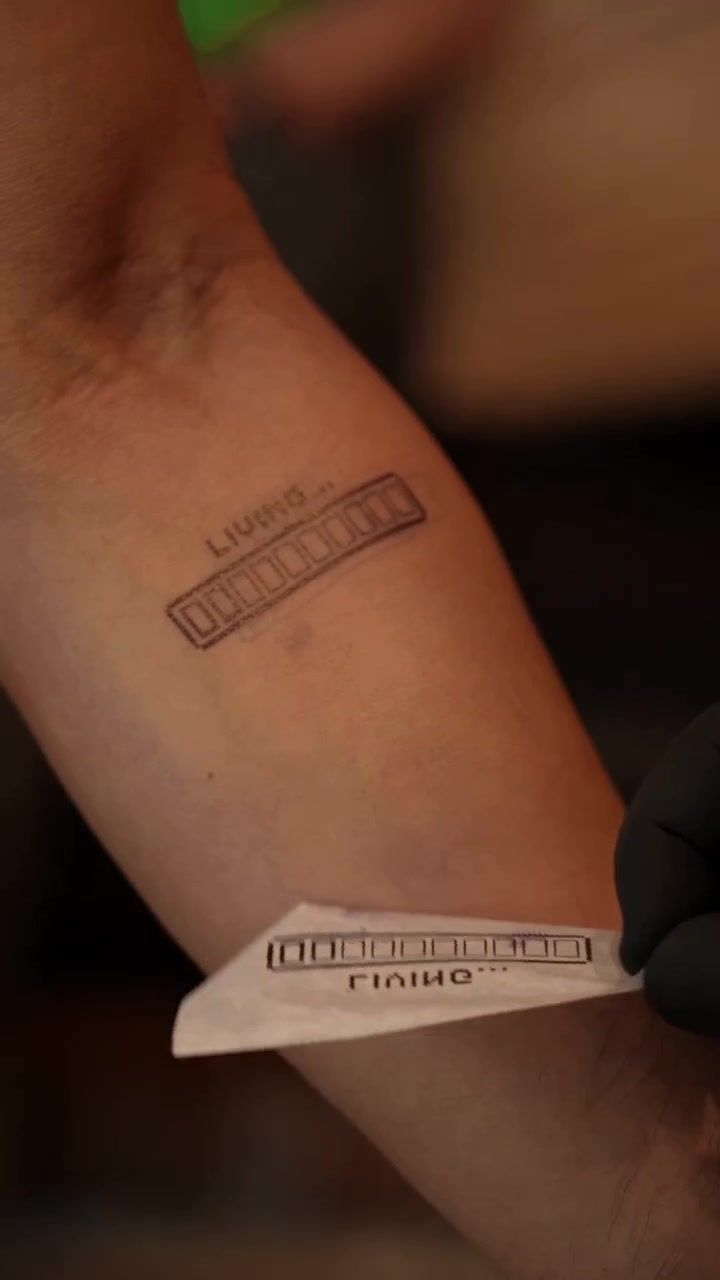
That printed stencil step matters more for minimalist work than for bolder styles. Because there's no heavy shading or fill to anchor the eye, a line that sits 2 mm off-centre on a mandala or geometric form becomes visible the moment you look at the finished piece. The studio takes the time to get the stencil exactly right before any needle touches skin.
Lisbon's climate is a real factor in August bookings. The city runs humid and sunny from late spring through early autumn, and a fresh tattoo on an exposed collarbone or forearm requires genuine SPF discipline for four to six weeks. For summer appointments, the studio often recommends a placement that stays under clothing during the initial healing window. You can explore the full range of minimalist tattoo work at the studio to get a sense of scale and style before arriving for consultation.
Good aftercare is the other half of protecting placement choices. The guide on aftercare that protects fine-line work goes through exactly what your skin needs in the days after you leave the studio, and it's particularly relevant if you've chosen a high-friction or sun-exposed spot.
What to Think About Before You Book
Lisbon's sun window runs from April through October. During those months, a freshly tattooed forearm or collarbone requires SPF 50 applied every time you step outside, for the first four to six weeks. Miss that routine and UV exposure can bleach fine lines before they've fully settled into the dermis. This is one of the most practical reasons some clients choose inner-arm or torso placements for spring and summer sessions.
- Professional visibility: The upper arm, ribcage, and shoulder blade all disappear under a standard office shirt. The inner wrist and forearm do not. Think about your work environment and how often you'd want the piece visible or concealed.
- Bring reference images showing placement on a body, not just the isolated design. A motif that looks balanced on a flat page can sit very differently on a curved shoulder or tapered ankle.
- Wear clothes that give easy access to the planned spot. If you're considering a ribcage or sternum placement, a loose, front-opening top saves everyone time at the appointment.
- Think about the five-year picture. The best placement for fine line tattoo work is one that still reads cleanly half a decade on. Hands and feet age faster than arms and torsos, and the design should account for that from day one.
One more practical note: minimalist tattoo spots in Lisbon that are popular for tourists often lean toward wrists and ankles for visibility. But if you're a resident and thinking long-term, the inner arm and collarbone tend to reward the decision more consistently over years of living with the piece.
- Ask the studio to hold a piece of paper at the planned spot so you can see approximate scale before committing to a size.
- Consider which season you're booking in. Winter placements on the forearm or collarbone are easier to protect from sun during healing than the same spots booked in June.
- If you've been comparing minimalist tattoo placement options online, note that skin colour, skin laxity, and existing muscle tone all affect how a design lands. What reads perfectly on one body won't automatically translate to another.
Frequently Asked Questions
What is the least painful placement for a minimalist tattoo?
Fleshy areas with fewer nerve endings tend to be more comfortable. The outer forearm, upper arm, and thigh are generally well-tolerated spots for minimalist work. Bony areas like the collarbone, ankle, and ribcage are more sensitive. Every person's threshold is different, so the most useful guide is a frank conversation at your consultation before booking.
Do minimalist tattoos fade faster in certain locations?
Yes. Hands, fingers, feet, and the inner wrist see constant friction, frequent sun exposure, and daily skin flexion, all of which accelerate fading. The inner forearm and upper arm tend to hold fine-line work the longest. Consistent SPF protection after healing makes a meaningful difference to how any piece looks at the five-year mark.
How small can a minimalist tattoo be on the wrist?
For a single-needle minimalist design with readable negative space, most wrist pieces work well from around 3 to 4 cm. Below that threshold, fine details can blur after healing as the ink settles. The artist will advise the safe minimum for your chosen motif based on line weight and the amount of open space the design needs to breathe.
Can I get a minimalist tattoo on my hand or finger?
Technically yes, but longevity is genuinely limited. Finger skin regenerates quickly, has less stable dermis depth than inner-arm skin, and takes constant mechanical wear from daily tasks. Most hand and finger tattoos need touch-ups within one to two years. If long-term crispness matters, the inner wrist or forearm will serve a minimalist design far better.
How does Lisbon's climate affect which placement I should choose?
Lisbon's strong UV from April through October makes sun-exposed placements like the forearm and collarbone harder to protect during healing. Booking a summer session? A placement that stays under clothing, such as the inner upper arm, ribcage, or shoulder blade, gives fresh ink a calmer environment. Winter bookings allow more flexibility across all placements.
How long does a minimalist tattoo session take depending on placement?
A small single-element piece on a flat surface like the inner forearm typically takes 45 minutes to one hour. Curved placements like the ribcage or collarbone require more careful stencil work and can add 20 to 30 minutes. Larger compositions covering 10 cm or more on any placement may run to a 90-minute or two-hour session.