The Question Everyone Asks After Leaving the Studio
You walk out with fresh ink wrapped under a thin film, adrenaline still fading, and the first question that surfaces is almost always the same. When will this feel normal again? When can I stop babying it?
The honest answer has two parts. Your skin has two layers involved in healing, and they work on very different schedules. Surface healing. The redness, swelling and peeling you can see. Resolves in one to two weeks. Deep healing, where the ink actually lives in the dermis (the layer beneath your outer skin), takes two to four months. Sometimes longer.
Knowing the difference changes how you treat your tattoo and what you expect when you look in the mirror on day twelve.
Two Kinds of Healing: Surface and Deep
What the skin is actually doing
When a tattoo needle punctures the skin, it deposits ink into the dermis, which sits beneath the epidermis (your outermost, visible skin layer). The epidermis heals over the top of it. That's the peeling and flaking you see in week two. But the dermis takes considerably longer to stabilise around the pigment particles.
Think of it this way: what you see on the surface after two weeks is a window, not the full picture. The colour and line definition you judge at week three is still being refined underneath.
Why style and size change everything
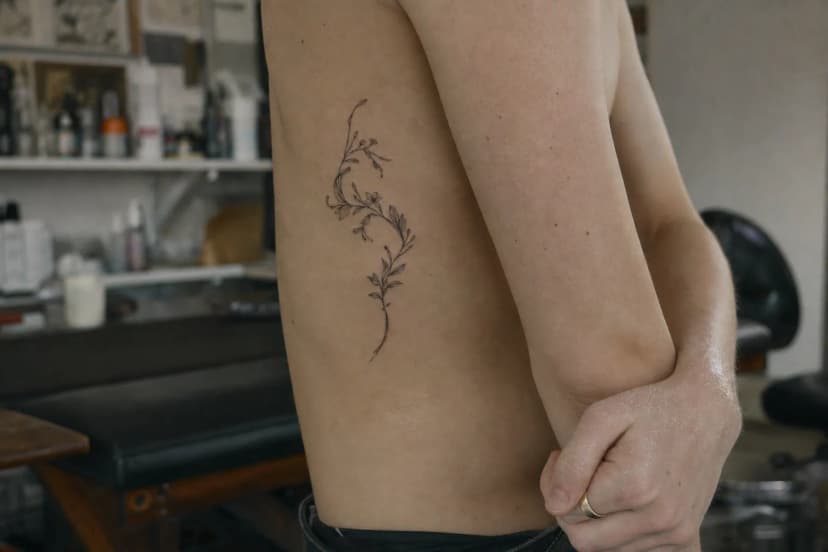
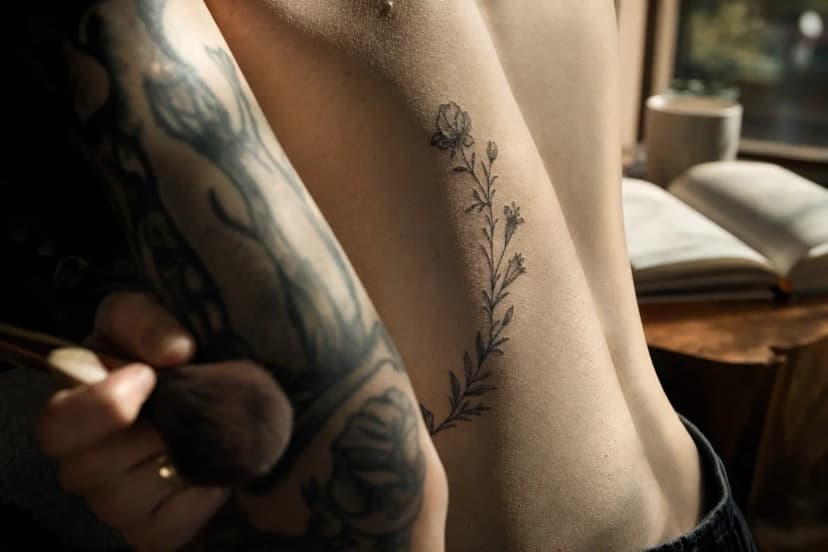
A large, dense realism piece involves far more needle passes over the same skin than a small fineline design. More passes means more trauma to the tissue, which means a longer dermal recovery. Fineline tattooing, done with a single needle or tight groupings, creates less disruption to the surrounding tissue. Surface healing still follows roughly the same timeline, but the dermis settles faster when the initial trauma is lighter.
Micro-realism sits somewhere between the two: small in size, but dense in pigment, which means the dermis is working harder than the scale suggests.
Week-by-Week Breakdown
Days 1-3: Inflammation and weeping
Your skin is in full repair mode. Redness, mild swelling, and a clear or slightly yellow fluid weeping from the surface are all normal. That fluid is plasma. The body's first response to any wound. It's not infection. It's biology.
Keep the area clean. Wash gently with unscented soap twice a day, pat dry, and apply a thin layer of unscented moisturiser. Nothing heavy. Nothing scented.
Days 4-7: Tightening and early peeling
The outer layer of skin begins to tighten. You'll notice the tattoo looks slightly raised and the surface feels like mild sunburn. Early peeling starts around day five or six. Do not pick at it. Each flake carries pigment on its underside, and pulling it off early pulls ink with it.
Week 2: The flake and itch phase
This is the week that worries most people. The tattoo may look dull, patchy, or faded. Lines that were sharp on day one appear softer. This is not ink loss. It's a thin layer of dead skin forming over the piece, muting what's beneath. Once it sheds naturally, clarity returns.
The itching is real and frustrating. Tap the skin gently if you need relief. Scratching damages the surface and risks infection.
Weeks 3-4: Surface clarity returns
By week three, most of the peeling has finished. The surface looks healed. Many people assume they're done at this point. You're not. The dermis is still actively settling, and the final colour has not locked in yet.
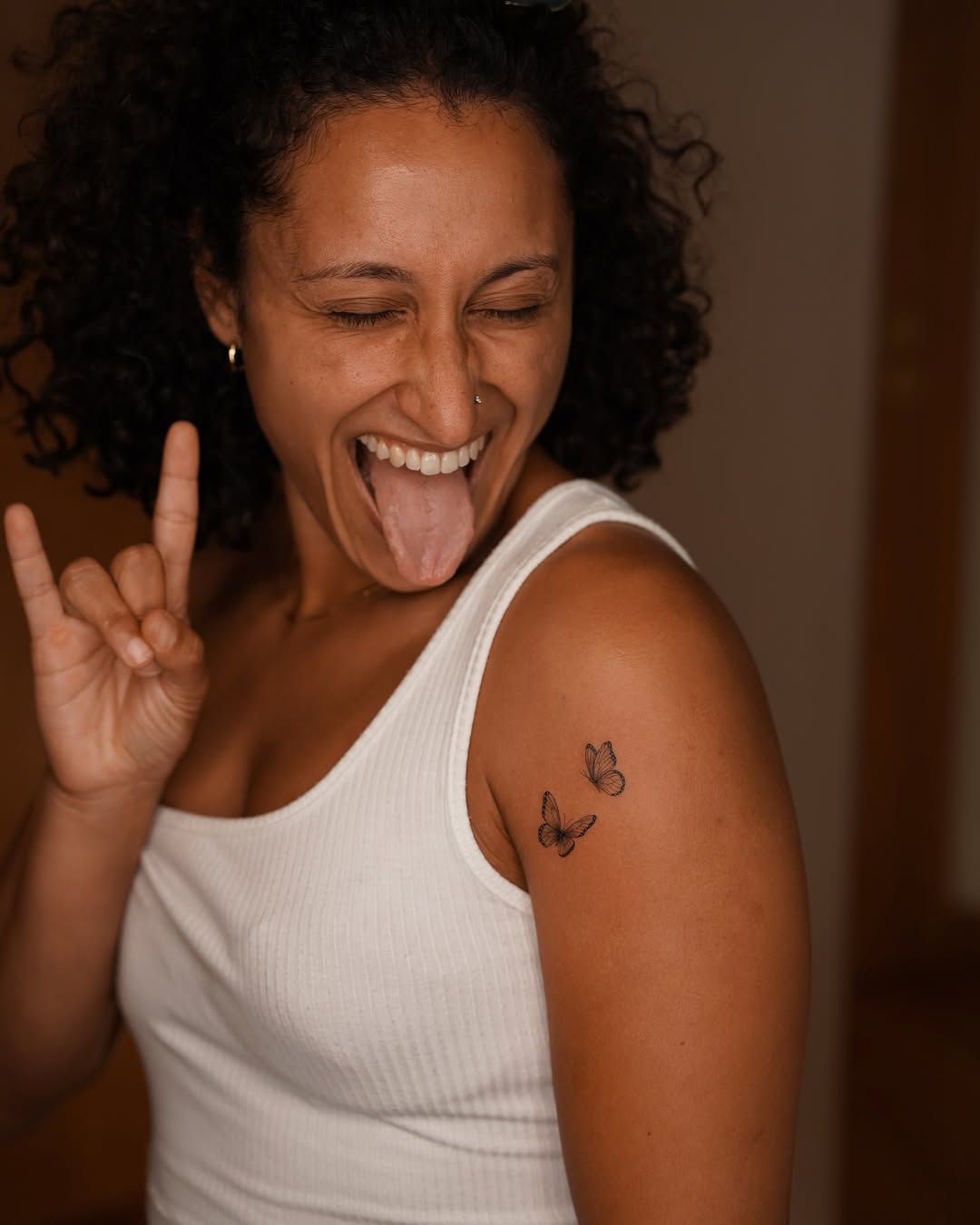
Months 2-4: The dermis settles
This is where the tattoo healing timeline quietly continues without obvious visual cues. Beneath the surface, the dermis is encapsulating the pigment, and lines are sharpening. For large realism pieces or dense geometric work, this phase can stretch to six months.
Touch-up decisions should never be made before the three-month mark. What looks like a gap or a soft line at week six may tighten completely on its own. For a detailed breakdown of what your skin does week by week during healing, that guide goes deeper into the biology.
What Slows Healing Down
Lisbon gets strong UV from April through October. Fresh tattoos and sun exposure are a bad combination. UV breaks down pigment before the dermis has sealed around it, which means fading that didn't need to happen. Cover the piece with clothing outdoors. SPF 50 comes later, once the surface has fully closed.
Lisbon summers are also humid, particularly near the river and along the coast. High humidity can slow the dry-phase of healing, where the skin needs to breathe and shed. A breathable film wrap for the first 24 to 48 hours helps manage this, but after that, the skin needs air.
Soaking is another problem. The Atlantic off Cascais looks inviting, but salt water and sand are abrasive on fresh skin. Pools are no better. Chlorine draws moisture out of healing tissue. Avoid both for at least three to four weeks after your session.
Placement matters significantly here. High-friction areas like the inner elbow, hands, and feet see constant movement and clothing contact. They peel more aggressively and take longer to settle. If you're weighing up locations, read about how placement affects the look and longevity of a piece before you decide.
How Style Affects Healing Time
Not all tattoos heal at the same pace. The style determines how much tissue trauma the session creates, which directly affects how long the dermis takes to settle.
| Style | Surface Healing | Deep (Dermal) Settling | Session Intensity |
|---|---|---|---|
| Fineline / Minimalism | 1-2 weeks | 6-8 weeks | Low to moderate |
| Geometric | 1-2 weeks | 8-12 weeks | Moderate (repetitive motion) |
| Micro-Realism | 1-2 weeks | 10-14 weeks | Moderate to high |
| Realism (large) | 2-3 weeks | 3-6 months | High |
| Lettering | 1-2 weeks | 6-10 weeks | Low to moderate |
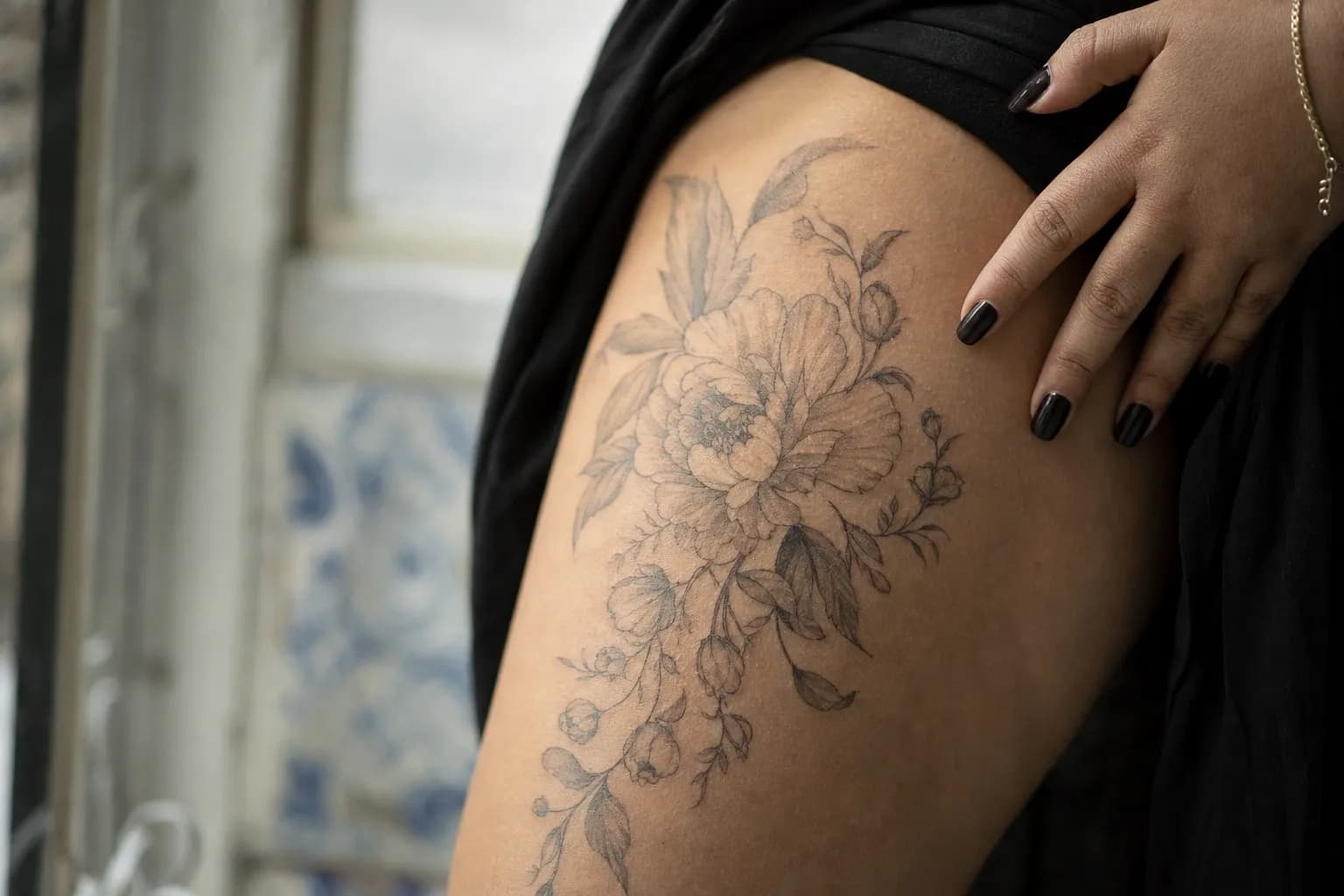
| Floral | 1-2 weeks | 8-12 weeks | Moderate |
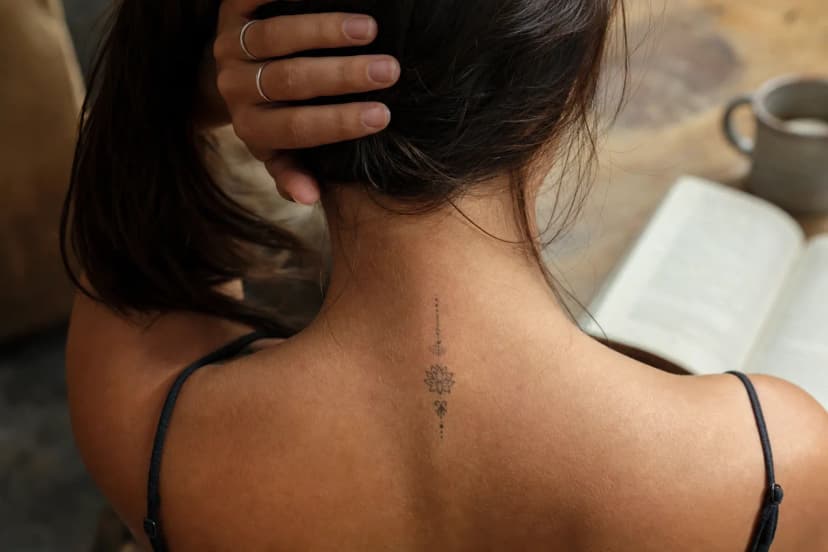
Geometric work is worth highlighting. Mandalas and sacred geometry patterns require the needle to pass repeatedly over adjoining sections to keep lines consistent. That repetitive motion across a single session increases redness duration and can make the skin feel more tender for longer, even when the piece is relatively small.
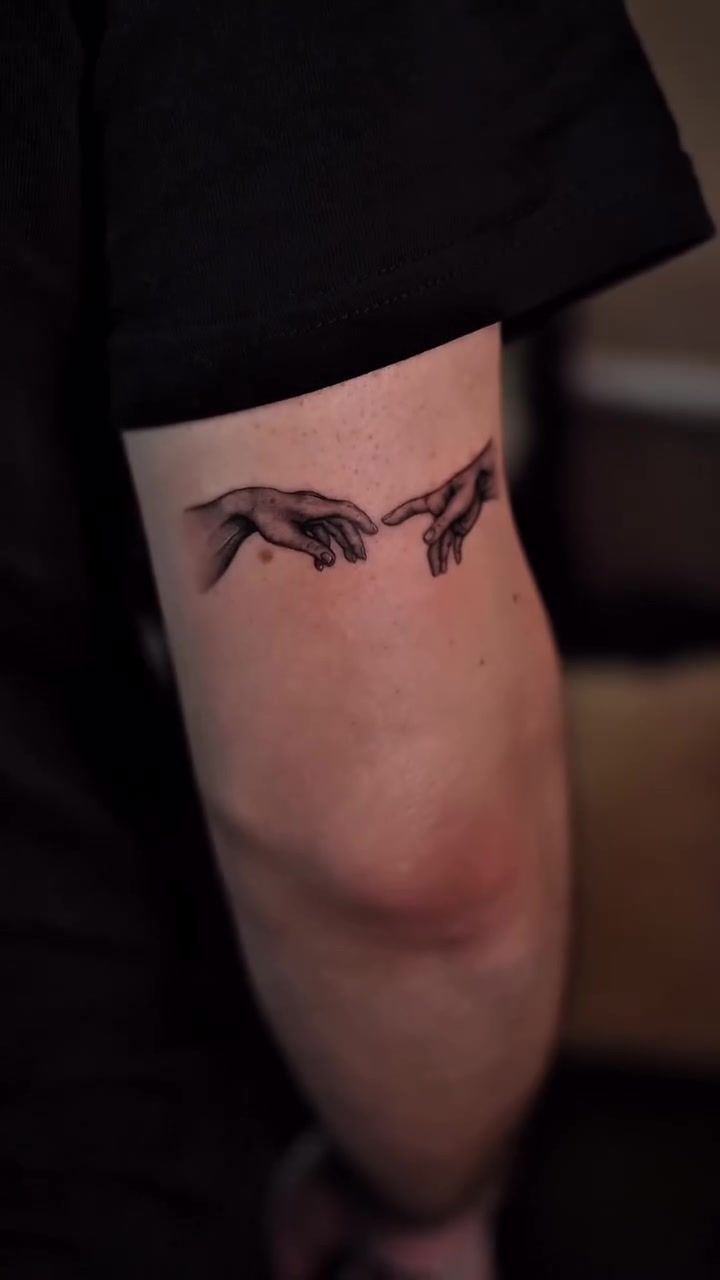
Fineline healing time is generally the most forgiving. Less needle trauma translates directly to a shorter inflammatory phase. The tradeoff is that fineline lines are also more vulnerable to poor aftercare. A small amount of picking or sun damage shows up more clearly on a single delicate line than on a shaded realism piece.
How the Studio Approaches Aftercare Guidance
Every client leaves the studio with written aftercare instructions, not just a verbal rundown at the door. The first 48 hours use a breathable film wrap, which keeps the wound environment stable without trapping moisture against the skin. After that, the routine is straightforward: gentle wash twice daily with unscented soap, pat dry, thin layer of unscented moisturiser.
Lisbon tap water is safe for washing fresh tattoos. The key is not letting water sit on the piece. A quick, gentle rinse, then dry immediately. For guidance on which products work and which to avoid, see the guide on choosing the right aftercare cream.
"The mistake we see most often is clients doing too much. Over-washing, over-moisturising, checking it every hour. The skin knows what to do. Your job is to keep it clean, keep it lightly hydrated, and leave it alone."
Touch-ups, when needed, are assessed at the three-month mark. Before that, the dermis is still working. What looks like a gap at six weeks often resolves itself completely by month three. Booking a touch-up too early means tattooing skin that hasn't finished healing the first time around.
Practical Checklist Before and After Your Session
Preparation and aftercare are part of the same process. What you do before you sit down affects how your skin responds in the hours after.
Before your session
- Drink plenty of water the day before and morning of your appointment. Hydrated skin takes ink more evenly.
- Eat a proper meal within two hours of sitting. Your blood sugar needs to be stable for a multi-hour session.
- Wear loose clothing that gives easy access to the placement area without rubbing the fresh tattoo on the way home.
- Avoid alcohol for 24 hours beforehand. It thins the blood and increases bleeding during the session.
- Moisturise the area daily in the week before your appointment. Well-hydrated skin holds ink better.
During the healing period, avoid:
- Direct sun exposure without covering the piece, especially in Lisbon between April and October
- Swimming in pools, the ocean, or any body of water for the first three to four weeks
- Gym towels touching the fresh tattoo. Towels carry bacteria and friction
- Tight clothing over the placement area, which rubs the surface during the peeling phase
- Picking, scratching, or peeling any flaking skin
- Heavy exercise that causes significant sweating in the first five to seven days
Healing is part of the tattoo. The result you see in six months depends just as much on what happens in the six weeks after your session as it does on the work itself. For a complete picture of the tattoo aftercare timeline and what each stage actually looks like on skin, the guide on what your skin does week by week during healing covers every phase in detail.
Frequently Asked Questions
How long does a tattoo take to heal completely?
Surface healing. Where peeling and redness resolve. Takes roughly two to three weeks. But the dermis, where the ink actually lives, continues settling for two to four months. Dense realism or large pieces can take up to six months to fully clarify. Your tattoo may look healed long before it truly is.
Is it normal for a tattoo to look faded after two weeks?
Completely normal. During the second week, dead skin cells form a thin layer over the tattoo, making colours look muted and lines appear softer than they are. Once that layer sheds naturally, the piece looks sharper again. Picking at flaking skin is the fastest way to pull out pigment permanently.
Can I go to the beach while my tattoo is healing?
Not for the first three to four weeks. Salt water and sand are abrasive on fresh skin, and soaking a fresh tattoo in the Atlantic. Even at Cascais or Comporta. Risks infection and washes out pigment. Once the surface is fully sealed and peeling is done, brief sun exposure with SPF 50 applied is safer.
Does placement affect how long a tattoo takes to heal?
Yes, significantly. High-friction spots like the hands, inner elbow, behind the knee, and feet see constant movement and rubbing from clothing. These areas peel more aggressively and may need a touch-up more often than placements on the outer forearm or shoulder blade, which have better skin stability.
When can I get a touch-up after my tattoo session?
The studio recommends waiting at least three months before assessing whether a touch-up is needed. Before that point, the dermis is still settling and what looks like a gap or soft line may tighten on its own. Booking a touch-up too early means working on skin that hasn't finished healing.