Why "Near Me" Matters More Than You Think for Fineline Work
Most tattoo styles have some tolerance for small errors. A bold traditional piece absorbs a 2mm wobble in a line without anyone noticing. Fineline does not. A single-needle stroke that sits 1mm off on a symmetrical mandala or a portrait is visible every time you look at the piece, because there is nothing else to draw the eye away from it.
That makes proximity to your artist genuinely practical, not just convenient. Touch-ups on delicate work need to happen at the right moment in the healing process, and a studio you can reach easily from Alfama or Príncipe Real means you won't skip that follow-up appointment.
Lisbon's climate adds another layer. Summer humidity here runs high, and UV intensity from June through September accelerates fading in fresh ink. If you're getting a fineline tattoo service done in July, you need a local artist who can advise you on aftercare specific to the conditions you're actually healing in, not generic guidance written for a dryer northern climate.
What Fineline Actually Is
Single-needle versus standard needles
Most tattoo lines are made with a round liner configuration, typically a 3RL or 5RL grouping. That means three or five needles soldered together in a tight cluster, which deposits ink across a wider path. A single needle, or a 1RL, deposits ink through one point. The resulting line can be as thin as 0.3mm.
Fine-gauge configurations like a 3RL used with a very light hand can also produce delicate lines. The key variable is line weight, and in fineline work, the thinner the line, the higher the demand on the artist's control. Any inconsistency in speed or pressure shows immediately.
What kinds of designs suit the style
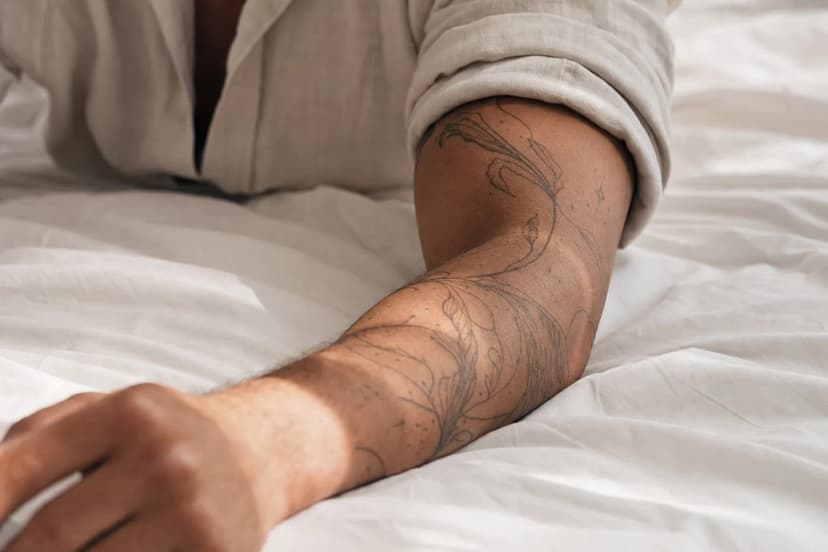
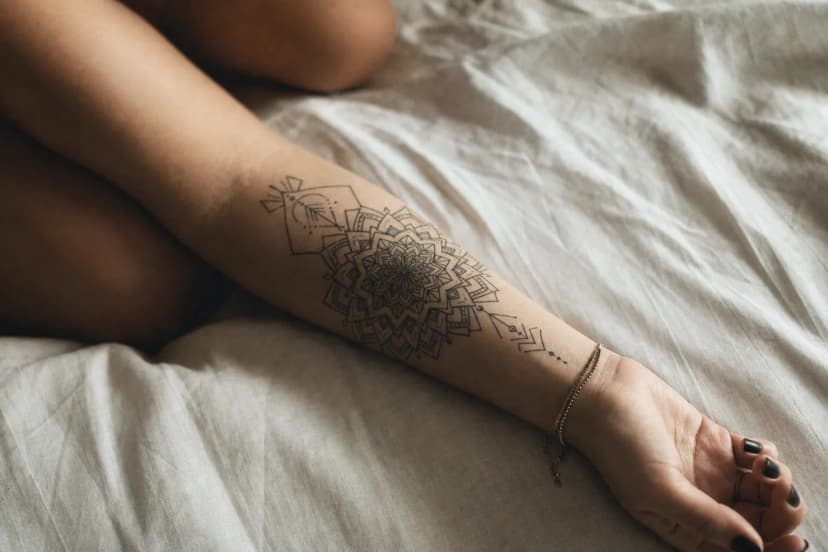
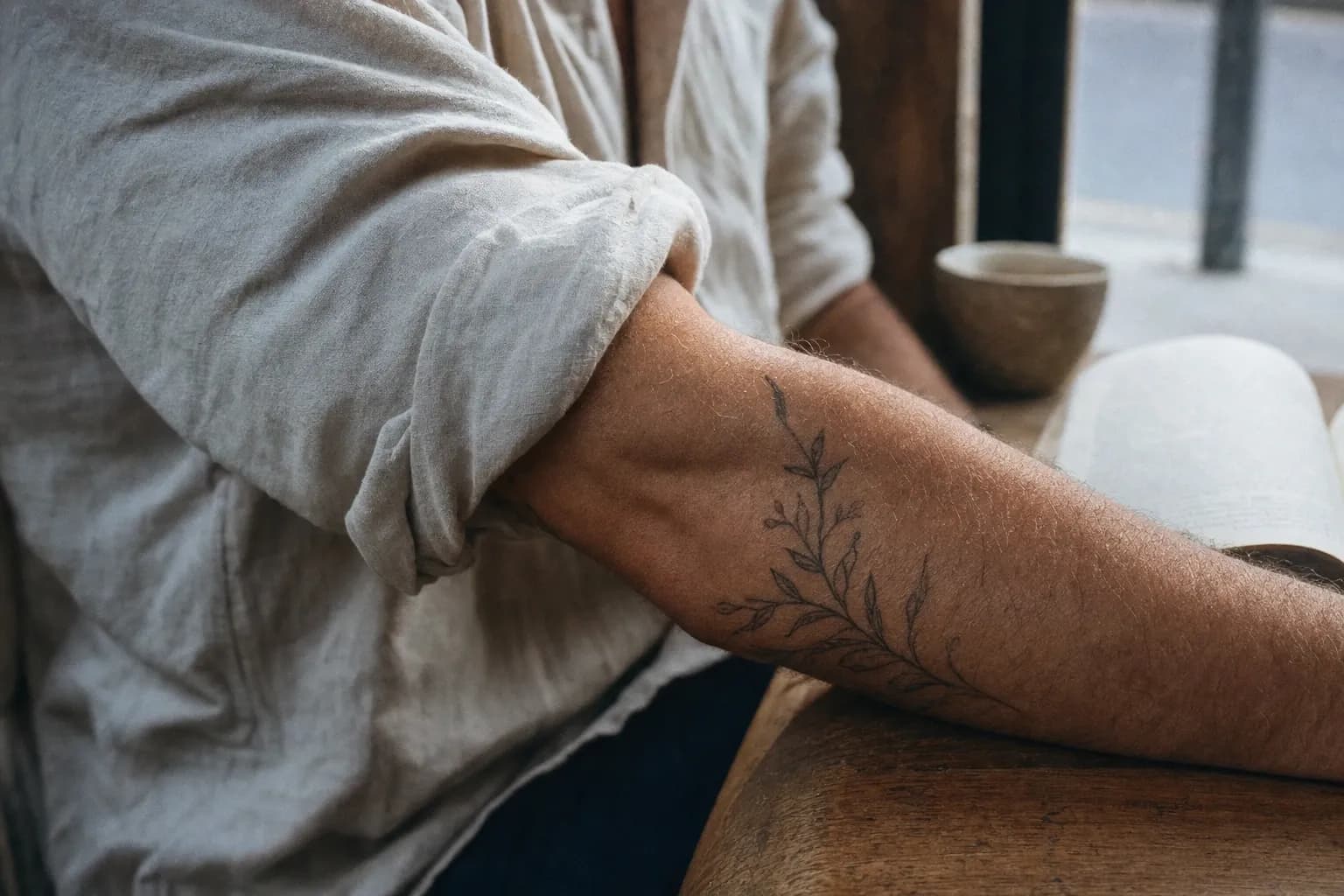
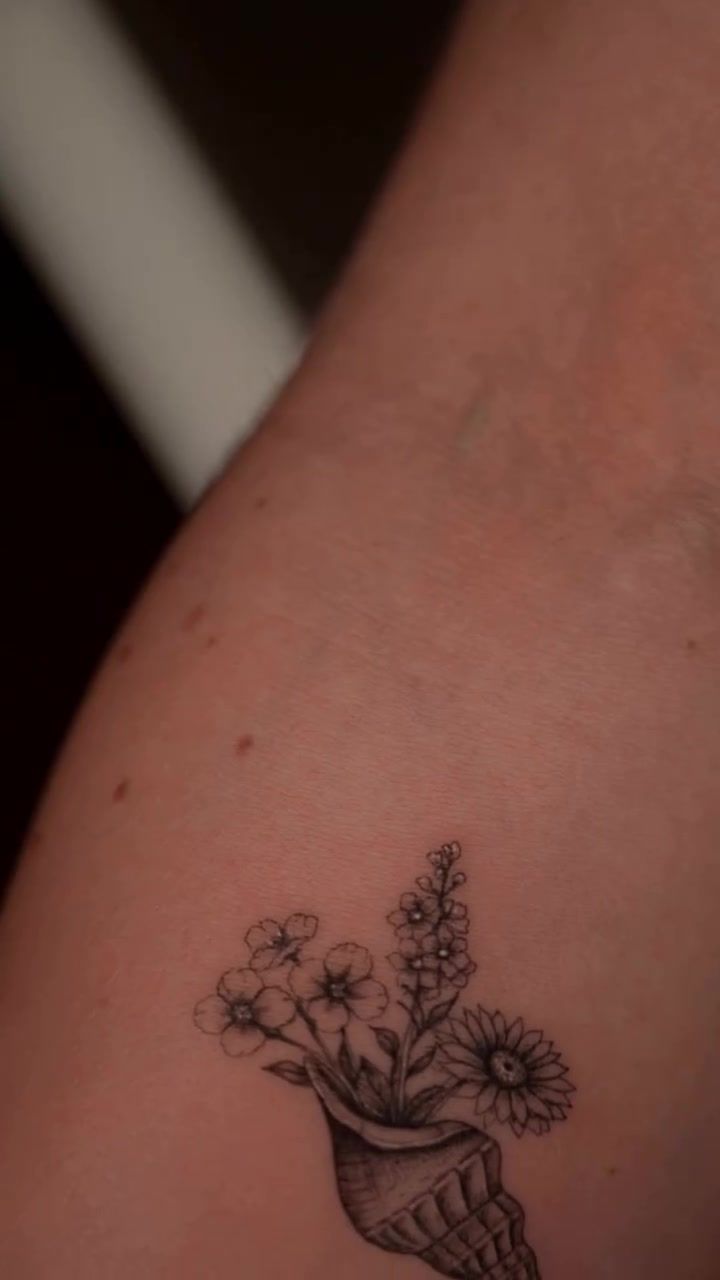
Fineline pairs naturally with what to look for in a fine line tattoo near you in Lisbon across several design families: botanical illustrations, geometric patterns, minimalist symbols, portrait details, and fine script lettering. The style allows for shading using hairline-thin strokes rather than solid fills, which creates a pencil-sketch quality unlike anything heavier work can achieve.
Not every reference image works at fine scale. A dense portrait that reads well at A4 size may collapse into a grey blur at 6cm. The artist will tell you this at consultation and adapt the reference rather than tattooing something that won't hold. That conversation is one of the most important parts of the process.
What Separates Good Fineline from Forgettable Work
Stencil accuracy
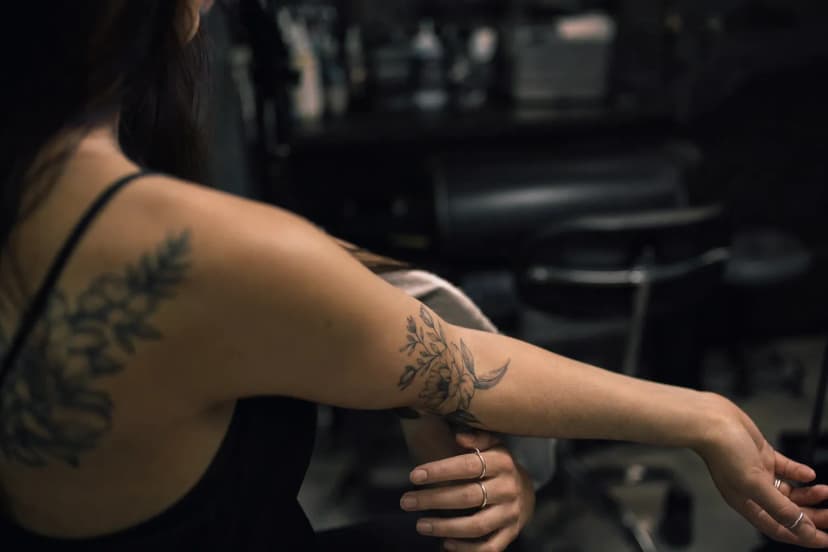
The stencil is the blueprint. If it sits 2mm off-centre on a symmetrical piece, that error is baked into the tattoo before the needle touches skin. Good fineline artists check placement multiple times, from multiple angles, in natural light. Some pieces are checked standing, sitting, and with the limb in motion, because a forearm stencil looks different when the arm is relaxed versus extended.
This is not overcautiousness. It is the difference between a piece you're proud of in five years and one you stop looking at.
Machine control and hand speed
Blowout is what happens when ink is pushed too deep or too fast, spreading beneath the dermis into the subcutaneous fat layer below. The result is a blurred halo around lines, like ink bleeding through paper. It's more common in fineline work done by artists accustomed to heavier styles, because the instinct is to press more firmly to ensure saturation. With a single needle, pressure and speed do opposite things to what you'd expect.
An experienced fineline artist moves at a consistent pace, letting the needle do the work at the correct voltage, rather than compensating with hand pressure.
Ink saturation without blowout
Getting a line to read as solid black at 0.4mm width, without spreading, requires dialling in machine voltage, needle depth, and movement speed simultaneously. Fresh fineline always looks sharp. The real test is how it heals. A well-saturated fineline piece at six weeks should still show clean, distinct lines with consistent weight throughout.
"Always ask for healed photos. Fresh work is easy. Healed work is where technique becomes visible."
When you're evaluating any artist for a precision tattoo in Lisbon, look for healed shots in their portfolio. Fresh photographs are essentially marketing. Healed photographs are evidence. For a deeper breakdown of how to read a fineline portfolio, see how to find a fine line tattoo artist.
How the Studio Approaches Fineline in Lisbon
Consultation and design
Every piece starts with a consultation, not a template. The studio does not copy flash designs or reproduce work from other artists. Your reference images are a starting point, a set of directions rather than a destination. The artist uses them to understand mood, density, and style preference, then sketches a custom design adapted to your placement and skin.
Scale gets adjusted during this stage. If your reference works at 10cm but your chosen placement suits 7cm, the design is redrawn to ensure fine details survive the reduction. This is why how to find a fine line tattoo artist matters: an artist who skips this step will transfer your reference at original scale and hope for the best.
The session itself
Once the design is approved, the stencil goes down. Then it gets checked. Then it gets checked again, in different light, from different angles. Only once placement is confirmed does the session begin.
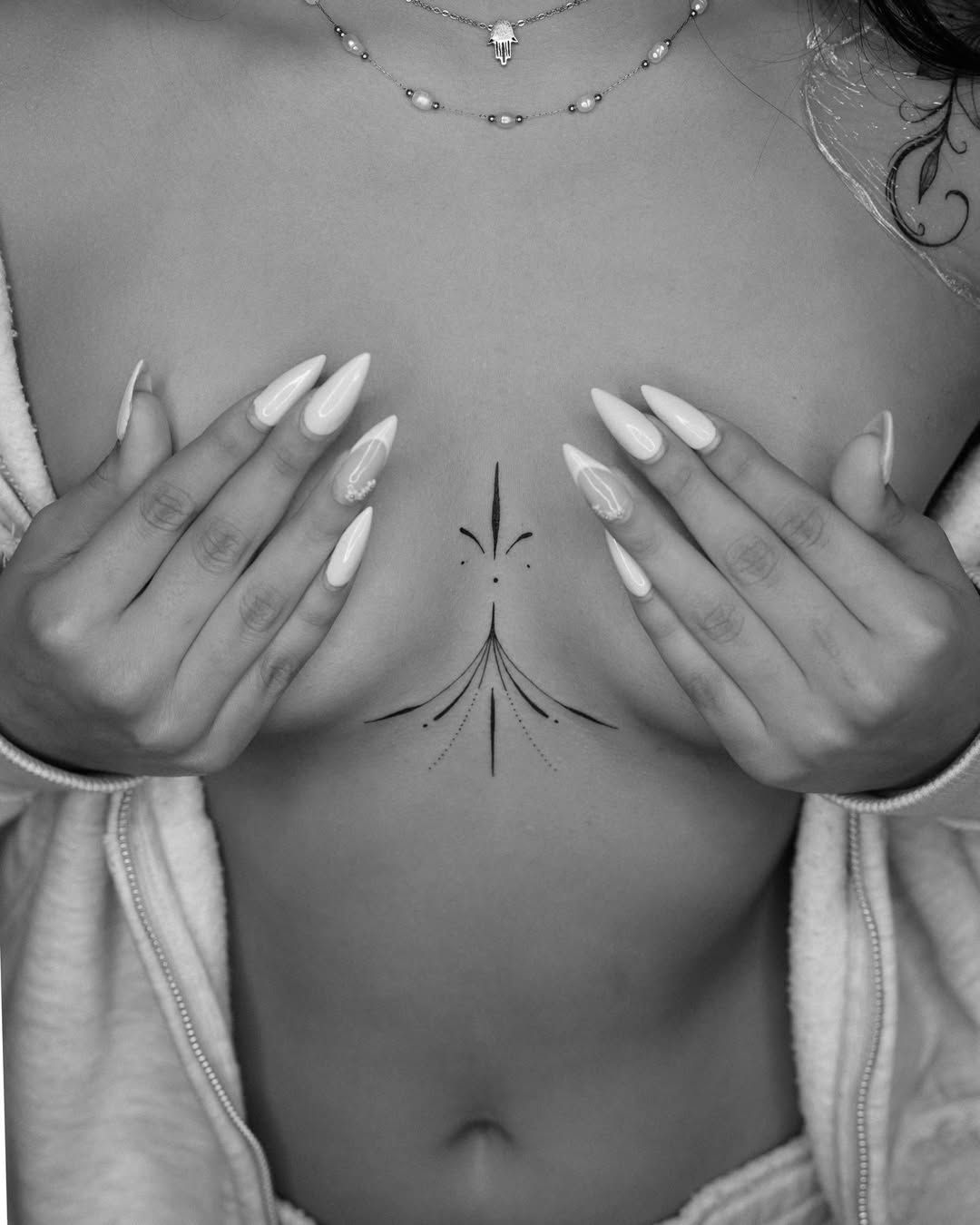
Small-to-medium fineline work typically runs between 1.5 and 3 hours. A delicate forearm botanical at 8cm might take 90 minutes. A more detailed sternum piece with layered linework and shading can reach the 3-hour mark. The studio doesn't rush sessions to fit more bookings into a day.
Placement, Sizing, and Healing: The Practical Side
Best placements for fineline
Some areas of the body hold fine lines reliably for years. Others don't, and a good artist says so before you book. For guidance on which placements actually work for small tattoos, the general principle holds: the more a skin surface moves, folds, or rubs against clothing or other skin, the faster fine ink breaks down.
Placements where fineline thrives:
- Outer forearm and inner forearm
- Inner wrist (low movement, consistent skin thickness)
- Sternum and upper chest
- Collarbone and clavicle area
- Upper back and shoulder blade
- Upper arm, both inner and outer
- Ribcage (slower to heal, but holds ink well long-term)
Placements where lines fade fastest:
- Fingers and knuckles (constant friction, rapid cell turnover)
- Palms and the sides of hands
- Feet and the tops of toes
- Behind the knee and inside the elbow (high flex zones)
| Placement Zone | Longevity of Fineline | Notes |
|---|---|---|
| Outer forearm | Excellent (5+ years with care) | Low flex, consistent skin; ideal for detailed work |
| Sternum / upper chest | Very good | Heals well; protect from sun exposure in Lisbon summers |
| Upper back / shoulder blade | Very good | Flat surface, low friction; clothing can cause initial irritation |
| Inner wrist | Good | Some UV exposure; keep out of direct sun during healing |
| Ribcage | Good | Slower to heal; skin movement during breathing is a factor |
| Fingers / knuckles | Poor (fades in 1-3 years) | High friction zone; touch-ups frequent and often necessary |
| Feet / tops of toes | Poor | Footwear causes friction; ink loss common within first year |
Healing in Lisbon's climate
Lisbon summers are warm and bright, with humidity that sits noticeably higher than northern European cities. For a fresh single needle tattoo Lisbon clients need to treat the first two weeks carefully: no direct sun on the area, no salt water (the Atlantic at Cascais can wait), and no sweating through fabric directly over the piece for extended periods.
The surface skin closes within 10 to 14 days for most people. Full dermal settling, where the lines find their permanent appearance, takes six to eight weeks. During Lisbon's mild winters, healing is generally more comfortable, with less UV risk and lower ambient heat. That said, the aftercare basics remain the same regardless of season.
On aftercare: the studio recommends keeping the tattoo wrapped with a breathable film dressing for the first 24 to 48 hours, then switching to a fragrance-free moisturiser such as Bepanthen applied in a thin layer two to three times daily. No soaking. No picking. The urge to peel is strong around day five. Resist it.
For a broader look at delicate tattoo studio Lisbon aftercare considerations, the what to look for in a fine line tattoo near you in Lisbon guide covers aftercare expectations in more detail.
Frequently Asked Questions
How do I know if a fineline tattoo artist is actually good?
Look at healed work, not just fresh photos. Fresh fineline always looks crisp straight off the machine. A strong portfolio shows healed pieces where lines are still clean and distinct, not blurred or greyed out. Check for consistency across multiple clients and multiple placements, not a single impressive photograph.
How long does a fineline tattoo take to heal?
Surface skin closes within 10 to 14 days for most people. Full dermal settling, where lines find their final appearance, takes six to eight weeks. In Lisbon's humid summer months, keep the tattoo out of direct sun and away from sea water during that first fortnight. The last thing a delicate piece needs is sun damage before the ink has settled.
Will my fineline tattoo fade quickly?
Placement is the biggest factor. Forearms, upper arms, and the back hold fineline well for years with basic sun care. Fingers, feet, and palms fade noticeably faster because of constant friction and rapid cell turnover. A good artist will tell you this honestly before you commit to a high-wear spot, rather than let you find out six months later.
What is the smallest size a fineline tattoo can be?
A well-designed fineline piece can work at around 3 to 4 centimetres for simple shapes and single-line motifs. Below that, fine details tend to merge as the skin heals and the ink settles. The artist will resize your reference if needed to ensure the piece holds long-term, not just in the first week when everything still looks perfect.
Do I need a consultation before booking a fineline tattoo in Lisbon?
Yes, and it is worth doing properly. Fineline design depends heavily on scale, placement, and how your reference translates to skin. A consultation lets the artist adapt the design before any stencil is cut or needle touches skin, saving you from corrections that are far more costly than the conversation itself.