Why "Near Me" Only Gets You So Far
Typing a location into a search bar is a reasonable starting point. But fineline is one of the most technically demanding styles in tattooing, and a five-minute walk to the wrong artist can leave you with a blown piece you'll carry for life.
If the stencil sits 2mm off-centre on a delicate botanical design, you'll see it every single time. If the needle gauge is wrong for the scale of the piece, lines bleed into the surrounding skin before they've even healed. Proximity solves the convenience problem. It doesn't solve the skill problem.
This guide is for Lisbon-area clients who want to know what they're actually looking at when they open a portfolio, and what to expect once they find the right studio.
What Fineline Tattooing Actually Is
Single-needle vs. Standard needle groupings
Standard tattooing uses grouped needle configurations, often written as 3RL or 5RL (round liner, three or five needles bundled together). Fineline typically works with a 1RL, a single needle producing a hair-width mark in the dermis. The mark is precise, delicate, and carries far less ink per pass.
Less ink means the tattooist has to be right the first time. With a 5RL, you can recover a slightly shaky stroke by laying another pass alongside it. With a single needle, every mark is visible and permanent. There's no hiding a wobble.
Why the style demands more from the artist
Controlled hand speed is everything. Move too fast and the needle skips, leaving gaps in the line. Move too slowly and ink floods the area, causing blowout, where pigment spreads beyond the intended edge like a watercolour bleed. The artist has to hold a consistent pace across the full length of each stroke.
Because fine lines carry lower ink saturation than bold work, they also age differently. A line that was laid correctly, at the right depth and speed, settles cleanly into the dermis over six to eight weeks. A line laid poorly fades unevenly or blurs at the edges. The style forgives nothing.
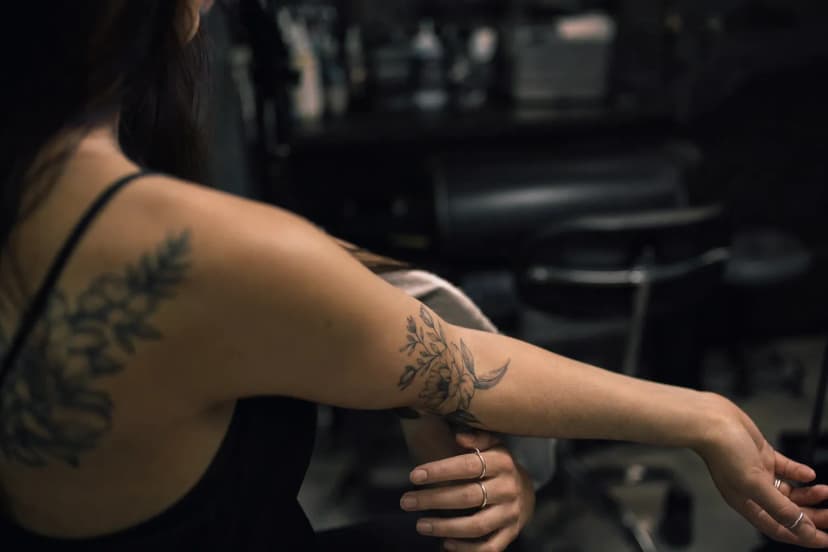
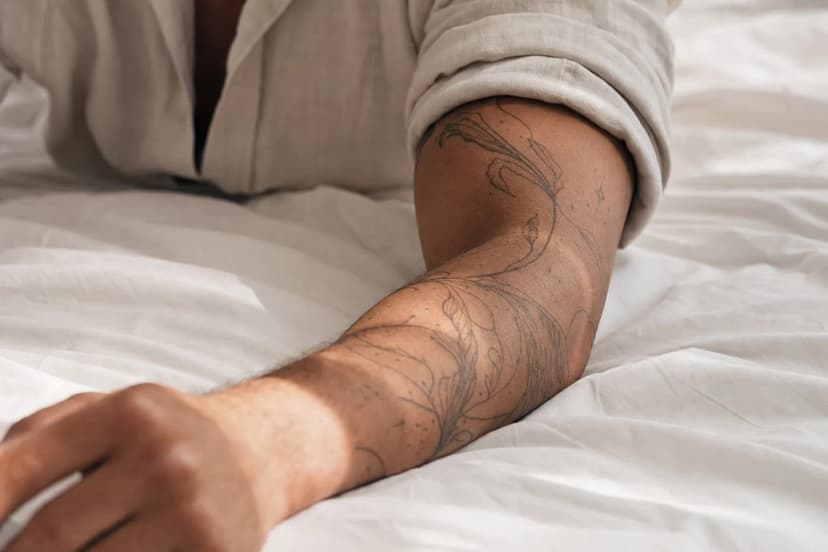
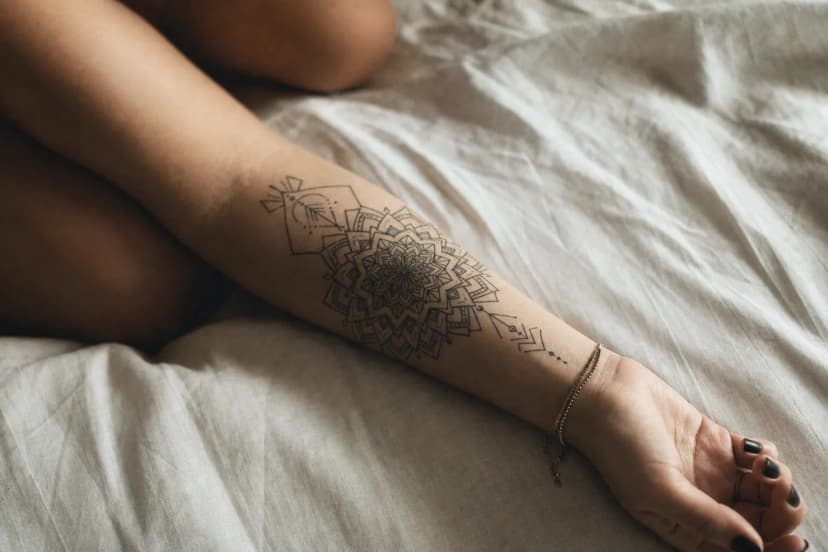
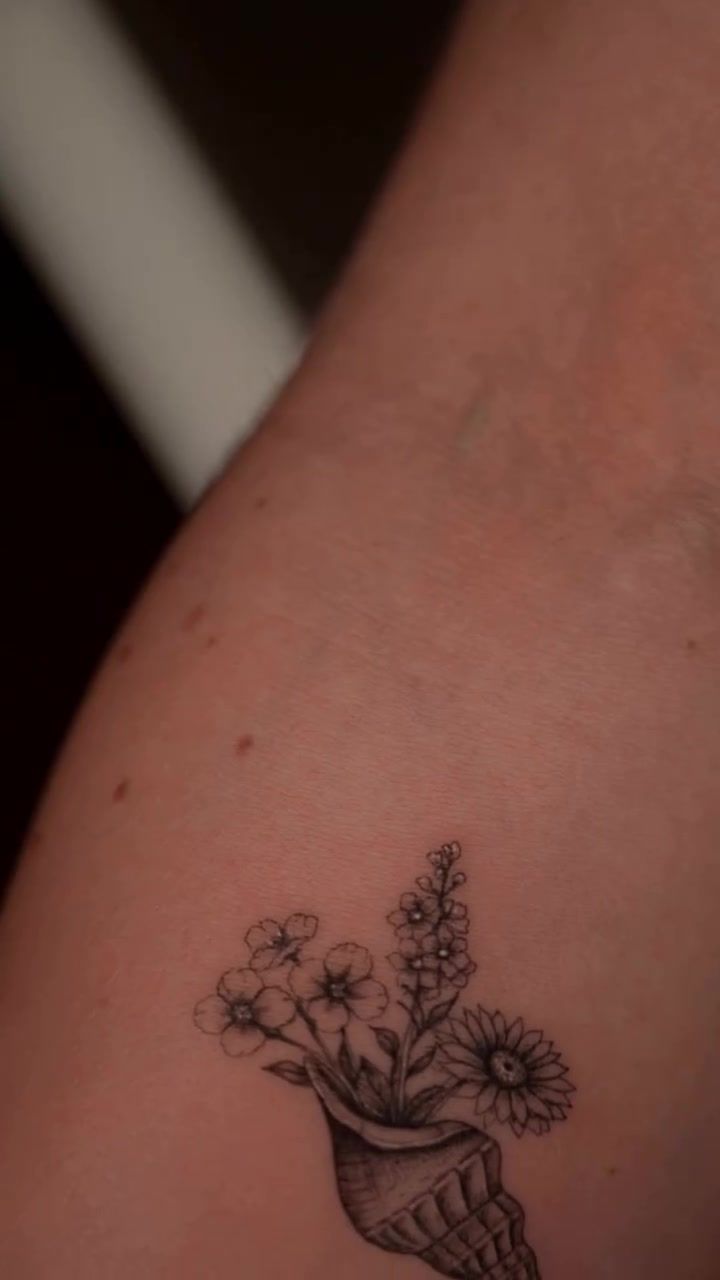
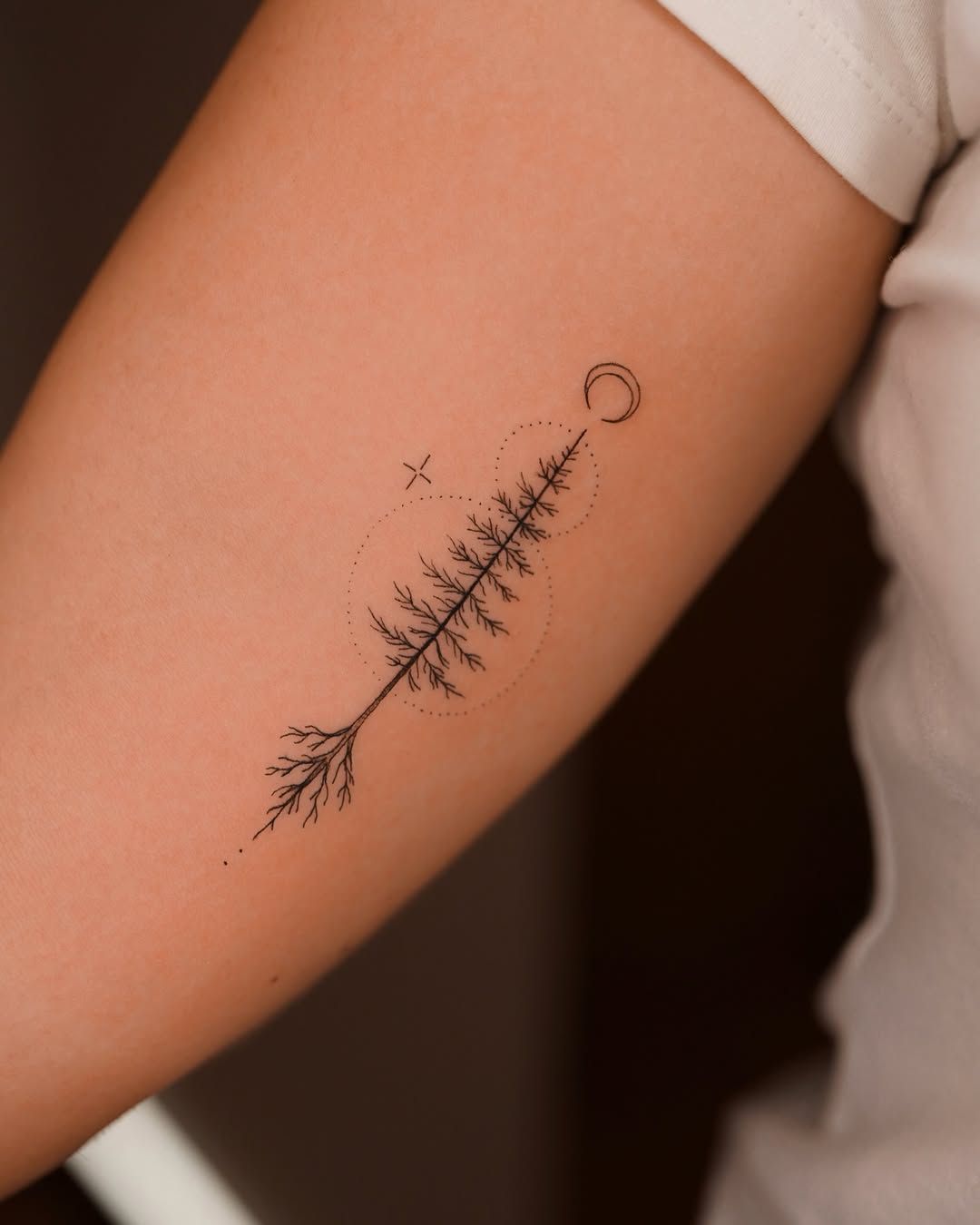
Fineline pairs naturally with minimalism, geometric tattoo work, micro realism, and botanical designs. You can explore the studio's fineline work to see how those styles combine in practice.
What a Strong Fineline Portfolio Actually Shows
Line consistency
Look at the full length of each stroke, not just the sharpest section. A strong line holds the same weight from start to finish. No thickening at the end where the artist slowed down. No thinning in the middle where speed picked up. No halo, which is the faint blur of misplaced ink around a line's edge that signals blowout.
Negative space tells you just as much. In fineline and minimalist work, the unmarked skin is part of the composition. If it looks accidental rather than considered, that's a red flag. The spaces between lines should feel deliberate.
Healed work vs. Fresh work
Fresh tattoos photograph beautifully almost regardless of skill level. The ink sits raised in the skin, edges look sharp, contrast is high. A poorly executed piece can look stunning in a photo taken the same day.
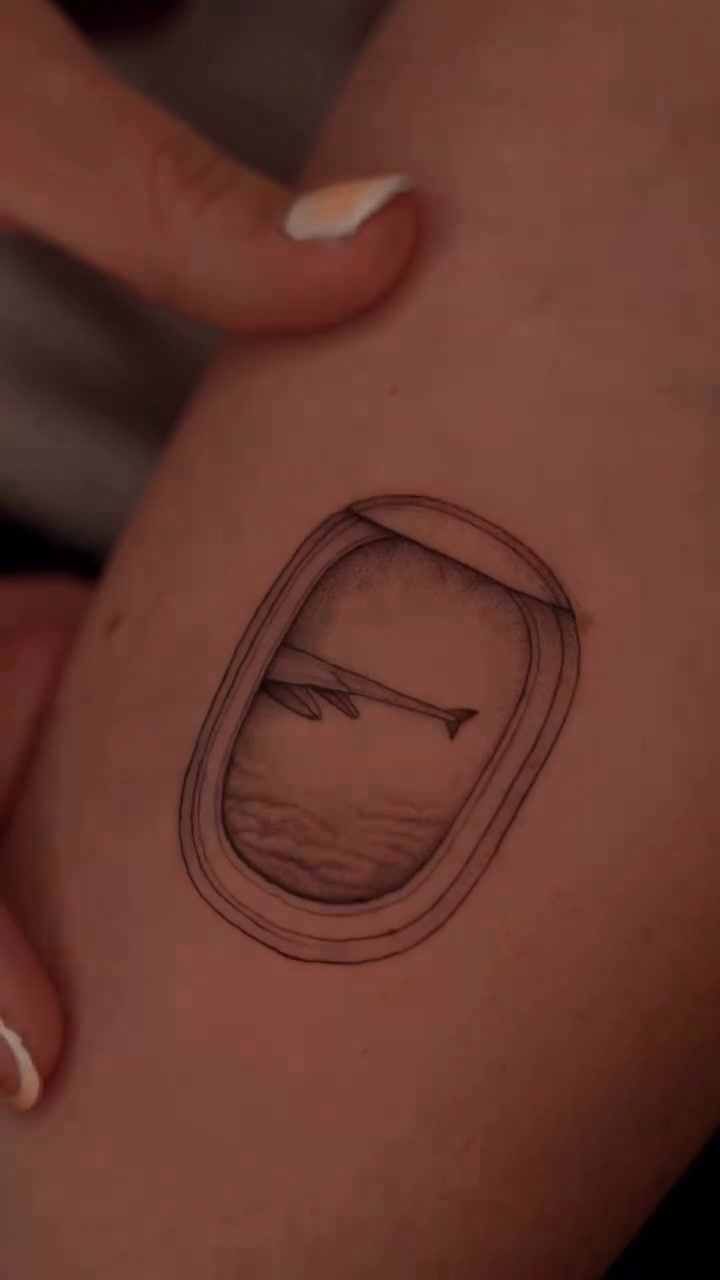
Ask to see healed work. Healed fineline, photographed at six months or beyond, is where real skill shows. Lines should still hold their weight. Edges should be clean, not blurred. The piece should look finished rather than faded.
For a deeper look at what the style actually requires from a technical standpoint, read the studio's guide on what fineline actually demands from an artist.
How the Studio Approaches Fineline Work in Lisbon
The consultation
The process starts before any needle is loaded. The studio collects reference images from you, discusses the visual language you're drawn to, and sketches a custom design from scratch rather than tracing reference material.
"Tracing someone else's reference gives you their composition, not yours. The proportions may not suit your placement, the line weights may not match the scale, and you end up with something that looks borrowed. Starting fresh means every element is sized and spaced for the specific spot it's going on your body."
Once the sketch is agreed, a stencil is printed and placed on the skin before any ink is committed. You review the placement together. If it's 2mm off, you adjust. That review step costs five minutes and saves a lot of regret.
Stencil placement and scale decisions
A design that looks balanced at A4 print size can collapse completely at six centimetres on the inner wrist. The studio discusses sizing in person, where the artist can assess how the design will behave on your specific anatomy.
Lisbon's humid summers are worth factoring into your timing as well. High heat increases sweating, and sweat is not kind to a healing tattoo. If you can plan your session between October and April, the cooler conditions give delicate linework a quieter environment to settle. The studio works year-round, but you'll have more control over your aftercare in the cooler months.
Placement, Size, and Session Length: The Practical Numbers
Where you put a delicate tattoo shapes everything: how long the session runs, how complicated the healing gets, and how the piece looks in ten years. The table below gives you a realistic picture across the most common placements.
| Placement | Typical session length | Healing complexity | Longevity notes |
|---|---|---|---|
| Inner wrist | 1-2 hours | Moderate. High movement area | Good with sun protection; avoid direct sun on healing skin |
| Forearm | 1.5-3 hours | Low. Minimal friction, easy to keep clean | Excellent longevity; easiest aftercare of common placements |
| Sternum | 2-3 hours | Moderate to high. Clothing friction, bra strap pressure | Strong once healed; loose clothing during healing is essential |
| Behind ear | Under 1 hour | High. Sweat zone; relevant in Lisbon summers | Fades fastest of common spots; touch-ups more likely |
| Shoulder blade | 2-4 hours | Low. Minimal sun exposure, low friction | Excellent longevity; one of the most reliable placements |
What to bring to your appointment:
- Reference images saved to your phone (screenshots or a saved folder work well)
- Loose, comfortable clothing that gives easy access to the placement area
- A light meal beforehand. Tattooing on an empty stomach is unpleasant
- Any notes on sizing preferences, even rough ones like "around the size of a matchbox"
- Questions about aftercare written down so you don't forget them in the moment
Aftercare for Fineline Work: Why It Matters More Here
Bold traditional tattoos carry heavy ink saturation. They can survive imperfect aftercare and still look like themselves at the end of healing. Delicate single-needle work doesn't have that buffer. If aftercare is poor, lines fade unevenly, and the crisp negative space you paid for turns muddy.
Keep the film wrap on for the first 24 hours. After that, wash the tattoo gently twice daily with a fragrance-free soap. Pat dry, then apply a thin layer of unscented moisturiser. That's the whole routine. The key word is thin: excess moisturiser suffocates the healing skin.
In Lisbon, the UV index between June and August regularly exceeds 9, which is in the "very high" range. Direct sun on a healing tattoo accelerates fading and can damage the surface skin while it's still knitting together. Keep the piece covered or in shade for the full healing period, and use high-SPF sunscreen on healed tattoos whenever they'll be exposed. The NHS's general tattoo aftercare guidance is a useful reference alongside whatever your artist tells you in person.
The four biggest aftercare mistakes fineline clients make:
- Peeling or picking at flaking skin, which pulls ink out of the dermis with it
- Soaking the tattoo in a bath, pool, or the sea before it's fully healed
- Applying thick ointments like petroleum jelly, which trap moisture against healing skin
- Exposing the tattoo to direct sun during the first six to eight weeks, when the dermis is still stabilising
If you're considering a single needle tattoo in Lisbon and want to understand the broader context of what precision tattooing involves, the guide on what geometric tattoo design really takes covers related craft principles in useful depth.
Frequently Asked Questions
How long does a fine line tattoo take to heal?
The surface skin heals in roughly two to three weeks, but the dermis, the deeper layer where ink actually lives, takes six to eight weeks to fully settle. During that time, lines may look slightly faded or cloudy. That's normal. Final results are only visible after the dermis has stabilised completely.
Do fine line tattoos fade faster than other styles?
Placement and aftercare determine longevity far more than style does. A well-executed fineline piece on a low-friction area like the shoulder blade, kept out of direct sun and moisturised regularly, holds beautifully for years. High-movement spots like fingers or inner wrists fade faster regardless of style.
What's the smallest fine line tattoo that still holds detail?
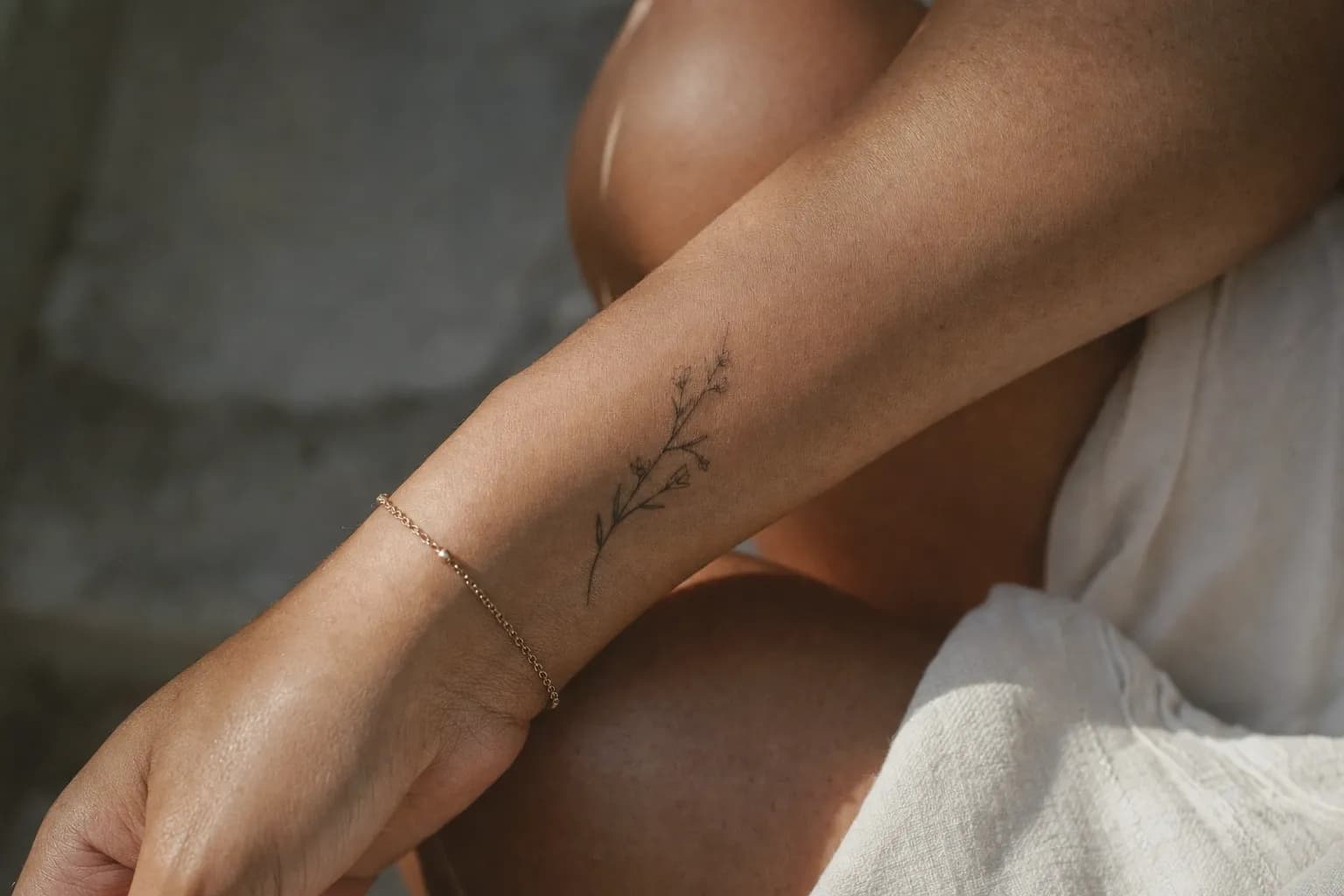
For a design with multiple fine elements, such as a botanical sprig or a tiny portrait, around three to four centimetres gives the artist enough room to keep lines clean and spaced. Simpler marks, like a single line or a small symbol, can go smaller. Below two centimetres, lines risk merging as the tattoo ages.
How do I know if an artist in Lisbon is actually good at fineline?
Ask to see healed work, not just fresh photographs. Fresh fineline looks crisp even when the technique is poor. In healed photos, look for consistent line weight with no halo blurring around the edges, clean negative space, and evenness across the full stroke length. Those details don't lie.
Can I combine fineline with geometric or floral elements?
Yes, and the combination works particularly well. Geometric frameworks give botanical or figurative elements a structural container, while floral linework softens rigid geometry. The key is an artist who draws both styles fluently rather than pasting one over the other. See the geometric tattoo service and floral service for examples of how those styles live alongside precise linework. Discuss the balance during your consultation.
Is there a best time of year to get a delicate tattoo in Lisbon?
Autumn through early spring is ideal. The city's summer UV index is high and the heat increases sweating, both of which complicate healing for delicate linework. Cooler, less sunny months give the tattoo a quieter environment to settle, and you're naturally less tempted to expose it at the beach.