What "Fine Line" Actually Means (And Why It's Not Just Thin Lines)
Pick up any fineline tattoo done badly and you'll see the problem immediately: lines that bleed into each other, shapes that look crisp in photos but blurry in person, detail that dissolves within a year. The word "fine" is accurate, but it undersells what the technique actually demands.
Fineline tattooing uses a dramatically reduced needle grouping to build imagery with precision rather than saturation. Where a standard shader or magnum needle. Used in bold traditional or realism work. Might spread ink across several millimetres in a single pass, a fineline needle works in fractions of that width. The result is line work of extraordinary delicacy. But the margin for error shrinks by the same proportion.
Single-needle versus standard needle groupings
A single-needle setup (written as 1RL in tattoo notation, where RL stands for Round Liner) uses one needle tip. A 3RL uses three tips arranged in a tight triangle. Both sit at the fine end of the spectrum. Standard liner groupings start at 5RL and go up from there.
The thinner the grouping, the more control the artist has over line weight. That control is what makes fineline capable of rendering a botanical petal, a facial feature, or a letterform at small scale. It's also what makes sloppy technique immediately visible.
Why the margin for error is essentially zero
In bold work, a 1mm variation in line weight is almost invisible to the eye. In fineline, a 0.5mm inconsistency reads clearly. You see it when you glance at the piece. The artist sees it from across the room.
This is why experienced fineline artists talk about restraint as much as precision. Fineline rewards a slow, deliberate hand. Rushing a pass to save ten minutes in a session is how you get uneven weight and blown-out shadows. The style does not forgive impatience.
"Fineline is about what you choose not to do. One unnecessary line can crowd a composition that would have been perfect with half the marks."
The Styles That Pair Naturally With Fine Line Work
Fineline is a technique. Not a standalone style. It underpins several of the most sought-after aesthetics in contemporary tattooing, and understanding that distinction helps you figure out exactly what you're asking for when you sit down for a consultation.
Minimalism and negative space
A minimalist tattoo lives or dies by the quality of its outlines. There's no shading to hide a wobbly edge, no fill to distract from a line that loses weight mid-curve. Fineline is the natural technique here. The design strips to its core shapes, and every mark carries full visual weight.
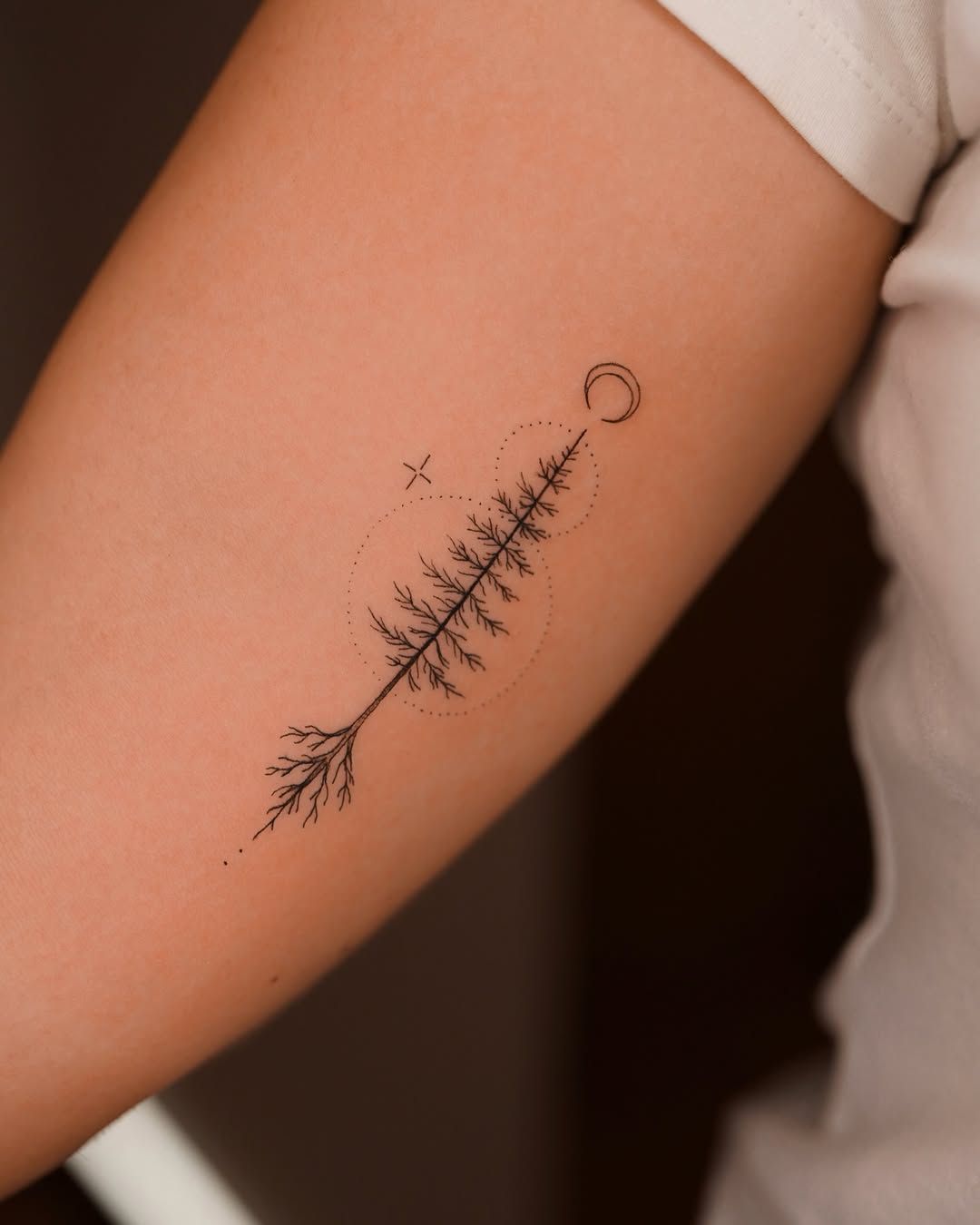
Negative space. The bare skin left intentionally around and within a design. Only reads well when the surrounding lines are clean. A single inconsistent stroke pulls the eye away from the space itself and toward the flaw.
Micro realism and botanical detail
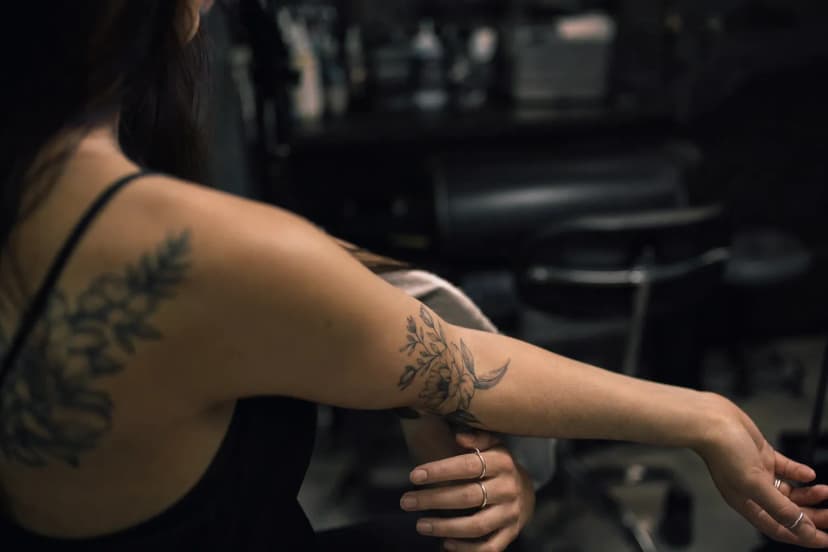
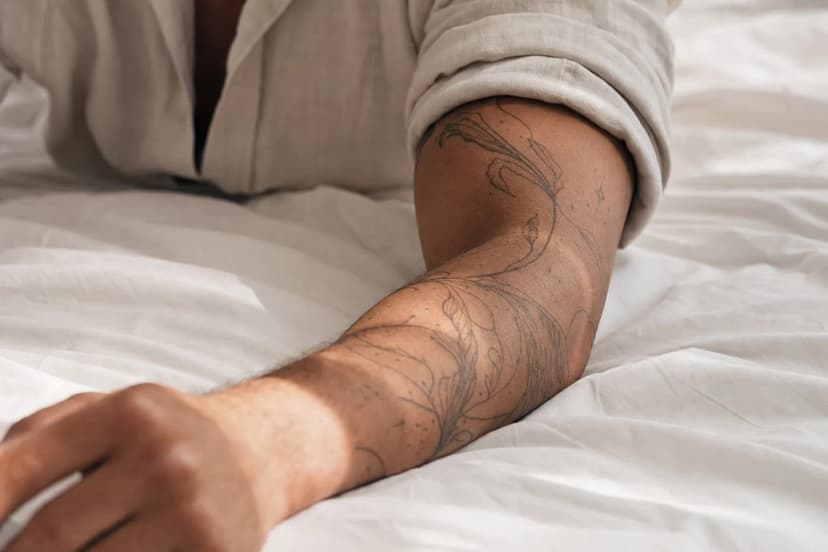
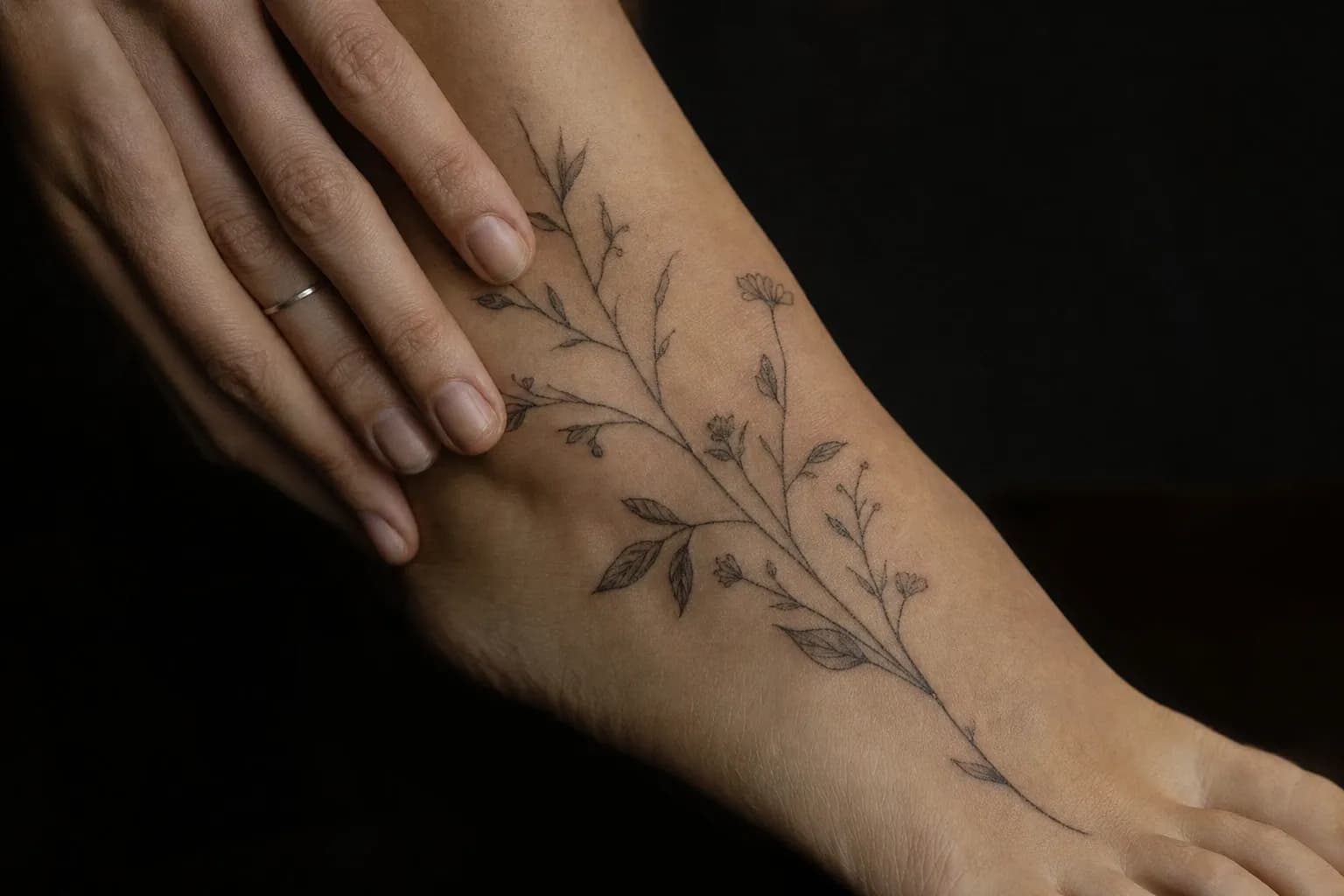
Botanical work is where fineline really shows its range. A floral tattoo done in fineline can capture the curve of a petal, the shadow beneath a leaf, the translucency of a thin stem. None of that is possible with a heavy shader. You need needle control that comes from working at single or 3RL scale.
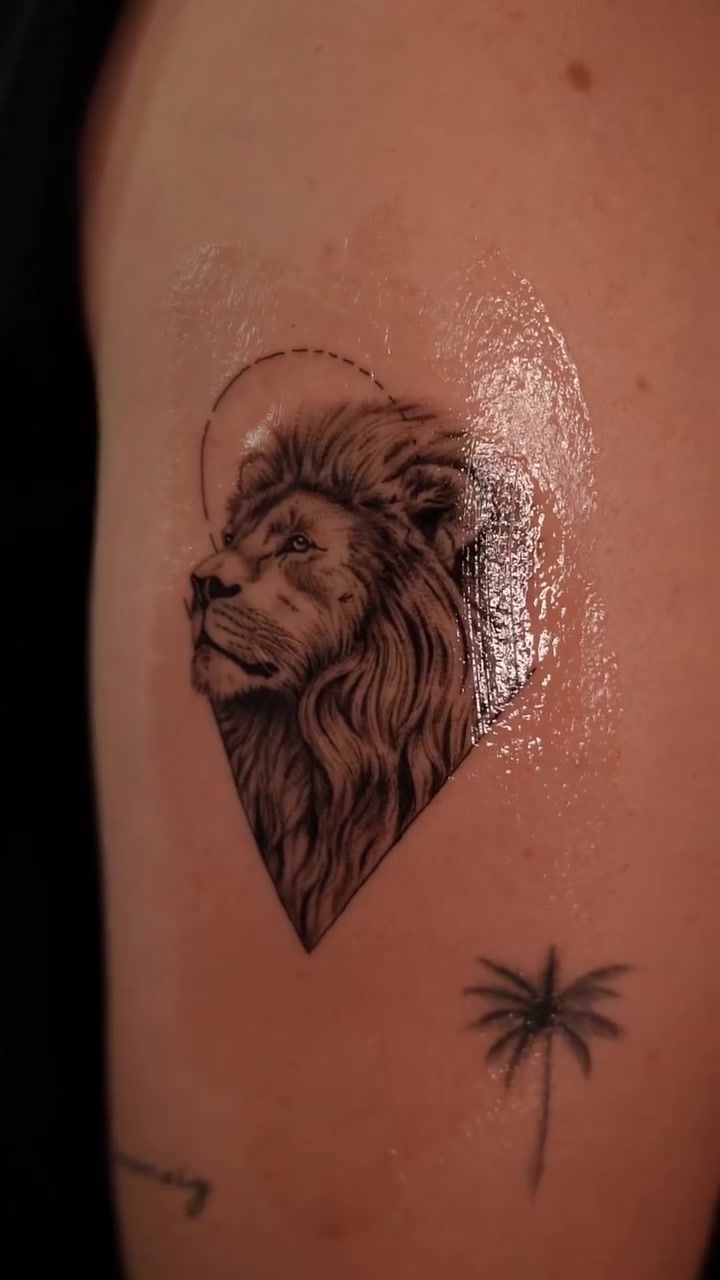
Micro realism pushes further. It takes the same photorealistic ambition as large portrait work and compresses it into a small canvas. The lines holding a micro-realist piece together are fineline lines. The shading between them is fineline shading. It's a technique marriage that demands the artist to think in miniature at every stage.
Geometric and lettering applications
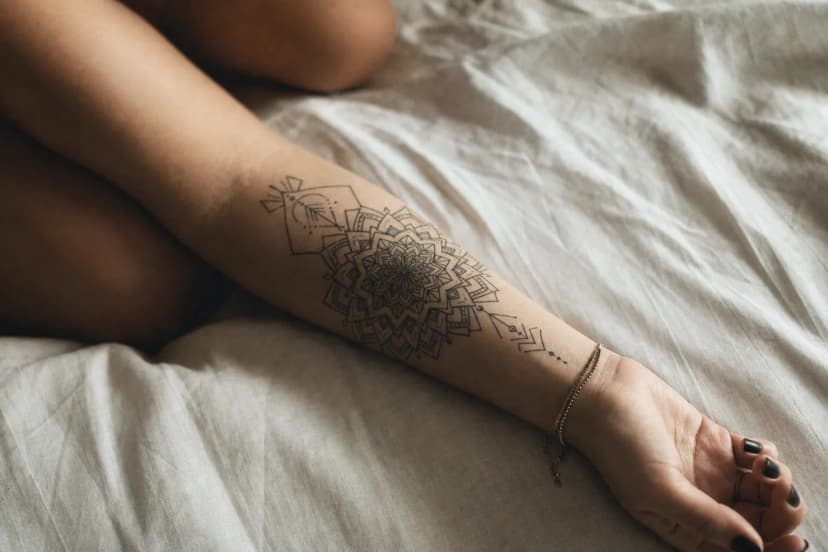
Mandalas, sacred geometry, and architectural patterns all rely on fineline execution. A mandala drawn by hand on paper has the luxury of correction. One tattooed on skin does not. The lines must flow at consistent weight through every repeated segment.
For geometric tattoo work, the studio uses a reference grid during stencil placement to verify symmetry before a single mark goes into skin. Lettering follows the same logic. A script tattoo drawn in fineline lives on the quality of its stroke transitions, its consistent baseline, and the spacing between letterforms.
All of these styles sit within the studio's fineline service. The technique adapts to the style, not the other way around.
How the Studio Approaches Fineline Work in Lisbon
The process at this studio follows a sequence that might feel slower than you expect if you've walked into a busier shop before. That pacing is intentional.
The consultation and design phase
Every complex fineline piece starts with a consultation. Bring reference images, but don't treat them as a brief to copy. The artist uses references to understand your visual language and what you're drawn to. The actual design is custom-sketched to fit your body's proportions and placement area.
For simpler pieces, a same-day walk-in works well. For anything multi-element, a dedicated design session before the tattoo appointment means there's no rushing on the day. You see the design before it goes anywhere near your skin.
Stencil placement and why it matters more than people expect
The stencil is a transfer of the design applied to your skin before the needle touches it. Getting it right takes longer than most clients anticipate. If a mandala sits 2mm off-centre, you'll see the asymmetry every single time you look at the piece. That 2mm mistake is permanent.
The studio checks stencil position with the client standing, seated, and in the position they'll hold during the session. Body shapes shift between positions. A stencil that looks centred when you're standing can read differently when the skin stretches or compresses. This check takes five to ten minutes. It's worth every second.
Machine settings, needle choice, and ink depth
Fineline work runs at lower voltage than bold tattooing. Slower needle speed gives the artist more control over each pass. The needle choice. Usually a 1RL or 3RL. Is selected based on the design's finest detail requirement.
Ink depth is where the real skill sits. Fineline ink must land in the mid-dermis: the stable middle layer of the skin. Go too shallow and you risk blowout, where ink bleeds laterally through the upper dermis and the line loses its edge. Go too deep and the pigment diffuses, making fine lines look blurry within weeks of healing. The depth window is narrow. Experienced artists develop a feel for it across different skin thicknesses and placements, including the thinner skin on wrists versus the denser skin on an upper arm.
The studio also adapts needle pressure and ink pigment for deeper skin tones. Fineline works beautifully across the full skin tone spectrum, but it requires the artist to have actually done it before, not to be adjusting their approach mid-session for the first time.
Healing Fineline Tattoos in Lisbon's Climate
Lisbon in July is humid. The Atlantic air sits heavy, and temperatures push into the mid-30s. That combination affects fresh tattoo healing in ways that clients who've been tattooed in drier climates don't always anticipate.
What the humid Lisbon summer does to fresh fineline work
Standard cling film wrap traps moisture against the skin. In a dry climate, that's manageable. In Lisbon's summer, it can create a warm, damp environment where bacteria find easy footing. For fineline work specifically. Where the skin trauma per session is lower but the precision of healing matters more. The studio recommends breathable second-skin wrap instead of standard cling film during the July to September period.
Breathable film lets vapour escape while keeping contaminants out. It stays on for the first 24 hours, then comes off cleanly. After that, you're into the daily care routine.
A practical aftercare routine
The standard aftercare cadence the studio recommends:
- Wash gently twice daily with unscented, antibacterial soap. No scrubbing, no soaking
- Pat dry with a clean paper towel, never a bath towel
- Apply a thin layer of fragrance-free moisturiser after each wash
- Keep the area out of direct sun for at least four weeks. Lisbon's summer sun is strong enough to fade a healed tattoo, let alone a fresh one
- No swimming in the sea or pools until the surface skin has fully closed, typically 10 to 14 days
Fineline tattoos heal lighter than bold work. The ink volume is lower, and the skin settles around it over six to eight weeks. Some lines will appear slightly softer at the four-week mark than they did on day one. This is normal. Wait for the full eight-week healing window before deciding whether a touch-up is needed.
For a detailed look at what happens to small, precise work during healing, the guide on why small work demands the most precision covers the process thoroughly. And if you want broader context on the studio's approach, what to expect from a fine line studio in Lisbon is worth reading before your consultation.
Placement, Sizing, and What to Expect in the Session
Where you put a fineline tattoo matters as much as what the design looks like. High-movement areas stretch and flex constantly. Skin folds crease. Sun-exposed spots fade faster. The table below gives you a practical overview of common placements and the trade-offs involved.
| Placement | Longevity for Fineline | Movement Consideration | Notes |
|---|---|---|---|
| Upper arm / bicep | Excellent | Low | Stable skin, good for detail-heavy pieces |
| Forearm (outer) | Very good | Low to moderate | Sun exposure is the main longevity factor here |
| Inner wrist | Moderate | Moderate | Thin skin; fades faster, touch-ups more likely |
| Ribcage / sternum | Very good | Low | Skin stays relatively protected; session comfort varies |
| Back (upper / mid) | Excellent | Very low | Ideal for large fineline compositions |
| Fingers / hands | Poor | Very high | Skin renews rapidly; fineline fades within months |
| Ankle / foot | Moderate | High | Footwear friction and low circulation slow healing |
Session length depends directly on the complexity of the piece. A single-element fineline design. A small botanical, a simple portrait, a short text phrase. Typically runs between 90 minutes and 2.5 hours, including stencil time and short breaks. A more complex multi-element composition or a sleeve segment may need a four-hour session. The studio confirms the expected duration at consultation, not mid-session when it's too late to adjust your day.
Here's what to bring to your appointment:
- A proper meal eaten two hours before you arrive. Low blood sugar makes sessions harder than they need to be
- A bottle of water to stay hydrated throughout
- Reference images saved to your phone or printed. Screen brightness on a small phone can be hard to assess in studio lighting
- Loose clothing that exposes the placement area without stretching or bunching around it
And what not to bring: alcohol in your system from the night before (it thins the blood and makes clean linework harder), tight clothing that compresses the area, or skin creams applied that morning (they affect stencil adhesion).
The studio accepts walk-ins for small, uncomplicated pieces. For anything with multiple elements, custom lettering, or a design that requires planning around body contours, a consultation booking is the right approach. It protects the quality of the result.
Frequently Asked Questions
Does fine line work fade faster than bold tattoos?
Fineline tattoos use less ink saturation, so they can appear to soften over time. But a well-executed piece placed correctly in the mid-dermis holds for years. Lines settle over six to eight weeks of healing. Placement on high-movement areas like fingers or inner wrists, and unprotected sun exposure, are the bigger long-term factors than the technique itself.
How small can a fineline tattoo realistically go?
Most fineline work holds its detail comfortably above three to four centimetres for designs with internal complexity. Below that, micro realism techniques and simplified compositions take over. The limiting factor is skin texture, not needle size. Skin is not paper. Detail below a certain scale merges as the tattoo settles over the following months.
How long does a fineline session typically take in this studio?
A simple single-element fineline piece runs between 90 minutes and 2.5 hours, including stencil placement and short breaks. A more complex sleeve segment or multi-element composition may require a four-hour session. The studio confirms the expected duration during the consultation so there are no surprises on the day.
Is there a minimum age requirement?
Yes. The studio tattoos clients aged 18 and over only. No exceptions, regardless of parental consent. This is both a legal requirement in Portugal and a firm studio policy. If you're bringing a reference image on behalf of someone else, please confirm their age before booking.
Can fine line tattoos be done over existing work?
It depends on the density and ink saturation of the existing piece. Fineline work on lightly saturated or faded older tattoos is often possible with careful design planning. Heavy, dark existing work is harder to work over. The old ink can muddy fineline's thin lines. The studio assesses this at consultation, not over email.
Is fineline tattooing suitable for darker skin tones?
Yes, with adjustments. Fineline on deeper skin tones uses slightly higher saturation and specific ink pigments to maintain visibility. The artist adapts needle pressure and ink choice based on your skin during the consultation. The style works across the full tonal range. It requires a practitioner who has done it before, not one adapting on the fly.