What Makes Fine Line Tattooing Different
Most tattoo needles work in groups. A standard 5RL (five round liner) bundles five needle tips into a tight cluster, depositing a relatively wide band of ink with each pass. A 1RL. One round liner, a single needle. Deposits a thread of ink. The line it leaves is often under half a millimetre wide. That's the foundation of fineline tattoo work.
Single-needle work vs. Standard needles
Because there's only one point of contact, ink volume per pass drops dramatically. The artist has to control machine speed, hand pressure, and skin tension simultaneously to keep that thread consistent. Waver on any one of them and the line blooms, skips, or goes uneven. With a 5RL, small fluctuations average out across the cluster. With a single needle, they don't.
This is why delicate tattooing in this style takes longer than people expect. A palm-sized geometric pattern can run 45 minutes to an hour. A detailed floral wrap covering the shoulder to mid-forearm is closer to a two-and-a-half-hour session. There's no shortcut in the needle count.
Why the margin for error is so small
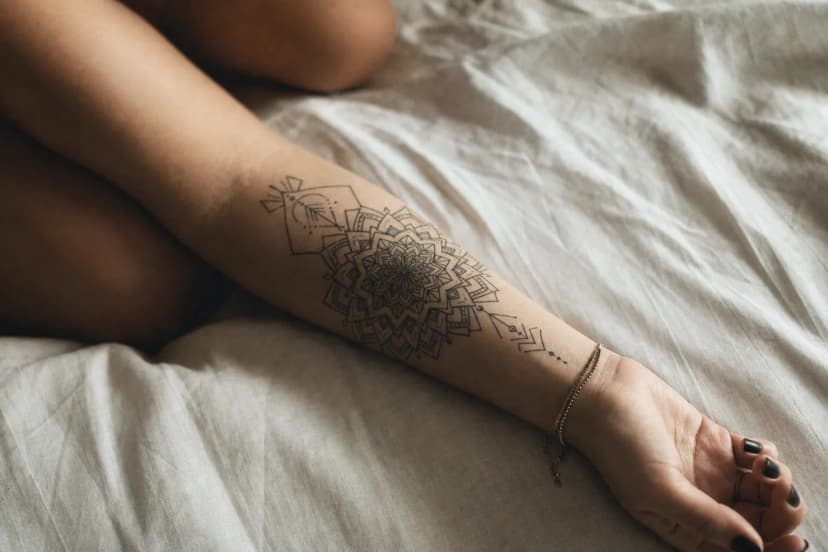
If the stencil sits 2mm off-centre on a mandala, you'll see it every time you look at the piece. On a bold traditional tattoo, 2mm is noise. On a symmetric geometric or a fine portrait, it's the only thing you notice. Precision at every stage. Stencil, placement, first pass. Isn't a preference; it's the job.
"The needle only tells the truth. Everything that matters happens before you switch the machine on: the design, the placement, the skin prep. Get those right and the rest follows."
There's also a common myth that finer work means a faster session. It doesn't. The artist works at a lower machine voltage and a slower hand speed to avoid pushing ink too deep or spreading it laterally under the skin. Rushing single-pass linework is the fastest way to blur it permanently.
The Styles That Sit Inside Fine Line Work
Fineline is a technique, not a single aesthetic. It underpins several distinct styles, and understanding that distinction helps you arrive at the studio with a clearer brief.
Minimalism and geometric patterns
Minimalist tattoos strip a subject down to its core shapes. A single leaf outline. Three stacked lines. A circle broken at one point. The technique keeps negative space as part of the composition, so every mark has to be intentional. Geometric work follows similar logic but builds outward: mandalas, grid-based patterns, tessellating forms that would fall apart if any line wobbled.
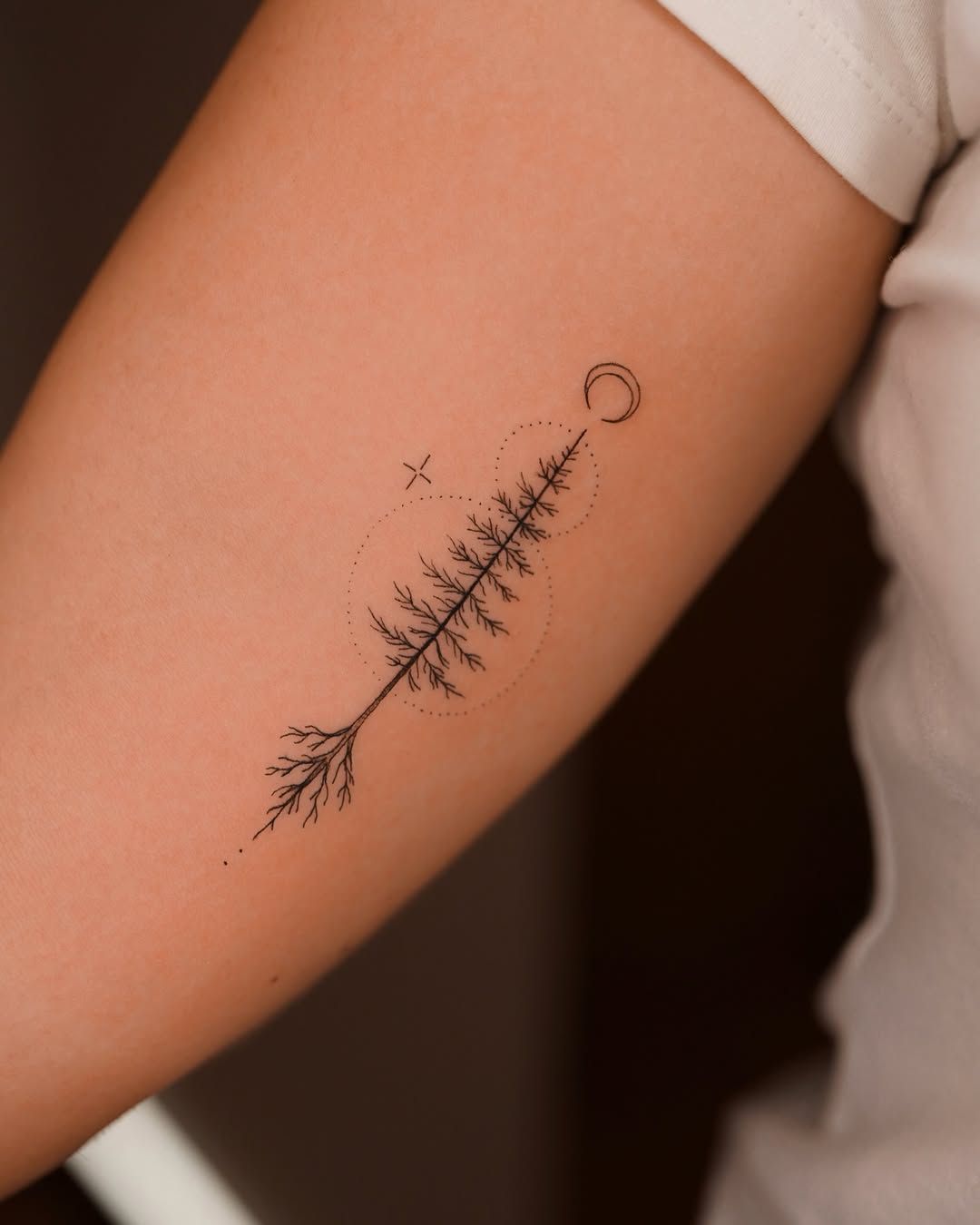
Lisbon clients often bring azulejo-inspired reference images, those blue-and-white geometric tile patterns found across the city's facades from Alfama to Príncipe Real. The angular repetition translates well to skin, and the studio has handled several pieces drawing on that tradition.
Micro realism and portraiture at small scale
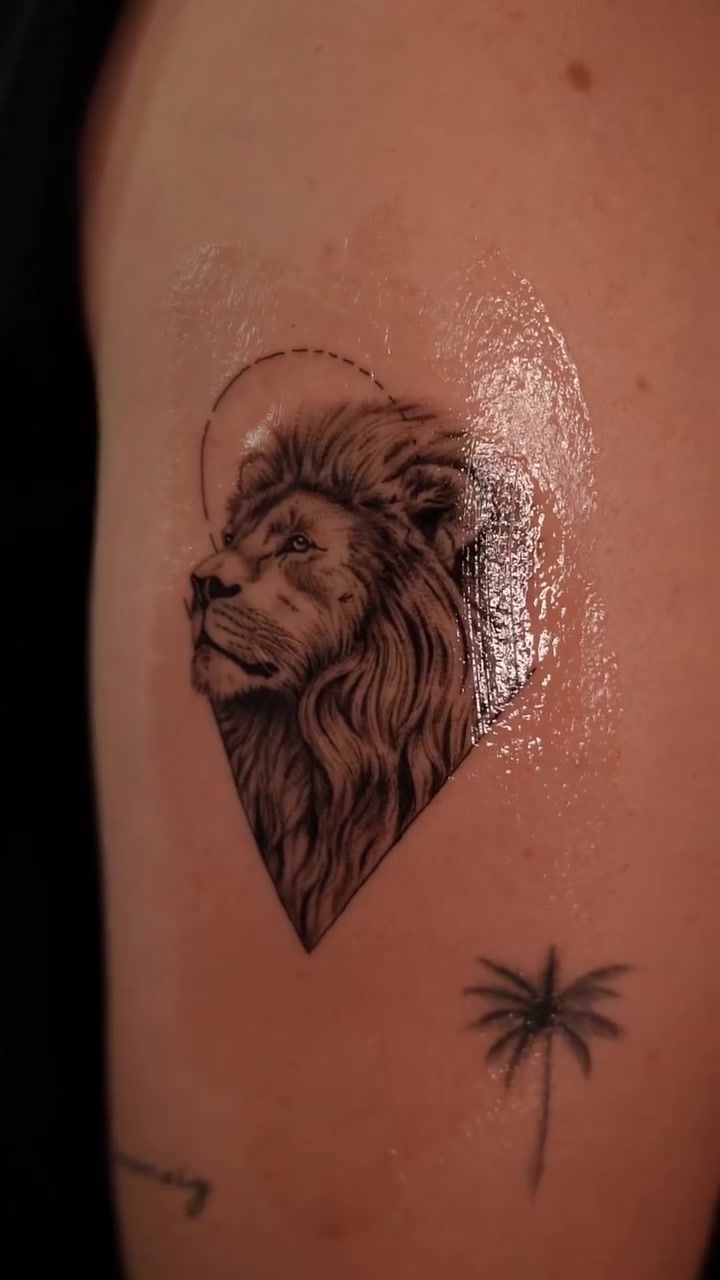
This is where the technique gets demanding. Micro realism work compresses photographic detail into a space often no larger than a playing card. Eyes need catchlights. Fur needs directional texture. Shadows need gradient. All of it executed with a needle that leaves a mark thinner than a human hair.
Floral and botanical linework
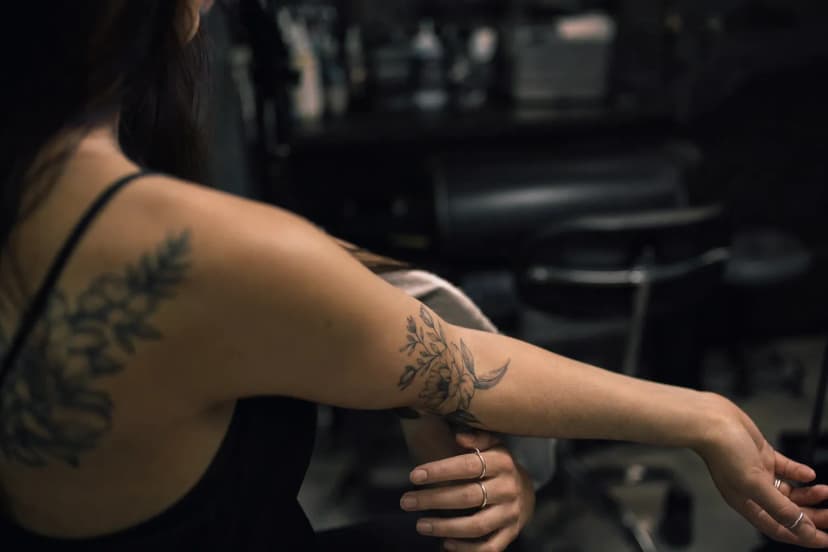
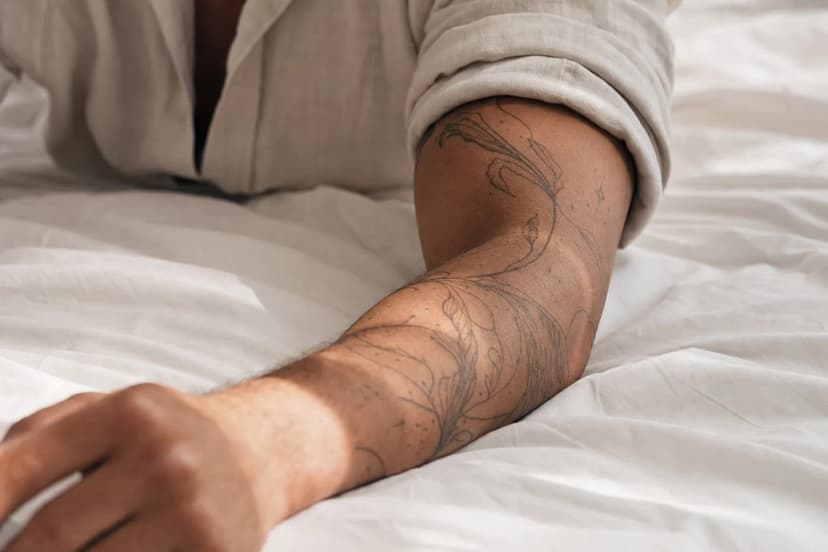
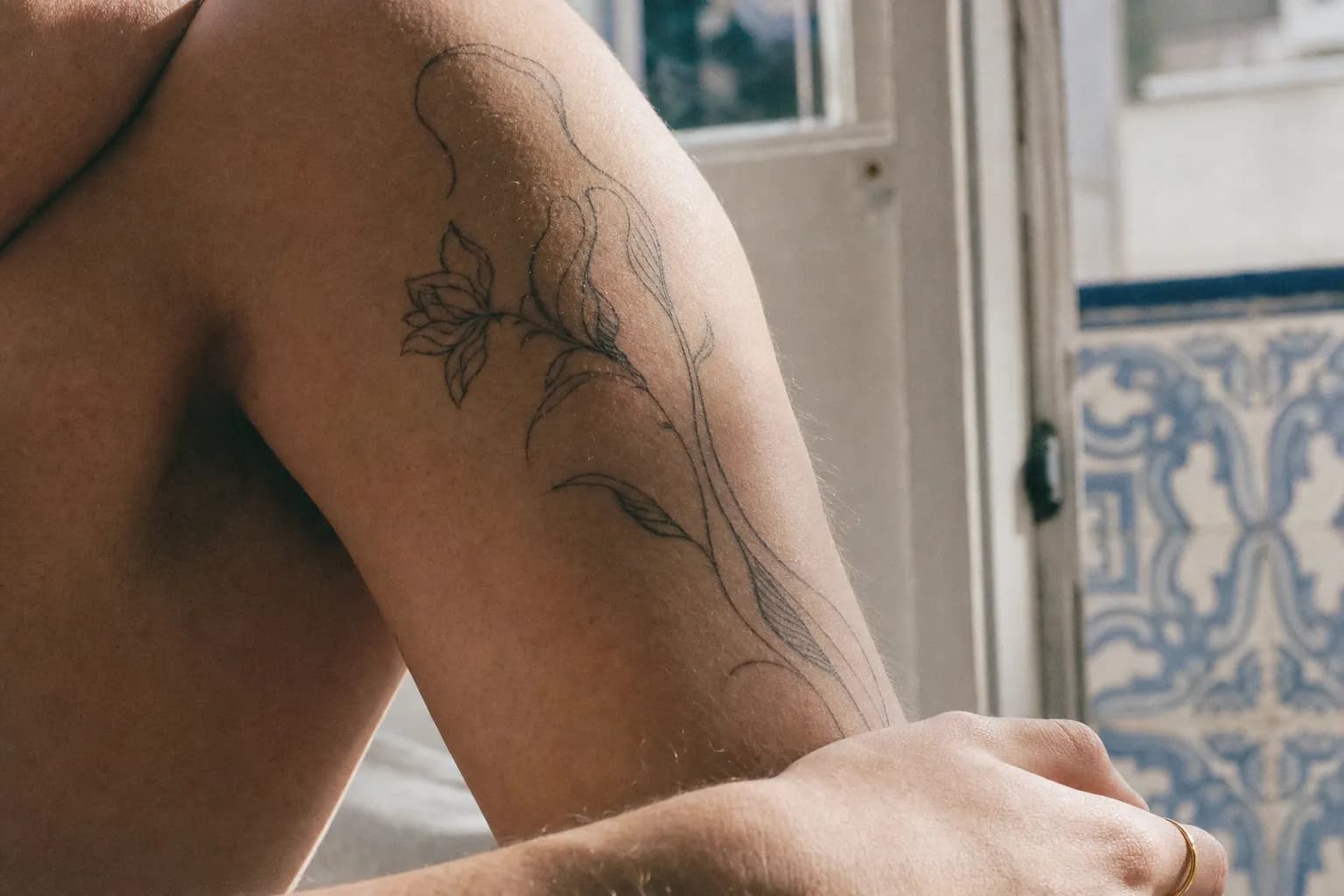
Botanical designs reward the single-needle approach because organic forms. Petals, stems, leaf veins. Have natural variation built in. A slightly uneven petal edge reads as nature, not error. The challenge is shading: building depth in a peony or a rose without the lines merging into a grey mass over time. The studio's ornamental sternum piece shows how floral forms and geometric structure can share space without competing.
How the Studio Approaches a Fine Line Tattoo
The consultation and custom design process
The studio doesn't work from flash for fineline. Every piece is drawn specifically for the person wearing it. That starts with a consultation. Either in person or via the contact form. Where you share reference images, describe the feeling you're after, and discuss placement. The artist then sketches a design before your session date, not during it.
This matters because fineline design decisions can't be rushed. Spacing between elements, line weight variation, how the design wraps with the body's contour: all of this needs consideration before a needle touches skin. If you've read about what great lettering actually takes, the same principle applies here. The prep is the work.
Stencil placement and why 2mm matters
Before any ink goes in, the design transfers to the skin as a stencil. The artist checks it from every angle. You check it in the mirror. For symmetric pieces like a sternum design or a mandala, placement gets measured rather than eyeballed. A stencil that looks right standing up can shift when you sit down, when muscles flex, or when skin folds. The studio accounts for that before committing.
Ink choice and machine settings
Fineline work typically uses high-quality black ink diluted to specific grey-wash ratios for shading, with undiluted black for crisp outlines. The machine runs at lower voltage than it would for bold linework. Usually to reduce the force of each needle strike and prevent ink from spreading laterally in the dermis. Speed control is equally important. Moving too fast leaves gaps; too slow and ink pools.
Placement, Sizing, and Longevity
Where fine line tattoos hold best on the body
Not every area of the body is an equally good canvas for delicate work. High-friction zones cause ink to migrate or fade faster. Sometimes within months. The upper arm, ribcage, back, and sternum are the most reliable placements for detailed linework. They don't flex aggressively, they're protected from daily friction, and they hold stencil registration well during the session.
| Placement Zone | Longevity Expectation | Healing Considerations |
|---|---|---|
| Upper arm / shoulder | Excellent. Lines stay crisp for years | Easy to keep covered and moisturised |
| Back / ribcage | Excellent. Low friction, stable skin | Clothing can rub during first week; loose layers help |
| Sternum / chest | Very good. Minimal sun exposure | Watch for sweat pooling in summer heat |
| Forearm (outer) | Good. Some UV exposure over time | SPF essential once healed; keep out of direct sun while fresh |
| Inner wrist crease | Moderate. Skin folds with every movement | Expect faster fading; touch-up likely within 2 years |
| Fingers / hands | Poor for detail. High daily friction | Peeling is aggressive; complex designs are not recommended here |
How Lisbon's climate affects healing
Lisbon summers run hot and humid, particularly in July and August. That combination extends the peeling phase slightly. The skin stays moist longer, which can lift ink if you're not careful about clothing and sun exposure. A fresh piece on the forearm during a beach day in Cascais or a weekend at Comporta is a real risk. Atlantic UV is strong, and saltwater accelerates peeling.
The mild winters are kinder. Healing between October and March tends to be more predictable. If you're booking around a specific event or holiday that involves beach time, flag that during consultation so the studio can factor it into timing.
Aftercare for Fine Line Tattoos
The first 72 hours
Leave the wrap the artist applies in place for the time they specify. Usually between two and four hours for a standard film wrap, or up to 24 hours for a second-skin adhesive bandage. After removing it, wash the area gently with unscented soap and lukewarm water. Pat dry with a clean paper towel, never a shared cloth.
- Apply a thin layer of fragrance-free moisturiser twice a day. Enough to stop the skin feeling tight, not enough to look greasy.
- Over-moisturising is a real problem with fine linework. Too much product traps heat, softens the forming scab layer, and can pull ink out before it's anchored in the dermis.
- Keep the area out of direct sunlight. Cover it with loose, breathable fabric rather than sunscreen for the first week. Sunscreen on broken skin causes irritation.
- Avoid swimming, soaking baths, and any activity that creates sustained friction over the piece.
Weeks two through four
The surface skin closes within two to three weeks. But ink is still settling into the dermis for up to eight weeks. This is standard across the profession, not unique to this style. During this period the piece may look patchy, milky, or dull. That's normal. Don't judge it yet.
From week two, you can switch to SPF 50 on any healed, exposed areas when heading outdoors. If you're planning a trip to the coast, keep the fresh work covered until the skin feels completely smooth and matte. Peeling flakes should fall off on their own. Picking at them pulls ink with them.
If lines still look uneven or sparse at the six-week mark, contact the studio. Most fineline pieces don't need a touch-up, but when they do, catching it early makes the correction straightforward.
Practical Guide: Preparing for Your Session
Good preparation makes a measurable difference to how smoothly a session runs. Here's what the studio recommends.
- The day before: Moisturise the placement area thoroughly. Well-hydrated skin holds a stencil more cleanly and takes ink more consistently than dry skin. Avoid alcohol. It thins the blood and increases bleeding, which clouds the artist's view during fine detail work.
- The morning of: Eat a proper meal within two hours of your appointment. Keeping blood sugar stable reduces the chance of feeling lightheaded during the session. Drink water.
- What to wear: Dress so the placement area is easy to access without undressing entirely. Upper arm session? A loose-sleeved top or a vest. Ribcage or sternum? A button-front shirt or a bandeau. Don't wear anything you'd be upset about getting stencil ink on.
- Reference images: Bring three to five images that capture the mood, line weight, and detail level you want. Not necessarily the exact design. The artist sketches something original; references guide the direction, not the outcome. Screenshots from the studio's own portfolio are particularly useful.
- Getting to the studio: The studio is accessible via Lisbon's metro network. Check the studio's contact page for the nearest stop and any current line updates. Lisbon's Carris metro map has expanded recently and a few routes have changed.
If you're arriving from outside Lisbon. From the Alentejo coast, from the Algarve, or visiting Portugal specifically for the session. Send that context when you book. The studio can help you plan a single-day visit or a spread session across two days for larger work.
For anyone curious about the full range of what the studio offers, the fineline tattoo service page covers the style in more depth, and the portfolio has recent examples across every scale and subject.
Frequently Asked Questions
How long does a fine line tattoo take to heal?
The surface skin closes within two to three weeks, but the ink is still settling into the dermis for up to eight weeks. Lisbon's humid summers can extend the peeling phase slightly. Avoid direct sun, salt water, and tight clothing over the area until the skin feels completely smooth and matte again.
Do fine line tattoos fade faster than bold tattoos?
They can, if placed on high-friction areas like fingers or inner wrists. On stable canvases. Upper arm, back, ribcage. Well-executed work at this scale holds for years. Consistent SPF use on any exposed piece is the single biggest factor in keeping those narrow lines crisp over time.
How small can a fine line tattoo be and still hold detail?
A realistic minimum for a recognisable face or portrait is roughly 4x4 cm. Below that, fine features like eyes or hair strands tend to merge as the skin ages. Simple geometric or botanical shapes can go smaller. The studio will advise at consultation if a requested design needs scaling up to hold its detail long-term.
Can fine line work be added to an existing tattoo?
Yes, provided the existing tattoo is well-healed and the skin has recovered fully. Usually at least three months after the original session. The artist assesses the existing work at consultation to decide whether fineline additions will read clearly, or whether adjustments to the plan are needed first.
How do I book a fine line tattoo session at the studio in Lisbon?
Start by sending a consultation request through the studio's contact page. Include reference images, your preferred placement, and an approximate size. The artist reviews every request individually before confirming a session date. There's no automated booking, so expect a reply within a few business days.