Why Script Tattoos Are Harder Than They Look
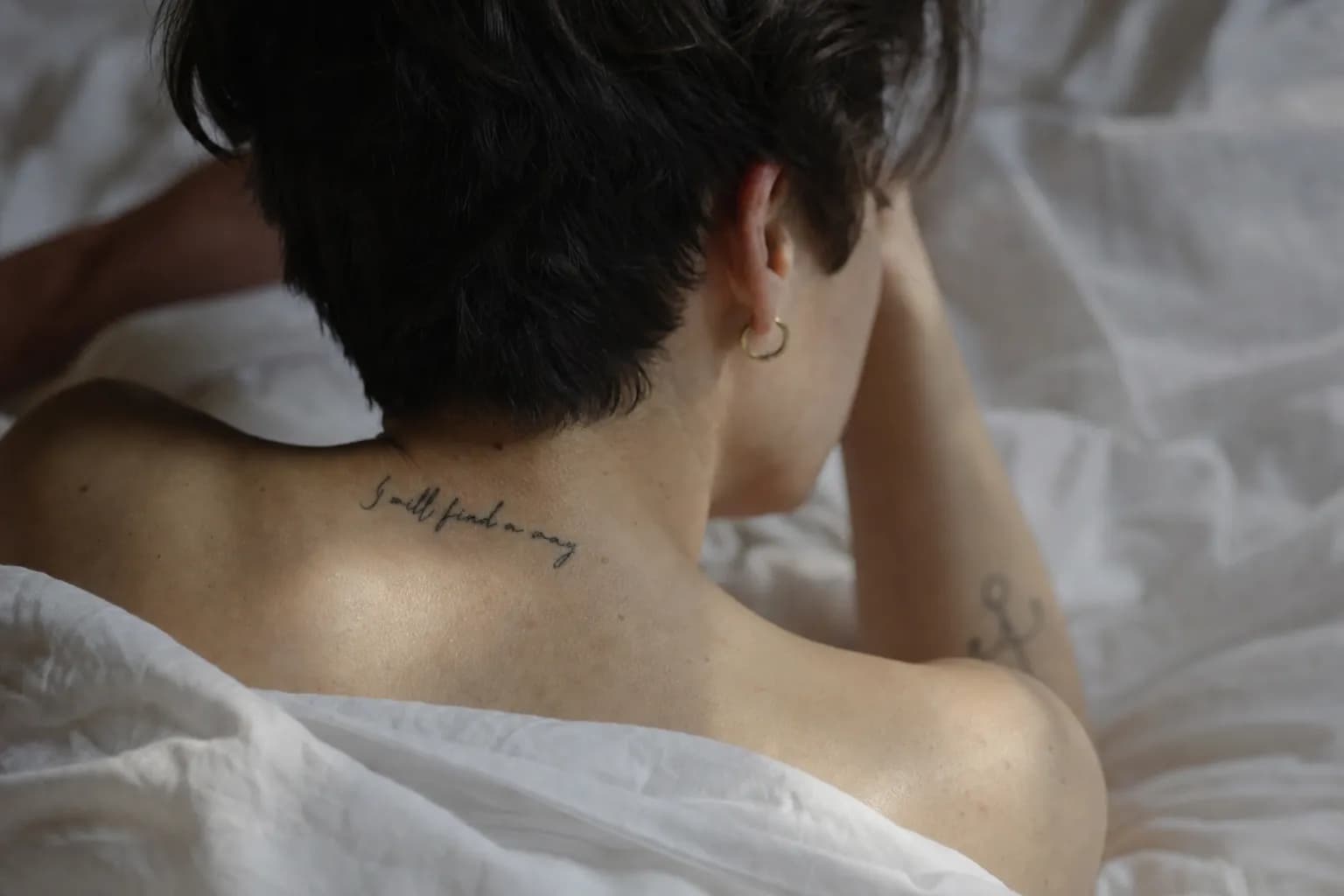
A slightly soft petal on a floral tattoo reads as stylistic. A letter that sits 2mm too low on a word reads as a mistake. Script forgives nothing, and that gap between the two is where a lot of tattooed lettering falls apart.
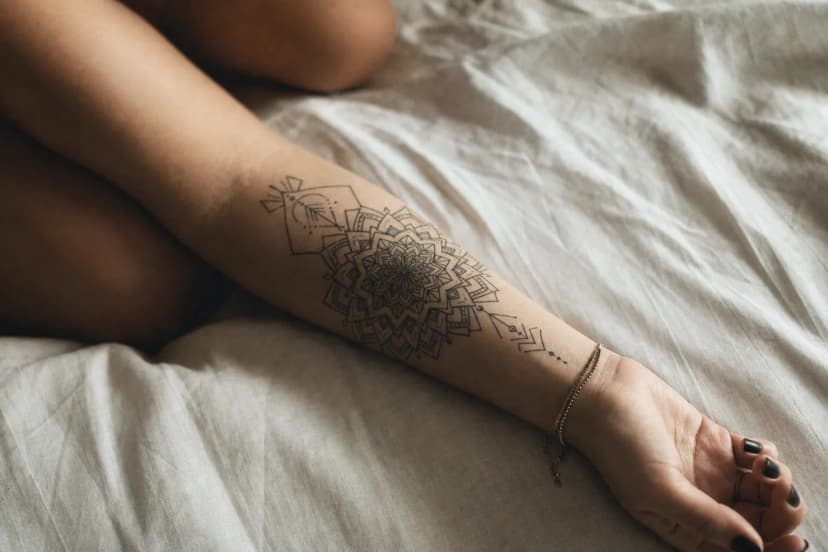
The stencil stage is everything. If the stencil sits off-centre on a curved forearm, you'll see the drift every time you look at the piece. On a mandala or geometric design, minor asymmetry can hide in the pattern. On the word "always", there is nowhere to hide.
Stroke weight matters just as much as placement. Hairlines that are too light will fade within a few years of healing. Strokes that go too heavy will spread as the ink settles into the dermis (the deeper skin layer where tattoo pigment lives permanently), and crisp letters become blurry ones. Getting that balance right is a technical skill that takes years of repetition.
What 'Script' Actually Covers: Styles Within Lettering
"Script tattoo" is a broad term. The style you're picturing and the style the artist is picturing could be completely different things. It helps to know the categories before you walk into a consultation.
Fine Script and Copperplate-Inspired Work
Copperplate-style lettering (named after the engraving plates it was originally pressed from) uses hairline upstrokes and thick downstrokes. The contrast between those two stroke weights is where the elegance lives. Executing it on skin requires a single needle, steady hand speed, and a precise understanding of ink saturation at that scale.
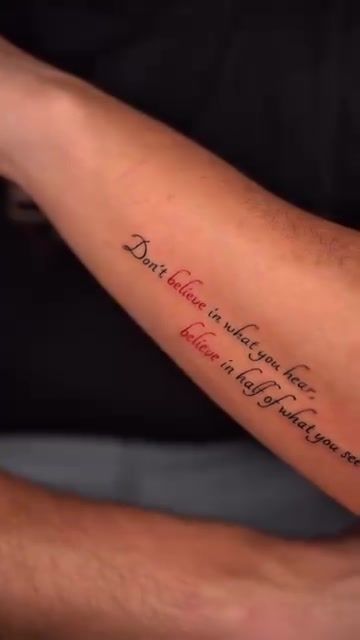
This is the most technically demanding form of script tattooing. It also rewards skill the most visibly. A well-executed copperplate phrase on a forearm is genuinely striking. You can see the approach in this fine script forearm piece, where hairline strokes remain crisp and readable across the full length of the placement.
Bold and Architectural Typography
Bold lettering works differently. The letters themselves are wider, heavier, and designed with negative space (the white gaps inside and around letterforms) doing much of the visual work. Optical spacing, meaning the way letters are spaced to look even to the human eye rather than being mathematically equal, matters as much as the letter shapes themselves.
This style holds its form over time better than hairline script. It suits placements that get a lot of sun or friction, and it reads clearly at a distance. When clients want something that will still look sharp twenty years from now, bold lettering is often the honest recommendation.
Mixed Lettering and Illustrative Combos
Some of the most considered pieces combine script with illustrative elements. Flowers wrapped around a word. Geometric framing around a short phrase. These combinations let the text sit within a composition rather than float alone on skin.
The script and floral hand tattoos in the portfolio show how lettering and botanical detail can share a placement without either element competing for attention. It requires planning both elements together from the start, not adding one as an afterthought.
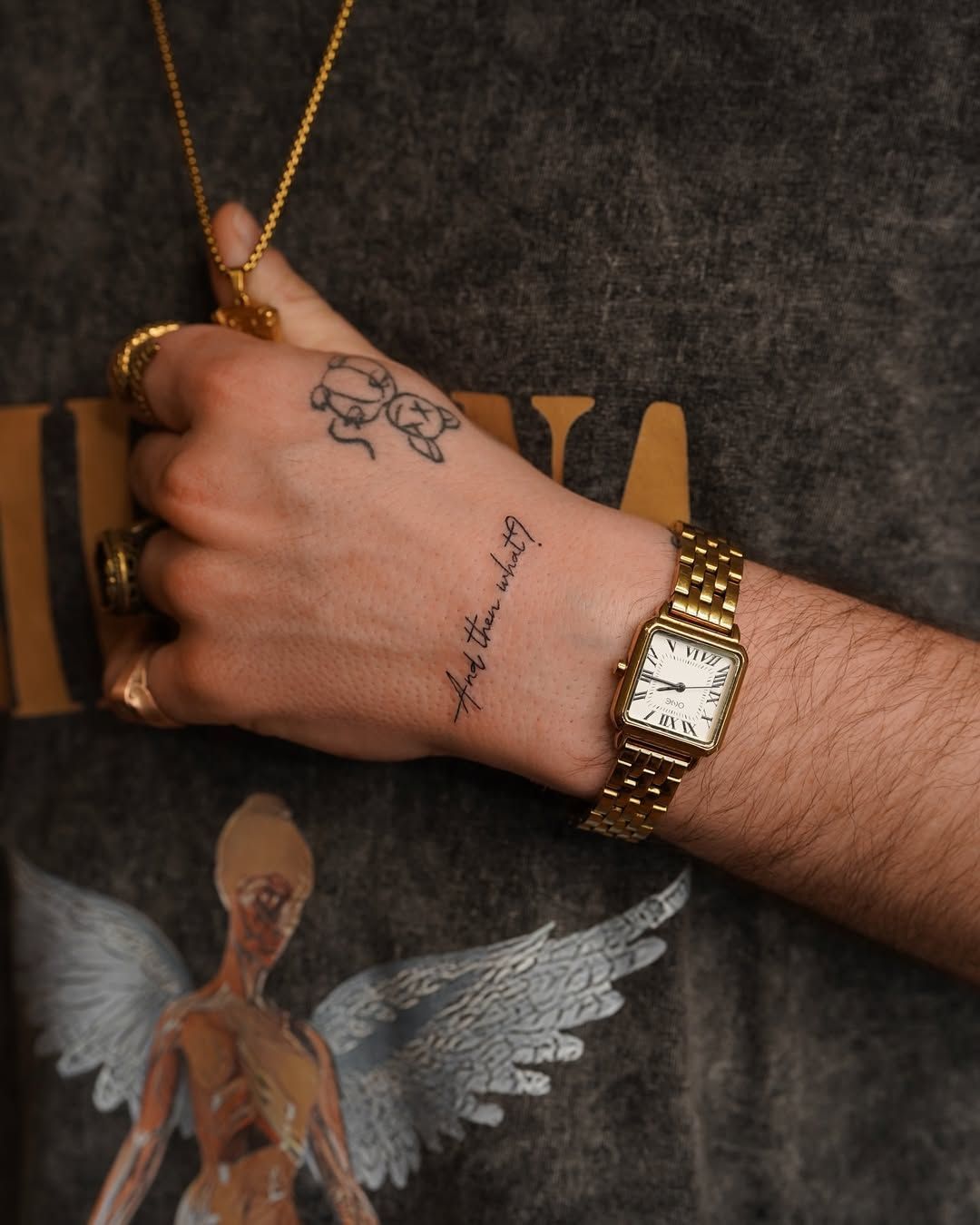
For something more restrained, the studio also executes minimal single-word pieces and multi-line forearm quotes. The circular lettering tattoo is a good example of how geometric structure and typography can work as a unified design.
The Studio's Approach to Custom Typography
No font from a library goes directly onto skin. Every lettering tattoo the studio produces starts as an adapted or fully hand-lettered design, shaped to the specific body part and the specific person wearing it.
Consultation: Why the Font Choice Is Your Starting Point
The consultation isn't just about picking a style. It's about asking what the words mean, what tone they carry, and how you want them to feel in ten or twenty years. A gothic blackletter script sends a different message than a delicate italic, even if the words are identical.
The artist also asks where you're placing the piece before touching any design tool. That question changes everything. You can explore the full range of options on the lettering tattoo service page before your consultation, which gives you a useful starting point for the conversation.
Hand-Drawing Versus Digital Drafting
The studio typically produces a digital draft first, so proportions and spacing can be refined before committing to paper. Once that's approved, the design is converted to a stencil (a temporary transfer applied to the skin before tattooing begins). The stencil goes on, you check it in the mirror, you move around, you sit with it. Nothing happens until both artist and client are fully satisfied with the placement and angle.
That checking stage is not a formality. It's where placement errors get caught. The artist will reapply the stencil if anything looks off, and it's always worth taking that extra few minutes.
Placement and Flow on the Body
Curved text on a forearm is a completely different technical problem from flat text on a collarbone. The forearm rotates and tapers. A phrase that arcs naturally at rest may distort when the arm is extended. The artist accounts for the body's resting position, not just its flat surface, when mapping where each letter sits.
For fine hairline work specifically, the studio uses fineline tattooing technique with a single needle, keeping the machine speed and depth consistent across the entire phrase. Even a small variation in needle depth changes how the ink deposits, which changes how the stroke looks once healed. Fresh ink always looks sharper than healed ink; the aim is for the healed version to still read exactly as intended.
Placement Guide: Where Script Tattoos Work Best
Some placements are technically straightforward. Others carry real trade-offs that are worth understanding before you decide. The table below gives you an honest comparison across the most common options.
| Placement | Legibility | Healing Complexity | Typical Session Length | Key Consideration |
|---|---|---|---|---|
| Forearm | Excellent | Low | 60-90 minutes | Flat canvas, easiest to stencil accurately |
| Collarbone | Very good | Moderate | 75-90 minutes | High sun exposure in Lisbon summers; SPF essential |
| Ribcage | Good (needs bolder strokes) | Moderate-high | 90-120 minutes | Constant movement; fine hairlines risk spreading |
| Spine | Good | Moderate | 90-120 minutes | Requires precise symmetry across vertebrae |
| Hand / Fingers | Moderate | High | 45-75 minutes | Heals unpredictably; touch-ups likely sooner |
Hand and finger placements deserve a longer conversation. The skin there is thinner, exposed to constant friction, and heals very differently from the inner forearm. Fine lines applied with a single needle can blur or partially drop out during the healing process. That doesn't mean avoid the placement entirely, but go in with accurate expectations.
"The placement you choose isn't just an aesthetic decision. It's a decision about how the piece will age, how it will heal, and how it will read on your body for the rest of your life. Take your time with it."
Healing Script Tattoos in Lisbon's Climate
Lisbon's weather is beautiful. It's also genuinely challenging for fresh tattoo healing, particularly in summer. From May through September, UV intensity is high, temperatures push into the mid-30s, and August humidity means you'll sweat through clothing that sits over a new piece.
Sweat introduces moisture and bacteria to a healing wound. Tight fabric over fresh lettering pulls at the surface and can drag ink out of hairline strokes. Loose, breathable clothing over the placement for the first two weeks is not just comfort advice; it's protection for the work.
Sun is the long-term enemy of fine script. Once healed (typically six to eight weeks for the surface, longer for full dermal settlement), keep SPF 50 over the piece whenever it's exposed. Lisbon light fades ink faster than clients often expect, particularly on finer strokes. A piece tattooed in April without UV protection will look noticeably different by October than one that was covered consistently.
For the first ten days, the aftercare routine is straightforward:
- Wash the area gently with unscented soap, twice daily
- Pat dry with a clean paper towel, never rub
- Apply a thin layer of unscented moisturiser three to four times daily
- Keep the tattoo out of direct sunlight entirely while healing
- Avoid swimming pools, the sea, and any prolonged soaking (baths, hot tubs)
- Do not pick or scratch peeling skin, even when it itches
Fine hairline script is the most vulnerable style in the first two weeks. The ink deposit is shallower and the strokes narrower, which means disruption to the healing surface shows up more clearly in the finished result. Healthline's tattoo aftercare guide covers the general healing stages well if you want a detailed overview of what to expect week by week.
If a hairline stroke looks faded or patchy at the six-week mark, that's the window to book a touch-up assessment. Most fine script pieces benefit from one light touch-up session in the first year, particularly if they were placed on a high-movement area or healed through a Lisbon summer.
Frequently Asked Questions
How small can script lettering go and still stay legible?
For cursive script, letters smaller than 5 to 6mm tall tend to blur into each other within a few years of healing. The hairline strokes that give script its character are the first to fade at that scale. Bold or printed lettering can go slightly smaller and hold its shape more reliably over time, because the strokes are heavier and less dependent on fine-line contrast.
How long does a script tattoo session take?
A short phrase of five to eight words on a forearm typically takes 60 to 90 minutes, including stencil time and setup. Longer quotes, curved spine placements, or pieces that combine script with illustrative elements will need a two-hour session or more. The artist confirms the session estimate at consultation once the design is finalised and placement agreed.
Do script tattoos fade faster than other styles?
Fine hairline scripts use thinner ink deposits than bold lettering, which means they can soften faster, especially with regular sun exposure. In Lisbon's bright climate, applying SPF 50 daily once the piece is healed makes a real difference to longevity. Most fine script pieces benefit from a light touch-up visit two to three years after the original session.
Can I bring my own font or handwriting as a reference?
Yes, and many clients do. The studio uses your reference as a starting point, then adapts the letterforms to suit the curve of the placement and the long-term legibility of the piece on skin. A font that looks clean on a screen often needs adjustments in stroke weight and letter spacing before it translates well to a tattoo. Your reference shapes the direction; the artist refines the execution.
Are hand or finger script tattoos a good idea?
They can look striking, but hands are a high-movement, high-friction area. Ink in finger skin heals unpredictably and often needs touch-ups sooner than other placements. The studio will discuss this honestly at consultation so you can make an informed decision about whether the placement suits the longevity you're expecting from the piece.
Where is the studio located in Lisbon, and how do I book?
The studio is based in Lisbon. The best first step is to send an enquiry through the website's contact form with a description of your text, your preferred placement, and any style references you have. The artist reviews all requests and follows up to arrange a consultation before any booking is confirmed.