Why 'Near Me' Is Only Part of the Question
Type "fineline tattoo artist near me" and you'll get a map full of options. The problem is that proximity tells you almost nothing about technical ability. And in fineline work, technical ability is everything.
A 1mm drift on a delicate botanical sits on your skin for life. Bold traditional styles absorb minor inconsistencies inside thick outlines. Fineline has no such safety net. Every line is exposed, every wobble visible, every gap in ink depth permanent.
So yes, find someone in Lisbon. But spend most of your energy on the right question: is this artist genuinely skilled in this style?
What Fineline Tattooing Actually Is
Single-needle vs. Standard liner needles
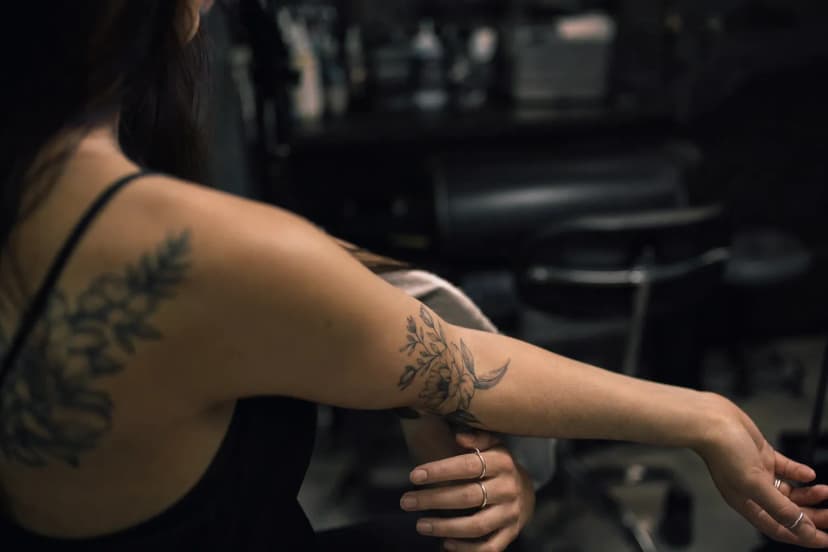
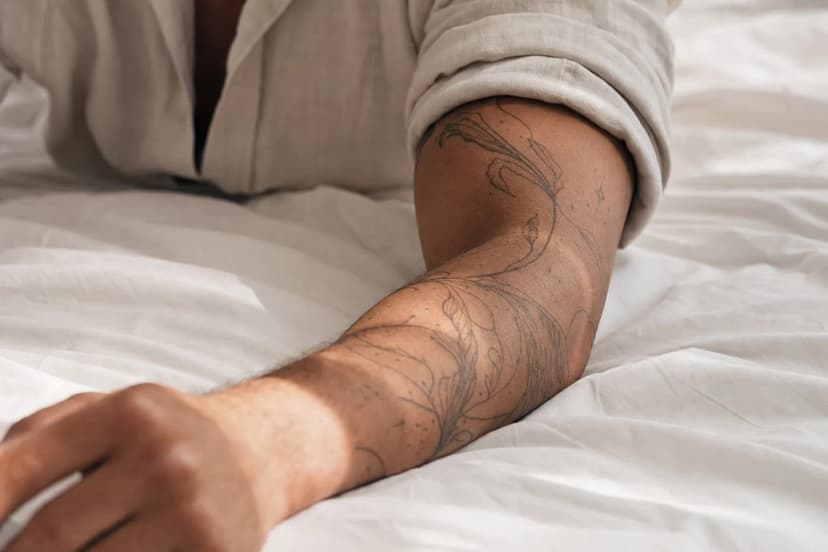
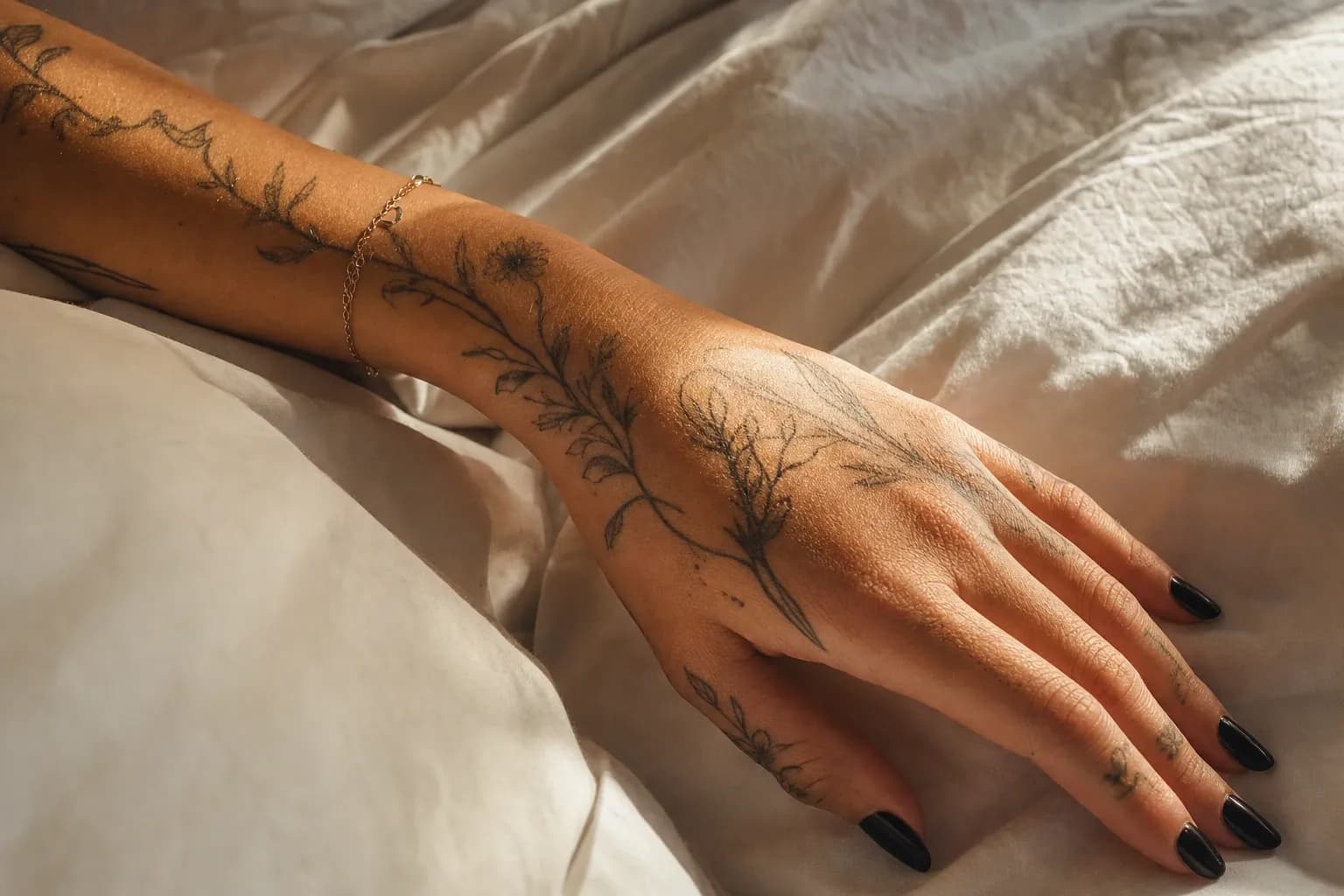
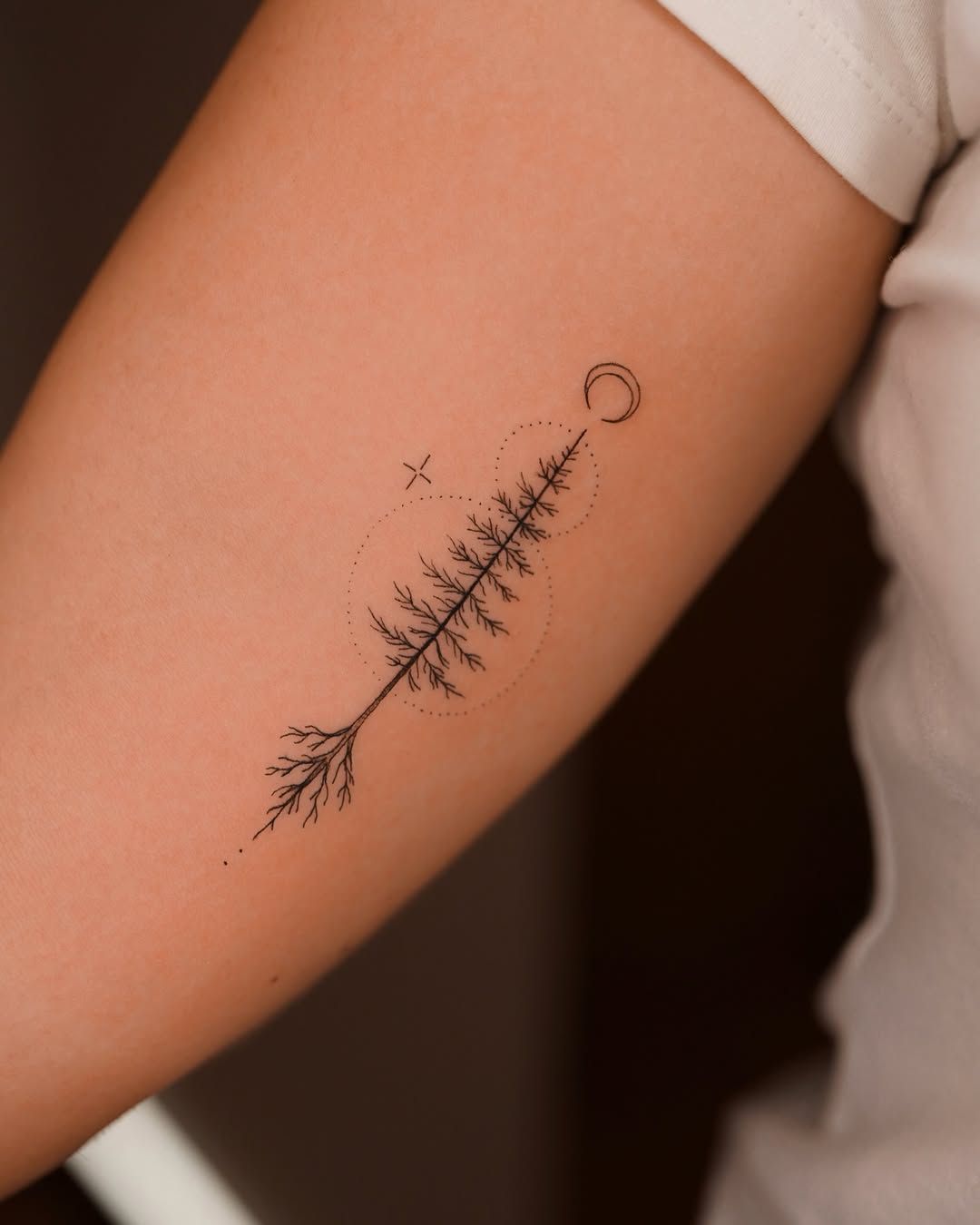
Fineline is exactly what the name suggests: hair-thin lines, no bold outlines, minimal shading, typically monochromatic or very lightly toned. The style covers a wide range of subject matter, including botanicals, portraits, script, geometry, and minimalist concepts.
The most refined version uses a 1RL needle configuration. "RL" means round liner; the number refers to how many needle tips are grouped together. A single-tip configuration (1RL) draws the finest possible mark. It deposits less ink per pass than a standard 5RL or 7RL liner, which means the artist's technique must compensate. Speed, depth, and pressure all need to be precisely controlled on every stroke.
Why fineline demands a different hand and a different machine setup
Standard bold-line tattoos are forgiving at the machine level. A slightly heavy hand still produces a clean result inside a thick border. With precision fineline tattooing, the margin collapses. The artist dials voltage and speed specifically for the design and the client's skin rather than using a single universal setting.
This is where the studio's fineline tattoo service sits differently from a generalist shop offering every style. The machine knowledge, the needle selection, the stencil process: all of it is specific to this way of working. Styles like old-school American traditional or tribal use completely different needle groupings, different voltages, different hand speeds. They don't cross-train well.
The Craft Signals That Separate Good Fineline from Work That Won't Last
Line consistency over a long session
Watch a portfolio for line weight consistency from the top of a piece to the bottom. A two-hour session puts real physical demand on the artist's hand. Tired muscles produce lines that start confident and finish wobbly. Good artists train specifically to maintain consistent pressure throughout.
Ink depth is the other variable. Too shallow and the pigment sits in the epidermis, the outer skin layer that constantly sheds. You'll see it fade within weeks. Too deep and the ink spreads laterally under the skin in what artists call a blowout, where lines soften into a bruised blur. The correct depth is the dermis, roughly 1.5 to 2mm down, and hitting it consistently across a full design requires genuine skill.
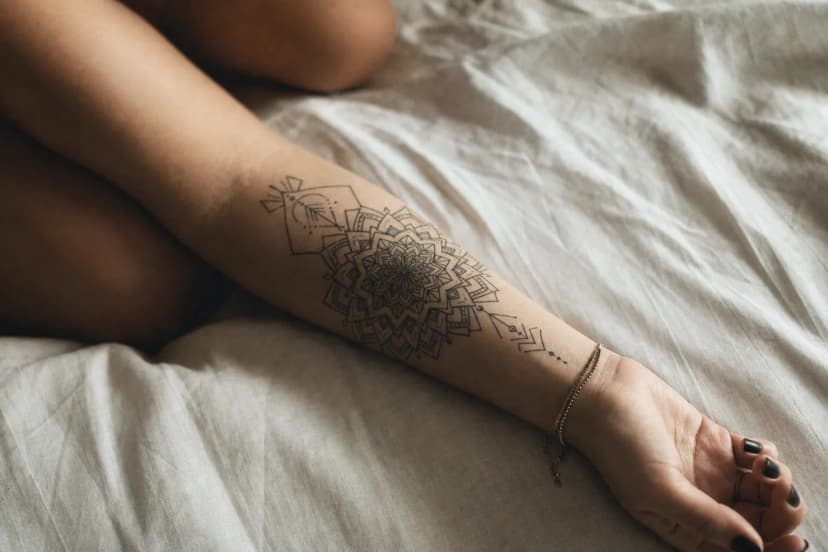
Stencil placement matters just as much as the tattooing itself. If a mandala stencil is placed 2mm off-centre, you'll see the imbalance every time you look at the piece. No amount of precise needlework corrects a placement error baked in before the first line is drawn.
How Lisbon's humidity affects ink settling
Lisbon's Atlantic summers are warm and humid. That moisture slows surface healing: the outer skin layer may peel and flake for a day or two longer than it would in a drier climate. This is cosmetic. It doesn't affect the ink already seated in the dermis below.
What humidity does affect is aftercare comfort. A sweaty forearm in August needs more frequent gentle cleaning than the same forearm in a mild Príncipe Real winter. Keep the area clean, apply a thin layer of unscented moisturiser, and stay out of direct sun. Those rules don't change by season, but they require more discipline when it's 32°C on the waterfront near Cais do Sodré.
How the Studio Approaches Fineline Work
The consultation process
No piece starts without a digital sketch phase. The artist produces a working draft based on your reference material and placement, and you review it before anything is stencilled. This isn't a formality. It's the point where sizing gets confirmed, reference gets refined, and both parties agree on what the finished piece should look like.
Skin tone assessment happens here too. The studio works with awareness of the Fitzpatrick scale, a dermatological classification of skin phototypes from I (very fair) to VI (deeply pigmented). Ink visibility, contrast, and recommended needle passes vary across this range. What reads as a sharp hairline on Fitzpatrick Type II skin requires a different approach on Type IV or V. A generalist artist may not have this in their workflow. It should be standard practice.
Design refinement before the needle touches skin
Needle selection is made per design rather than per preference. A composition requiring true hairlines gets a 1RL configuration. Areas needing slightly bolder fineline fills may use a 3RL, which groups three tips together for marginally more ink deposit per pass while still reading as delicate. Machine voltage and stroke speed are dialled per design and per skin response on the day.
"Fineline is the style where preparation does most of the work. If the stencil is perfect and the depth is right, the needle is just confirming decisions that were already made."
For a fuller picture of how the studio runs a session from first contact to finished piece, the guide on what to expect from a fineline studio in Lisbon walks through each stage in detail.
Practical Guide: Size, Placement, and What to Bring
Size and session length
| Approximate Size | Typical Session Length | Healing Notes |
|---|---|---|
| Under 5cm (wrist piece, small symbol) | 30 to 60 minutes | Surface closes in 7 to 10 days; full ink settling takes 6 to 8 weeks |
| 5 to 10cm (detailed floral, small portrait) | 1.5 to 2.5 hours | Mild peeling normal for 10 to 14 days; avoid sea swimming for 3 weeks |
| 10 to 20cm (forearm botanical, geometric panel) | 3 to 4 hours | Keep out of direct summer sun for 4 weeks minimum; SPF 50 after healing |
| Large or multi-session (sleeve, back piece) | Multiple sessions of 3 to 5 hours each | Each session heals independently; spacing sessions 6 to 8 weeks apart gives skin time to fully settle |
Placement considerations specific to fineline
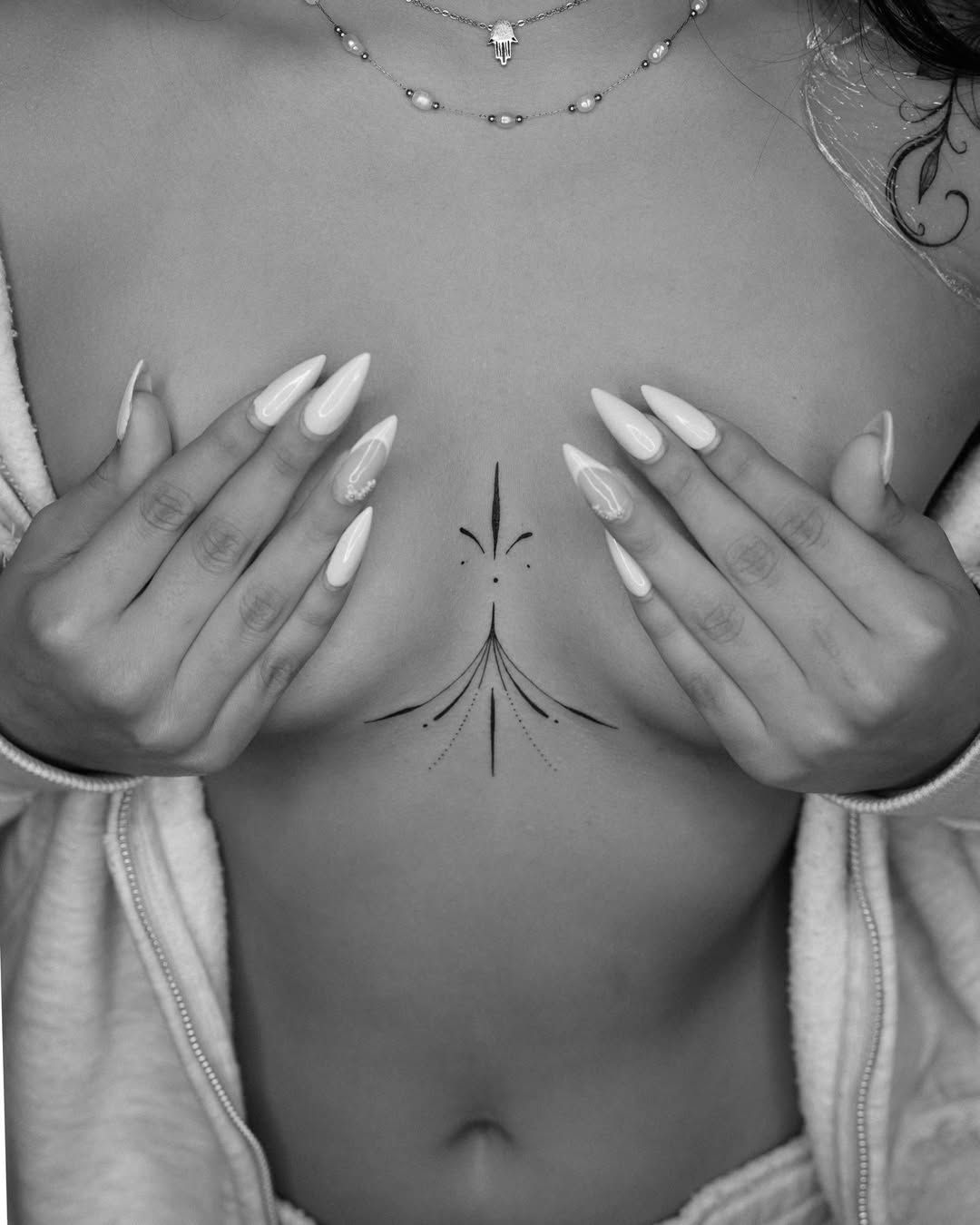
The outer forearm, upper arm, shoulder blade, ribcage, and sternum all offer stable skin with relatively low daily friction. These are strong choices for precise fine line tattoo work that you want to look sharp for years.
Inner wrists, fingers, feet, and the sides of hands experience constant movement and contact. That friction causes delicate hairline work to soften and migrate faster, regardless of how well the original piece was executed. It's not about the artist's skill. It's about skin mechanics.
Before your session: arrive with clean, moisturised skin on the area (not heavily oiled), eat a proper meal, and avoid sunburn on the placement zone for at least a week beforehand. Sunburnt skin is inflamed skin, and inflamed skin doesn't accept ink evenly.
After your session in Lisbon's summer months: keep the piece out of direct sun for four weeks minimum. Day trips to Cascais or Sesimbra mean covering the area or staying in the shade. Sea water introduces bacteria and salt-pulls moisture from healing skin. Wait at least three weeks before any ocean swimming, ideally longer for larger pieces.
If you're thinking about very small work, the article on why small work demands the most precision covers the specific challenges that come with compact, delicate designs.
How to Read a Fineline Portfolio Before You Book
Fresh tattoos always look sharper than healed ones. The ink sits right at the surface, the skin is slightly raised, and contrast is at its peak. Ask specifically for healed photos. That's where the truth about depth, line consistency, and blowouts becomes visible.
- Look for even line weight from the first stroke of a composition to the last. Lines that start crisp and finish thin or scratchy signal inconsistent pressure over a session.
- Clean negative space matters. The white gaps between lines should stay white, not grey. Ink creeping into negative space means depth was inconsistent or the needle passed too slowly.
- No halo effect around lines. A faint bruised shadow at line edges indicates a blowout. It won't resolve over time.
- Versatility across sub-styles signals real technical range. An artist who only posts floral work may struggle with the geometric precision a mandala demands, and vice versa. Look for confident work across botanicals, script, geometric forms, and portraiture.
The Lion Portrait in Diamond on the upper arm is a good example of what healed fineline detail looks like when depth and needle choice are correct: the lines hold their weight, the geometric frame stays crisp, and the portrait detail reads without muddying.
When you're comparing artists, also look at whether they explain their process. A confident fineline practitioner can tell you exactly which needle configuration they're planning to use, why they've suggested a particular size for your placement, and what aftercare the Lisbon climate specifically demands. Vague answers to specific questions are a signal worth noting.
- Request healed photos before anything else.
- Check for line weight consistency across the full composition, not just the focal area.
- Ask about needle selection and how they adjust for different skin tones.
- Confirm the artist produces a stencil you approve before any tattooing begins.
- Read through the aftercare guidance they offer. Specific, climate-aware advice reflects genuine experience.
For more on evaluating artists before committing, the Lisbon client's guide to finding a fineline artist nearby covers how to structure that search from the first Instagram scroll to the consultation booking.
Frequently Asked Questions
How long does a fineline tattoo take to heal?
Surface skin typically closes within 10 to 14 days. Full settling of the ink into the dermis takes 6 to 8 weeks. During Lisbon's humid summers, the outer layer may peel slightly longer than in drier climates, but this doesn't affect the final result if you keep the area clean and lightly moisturised throughout.
Will a fineline tattoo fade faster than a bold tattoo?
It can, but only if placed or executed incorrectly. Work done at the right dermal depth with proper needle selection holds well for years. High-friction placements like fingers or inner wrists are riskier regardless of style. Sun exposure without SPF 50 is the single biggest cause of premature fading in any tattoo, fineline included.
What size is realistic for a fineline tattoo in Lisbon's climate?
Fineline works across a wide range of sizes. A small wrist piece might take 45 minutes; a detailed botanical forearm piece could need three to four hours. Very compact work under 3cm requires extra precision and may not hold every detail long-term depending on skin type and placement. The studio will confirm realistic sizing at consultation.
How do I know if an artist is genuinely skilled in single-needle tattooing?
Ask to see healed photos specifically. Fresh work always looks crisp; healed results reveal the truth about line consistency, ink depth, and whether blowouts occurred. An artist confident in their technique will have healed examples ready. Versatility across florals, geometry, and script also signals real technical depth rather than specialisation in one easier sub-style.
What placements work best for fineline tattoos in terms of longevity?
Outer forearm, upper arm, shoulder blade, ribcage, and sternum all offer relatively stable skin with less daily friction. Inner wrists, fingers, feet, and the sides of hands experience more movement and contact, which causes delicate hairline work to soften faster regardless of how well the original tattoo was executed at the time of the session.
Do I need a consultation before booking a fineline tattoo?
Yes, and any serious fineline artist will insist on it. The consultation lets the artist assess your skin tone, confirm placement, refine sizing, and produce a stencil you approve before anything is permanent. Skipping this step is a red flag. Good fineline work starts long before the needle does, in the design and planning phase.