Why Fine Line Work Lives and Dies on the Details
A 0.5mm variation in line weight is invisible in a bold traditional piece. In fine line work, you see it immediately. And you keep seeing it every time you look at the tattoo. That's the reality of this style. There's nowhere to hide.
Finding a skilled fine line tattoo artist in Lisbon matters more than it might for other styles, precisely because the margin for error is so narrow. One degree of hand angle too steep, one setting slightly off, and a piece that should look like engraving looks like a smudge instead.
And Lisbon's humid summers add another variable. July through September, the skin tends to stay moist longer during the initial healing phase, which can extend the peeling window by a day or two. For precision tattoo work on fine lines, that means aftercare instructions need following closely. More so than in Lisbon's cooler, drier winters, which are genuinely the better booking window for this style.
What Fine Line Tattooing Actually Is
Single-needle vs. Standard needle groupings
Most tattoo machines run needle groupings: a 5RL (five needles arranged in a round liner configuration) or a 7RL gives a bold, saturated line in a single pass. Fine line work uses a single needle, or at most a tight 3RL grouping, to produce lines that can be under half a millimetre wide. The result is clean, delicate, and extremely precise.
That narrowness is what creates the style's character. It's also what makes it demanding. A single needle deposits far less ink per pass than a grouped configuration, so technique has to compensate: consistent hand speed, correct depth, and exactly the right voltage on the machine. Miss any of those and you're either blowing out the line or leaving it under-saturated.
Where the style comes from
Fine line grew out of Californian Chicano script culture in the mid-twentieth century, where artists producing fine lettering and portrait work inside prisons developed single-needle techniques out of necessity. From there, the approach spread to contemporary studio work, eventually merging with minimalist design philosophy and micro realism to produce the style you see widely today.
It suits clients who want subtlety. If you're drawn to something that reads quietly but rewards close attention, this is your style. Bold work announces itself from across a room. Good fineline tattoo work reveals itself gradually.
The Craft Behind the Line
Stencil accuracy
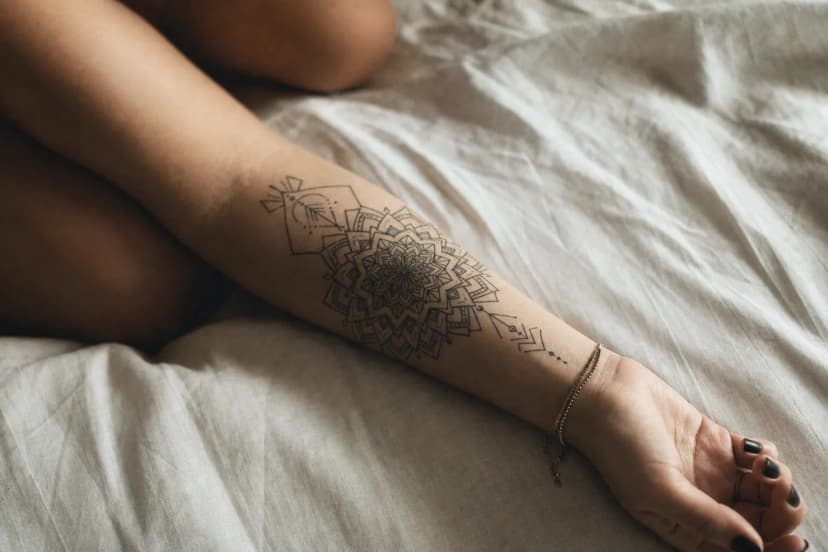
If the stencil sits 2mm off-centre on a mandala, you'll see it every time you look at the piece. On a portrait, that same shift reads as an asymmetry in the face. The studio treats stencil placement as a non-negotiable. Not a starting point to adjust as you go.
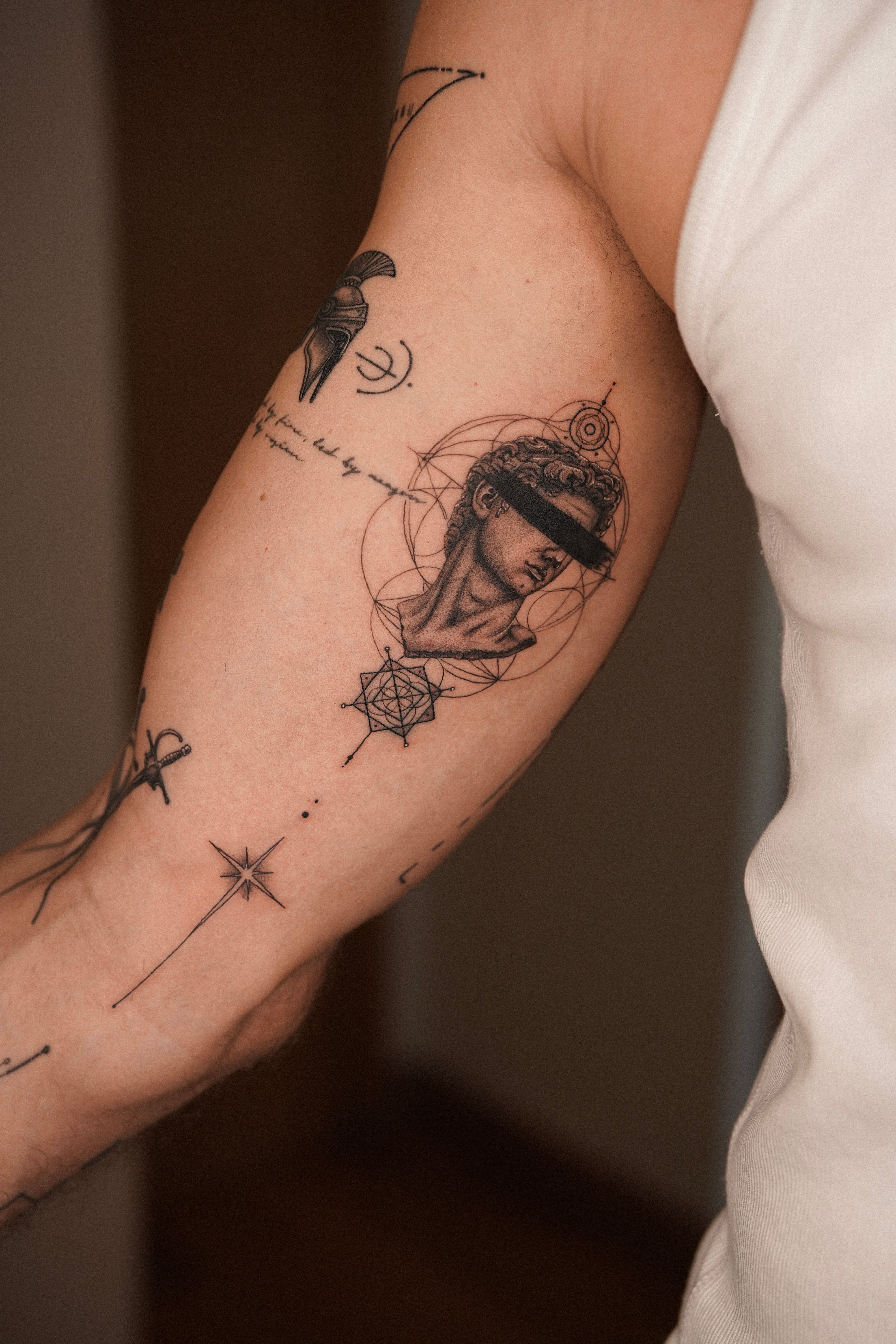
This is especially true for any geometric element in a fine line piece. A circle that's fractionally oval, or a border that's not perfectly parallel, becomes the first thing the eye finds. Getting it right before the needle touches skin is the only option.
Hand speed and machine settings
Hand speed directly controls line weight. Move too slowly and the needle deposits too much ink in one spot, causing a blowout (where ink spreads under the skin beyond the intended line). Move too fast and the line loses saturation, appearing broken or faint.
Machine voltage for fine line work typically runs lower than for realism or bold styles. Needle depth is shallower too. Just enough to reach the dermis (the stable skin layer below the epidermis where ink lives permanently) without going deeper and causing unnecessary trauma. These aren't artistic preferences; they're technical requirements that change piece to piece, skin type to skin type.
Ink saturation in fine work
Under-saturated fine lines fade faster. Not because the style inherently ages poorly, but because there's simply less ink volume in the dermis to begin with. A line that looks crisp at two weeks post-heal but turns grey by month six usually wasn't saturated correctly in the first place.
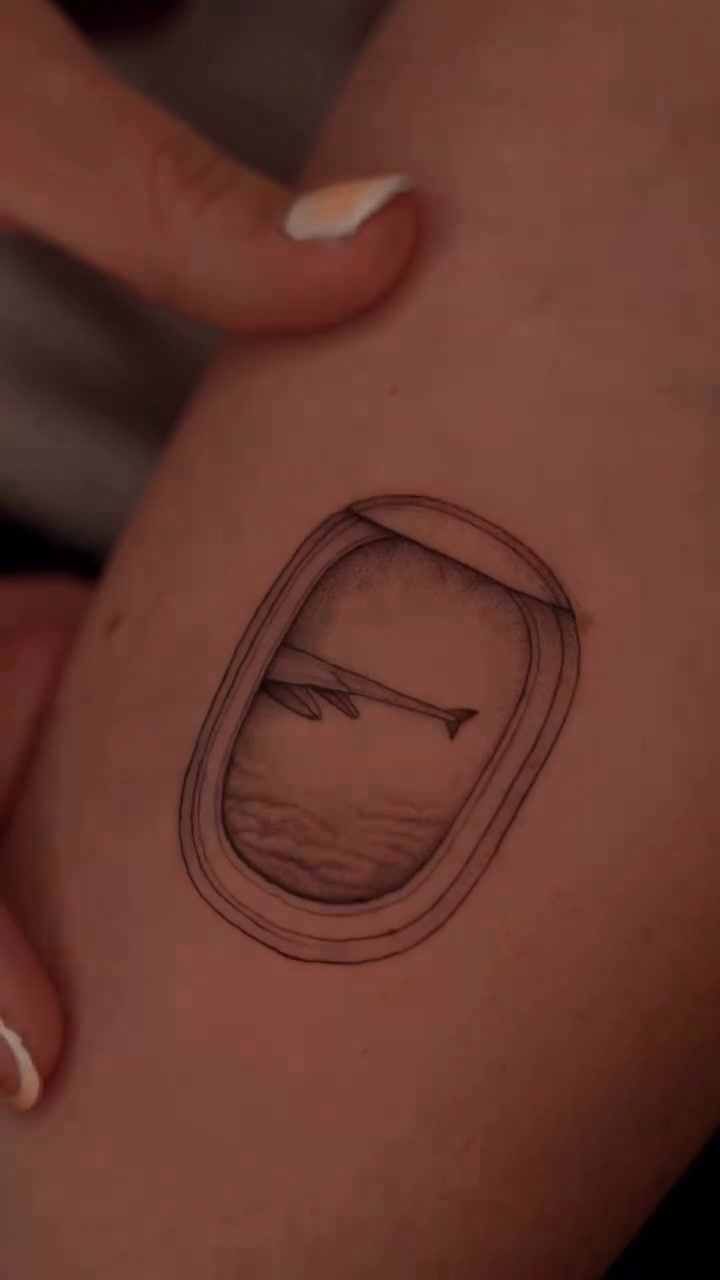
The studio holds saturation as a quality standard, not a stylistic choice. A correctly saturated fine line piece, placed well and cared for properly, holds clearly for years.
How the Studio Approaches Fine Line Work
Consultation and design
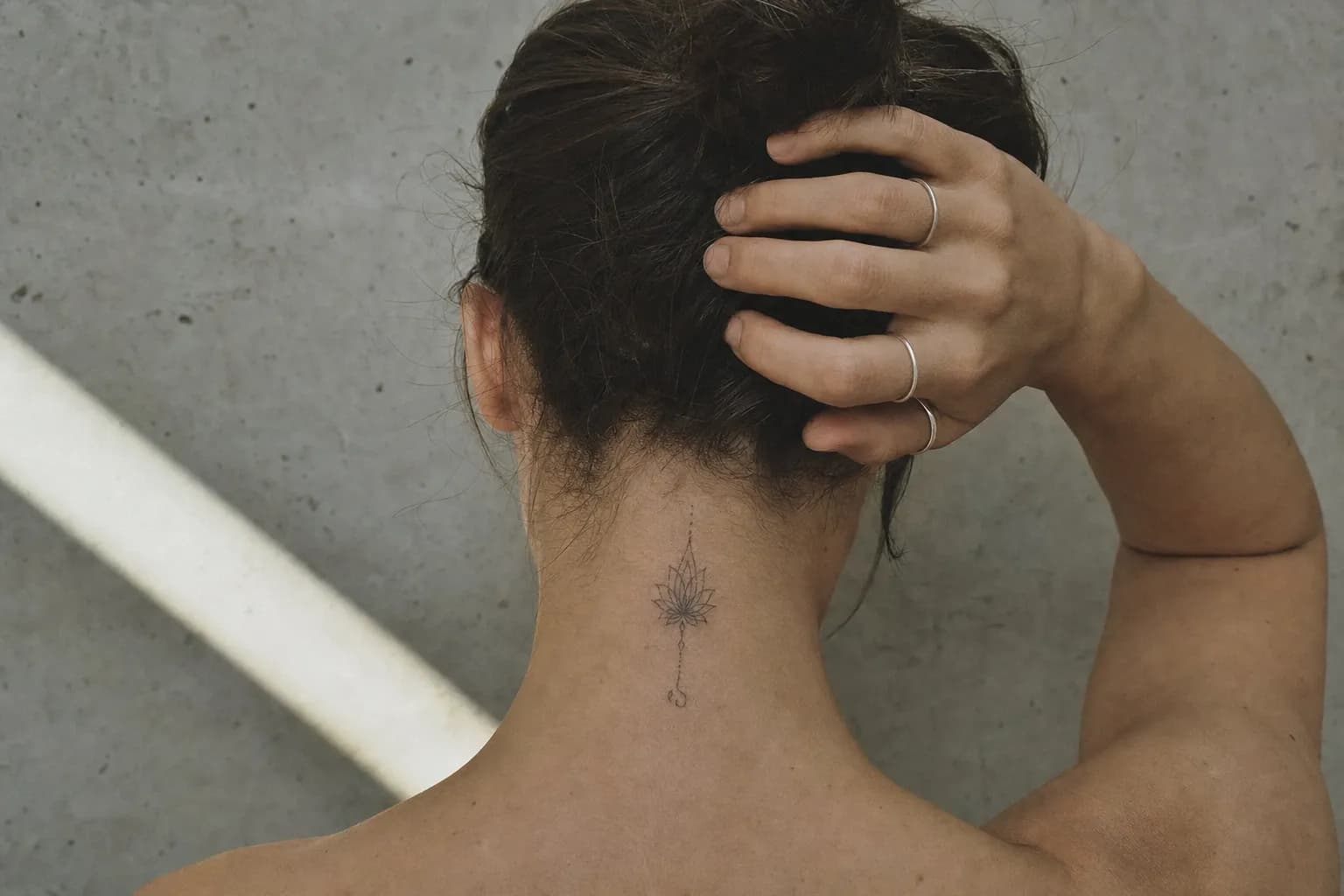
Nothing here is pulled from a flash sheet and scaled. Every design is drawn to the placement, which means the proportions, line weights, and negative space are all calibrated to how the piece will actually sit on your body. A motif that works at 8cm reads completely differently at 4cm. Finer details can't survive the reduction, and the design has to be rethought, not just resized.
The consultation is where that process starts. You bring references: the subject, the mood, examples of line weight you respond to. The artist maps the design from there, working with your placement in mind from the first sketch.
What happens on the day
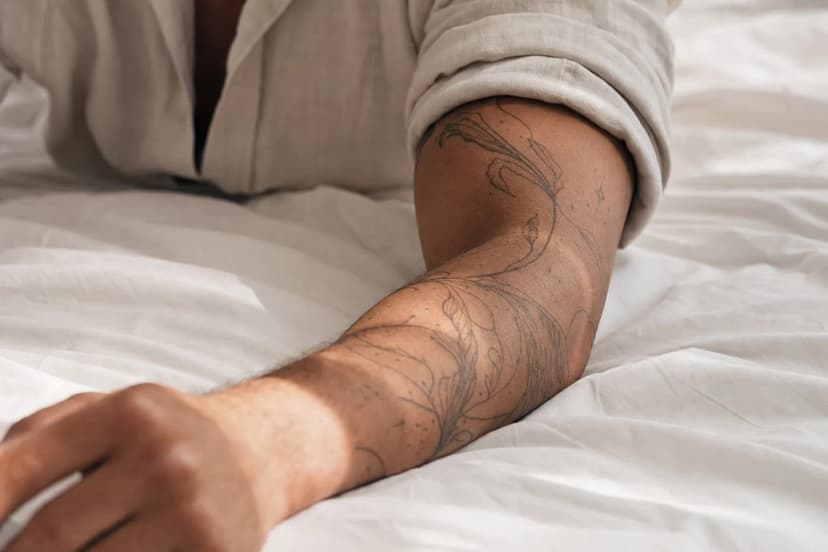
Most fineline pieces at the studio sit in the 1.5 to 3 hour window. A compact single-motif design, say a botanical element on the inner arm, typically takes around 90 minutes including setup and stencil time. A more involved piece with layered detail or shading will push into the two to three hour range.
Explore the studio's fineline service for a full picture of what the style offers and how the process runs from first contact to healed result.
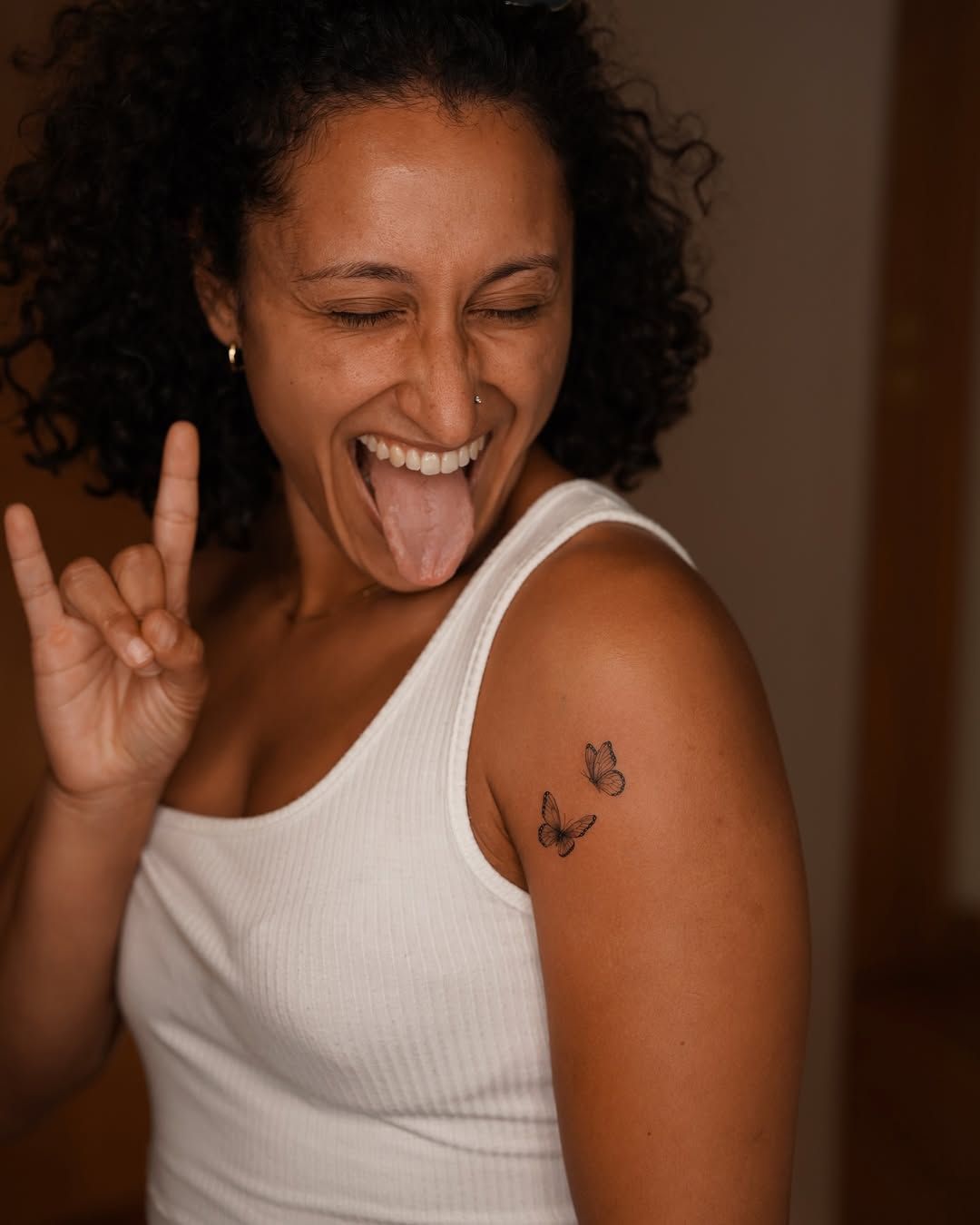
For clients who want to understand the relationship between small scale and technical demand before booking, the guide on why small work demands the most precision is a good read.
Placement, Sizing, and What to Expect in Lisbon
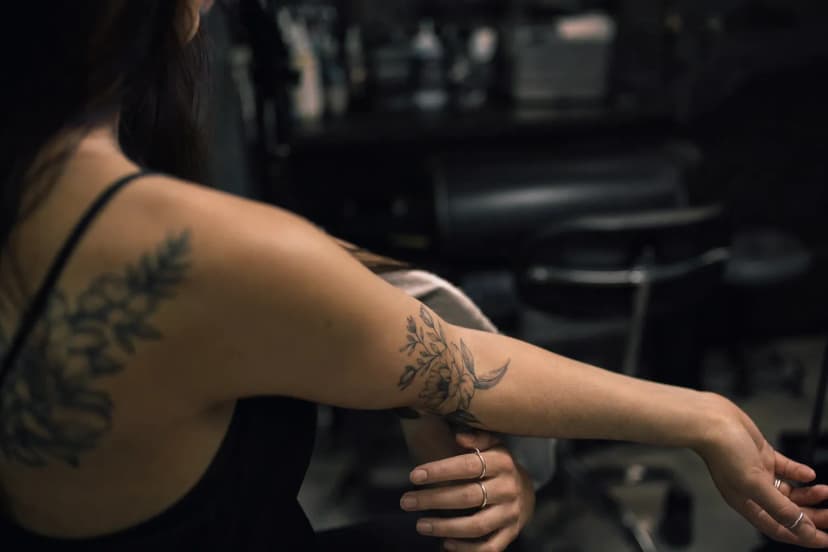
Placement choices affect how a fine line piece ages more than almost any other variable. High-movement areas. Fingers, inner wrists, the backs of knees. Experience constant skin flexing and friction. Ultra-fine lines in those zones fade and lose definition faster than the same design on a more stable surface like the upper arm, shoulder blade, or ribcage.
| Placement | Longevity for Fine Line | Healing Notes (Lisbon context) |
|---|---|---|
| Upper arm / outer forearm | Excellent. Stable skin, low friction | Breathes well; standard wrap timing applies |
| Shoulder blade / upper back | Excellent. Minimal movement | Clothing friction manageable; avoid tight straps in first week |
| Ribcage / sternum | Good. Occasional clothing irritation | Summer heat increases sweating; breathable dressings matter more |
| Inner wrist | Moderate. Skin flexes constantly | Humid summers slow initial peel; keep dry and clean |
| Fingers / hands | Poor for ultra-fine lines. High wear | Not recommended for single-needle detail work |
| Ankle / foot | Moderate. Dependent on footwear habits | Summer sandals help; closed shoes in the first two weeks cause issues |
Lisbon's July to September humidity means the initial peel stage can feel stickier and take a day longer than in cooler months. Use a breathable second-skin film dressing rather than cling wrap if you're booked in summer. Change it when it starts lifting at the edges, typically every 24 to 48 hours in the first four days.
- Wear loose, natural-fibre clothing over the placement area to your appointment
- Eat a full meal two hours before sitting. Blood sugar stability matters for longer sessions
- Arrive with clean, moisturised (but not freshly lotioned) skin
- Avoid sunburn on the placement area in the two weeks before your session
- Skip alcohol for 24 hours beforehand. It thins the blood and affects how skin accepts ink
For a fuller breakdown of placement choices by size and style, the placement guide for small and fine line tattoos covers the key considerations in detail.
How to Judge a Fine Line Artist's Portfolio Before You Book
Fresh tattoo photos are almost useless as a quality signal. Ink looks crisp immediately after a session regardless of technique. The real test is how work holds at six months, twelve months, two years out. Always ask to see healed photos before you commit.
"Anyone can photograph a tattoo the day it's done. What matters is what it looks like when the skin has settled and the ink has found its level. That's the honest picture."
Beyond healing, look at the whole piece, not just the hero detail. Line consistency across a 10cm stretch tells you more than a close-up of the best section. And check the negative space. The untattooed skin between elements. In poor fine line work, negative space goes grey and muddy because ink has spread where it shouldn't. In good work, it stays clean and white.
- Green flags: consistent line weight from start to finish; clean negative space; healed photos available; clear evidence of geometric accuracy in any symmetrical elements
- Green flags: portfolio shows range of skin tones and placements, not just studio-lit upper arms; artist can discuss their needle configuration and machine settings clearly
- Red flags: only fresh tattoo photos; blurry or low-resolution portfolio images; lines that are clearly thicker at the start and end of strokes (inconsistent hand speed); greyish negative space in healed shots
- Red flags: no consultation process. A delicate tattoo artist who doesn't discuss placement and design before booking is skipping steps that matter
The guide on what to look for before you book a fine line artist goes deeper into portfolio vetting, with specific questions worth asking during a consultation.
If you want to see what a consistent minimalist tattoo artist approach looks like across many different subjects and placements, the studio portfolio gives you a range of pieces from compact single-motif work to detailed multi-session projects. All in healed or near-healed condition where possible.
Frequently Asked Questions
Do fine line tattoos fade faster than other styles?
Fine line tattoos can fade more noticeably than bold work if the ink isn't saturated correctly into the dermis. Placement matters too: high-movement areas like fingers and inner wrists lose definition faster. With proper aftercare and correct technique, a well-executed fine line piece holds clearly for years. The style itself isn't the problem. Under-saturation is.
How long does a fine line tattoo session take in Lisbon?
Most fineline tattoo sessions in Lisbon sit between 90 minutes and three hours, depending on size and complexity. A small single-motif design typically takes around 90 minutes including setup and stencil time. More detailed pieces with layered shading will run longer, and larger work is spread across multiple sessions weeks apart to let the skin recover properly between sits.
Can fine line tattoos be done on darker skin tones?
Yes, though the design approach changes. On deeper skin tones, very light grey shading can lose visibility, so the artist typically increases ink concentration and works with stronger contrast ratios. Consulting with an artist who has direct experience tattooing a range of skin tones is the most important step. Ask to see healed examples on comparable skin before booking.
What's the difference between fine line and minimalist tattoos?
Fine line refers to technique: using a single needle or tight 3RL grouping to produce very thin, precise lines. Minimalist refers to design philosophy: stripping an image to its essential elements. The two overlap frequently, but a fineline tattoo can be highly detailed, while a minimalist piece can be executed in various techniques. They're not the same thing, though they often share the same clients.
How soon can I book a fine line tattoo consultation in Lisbon?
Bring reference images showing the subject, the mood, and examples of line weight you respond to. A photo of the intended placement area helps the artist plan sizing accurately. You don't need to have every decision made before you arrive. The consultation is where those choices are worked through together, with the artist drawing from your references and the placement requirements.