The Short Answer: Yes, and Here Is Why
If you've been comparing prices across tattoo styles, you've probably noticed realism sits at the higher end. That's not arbitrary. A realism tattoo demands significantly more chair time, a narrower technical skill set, and a level of preparation that simpler styles don't require. You're not just paying for ink on skin; you're paying for an artist who can translate a photograph. Every shadow, every highlight, every subtle tonal shift. Onto a curved, living surface that moves and breathes.
For context: a small fineline piece might take 90 minutes. A minimalist design could be done in an hour. A palm-sized realism portrait sits closer to three to five hours, even before you factor in preparation. The price difference follows naturally from that gap.
Artist specialisation matters here too. Realism is one of the most demanding niches in tattooing. The learning curve is steep, and artists who do it well have spent years building very specific technical knowledge. That expertise is reflected in the rate.
What Makes Realism Technically Harder Than Other Styles
Layering and tonal range
Realism is built through layering. The artist makes multiple passes over the same area, each time using ink at a different dilution or pressure, slowly constructing tonal depth the way a photographer builds exposure in a darkroom. A single shaded area might be worked three or four times before it reads correctly. Miss a layer and the piece looks flat. Add too much too quickly and you blow out the skin before the detail is set.
This is why our realism tattoo service requires a longer consultation than most. The tonal plan for a piece has to be mapped before a needle touches skin.
Reference accuracy and stencil precision
If a stencil on a geometric mandala sits 2mm off-centre, you'll notice. On a portrait, a 2mm shift in the eye placement destroys the likeness entirely. The artist must transfer the reference with exact proportions, then read the photographic detail in real time as they work, constantly checking against the source image. That back-and-forth judgment, repeated thousands of times across a session, is exhausting in a way that bold-line tattooing simply isn't.
Needle selection and machine settings
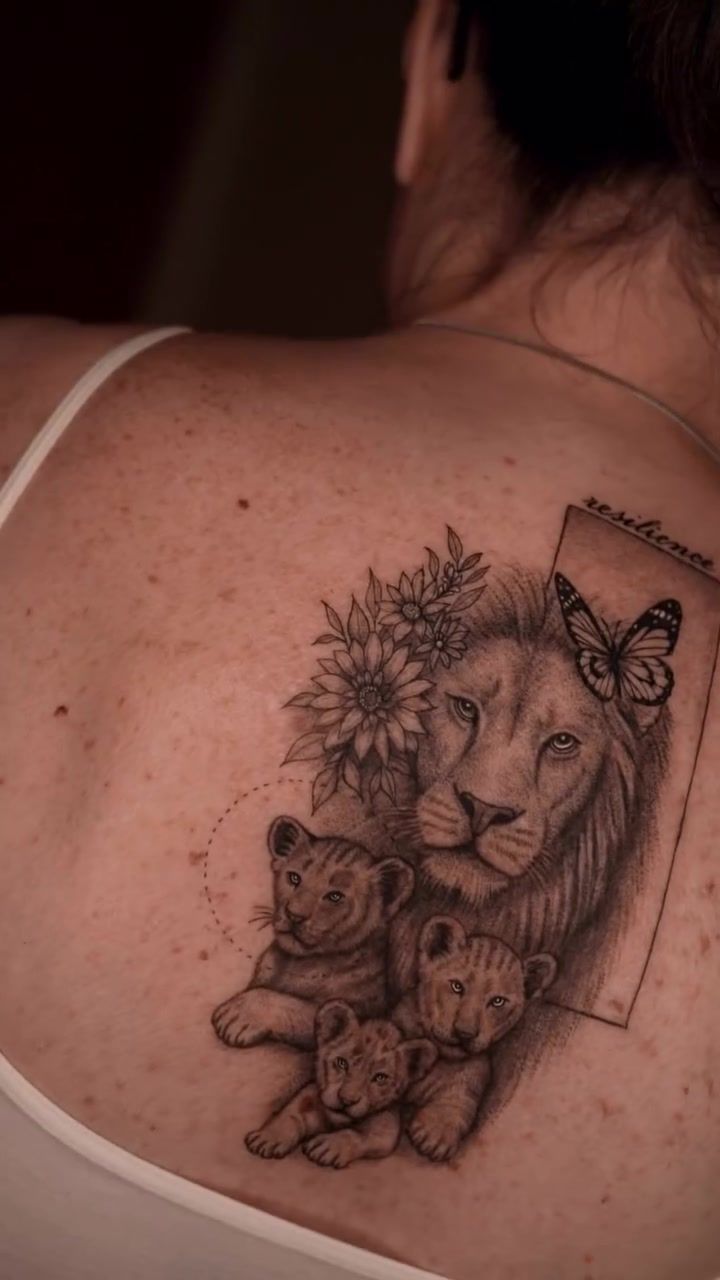
A realism piece doesn't use one needle configuration throughout. Outlining, mid-tone shading, deep shadow packing and highlight lifting all require different needle groupings and different machine voltages. The artist switches between tools as the piece progresses, reading what the skin is doing and adjusting accordingly. Getting those transitions wrong leaves visible banding, the equivalent of a gradient that skips a shade.
Session Length: The Biggest Cost Driver
Time is the clearest explanation for why realism tattoo prices are higher. Most studios price by the hour or by agreed session blocks. Realism simply takes more of both. A small palm-sized piece typically runs three to five hours. A sleeve panel or a single back piece section sits closer to six to eight hours per sitting. Large-scale work almost always spans multiple sessions.
Those sessions need to be spaced six to eight weeks apart. Skin has to recover fully between rounds of heavy shading before the next layer of detail goes in. Compressing that timeline damages the result; the skin can't hold fine tonal work if it's still mid-heal from the previous sitting. This spacing also means the full cost of a large piece is spread over months, which is worth factoring into your planning.
For comparison, our micro realism tattoo cost breakdown covers how smaller-scale photorealistic work is priced differently, which is useful if you're weighing up size options.
| Style | Approximate session length | Typical session count (medium piece) |
|---|---|---|
| Minimalism | 30 min to 1.5 hours | 1 |
| Fineline | 1.5 to 3 hours | 1 to 2 |
| Micro Realism | 2 to 4 hours | 1 to 2 |
| Realism (small) | 3 to 5 hours | 1 to 2 |
| Realism (sleeve panel or back section) | 6 to 8 hours | 2 to 4+ |
Size, Placement and Subject Matter
Size and detail density
A larger canvas doesn't just mean more time in a linear sense. It means more tonal transitions, more areas where shadow and highlight have to be balanced against each other, and more surface for errors to compound. A piece that's twice the size isn't twice the work; it's often closer to three times, because maintaining consistency across a large area requires constant visual recalibration.
Placement and skin behaviour
Flat placements like the outer thigh or upper arm are the most cooperative surfaces for realism. Curved placements, ribs, the spine, the inner arm, make precise shading slower and harder. The skin tension changes as the artist moves across the curve, needle depth shifts slightly, and ink behaves differently in areas with less fat cushioning. Placement directly affects session length and, over time, how the piece ages.
Subject complexity: portraits vs. Animals vs. Objects
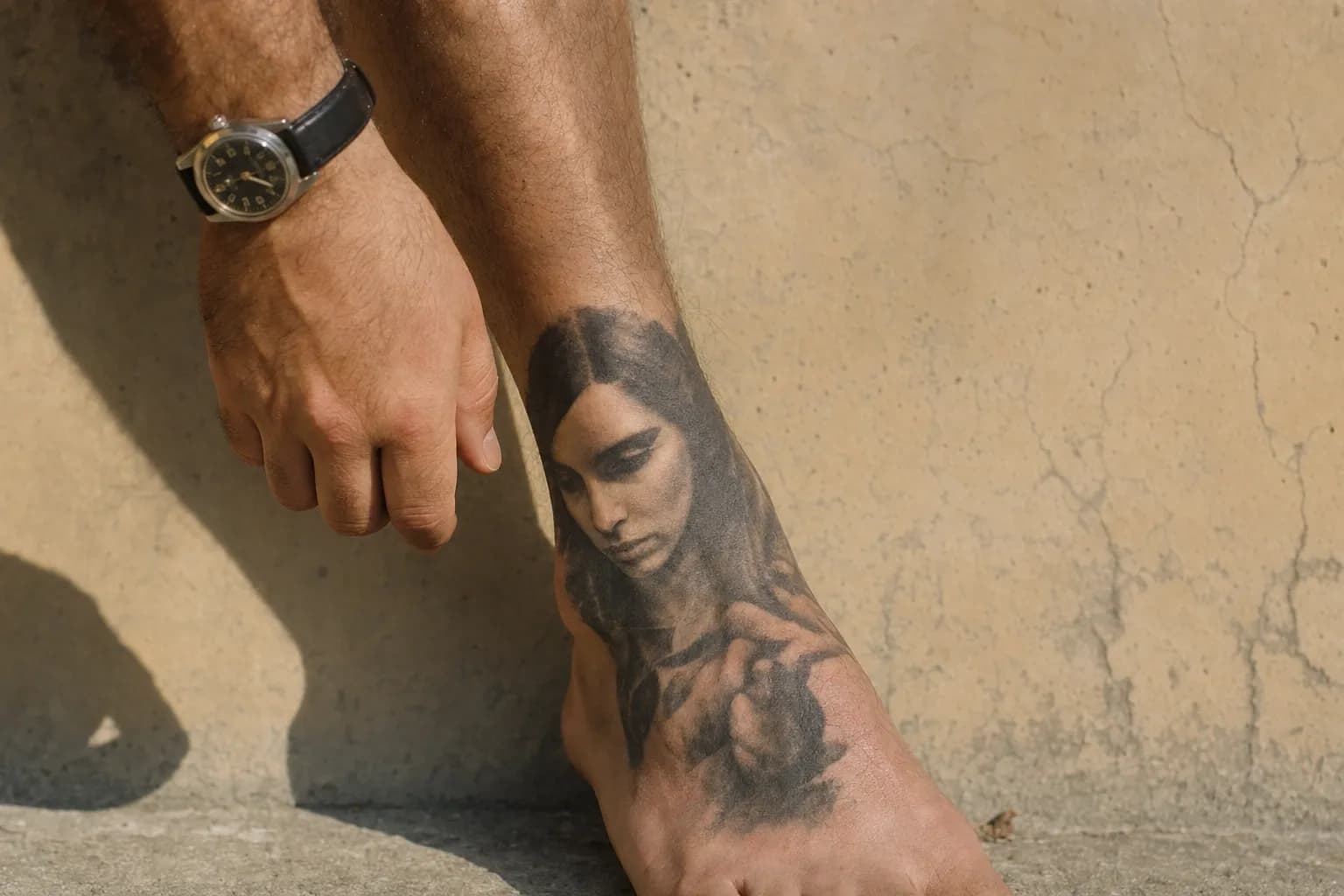
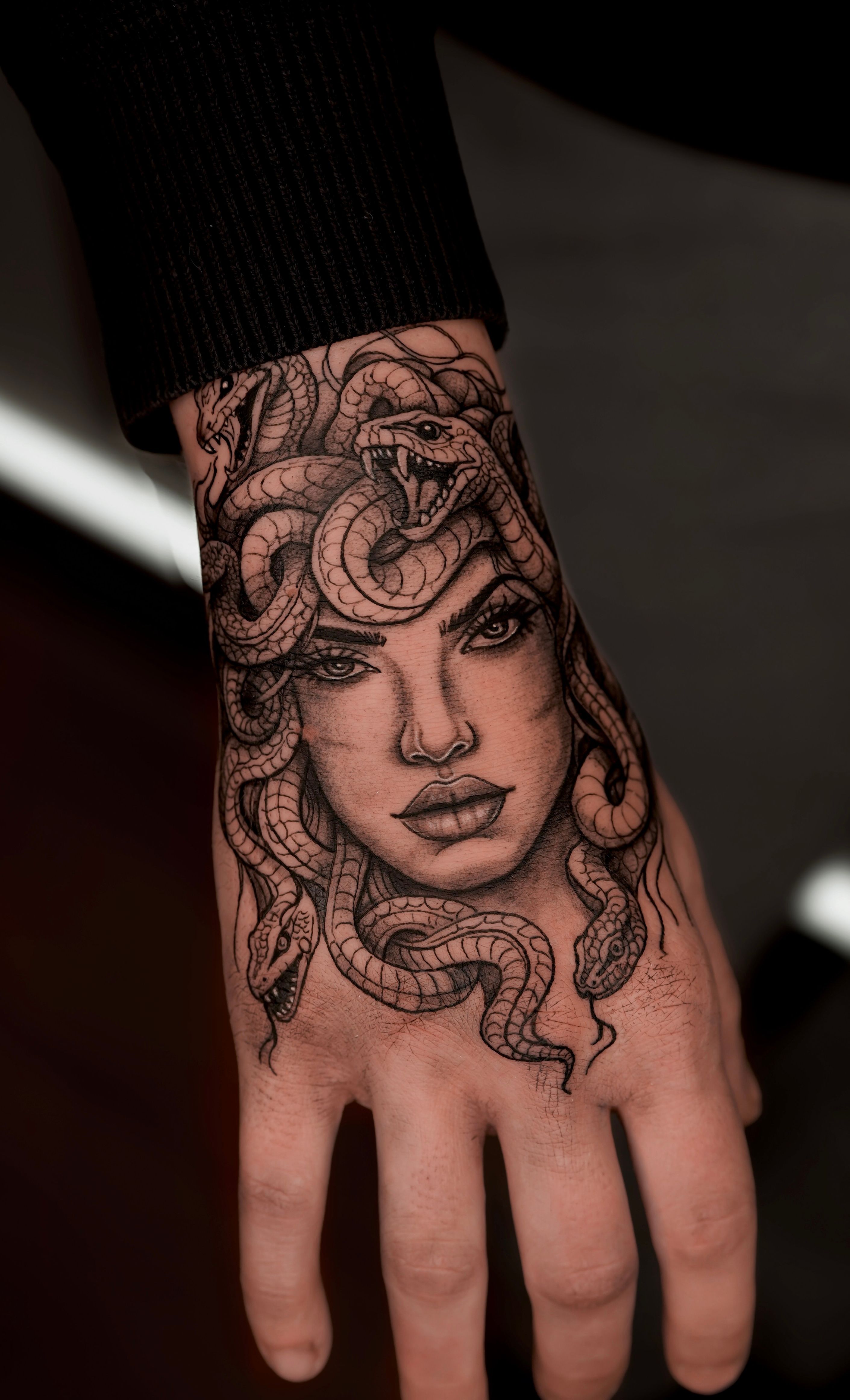
A portrait of a human face is the most demanding realism subject. Every feature has to read correctly at a glance, because the human eye is extraordinarily sensitive to facial proportions. Animals with dense fur or fine feather texture require tight needle work that slows down the pace per square centimetre significantly. Objects and architecture, by contrast, are generally more forgiving because we're less calibrated to notice minor inaccuracies in a building than in a face.
How the Studio Approaches Realism Pricing in Lisbon
Every realism piece at this studio is priced after consultation, not before. The artist reviews your reference images, agrees on the size and placement with you, and then works out a scope that's clear before anything is scheduled. No surprise add-ons mid-session. The scope is set, and the price follows from it.
Reference quality matters at this stage. A dark, low-resolution phone photo of a loved one won't give the artist the tonal information needed to build the piece properly. Consultation is the moment to sort that out, not the morning of your session.
If you're booking in summer, Lisbon's humidity affects healing. Sweat and heat can irritate fresh skin, particularly on large shaded areas where the surface disruption is extensive. The studio factors this into session scheduling for complex pieces, and your aftercare plan will reflect the season. Reading our tattoo aftercare guide before your appointment gives you a head start on what the skin actually needs in this climate.
The studio is accessible from central Lisbon, within easy reach of Príncipe Real and Cais do Sodré, and close to several metro lines, so fitting a consultation around your day is straightforward.
Is It Worth the Extra Cost? What You Are Actually Paying For
Years of style-specific practice sit behind every realism session. This isn't generic tattooing skill applied to a photorealistic subject. It's a discipline that has to be trained deliberately, the same way a painter learns to work in oils rather than watercolour. The artist has spent years on realism specifically, building the muscle memory and visual judgment that long sessions demand.
The materials matter too. Premium inks hold tonal consistency across a six-hour session in a way that cheaper alternatives don't. Needle quality affects how cleanly the ink is deposited, which is visible in the healed result. These aren't cosmetic upgrades; they're functional choices that protect the final piece.
There's also the preparation time you don't see. Before you arrive, the artist has spent time adjusting your reference, sketching the layout, and planning the tonal map of the piece. That work doesn't appear on a clock-in sheet, but it's part of what you're paying for.
"A poorly executed realism piece can't be quietly improved later. The tonal structure is either right from the first session or it isn't. That's why the preparation matters as much as the tattooing itself."
A realism piece that goes wrong is difficult to fix and nearly impossible to cover without a much larger, darker design. The photorealistic tattoo cost reflects the stakes, not just the time. For a fuller look at what that craft demands on the face specifically, see our guide on what photorealistic portraits demand in Lisbon.
Practical Tips Before You Book a Realism Tattoo
Coming prepared makes a real difference to how smoothly the process goes. Here's what the studio recommends before your consultation or session.
- Bring the highest resolution reference images you can find. Ideally 1MB or larger, studio-lit or professionally photographed, with a neutral background, clear shadows and distinct highlights.
- Avoid dark, heavily filtered, or low-contrast images. The artist needs to read tonal information from your reference; a poor photo produces a poor map.
- Book a consultation before committing to a session date. This is where size, placement and scope are agreed, and where the artist confirms whether your reference will work as intended.
- Plan for multiple sessions on anything larger than palm-sized. Don't try to compress a back piece into a single sitting; it won't produce the result you're expecting.
- Budget for aftercare products from day one. Proper healing protects the fine tonal detail that makes realism work. Neglecting the first two weeks is one of the fastest ways to lose crispness in healed shadows.
- Eat a full meal before a long session. Fatigue and low blood sugar affect how the skin responds during extended work, and they affect how you feel in the chair across a six-hour sitting.
For a day-by-day breakdown of what your skin goes through after a realism session, the tattoo aftercare guide covers exactly what to expect and what products actually help during each stage.
What to bring to your consultation
- Reference images saved at full resolution on your phone or printed at A4 size or larger.
- A clear sense of the placement you want and whether you're open to alternatives if the skin there poses challenges.
- An honest idea of your time and budget window, so the artist can scope the piece realistically rather than under-planning a design that needs four sessions.
Frequently Asked Questions
Why do realism tattoos cost more than other styles?
Realism requires far more session time, specialist technique and reference preparation than simpler styles. The artist must build tonal depth through repeated layering passes, match photographic detail in real time, and use specific needle configurations for each phase. That combination of skill, time and materials is reflected in the price.
How many sessions does a realism tattoo take?
It depends on size and complexity. A palm-sized piece often fits in a single three to five hour session. Sleeve panels or large back pieces typically need two or more sessions spaced six to eight weeks apart, allowing skin to recover fully before the next round of detail work is added.
Do realism tattoos fade faster than other styles?
Realism tattoos can fade faster if aftercare is neglected, because fine tonal gradients are more sensitive to sun exposure and poor healing than bold linework. With proper aftercare and sun protection, a well-executed realism piece holds its depth for many years.
Is a realism tattoo more painful because it takes longer?
Longer sessions mean the skin experiences sustained needle contact, which many people find more tiring than a short sitting. The actual sensation depends on placement and individual tolerance. Difficult placements like ribs or the spine add to discomfort regardless of style.
How do I choose the right reference image for a realism tattoo?
Bring the highest resolution image you can find, ideally studio-lit or professionally photographed. Avoid dark, low-contrast or heavily filtered images. Clear shadows, distinct highlights and a neutral background give the artist the tonal information needed to translate the subject accurately onto skin.
Can a realism tattoo be done on any body part?
Most placements work, but curved or high-movement areas like the elbow ditch, inner wrist and ribs add technical difficulty and affect long-term crispness. The artist will discuss placement options during consultation, balancing your aesthetic preference with what the skin in that area can realistically hold.