Why Portrait Realism Is the Hardest Style to Get Right
The human brain identifies faces before it identifies almost anything else. Put a slightly off-kilter eye in a landscape and most people won't notice. Put it in a portrait and everyone notices, immediately, even if they can't name exactly what's wrong. That neurological hair-trigger is what makes portrait tattoo work so unforgiving.
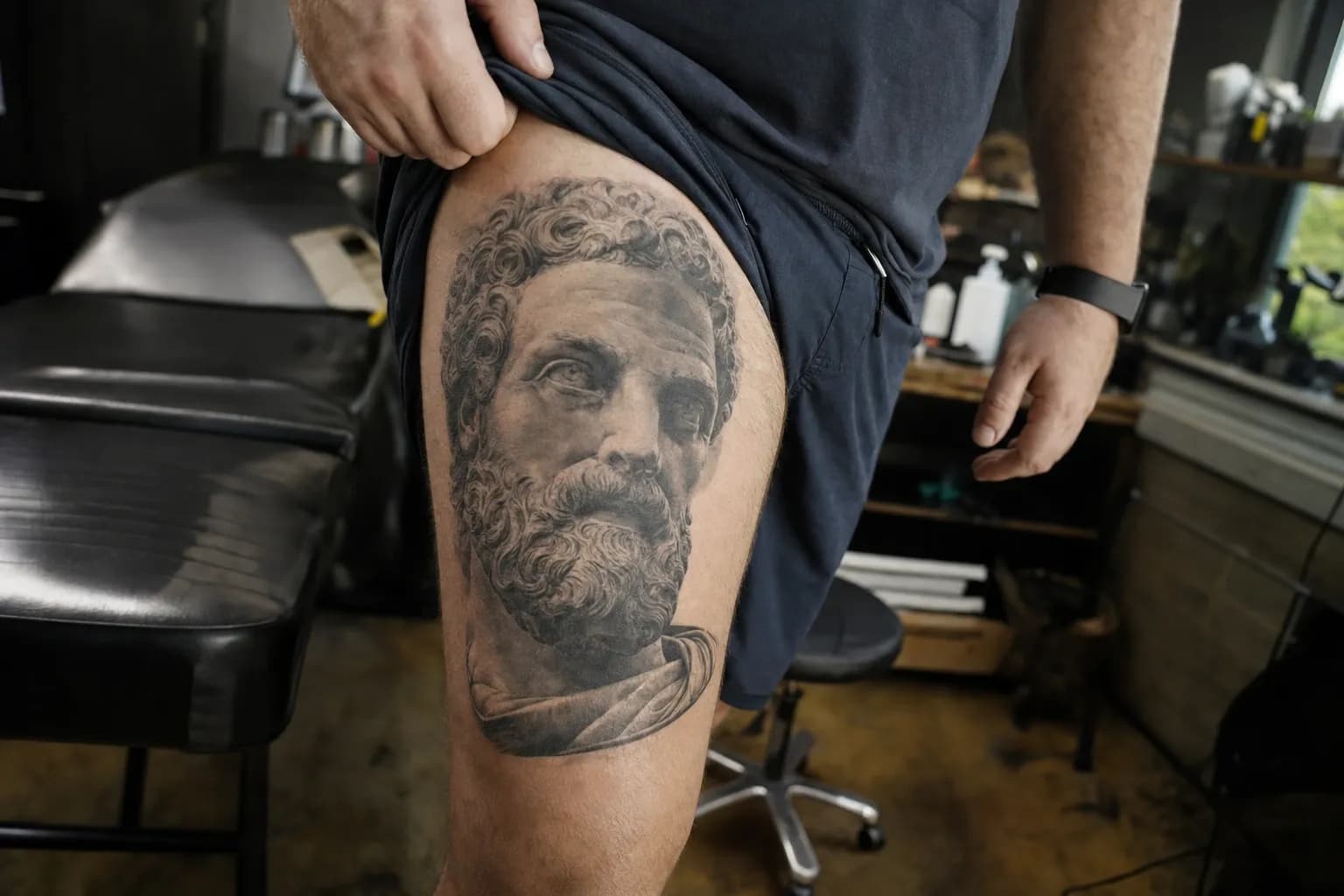
A competent portrait tattoo demands three things happening at once: consistent light source across the whole face, smooth tonal gradation from highlight to shadow, and structural accuracy in bone and muscle placement. Miss any one of them and the likeness collapses. Contrast that with a geometric piece, where a line 1mm off-centre is absorbed by the surrounding pattern. In a portrait, that 1mm sits on someone's cheekbone and reads as a completely different person.
That's not said to discourage you. It's said so you go into the process knowing exactly what you're evaluating when you look at a portfolio.
What Realism Tattoo Work Actually Involves
Our realism tattoo service covers everything from photorealistic portraits to detailed nature scenes. But understanding the mechanics helps you ask better questions when you're choosing an artist.
The role of the reference photo
The reference image shapes everything. A low-resolution, poorly lit photo taken at an angle doesn't give the artist enough information to work from, regardless of their skill level. Sharp, well-lit references, ideally from multiple angles, let the artist map light sources accurately before a needle touches skin.
This isn't a formality. It's the foundation of the entire piece. The studio will review reference material at consultation and will tell you honestly if what you've brought is workable.
Needle groupings and ink layering explained
Two main needle configurations do the heavy lifting in a black and grey realism tattoo. Magnum needles, which fan out in a curved row, shade large areas of skin smoothly. Round liners, a tight cluster of needles in a point, draw fine detail into eyes, hair strands, and skin texture. Neither is optional. You need both working together to get depth.
Ink goes in across multiple passes, not one flat layer. The artist builds tonal values gradually, lightening washes for mid-tones, denser passes for deep shadows. Rushing that layering compresses the depth and produces a flat-looking result. Colour realism follows similar logic but adds the complexity of hue temperature, which also shifts as the skin heals.
How to Evaluate a Portrait Artist's Portfolio Before You Book
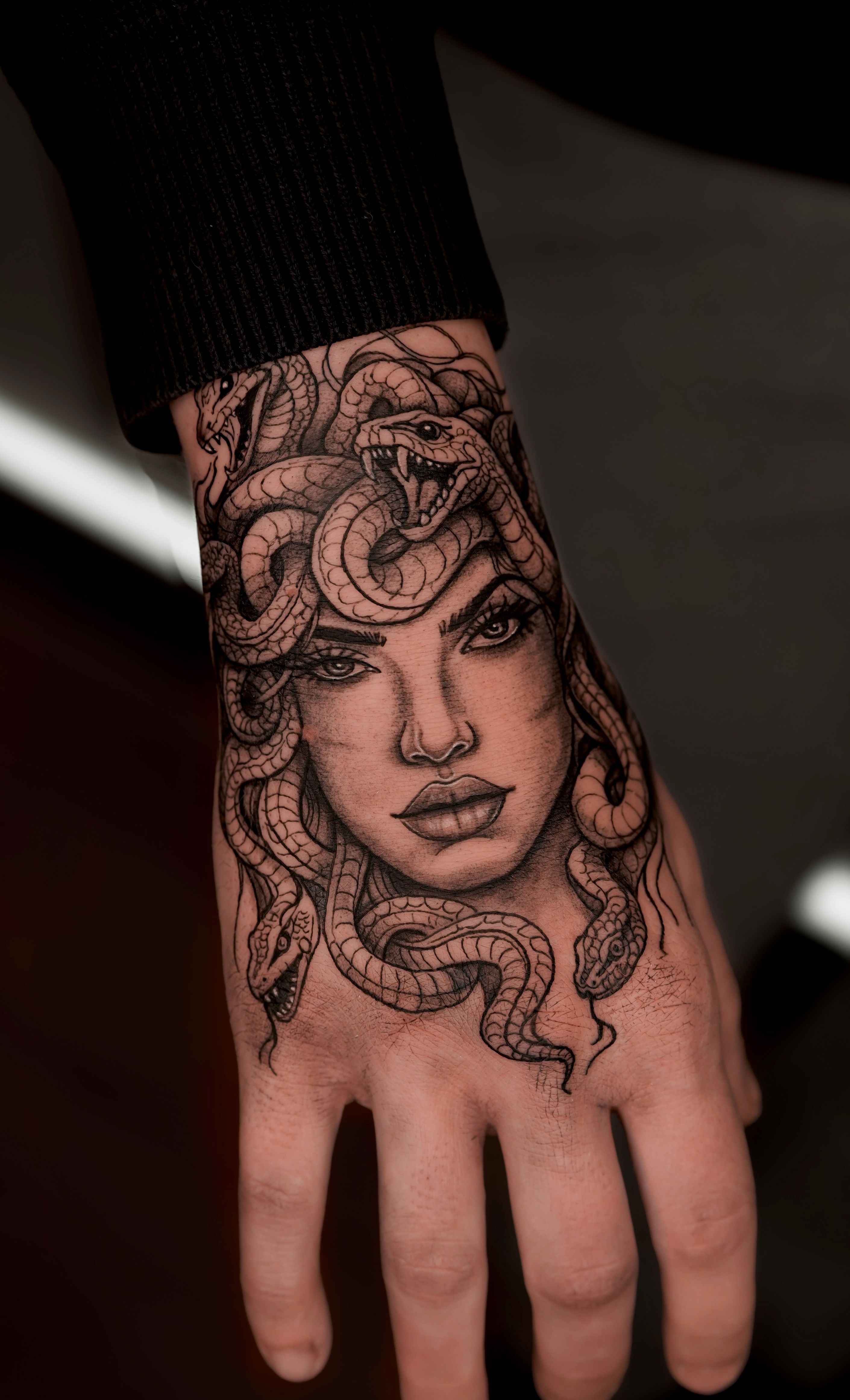
One strong portrait in a portfolio tells you the artist had one good day. Ten consistent portraits across different subjects, skin tones, and scales tell you they actually know the style. Look for the second kind. That consistency is what separates a portrait tattoo artist Lisbon clients can trust with a meaningful piece from one who got lucky on a single commission.
Two areas expose technical weakness faster than any other: the eyes and hair transitions. Eyes require the sharpest highlight-to-shadow control in the whole piece. A single misplaced catchlight, the tiny bright spot in the iris, and the subject looks lifeless. Hair transitions, where individual strands break from a dark mass into lighter, separated lines, reveal whether the artist can switch between magnum and liner work without losing rhythm.
What healed work reveals that fresh work hides
Fresh tattoos lie a little. Ink sits above the skin's surface, contrast looks punchy, and everything appears crisper than it will settle. Ask specifically for healed portfolio photos, taken six to twelve weeks after the session. That's when you see the real result: whether the fine lines held, whether the mid-tones blended or went patchy, whether the highlights stayed bright.
Any confident realism artist will have healed photos to show. If a portfolio only contains fresh work, ask why.
How the Studio Approaches Portrait Realism in Lisbon
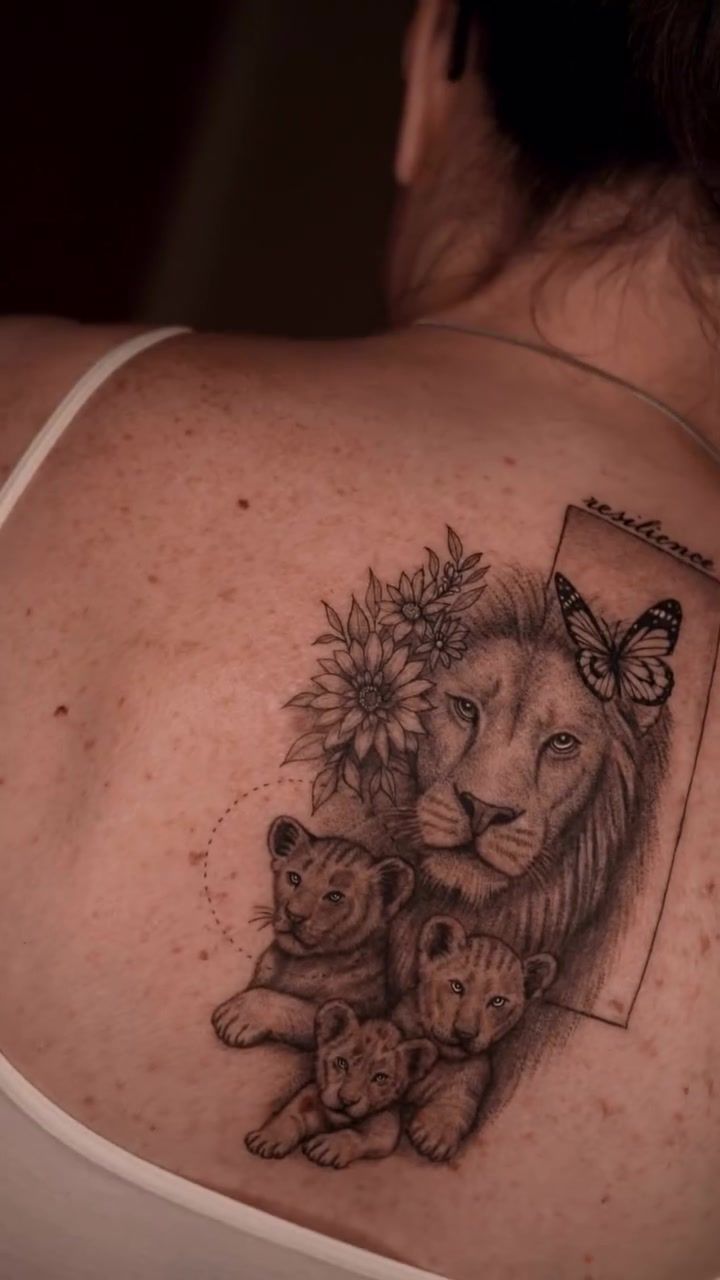
Every portrait commission starts with a consultation, not a booking form. The studio reviews your reference images, discusses placement, and talks through sizing before anything else is agreed. That conversation matters. It's where the difference between a workable project and a disappointing one gets caught early.
Large portrait work never gets rushed into a short window. A head-and-shoulders piece on the upper arm takes four to six hours minimum. The studio structures sessions around what the skin and the design actually need, not what fits a quick schedule. See how that long-form approach develops in the Marcus Aurelius sleeve project, a multi-session realism commission built in stages.
The studio is accessible from central Lisbon neighbourhoods. Clients come from Príncipe Real, Cais do Sodré, and Alfama with ease; the area is well-connected by metro. If you're travelling from further out, the studio is also straightforward from Lapa.
"The reference photo and the conversation around it tell me almost everything I need to know about whether a portrait is going to work. Good reference, clear intention, and enough space on the skin to do the subject justice. Get those three right and the session almost runs itself."
Placement, Size, and Healing: The Practical Side of Portrait Tattoos
Placement choices and what they mean for longevity
Skin that moves a lot degrades fine detail faster. That's the short version of placement logic. The upper arm and thigh are the most reliable surfaces for a photorealistic tattoo Portugal-based clients ask about: flatter, less exposed to constant flexion, and large enough to give the design room to breathe. Hands and fingers are the opposite. High friction, constant UV exposure, and thin skin mean portrait detail on the hands requires touch-ups more frequently.
Size and placement are linked. The studio won't compress a recognisable face into a space too small to hold the necessary detail. For a portrait with readable features, think a minimum of roughly 10 by 12 centimetres. Below that threshold, fine details in the eyes and hair tend to merge as the skin ages and ink settles slightly.
| Placement | Recommended Minimum Size | Typical Session Length | Longevity of Fine Detail |
|---|---|---|---|
| Upper arm | 10 × 12 cm | 4-6 hours | Excellent |
| Thigh | 12 × 15 cm | 5-7 hours | Excellent |
| Back (shoulder blade area) | 14 × 16 cm | 5-8 hours | Very good |
| Forearm | 10 × 13 cm | 4-5 hours | Good |
| Hand or finger | Not recommended for portraits | Variable | Poor without regular touch-ups |
Healing in Lisbon's climate
Lisbon summers run humid and warm. Under a healing wrap, that means you'll sweat faster than you would in a cooler climate, which can soften the skin surface and disrupt early healing. Change your wrap as directed and keep the area as cool and dry as practical. For deeper guidance on what realism work actually requires in Lisbon, including climate-specific aftercare, that article goes into more detail.
The Tagus waterfront looks beautiful, but UV exposure there is strong. Sun is the single biggest enemy of realism detail over time. Keep a healing portrait covered when you're outside, and once it's fully healed, use SPF 50 on it consistently, especially from May through September.
Mild Lisbon winters are generally easier healing conditions for large-scale work. If timing is flexible, a winter or early spring session gives the piece the best possible start.
What to Bring to Your Portrait Tattoo Consultation
Bringing strong reference material is the single most useful thing you can do before your consultation. The studio needs to understand the subject, the lighting, and the mood you're after. One blurry phone screenshot won't cover that.
- Multiple photos of the subject, from different angles if possible. Front-facing and three-quarter views are most useful.
- High resolution images. If you can pinch-zoom on your phone without the image going blurry, it's probably workable.
- Examples of the mood or tone you want. A high-contrast dramatic portrait reads very differently from a soft, hazy one.
- Photos in good, even lighting. Harsh flash photography flattens shadows and makes it harder to map a consistent light source.
- Avoid heavily filtered images. Instagram filters change tonal values and give the artist an inaccurate picture of the subject's actual features.
Come ready to talk about the meaning behind the piece, too. That context helps the artist make decisions about emphasis and composition that pure technical instruction can't cover. If you want to understand more broadly what to look for in a realism tattoo artist before you book anywhere, that guide covers the key questions worth asking.
Portrait realism in Lisbon draws clients looking for genuinely meaningful work. The best realism tattoo artist near me searches end not when you find the closest studio, but when you find someone whose portfolio of consistent, healed results matches what you're carrying in your reference folder.
- Review the portfolio for multiple portraits, not a single standout piece.
- Ask for healed photos specifically.
- Bring high-resolution reference images in good natural light.
- Discuss placement and minimum size at consultation before committing to a design.
- Plan for multiple sessions if the piece is larger than roughly A5 in scale.
Frequently Asked Questions
How do I know if a portrait tattoo artist near me is actually skilled at realism?
Look at multiple finished portraits in their portfolio, not just one standout piece. Focus on how they handle eyes, hair transitions, and skin tone gradation. Ask specifically for healed photos. Consistency across different subjects and skin tones tells you far more than a single technically impressive fresh piece.
How big does a portrait tattoo need to be to hold detail?
For a face with recognisable features, most experienced realism artists won't go smaller than roughly 10 by 12 centimetres. Smaller than that and fine facial details tend to blur together as the skin ages and ink migrates slightly. Placement matters too: flatter, less mobile skin holds finer work longer.
How long does a realism portrait tattoo session take?
A head-and-shoulders portrait on the upper arm typically requires four to six hours in a single sitting, sometimes split across two sessions for larger pieces. Rushing a portrait to fit a shorter window usually shows in the finished work. The artist will advise based on size and placement at consultation.
Does Lisbon's climate affect how a portrait tattoo heals?
Yes. Lisbon's humid summer heat means you'll sweat more under a healing wrap, which can soften the skin and affect early healing. Keep the piece out of direct Atlantic sun, especially near the Tagus waterfront. Mild winters are generally easier healing conditions for large, detailed realism tattoo Lisbon clients planning significant pieces.
Can a realistic portrait tattoo be done in a single session?
Smaller portrait pieces, roughly postcard-sized, can often be completed in one session of four to six hours. Larger-scale work, a full thigh piece for example, usually benefits from two sessions spaced six to eight weeks apart. Splitting the work gives the skin time to settle and the artist a clearer canvas for the second pass.