Lisbon Has a Tattoo Scene Worth Paying Attention To
Ten years ago, most people passing through Lisbon would wander into a shop near Baixa, pick something off a laminated sheet, and call it done. That picture has changed. The city's growth as a creative hub has drawn serious tattoo artists working across a wide range of disciplines, and the independent studios quietly operating in neighbourhoods like Príncipe Real and Lapa are producing work that competes with any major European capital.
The contrast matters. High-footfall areas near Rossio and the waterfront at Cais do Sodré are full of walk-in studios geared toward tourists who want something fast and cheap. Those studios exist for a reason, but they're not where considered, bespoke work happens. The studios worth seeking out sit in quieter streets, book by appointment, and turn away work that doesn't suit them.
There's also something in the city itself that quietly shapes the aesthetic. Lisbon's azulejo tile tradition, with its intricate geometric repetition and obsessive symmetry, creates an eye for pattern that shows up in local tattooing. The Moorish arches of Alfama, the wrought-iron balconies of Lapa, the filtered Atlantic light. All of it seeps in. You see it most clearly in geometric and fineline work produced here.
What Styles Are Actually Available in Lisbon
Fineline and Minimalism
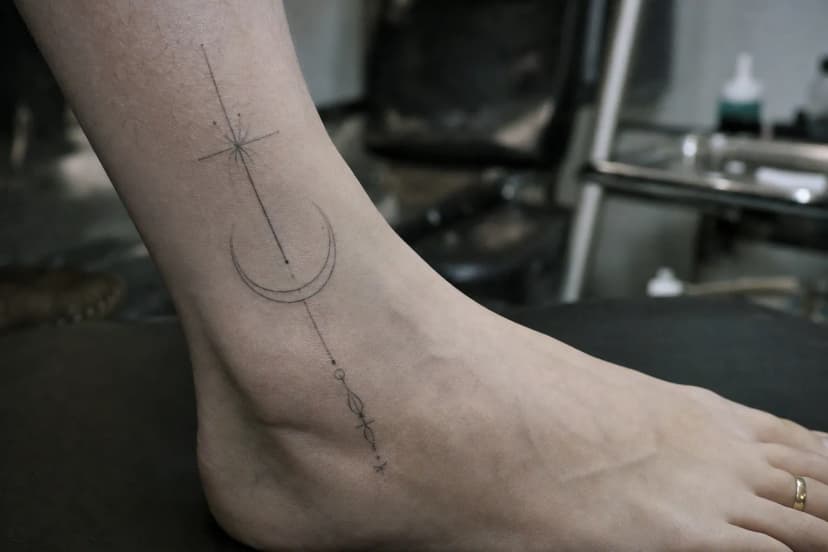
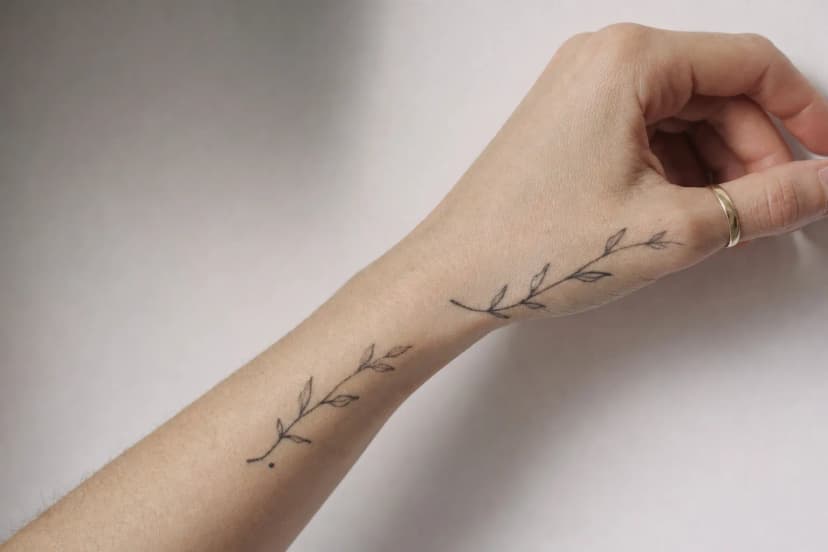
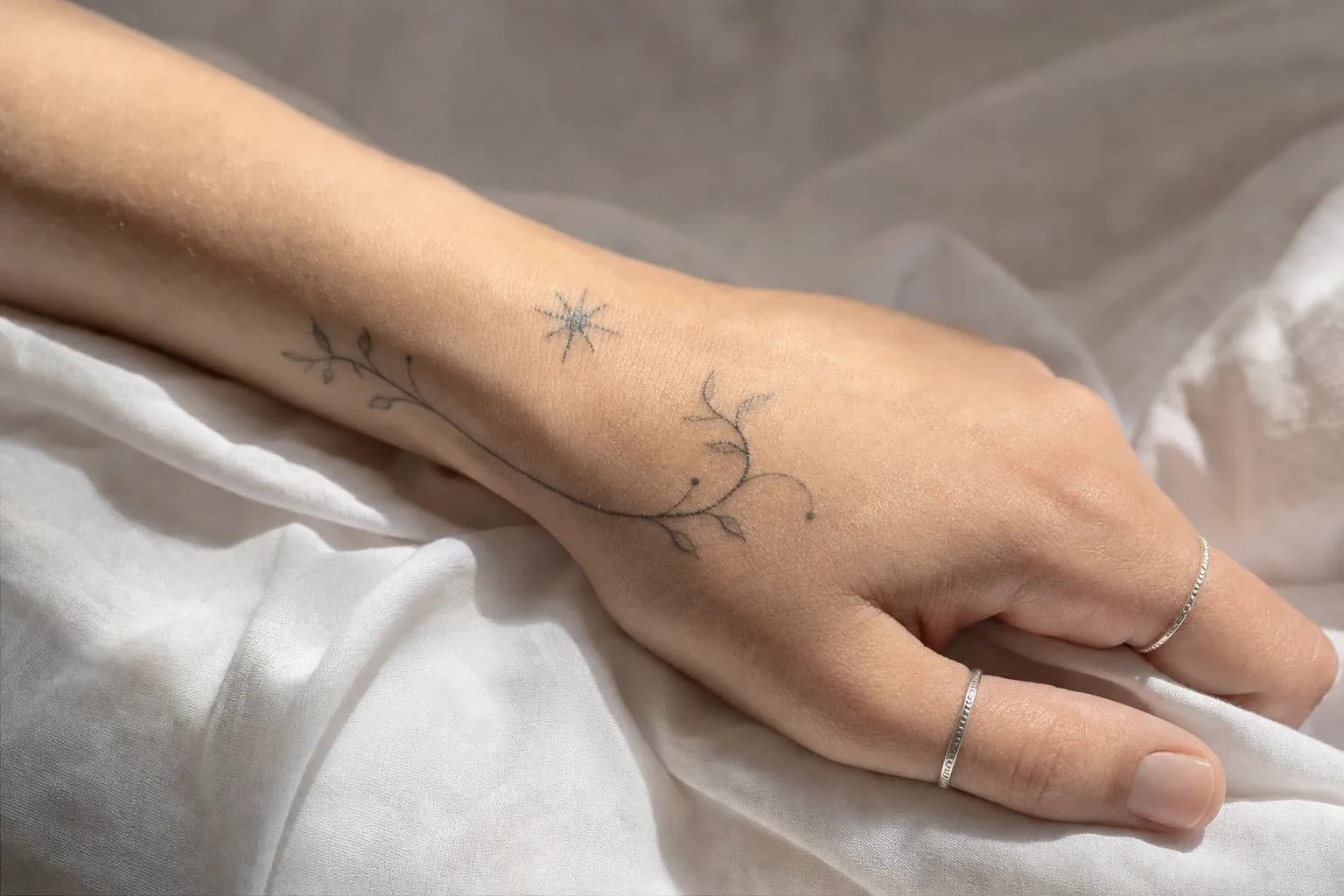
Fineline tattoo work uses a single needle (or a tight grouping of very fine needles) to draw lines so narrow they can resemble a pencil sketch on skin. The result is delicate, precise, and elegant in a way that bolder styles simply cannot replicate. Minimalism takes that restraint further, stripping a design to its simplest readable form: one continuous line, a tiny symbol, three words in a considered script.
Both styles have found a natural home among Lisbon clients who want something that reads as personal rather than decorative. They suit wrists, collarbones, inner arms, and the back of the neck particularly well.
Realism and Micro Realism
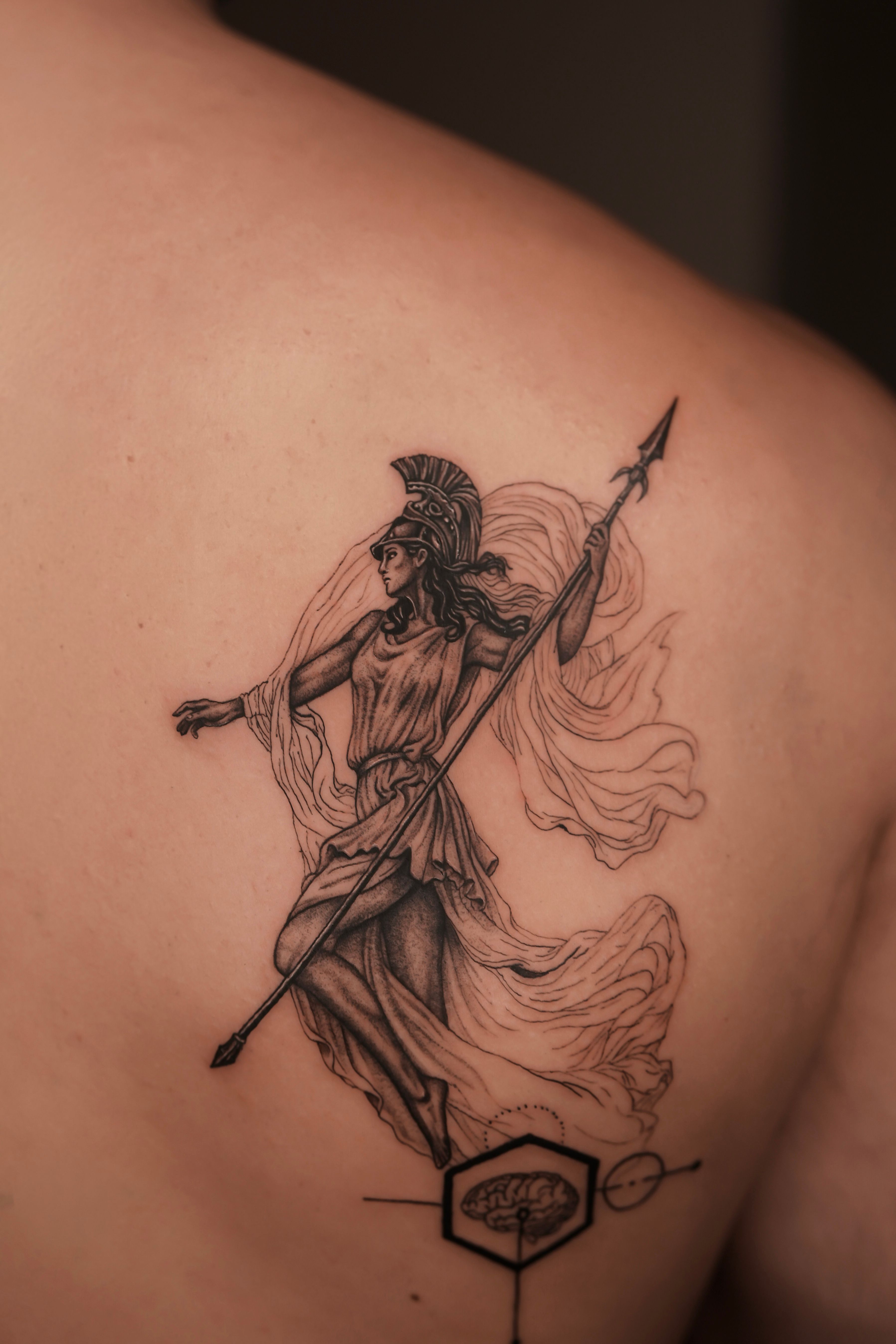
Realism aims to make a tattoo look like a photograph on skin. Portrait work, wildlife, architectural details. The technique demands precise shading in graduated grey tones (or full colour), and the margin for error is almost zero. Micro realism does the same thing at a fraction of the scale, packing photographic detail into a piece that might fit inside a 5cm circle.
Both styles require an artist with strong drawing fundamentals and genuine experience in the style. A portfolio with one or two strong realism pieces surrounded by other styles is a warning sign. Depth matters more than breadth.
Geometric and Floral
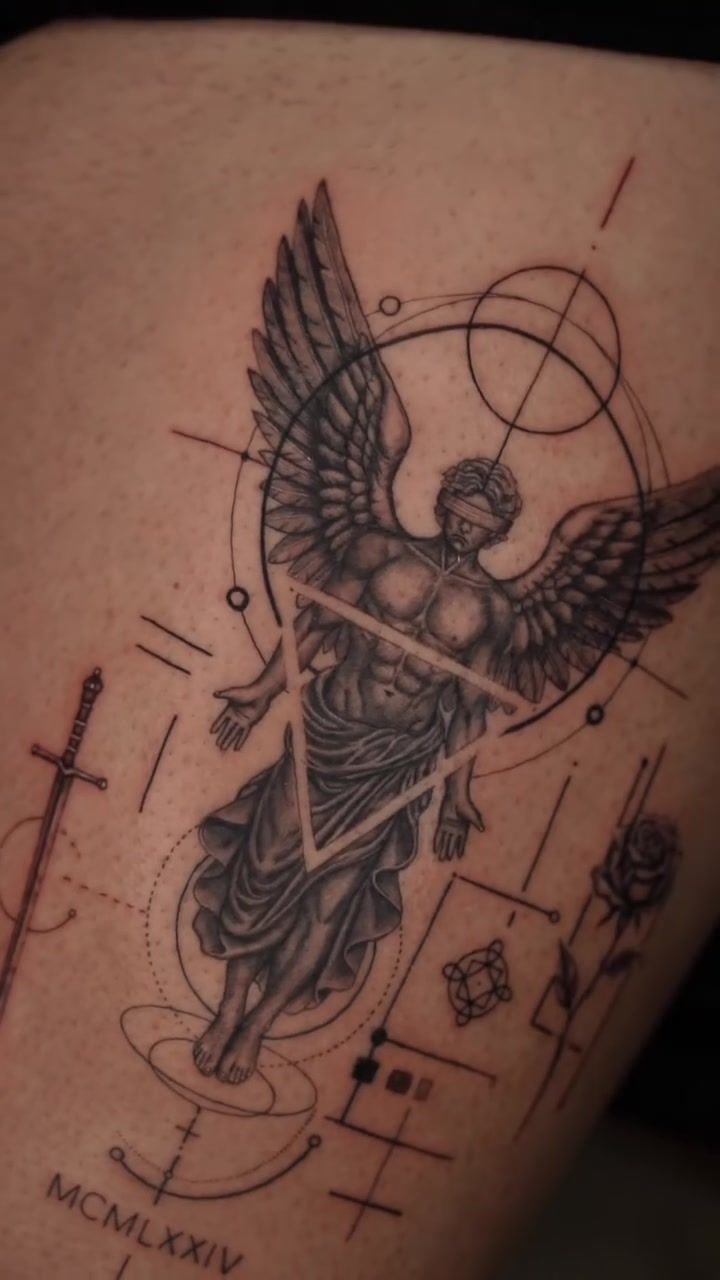
Geometric tattoos build compositions from mathematical shapes: mandalas, sacred geometry patterns, straight-line frameworks that fit the body's natural contours. Precision is non-negotiable. If the stencil sits 2mm off-centre on a mandala, you'll see it every time you look at the piece. Floral work sits at the other end of that spectrum, organic and flowing, using botanical forms to create movement and softness.
The two styles combine well, and Lisbon artists working in both often reference the city's azulejo tile geometry as a starting point for pattern-building.
Lettering
A well-executed lettering tattoo is harder to produce than it looks. Spacing, stroke weight, baseline consistency. Any of these off by a fraction and the text reads as amateurish rather than intentional. The studio offers custom typography and hand-lettered scripts, designed from scratch rather than dropped in from a font library.
How to Read Portfolio Quality Before You Commit
Fresh tattoo photos always look their best. The skin is slightly inflamed, the ink sits high, and the contrast pops. That same piece after full healing, somewhere between six and ten weeks later, tells you far more. Ask any studio you're considering for healed photos. If they don't have them, that tells you something.
Line consistency is the next thing to check. At normal viewing distance, a fineline piece should read clean. Wobble that's only visible under a macro lens is acceptable; wobble you can see from a metre away is not. For realism, look at the transitions between light and shadow. Harsh banding where the tones should blend smoothly is a technical weakness that no amount of post-session photography can disguise.
Style depth versus breadth is a genuine consideration. A tattoo artist in Lisbon who claims equal mastery of Japanese irezumi, watercolour, tribal, realism and fineline has spread too thin. The studios producing exceptional work in this city tend to focus on three or four complementary styles and refuse the rest. That refusal is a quality signal, not a limitation. You can read more about how to evaluate this in our guide to what to look for when choosing a studio in Lisbon.
| Style | What to look for in a portfolio | Red flags |
|---|---|---|
| Fineline | Consistent line weight, clean curves, healed photos showing minimal fallout | Blown-out lines, ink spreading into surrounding skin |
| Minimalism | Confident single strokes, intentional negative space, no unnecessary fill | Designs that look unfinished rather than intentionally spare |
| Realism | Smooth tonal gradients, accurate proportion, healed work that still reads photographically | Patchy shading, muddy midtones, no healed examples |
| Micro Realism | Detail preserved at small scale, clean edges, no blur from overworked skin | Crowded detail that merges after healing |
| Geometric | Perfectly straight lines, symmetrical forms, centred placement on body | Misaligned intersections, uneven spacing |
| Floral | Naturalistic petal forms, clear depth between foreground and background elements | Flat, indistinct shapes with no sense of layering |
| Lettering | Consistent baseline, even letter spacing, preserved stroke contrast | Cramped characters, uneven cap height, blown serifs |
Lisbon's Climate and What It Means for Your Healing
Lisbon sits on the Atlantic coast, and the climate shapes your healing calendar more than most clients expect. June through September brings humid heat, and that combination is genuinely problematic for fresh tattoos. Excess moisture around a healing tattoo softens the scab layer prematurely, raises the risk of irritation, and makes it harder to keep the area clean and dry between washes.
The mild October-to-March window is the most forgiving time to heal. Skin isn't fighting humidity, you're not sweating through a bandage on the metro, and you're naturally covering the area rather than exposing it. If you're planning something large or detailed, the cooler months give you the best conditions for a clean result.
Sun exposure is a year-round concern in Lisbon, even after healing. UV radiation breaks down pigment in the dermis (the deeper skin layer where tattoo ink lives), fading blacks and causing colour to shift. SPF 50 on healed ink is non-negotiable if you're spending time outside. Our article on what the sun actually does to healed ink covers the mechanism in detail, including how different pigments degrade at different rates.
"Book your session for autumn or winter if you can. You'll spend the humid summer months fully healed rather than managing a fresh piece in the heat."
How the Studio Works: Consultation to Healed Skin
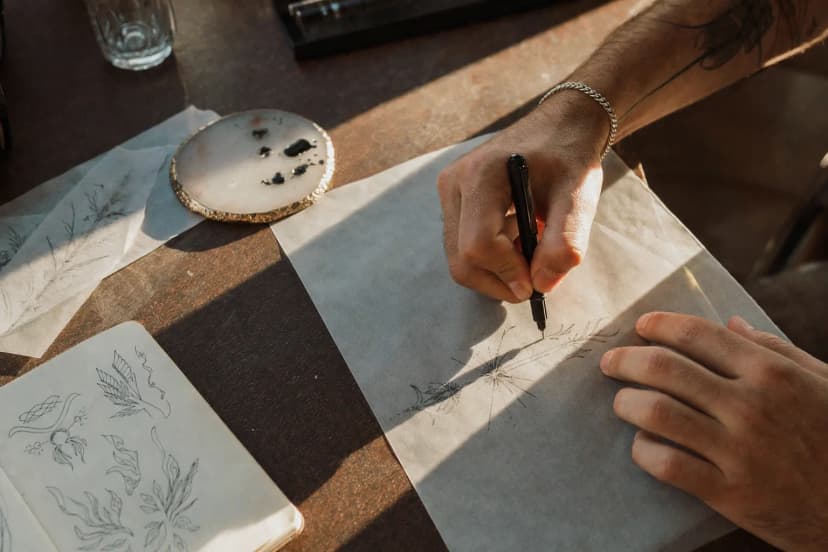
The studio doesn't take walk-ins for bespoke work. That's a deliberate policy. A custom design requires a conversation about placement, size, reference imagery, and what the piece needs to do on that specific part of your body. Rushing that into a ten-minute counter exchange produces worse outcomes for everyone.
The consultation covers your reference images, a discussion of what elements to keep or discard, and a placement decision made with the actual body part in front of the artist. The stencil, a temporary transfer of the design placed on skin before any needle touches you, gets checked from multiple angles before the session begins. You have every right to ask for adjustments at this point. Most clients do.
The session itself follows a logical order: stencil application, a brief settling period to confirm the placement looks right, then the work itself. Longer pieces include breaks. After wrapping, the studio provides clear aftercare instructions specific to the style and placement. The healing reality is this: you'll need to keep the piece clean, moisturised with an appropriate cream, and out of direct sun for the full initial healing period. That's roughly ten to fourteen days of attentive care before the surface settles, and another four to six weeks before the deeper layers fully stabilise.
- Wash gently with unscented soap twice daily during the surface healing phase
- Apply a thin layer of fragrance-free healing balm or tattoo aftercare cream after each wash
- Avoid submersion (swimming pools, the ocean, long baths) until the surface is fully closed
- Keep the piece out of direct sunlight; if it's unavoidably exposed, SPF 50 on healed skin
- Don't pick at peeling skin. Let it fall away naturally
Practical Guide: What to Bring, Where to Go, What to Expect
The studio operates in Lisbon and is accessible by metro. If you're coming from the Alfama side or travelling in from the airport, the green and yellow lines connect most of the city's central neighbourhoods efficiently. Check the studio's booking confirmation for the exact address and nearest stop.
What you wear to your appointment matters. For arm work, a loose short-sleeved or sleeveless top is ideal. Ribs or torso pieces require something you can comfortably roll up or remove temporarily. Back pieces need a top you don't mind adjusting. Avoid tight waistbands near lower-back placements, and anything with straps that sit directly on a planned shoulder piece.
- Eat a full meal two to three hours before your session. Blood sugar drops during longer work and it affects how you feel in the chair.
- Hydrate well the day before and morning of. Well-hydrated skin takes ink more evenly.
- Avoid alcohol for at least 24 hours before your appointment. Alcohol thins the blood and makes skin more prone to bleeding, which disrupts the ink deposit.
- Arrive at least ten minutes early. You'll fill in a consent form and have time to settle before the stencil goes on.
- Bring a snack for longer sessions. Anything over ninety minutes and you'll be glad to have it.
Booking lead times are worth factoring in early. A reputable tattoo artist in Lisbon working in detailed styles typically has a four to eight week wait for custom pieces, sometimes longer for large or complex work. If you're visiting as a tourist and want something considered rather than rushed, build the booking into your trip planning rather than leaving it to the week you arrive. Fineline tattoo Lisbon slots in particular fill quickly, given the demand for the style relative to the number of artists doing it well.
If you're still working out which style suits you, the studio's guide to small and tiny tattoos in Lisbon covers placement and style options in practical detail. And if you're weighing up what different styles actually cost before you enquire, the overview of tattoo pricing in Portugal is a useful honest reference point.
Frequently Asked Questions
Is Lisbon a good city to get a tattoo?
Lisbon has developed a strong independent tattoo scene, particularly in neighbourhoods like Príncipe Real and Lapa. Alongside tourist-oriented studios in Baixa, you'll find serious artists specialising in fineline, realism, geometric and floral work. Research portfolios carefully and book a consultation rather than walking in off the street.
What tattoo styles are most popular in Lisbon?
Fineline and minimalism are particularly popular at Lisbon's independent studios, followed by geometric work that resonates with the city's azulejo tile heritage, micro realism and floral designs. Realism portraits are also well represented. Style availability varies by studio, so check portfolios before choosing where to book.
How far in advance should I book a tattoo studio in Lisbon?
For custom bespoke work at a reputable Lisbon tattoo studio, expect a four to eight week wait, sometimes longer for complex pieces. Walk-in availability exists at larger commercial studios, but independent artists working in detailed styles book up quickly. Planning ahead gives you access to the best work the city offers.
Does Lisbon's summer heat affect tattoo healing?
It can. Lisbon's humid summers raise the risk of excess moisture around a fresh tattoo, which can slow surface healing and increase irritation. Avoiding direct sun, saltwater and prolonged heat during the initial healing window is especially important between June and September. The cooler months are a noticeably more forgiving time to heal.
Can I get a tattoo as a tourist visiting Lisbon?
Yes, many tourists get tattooed in Lisbon every year. The key is booking ahead rather than walking into the nearest studio. Choose based on portfolio quality, confirm they offer proper aftercare guidance, and remember that the early weeks of healing will follow you home regardless of where you're flying to.
What should I look for in a Lisbon tattoo artist's portfolio?
Prioritise healed photos over fresh ones. A tattoo looks its best immediately after the session, so healed work reveals true longevity and ink retention. Check line consistency, clean edges and whether the artist has genuine depth in one or two styles rather than surface-level competency spread thinly across many.