The Search Usually Starts With a Map, But It Shouldn't End There
Type "tattoo near me" into your phone and you'll get a list sorted by distance. That's a reasonable way to start. It's a poor way to finish. The studio three minutes from your Airbnb in Cais do Sodré may specialise in bold traditional flash; the one across the river in Almada may do nothing but geometric sacred geometry. Neither is wrong. But one of them is right for your idea, and that's the only question worth asking.
Lisbon's tattoo scene has grown fast over the last decade. The city draws visiting clients from across Europe, which has pushed local studios to sharpen their specialisations. The result is genuine variety. Knowing what you're looking for before you reach out will save you time and get you a much better piece.
What the Studio Actually Specialises In
Styles the studio works in
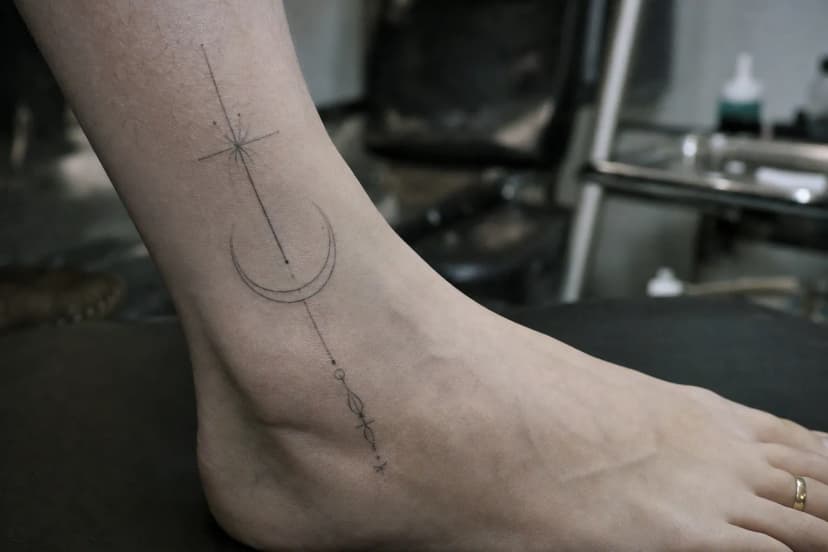
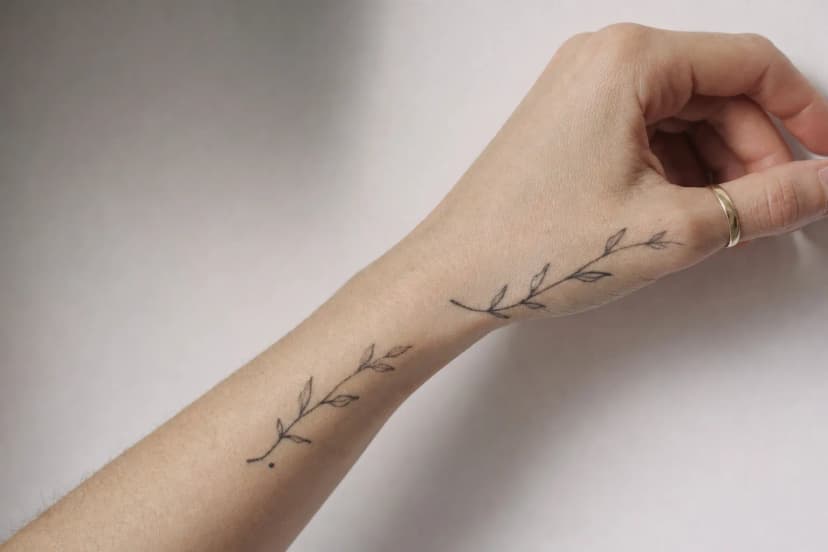
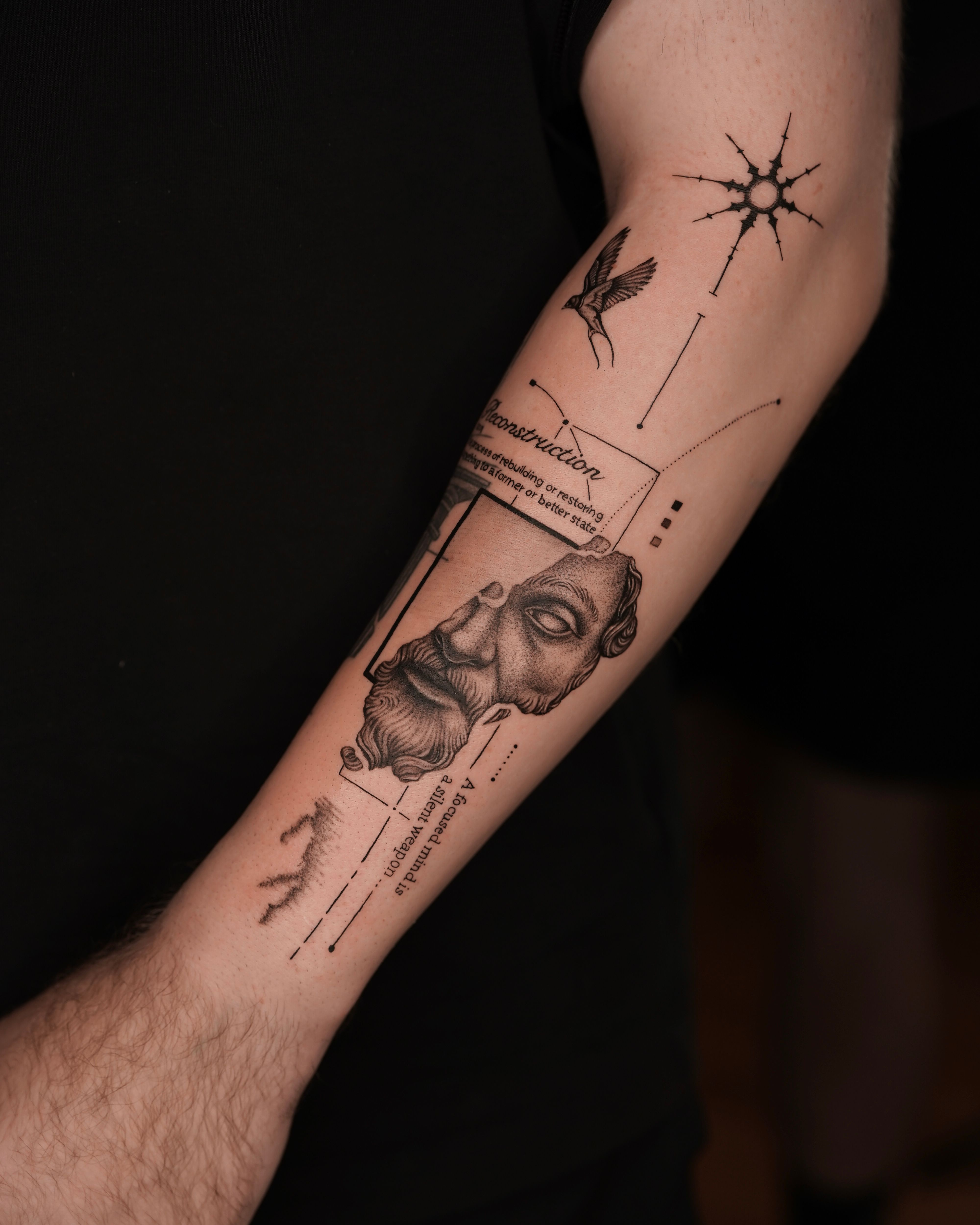
This studio's work sits within a specific cluster of styles: fineline tattooing, minimalism, micro realism, realism, geometric, lettering, and floral. Each of those demands different needles, different pacing, and a different understanding of how ink behaves in skin over time. Fineline uses a single needle to draw hair-thin lines with precision that a standard round shader simply can't replicate. Micro realism builds tonal depth into a composition sometimes no larger than a postage stamp. These are not interchangeable skills.
The Lisbon tattoo styles available here skew toward the refined and the considered. Clean lines. Controlled shading. Designs that reward close inspection but read clearly from a metre away.
Styles the studio declines
The studio doesn't take work in tribal, old-school American traditional, Japanese irezumi, biomechanical, watercolour, trash polka, neo-traditional, henna, or removal. This isn't reluctance. It's focus. A tattooist who tries to do everything rarely does any one thing exceptionally well. If your idea sits in one of those categories, the honest answer is to find a studio that lives there daily.
"The work you see in the portfolio is the work the studio genuinely loves making. If your idea fits inside that range, the result will be better for it."
How to Read a Portfolio Before You Book
Healed work vs fresh work
A fresh tattoo always looks impressive. The skin is slightly raised, the ink is sitting at its most saturated, and the studio lighting is doing its best work. Healed work tells you something different. Lines that looked crisp on day one sometimes blur. Shading that seemed smooth can mottle. When a portfolio shows healed pieces consistently holding their detail, that's meaningful.
When you're browsing any tattoo artist Lisbon portfolio, look for healed photographs specifically. They're less flattering and more honest. Studios confident in their longevity will show them.
Consistency across different subjects
One exceptional piece proves a good day. A consistent body of work proves genuine skill. Look at five or six pieces in the style you want. Do the line weights stay controlled across different subjects? Does the negative space (the untattooed skin that shapes the composition) stay clean and intentional? Does fine detail hold at scale?
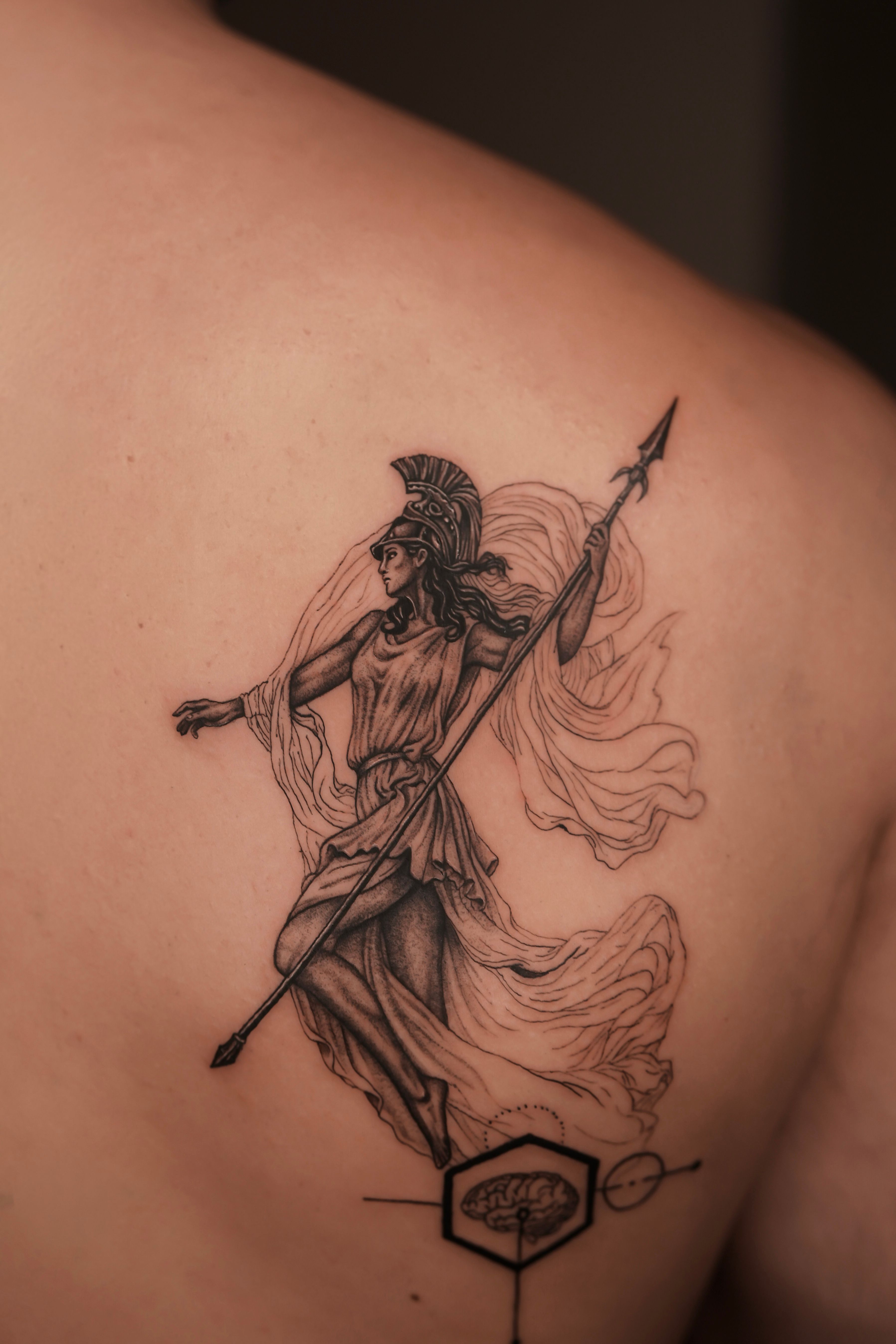
A large-scale back piece and a small forearm tattoo in the same style should feel like they came from the same hand. If they don't, consistency is missing.
The Styles Side by Side: Which One Fits Your Idea
Different styles suit different placements, different skin types, and different tolerance for healing complexity. The table below gives a working overview. Use it as a starting point, not a guarantee; every design is different, and the consultation is where precise planning happens.
| Style | Typical session length | Ideal placements | Healing complexity | Longevity notes |
|---|---|---|---|---|
| Fineline | 1-3 hours | Forearm, ribcage, behind ear | Low to moderate | Lines may soften slightly over years; size and placement matter most |
| Minimalism | 30 min-1.5 hours | Wrist, ankle, collarbone | Low | Simple shapes hold well; avoid high-friction areas |
| Micro realism | 2-4 hours | Upper arm, thigh, forearm | Moderate to high | Detail-dense work needs sun protection and careful aftercare |
| Realism | 3-6 hours (often split sessions) | Upper arm, back, thigh | Moderate to high | Shading can shift; top-up sessions possible after full healing |
| Geometric | 2-5 hours | Sternum, forearm, calf | Moderate | Precision lines show placement errors clearly; stencil accuracy is critical |
| Lettering | 1-3 hours | Forearm, ribcage, collarbone | Low to moderate | Script can spread over time; letter spacing needs upfront planning |
| Floral | 2-4 hours | Shoulder, thigh, back | Moderate | Petal detail holds well in low-friction zones; fades faster on hands |
If you're considering the geometric tattoo service, note the stencil point in the table. If the stencil sits 2mm off-centre on a mandala, you'll see it every time you look at the piece. Geometric work demands more pre-session setup time than people expect.
What Happens at a Consultation in Lisbon
A consultation at this tattoo studio Lisbon gives the artist a chance to see your idea in context. Not just the reference images, but the actual placement on your body, your skin tone, how the area moves, and how large the design can realistically sit without losing detail. You can't make those calls from a photo.
Bring three to five reference images. They don't all need to be tattoos. A sculpture, a botanical illustration, a photograph from a museum in Alfama. Any clear visual that communicates mood, line weight, and level of detail is useful. A rough idea of size helps too. "About the size of my palm" is a workable starting point.
- Bring visual references, not just verbal descriptions
- Know roughly where on your body you want the piece
- Have a size in mind, even if it's approximate
- Be open to placement feedback. The artist may suggest a slightly different position for better long-term results
- Don't expect a price at the end of a message inquiry; that conversation happens at the consultation
Lisbon's humid summers are worth flagging here. Between June and September, healing skin sweats more, clothing sticks, and salt from sun exposure can irritate fresh work. The artist will factor seasonal timing into the aftercare conversation. If you're visiting for a week in August and want a detailed micro realism piece, that conversation matters before you book, not after.
Practical Notes Before You Sit Down
Preparation makes the session go smoother and the healing go cleaner. Here's what to have sorted before your appointment.
- Eat a proper meal two hours before. Blood sugar drops during longer sessions and makes everything harder.
- Stay hydrated the day before and the morning of. Well-hydrated skin takes ink more evenly.
- Wear or bring clothing that gives easy access to the placement area. A sleeve tattoo is harder to work around than a vest top.
- Avoid alcohol for 24 hours beforehand. It thins the blood and affects how cleanly the skin accepts ink.
- Don't apply moisturiser or sunscreen to the area on the day. The skin needs to be clean for the stencil to sit correctly.
- If you're coming by metro, the studio is accessible from central Lisbon. Check in advance and give yourself a buffer. Arriving flustered before a session isn't ideal.
Placement decisions are worth thinking about before you arrive. Our placement guide for smaller tattoos walks through which spots hold detail well and which create long-term problems. Some areas age significantly better than others, and fineline work in a high-friction zone will look different at five years than it does at five weeks.
Once you're done, the first days of healing are critical for how the finished piece looks. Read through the aftercare tips for your first days of healing before your session so you're not figuring it out the evening after. In Lisbon's warmer months, you'll want to keep the piece out of direct sun, avoid the beach, and resist the urge to pick at any peeling skin. That last point is harder than it sounds.
Fine line tattoo Lisbon clients often ask whether their intricate work will fade faster than bolder styles. The honest answer is that placement and aftercare matter more than style alone. A well-placed fineline piece on the upper arm, properly protected from UV, can hold its character for years. The same piece on the inside of a finger may need a touch-up within eighteen months.
If you want to book a tattoo Lisbon and aren't sure which style fits your idea, the consultation is exactly the right place to work that out. Bring the idea, not a finished plan. The artist can help map it to a style and a placement that will serve you well long-term.
Frequently Asked Questions
How do I know if a Lisbon tattoo studio is right for my style?
Check the portfolio first. A studio specialising in fineline or micro realism will show consistent, clean results across multiple healed pieces. If the published work doesn't already include something close to your idea, raise that before you book rather than discovering the mismatch on the day of your appointment.
Do I need to speak Portuguese to book a tattoo in Lisbon?
Not at this studio. Consultations run in English, and the design process is largely visual: reference images, sketches, and placement conversations that work across any language. Bring clear visual references and communication is straightforward, regardless of what language you speak day to day.
How far in advance should I book a tattoo appointment in Lisbon?
For custom work in fineline, realism, or geometric styles, two to four weeks ahead is a sensible minimum. Summer months bring more visitors to Lisbon, so the calendar fills faster between June and September. If you have a specific date in mind, reach out early to confirm availability.
What is the difference between fineline and micro realism?
Fineline uses very thin, precise lines to build elegant, often minimal compositions. Micro realism uses those same fine needles but adds tonal depth and layered shading to produce a tiny photorealistic image. Both require a specialist needle setup, but micro realism demands more layering and typically takes longer to complete at small scale.
Can I walk in, or do I need a consultation first?
For custom designs, which covers most of what the studio produces, a consultation comes before any session. This lets the artist assess placement, scale the design correctly, and prepare the stencil. Walk-ins are not the studio's model. The work is planned and considered, not improvised on the spot.