Why Realism Is One of the Most Demanding Tattoo Styles
With bold-line styles, a confident outline carries the piece. The eye follows the shape and fills in the gaps. Realism has no such safety net. Every millimetre of tone carries weight, and a 10% tonal error in a portrait's eyes can make the subject read as a completely different person.
What makes a realism tattoo "read" correctly is the tonal value range: the span from the deepest black to the palest near-skin highlight, and the smoothness of every step between them. Contrast anchors. The darkest darks placed strategically against the lightest lights. Are what give a piece its three-dimensional punch. Without those anchors, a portrait flattens into a grey smudge.
The studio works primarily in black and grey realism. Colour realism is a different beast; it introduces pigment mixing variables and fading at different rates across hues. Black and grey simplifies that equation without sacrificing depth. Done well, a black and grey realism tattoo in Lisbon's natural light. Bright, warm, rarely diffused. Looks almost photographic.
What Realism Tattoos Are Actually Made Of
Tonal Range and Needle Selection
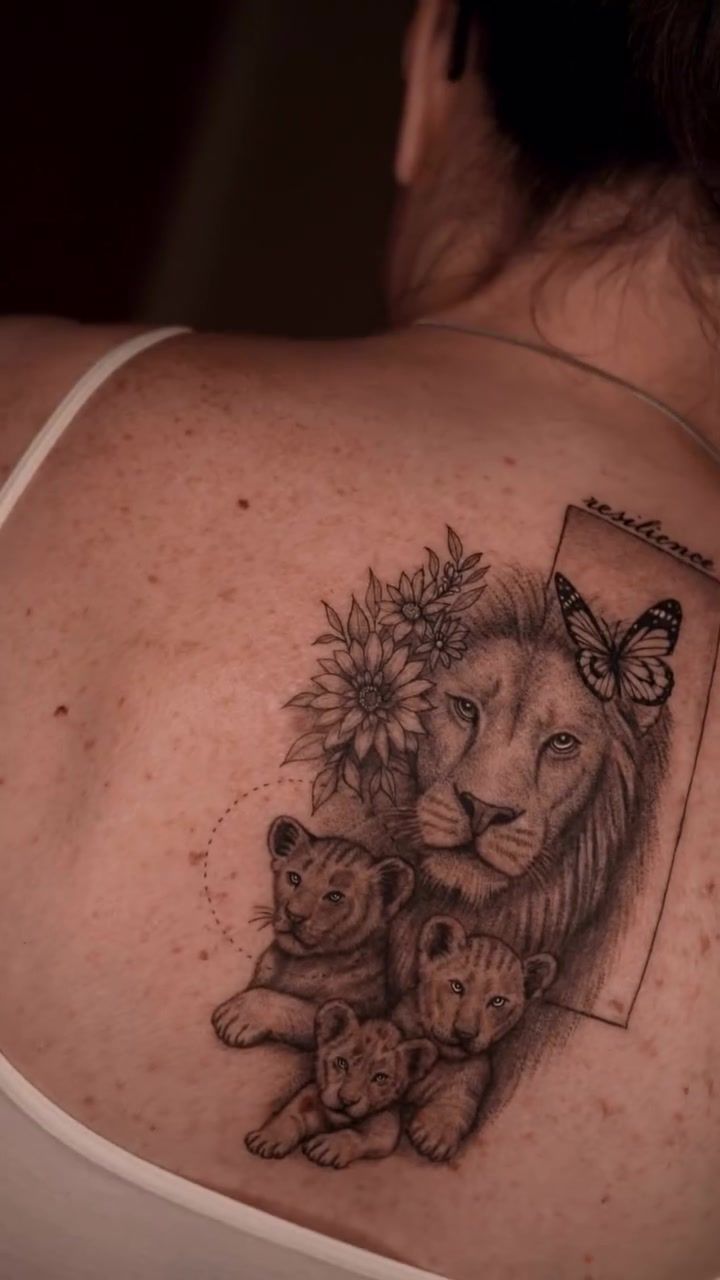
Three shading techniques build most realism work. Whip shading. A quick flicking motion away from the skin. Creates soft gradients and feathered edges. Packing pushes pigment densely into an area for solid darks. Stippling dots ink into the skin in fine clusters, building texture that reads as skin pores, fur, or fabric grain. Knowing when to switch between them mid-session is a skill that only comes from years on the machine.
Needle choice shifts with each task. A curved magnum (a fan-shaped cluster of needles) covers large tonal areas smoothly and is the workhorse of most shading passes. A round shader handles tighter gradient work. A single needle, or a tight 3-round liner, picks out the fine detail: individual hairs, feather barbs, the catch-light in an eye. Most realism pieces use all three configurations before they're finished.
Scale and Its Non-Negotiable Minimums
Scale is not a stylistic preference in realism. It's a technical constraint. A photorealistic face needs at least 8 to 10 centimetres of height to hold the detail that makes it read as a face rather than a vague oval. Compress a portrait below that threshold and the gradient transitions overlap, the features blur, and the likeness disappears within a few years of healing.
Lisbon's humid July and August climate adds another variable. Ink settles into the dermis over roughly 6 to 8 weeks after a session, and that process is affected by excess moisture and heat. If you're tattooed in summer, the aftercare window matters more, not less. The studio will always factor season into its advice for your specific placement.
How the Studio Builds a Realism Piece from the First Conversation
The Consultation
The consultation is where most of the real work happens. Before any design touches paper, the artist needs to understand the subject, the placement, the size, and the emotional weight behind the piece. A memorial portrait carries different requirements than a nature scene. The conversation goes into all of it.
What you bring to that conversation shapes the outcome more than people expect. A portrait tattoo built from a blurry, heavily filtered phone screenshot will always lag behind one built from a sharp, well-lit original photograph. The artist can only work with what exists in the reference. Low-resolution input means low-resolution output, regardless of skill level.
Reference Images and Design Preparation
After reference assessment, the artist maps the tonal structure before committing anything to a stencil. This tonal map identifies where the deepest blacks will anchor, where highlights will pop, and how the mid-tones will connect them. It's closer to a classical drawing study than a quick trace. Only once that structure is clear does the stencil get prepared.
"The reference image is the blueprint. If it's unclear, I'm guessing. And guessing in realism shows up immediately. Bring the clearest, most honest photograph you have of the subject. It's the single most useful thing a client can do before we even pick up a machine."
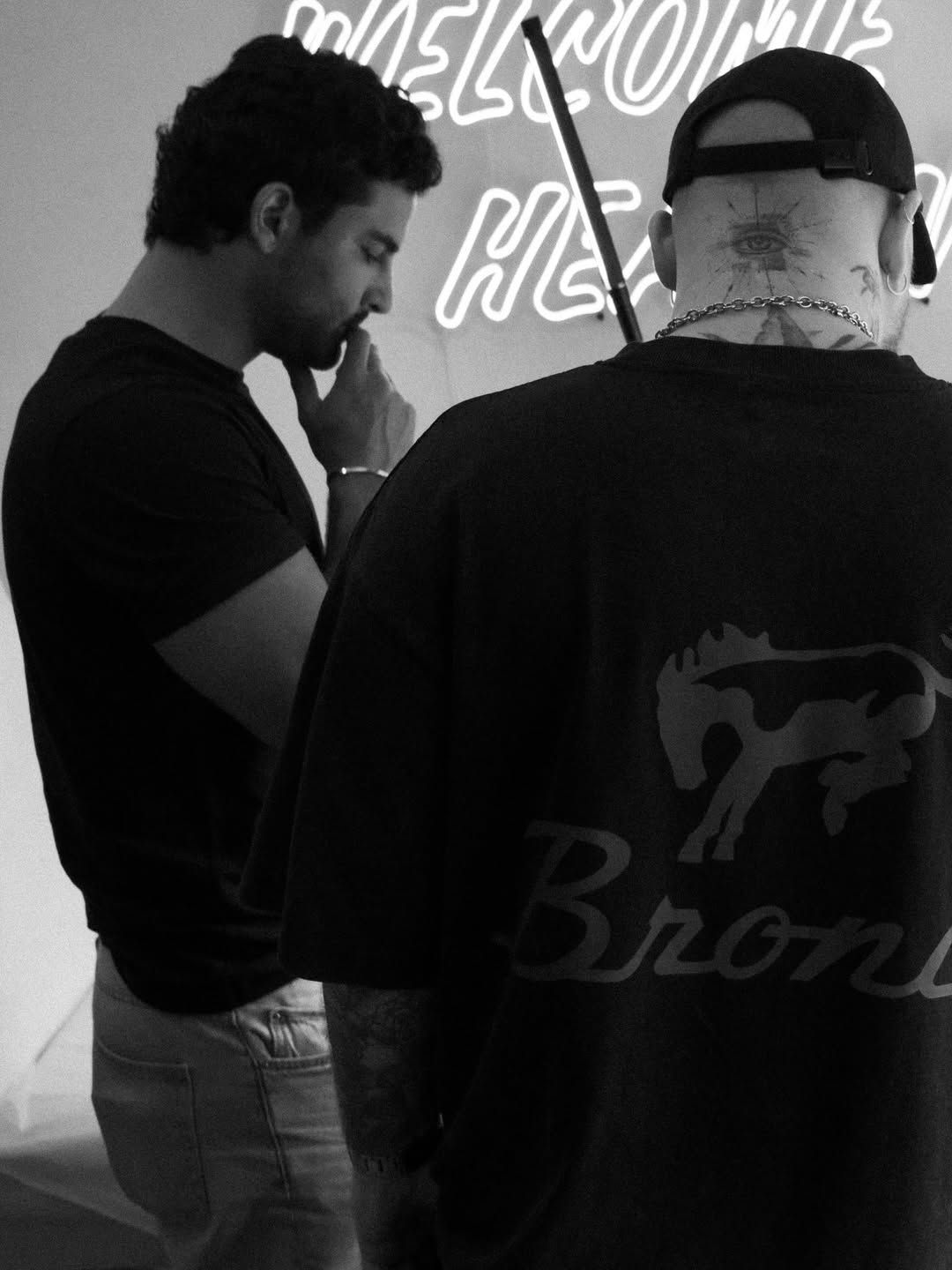
Stencil placement precision matters as much in realism as it does in geometric work. If a portrait's facial symmetry axis sits 2mm off-centre on the bicep, you'll notice it every time you look in the mirror. The studio takes its time here. You can see this process documented in the full back piece from concept to first lines. A real example of how tonal mapping and stencil work translate into the opening session of a large-scale piece.
Placement, Session Length, and What Your Skin Will Go Through
Flat, relatively stable skin surfaces hold realism gradients better than curved or high-movement zones. The thigh, upper back, upper arm, and forearm are the strongest candidates. These areas have consistent skin texture, don't distort the design significantly as you move, and tend to age with more grace than high-wear zones.
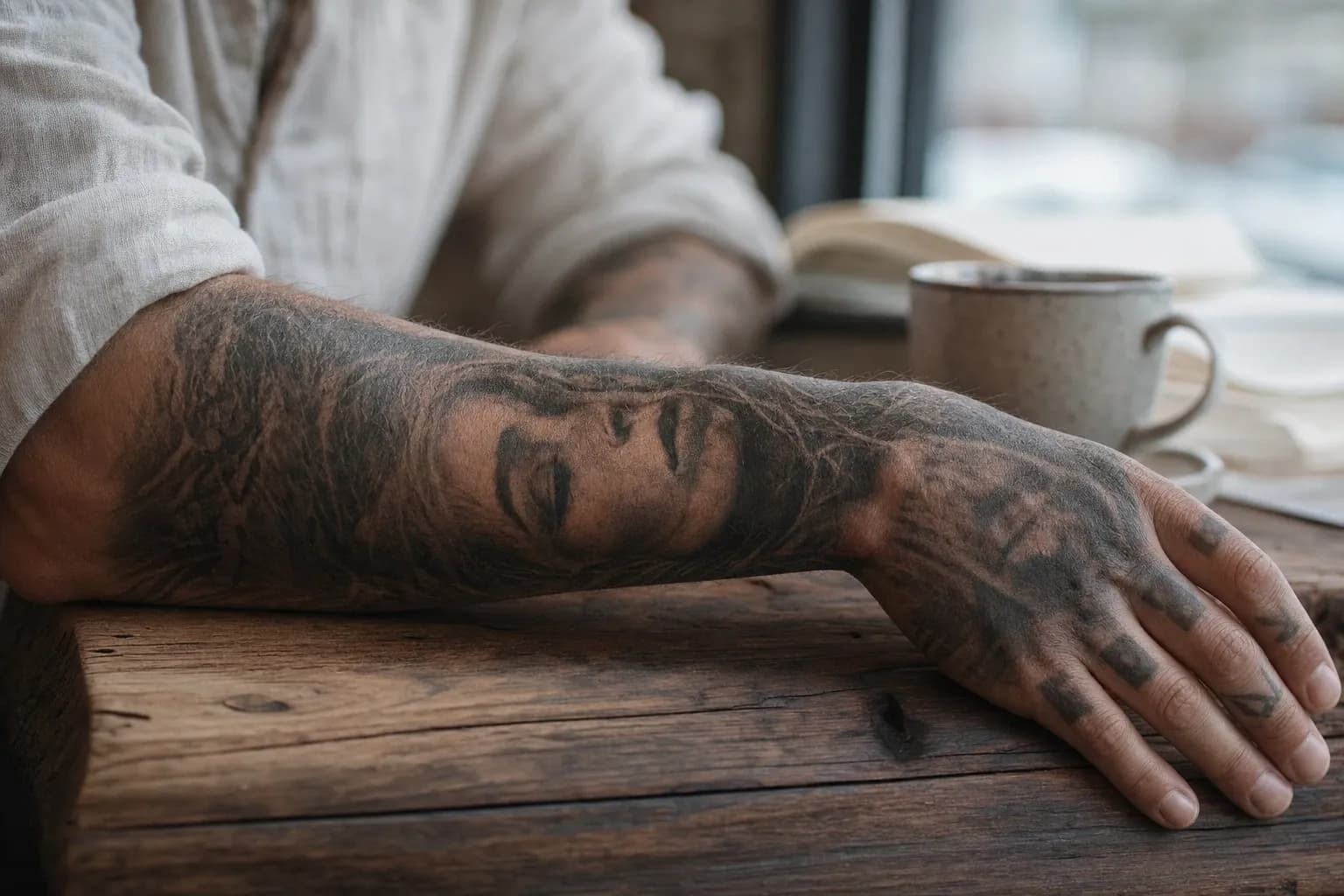
Hands are a different story. The black and grey Medusa hand piece in the portfolio is exceptional work, but it comes with an honest caveat: hands are among the highest-wear placements on the body. Constant washing, sun exposure, and the friction of daily life mean that hand tattoos fade faster and require touch-ups more often than pieces on the thigh or back. Go in with realistic expectations.
| Piece Size | Approximate Session Time | Healing Complexity |
|---|---|---|
| Small (under 10 cm) | 2 to 3 hours | Low to moderate. Single area to manage |
| Medium (10 to 20 cm) | 3 to 5 hours | Moderate. Larger surface, more aftercare attention |
| Large (back, sleeve) | Multiple sessions of 4 to 5 hours each | High. Sessions spaced 6 to 8 weeks apart; full commitment |
Healing in Lisbon's summer requires extra discipline. The steep cobblestone streets of Alfama are charming, but they'll have you sweating through a fresh piece in minutes on a July afternoon. Keep new work covered, breathable, and out of direct sun. The dermis needs that 6 to 8 week window undisturbed to lock the ink in cleanly.
The Difference Between Realism and Fine Line Realism
Full realism and fine line realism are related but distinct approaches. Full realism builds tonal depth with broader needle configurations across a larger canvas. Fine line realism compresses the same photorealistic logic into a smaller footprint, using finer needles to hold detail at a scale where magnums would over-saturate the skin. The result looks photographic but intimate. Like a small-format print rather than a gallery canvas.
Choosing between them comes down to placement size, subject matter, and your pain tolerance for longer sessions. A detailed forearm portrait can work beautifully as realism tattoo work at full scale. A meaningful image that needs to sit on the wrist or inner arm might suit a finer, more compact approach. And if your vision is genuinely tiny, under five centimetres, that's where micro realism work enters the picture. See the Creation of Adam micro realism arm tattoo for a sense of how much detail that approach can pack into a small space.
The studio also blends styles when a concept calls for it. A realism portrait framed by geometric structure is a natural combination here: the geometry provides compositional architecture, and the realism fills it with life. The angel and geometry memorial thigh piece in the portfolio shows exactly how that blend functions at scale.
Practical Checklist Before Your Realism Appointment
Preparation makes a measurable difference to how a session runs and how the healed piece looks. If you're coming from Príncipe Real or Cais do Sodré, the studio is easily reachable without long travel. Give yourself enough time that you arrive calm, not rushed.
If you're combining your realism piece with any script or text, read what great lettering actually takes before your consultation. The technical demands of lettering are different enough from realism that planning both together from the start saves significant time.
- Source high-resolution reference images. Printed at A4 size is ideal. Screenshots from social media are not sufficient for a portrait tattoo.
- Hydrate well for at least three days before the appointment. Well-hydrated skin takes ink more evenly and heals with less patchiness.
- Keep the placement area out of direct sun for two weeks before the session. Sunburned or peeling skin cannot be tattooed safely.
- Avoid alcohol for at least 24 hours before. Alcohol thins the blood and increases bleeding during the session, which muddies gradients.
- Eat a full meal two hours before. Long realism sessions burn energy. Arriving on an empty stomach increases the likelihood of light-headedness mid-session.
- Wear or bring clothing that allows easy access to the placement area without forcing uncomfortable positions for hours at a time.
A few things to expect on the day:
- The stencil placement check takes longer than most clients anticipate. This is time well spent.
- The artist may adjust the design during the session to work with your skin's natural contours.
- Aftercare instructions will be specific to the season and your placement. Follow them exactly.
Frequently Asked Questions
How long does a realism tattoo take to complete?
It depends on size and complexity. A smaller forearm portrait might finish in one session of two to three hours. A large back or sleeve piece is typically split across several sessions of four to five hours each, spaced six to eight weeks apart to let the skin recover fully between passes.
Does a realism tattoo cost more than other styles?
Realism is technically demanding and time-intensive, which is reflected in session length more than a flat rate difference. The studio quotes per consultation based on your specific design, size, and placement. There's no meaningful way to price realism work accurately without seeing the reference and understanding the scope.
Can realism tattoos be done in colour or only black and grey?
Both are possible, but the studio specialises in black and grey realism. Colour realism introduces additional variables: different pigments fade at different rates, and maintaining tonal balance across hues over time is harder to guarantee. Black and grey realism tends to age more predictably, which is part of why it remains the preferred approach here.
What is the difference between realism and micro realism?
Realism tattoos are typically larger, using broader needle configurations to build tonal depth across more skin. Micro realism compresses the same photorealistic approach into a much smaller footprint, often under five centimetres, using finer needles. Both require precision, but micro realism demands exceptional control at miniature scale.
How should I care for a realism tattoo in Lisbon's summer heat?
Keep the piece out of direct sun for at least four weeks. In Lisbon's humid July and August heat, sweating is unavoidable, so wear loose breathable cotton over the area, apply a thin layer of unscented aftercare balm twice daily, and avoid ocean or pool swimming until the skin is fully healed and no longer peeling.