Why Fine Line Pricing Is Hard to Google
Type "small tattoo cost Portugal" into a search engine and you'll get a spread wide enough to confuse anyone. Forty euros. Four hundred euros. Neither number is wrong in isolation. Both are useless without context.
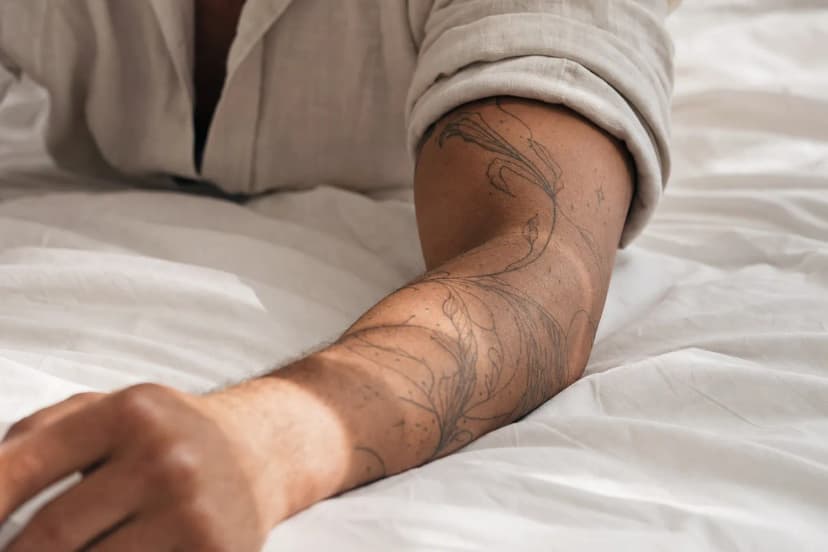
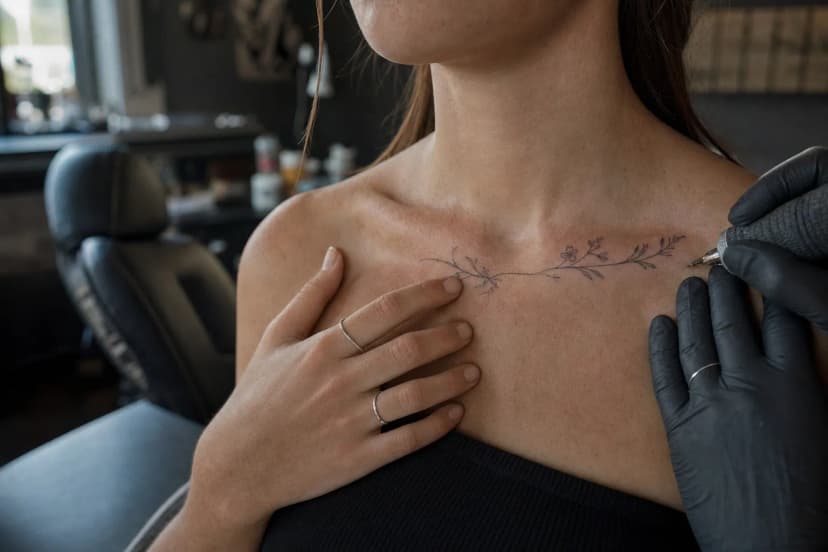
Fineline work. Tattooing done with a single needle or a tight grouping of needles to produce hair-thin lines. Is one of the most technically demanding styles in the industry. It's not a budget alternative to bolder styles. The margin for error is smaller, the required hand control is greater, and the design often contains more visual information packed into less space than it appears.
To understand what you'd actually pay for a small fineline piece in Lisbon, you need to understand the variables that set the price. That's what this guide covers.
The Factors That Actually Set the Price
Size and surface area
"Small" means different things to different people. In practical terms, size is measured in centimetres, and a 3cm piece and an 8cm piece are not in the same conversation, even if both count as small to the person requesting them. Surface area determines how long the artist works. More skin covered means more time under the needle.
Design complexity
A 4cm botanical with shading, texture and fine detail costs more than a 4cm single-line initial. Both fit in the palm of your hand. But one requires the artist to pack significantly more information into the same space, which takes longer and demands more precision per pass.
Placement on the body
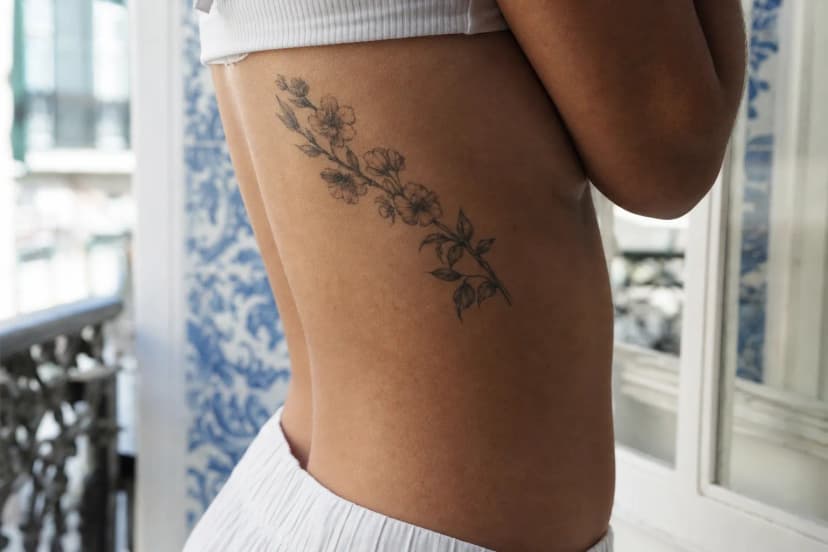
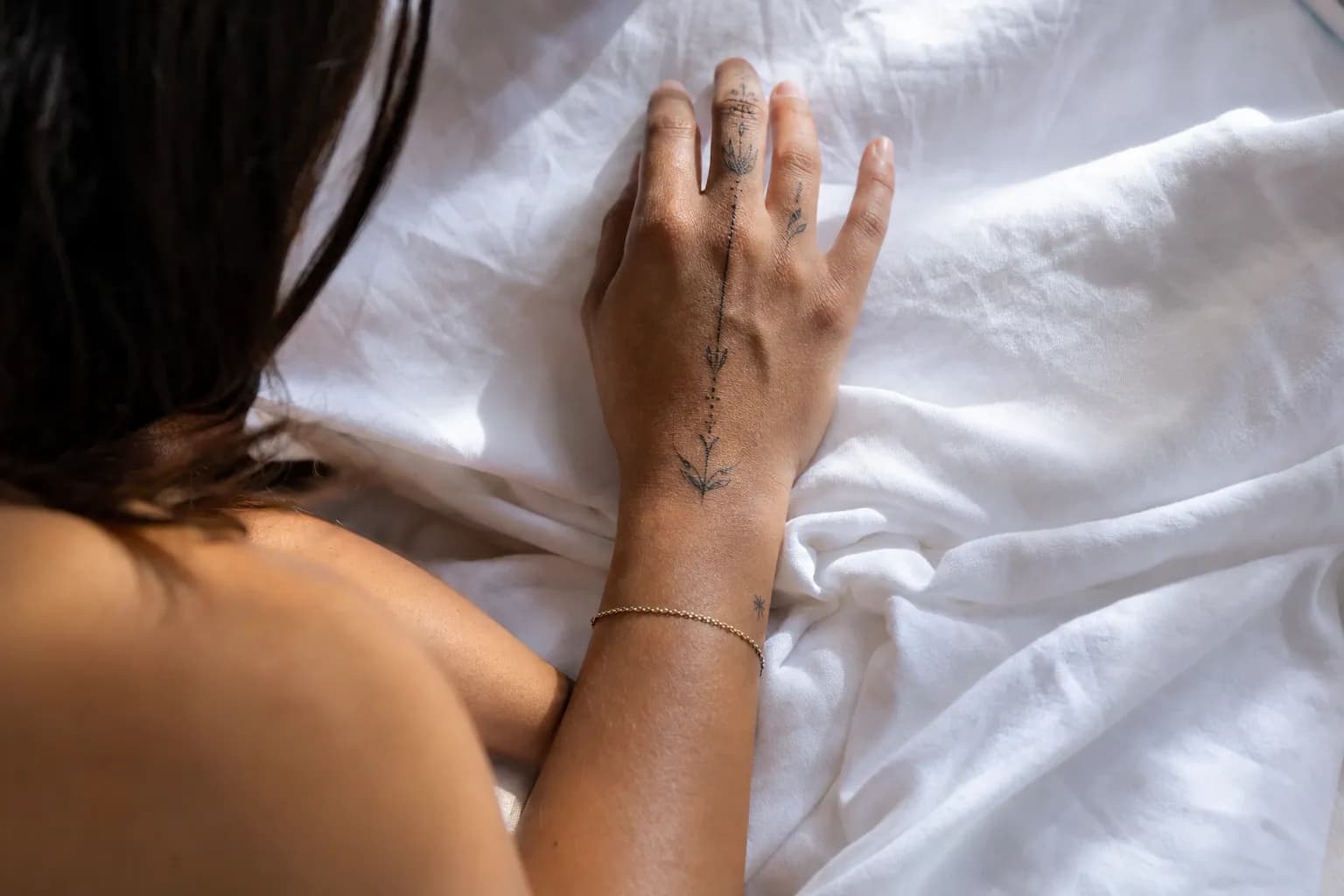
Ribs move with every breath. Fingers flex constantly. The inner wrist is thin-skinned and sensitive. These placements are harder to tattoo accurately, and they often require slower, more careful work. That adds time. Some high-movement areas also need a touch-up sooner after healing, which is worth factoring into your planning.
Session length
Most studios work with a minimum session fee that covers setup, sterilisation and the artist's time regardless of how fast the piece goes. Beyond that minimum, time is the primary pricing unit. A 30-minute flash piece (a pre-drawn design you choose from the artist's ready catalogue) and a 90-minute fully custom commission are priced differently, even if both end up the same physical size on your skin. Custom design time is real work, and it's built into what you pay.
What "Small" Really Means in Fineline Work
In fineline, "small" generally covers pieces between 2cm and 8cm in their longest dimension. A 2cm piece might be a single botanical element, a word in delicate script, or a simple geometric shape. At 6-8cm, you're into territory where shading, layering and background detail become realistic options.
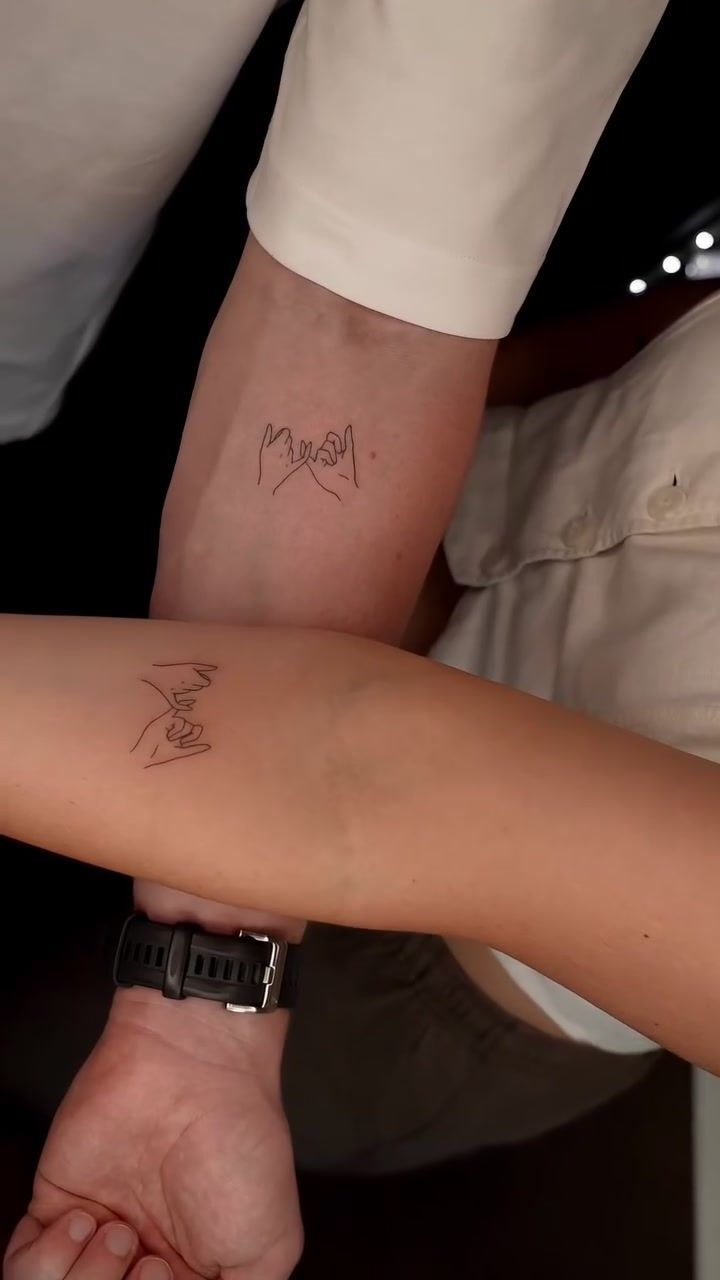
Here's the part that surprises most people: tiny fineline work often takes longer per square centimetre than larger bold pieces. A 3cm micro-realism portrait requires the artist to render light, shadow and texture at a scale where a single needle pass 0.5mm off will read as a mistake. That's done under magnification, with constant adjustment of pressure and angle. The skill involved commands a premium regardless of how quickly the session ends.
Single-needle technique specifically, where one needle produces a line finer than a strand of hair, demands exceptional hand control that takes years to develop. You're not paying for time at that point. You're paying for the ability to hold that line.
A Comparison: Size, Complexity and Typical Session Length
Rather than quoting prices the studio doesn't publish without a consultation, the table below maps size and complexity to the session length you can realistically expect. Session length is the clearest proxy for cost.
| Size range | Complexity level | Design example | Typical session length |
|---|---|---|---|
| 2-3 cm | Minimal | Single initial, small symbol, one-line shape | 30-45 minutes (often flash) |
| 3-5 cm | Light detail | Small floral element, simple script word, geometric outline | 45-90 minutes |
| 5-8 cm | Moderate | Botanical with shading, small portrait, mandala fragment | 90-150 minutes |
| 5-8 cm | High (micro-realism) | Detailed face, animal portrait, architectural scene | 2-3 hours |
These windows reflect custom commissions. Flash pieces at the smaller end can move faster, since the design is already resolved. But placement, skin type and the body area can all shift these numbers in either direction.
How the Studio Approaches Fineline Pricing in Lisbon
The studio doesn't quote prices cold. Every piece goes through a consultation first, whether that's in person at the studio or via a detailed message exchange. The reason is simple: two designs that sound identical can differ by an hour of work once the full brief is on the table.
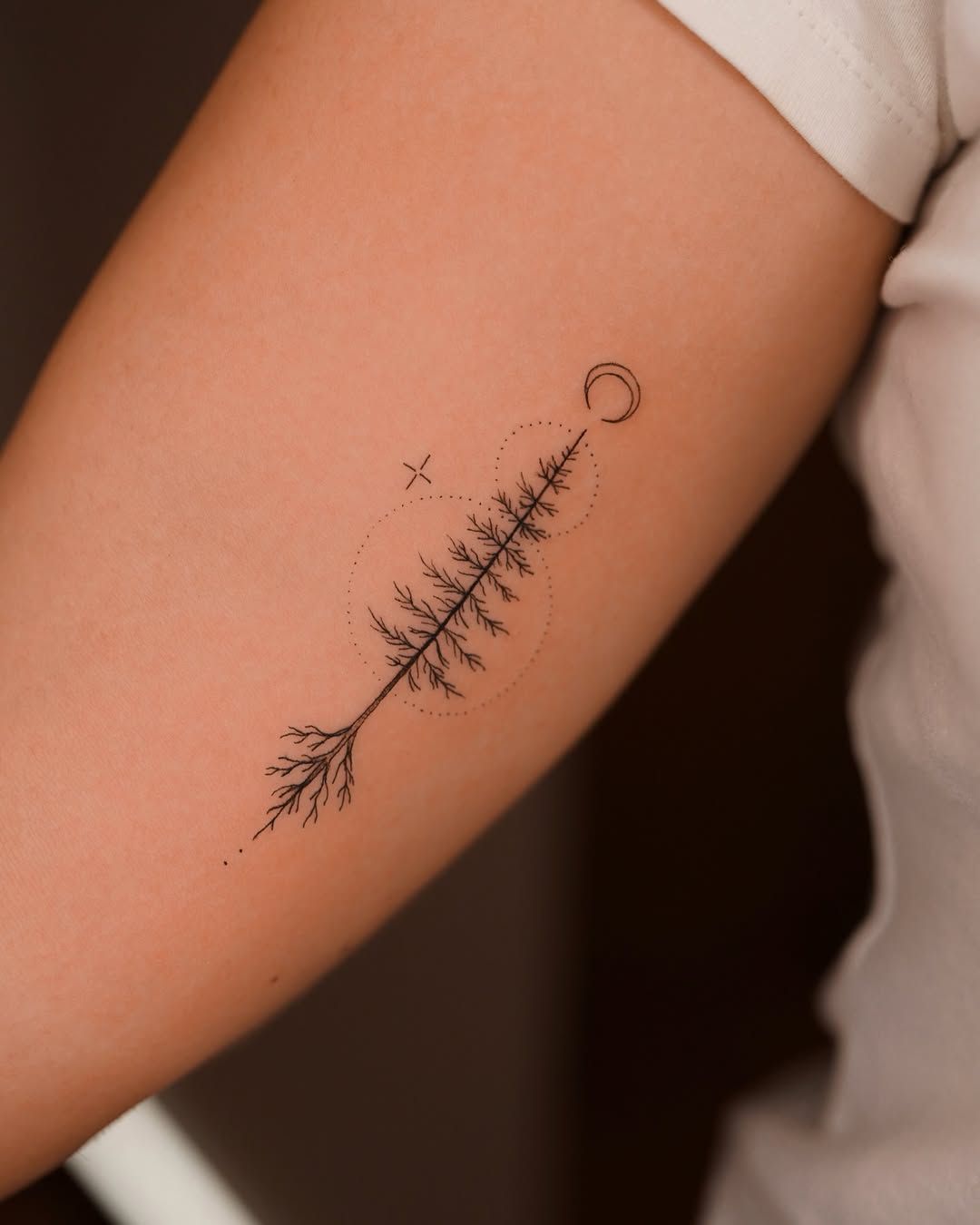
Custom design time is part of the investment, not an afterthought. When you book a custom commission, the artist sketches and refines your piece before you ever sit in the chair. That preparation is what makes the stencil land accurately on the day. If the stencil sits 2mm off-centre on a mandala, you'll see it every time you look at the finished piece.
Running a studio in Lisbon carries real overhead: quality single-use needles, professional pigments, proper sterilisation equipment and a workspace that meets Portuguese health authority hygiene standards. Fine line tattoo price in Lisbon reflects that operational reality, not just the time you spend in the chair. You can explore what the fine line tattoo service covers before you reach out.
Placement, Healing and the Hidden Costs of Getting It Wrong
Placement affects more than the session price. It affects how the tattoo holds up over time, and whether you'll need a touch-up sooner than expected.
Lisbon's summer humidity is a real factor here. Between June and September, the air in the city sits heavy, especially in low-lying neighbourhoods like Cais do Sodré and Alfama. Humid conditions slow the outer healing of fresh fineline work. Lines that are already fine can blur slightly if the skin doesn't dry-heal cleanly in the first week. Following a proper day-by-day aftercare guide makes a measurable difference to how a small fineline piece settles.
High-movement placements, such as fingers, inner elbows or feet, will often need a touch-up within the first year regardless of aftercare quality. That's not a failure of the work; it's skin biology. But it's a cost worth anticipating when you choose your spot. For a deeper look at how placement choices interact with choosing a fine line tattoo artist in Lisbon, that guide covers the trade-offs in detail.
Practical Tips Before You Book
"The clients who get the most out of the consultation are the ones who bring reference images that show the feeling they want, not just the object. A photo of a rose tells me the subject. A photo of how light falls through a window tells me how you see."
Good preparation shortens the consultation and often reduces the number of revision rounds on the design sketch. Here's what actually helps:
- Bring 3-5 reference images, mixing visual inspiration with specific design ideas.
- Print your design at actual size before the consultation so both you and the artist can assess whether the detail works at that scale.
- Know your placement, but stay open. The artist may suggest a nearby area that will hold the lines better.
- Be clear about whether you want a flash piece or a fully custom design. The pricing process differs between the two.
- Don't assume a smaller tattoo means a cheaper consultation. Minimums exist for a reason.
If your idea sits at the simpler end of the spectrum, it may overlap naturally with minimalist tattoo work. The studio approaches both styles with the same attention to line quality and proportion. Worth mentioning during the consultation if you're not set on which direction fits your idea better.
- Flash pieces are priced differently from custom commissions. Ask which category your idea falls into.
- A walk-in flash session can often be booked with shorter notice and tends to move more quickly through design approval.
- Custom commissions involve back-and-forth on the sketch, which takes more of the artist's time outside the session itself.
For clients who want several small pieces at once, the five-tattoo bundle session in the portfolio shows what a well-planned single-day arrangement can look like when the placements and designs are thought through in advance.
Frequently Asked Questions
Is there a minimum price for a small fine line tattoo?
Yes. Most studios set a minimum charge that covers setup, sterilisation and the artist's time regardless of how small the piece is. Even a 2cm single-line design carries that floor cost. In Lisbon, minimums vary by studio and artist level. The best way to find out is to request a consultation rather than assuming a number from a list online.
Why does a tiny tattoo sometimes cost as much as a larger one?
Fineline work at small scale demands more precision per centimetre, not less. Packing shading, texture or micro-realism detail into a 3cm space takes longer under the needle than a bolder 10cm piece. Studio minimums also apply. The session might be shorter, but the skill required per square centimetre is at its highest when the design is very small.
Does placement in Lisbon affect how much I pay?
Placement can affect price. Difficult body areas. Ribs, fingers, inner wrists, the sternum. Require the artist to work slower and reposition more carefully, adding time to the session. Some areas also need touch-up work after healing, which is worth factoring into your planning. Lisbon's summer humidity can also affect how fineline work settles, which is a practical local consideration.
How do I know if my design is too complex for a small size?
Print it at actual size. If you can't clearly read every element at that scale, it's too complex. Fine lines that are too close together will merge as the tattoo heals and settles into the dermis. The artist will flag this at consultation and usually propose a simplified version or a slightly larger size that lets the detail breathe properly.
Can I get multiple small fineline tattoos in one session to save money?
It depends on the total time involved. Booking several small pieces in one sitting can be efficient, and some studios offer bundle pricing for this reason. But skin has limits. Working the same area repeatedly in one session affects quality. The artist will advise what's realistic based on the designs and your chosen placements before you commit to a plan.