Why Geometric Tattoos Demand a Different Kind of Precision
The margin for error is zero
Organic styles like florals or portraiture can absorb a small wobble. A slightly imperfect petal still reads as a petal. Geometry doesn't work that way. Every line is either right or it isn't. There's no middle ground in a mandala, no happy accident in a Flower of Life.
If the stencil sits 2mm off-centre on a mandala, you'll see it every time you look at the piece. That's not an exaggeration. The human eye is remarkably good at detecting asymmetry, especially in repeating patterns. Getting a geometric tattoo from an artist who doesn't work to that standard is a costly mistake.
Why symmetry problems appear after healing, not before
Fresh tattoo photos are flattering. Ink sits crisp on the surface, edges look clean, and everything seems sharp. But skin moves. It stretches over curves, responds to sunlight, and the upper layers shed entirely during the first six weeks of healing.
Symmetry problems reveal themselves after healing. A line that looked consistent in the studio photo may show weight variation once the skin has settled. This is why healed work is the only honest test of a geometric tattoo artist's technical standard. Always ask to see it.
Body topography adds another layer of complexity. A forearm has a gentle curve that a flat stencil doesn't account for. The ribcage expands and contracts with every breath during the session. The thigh shifts when you stand versus when you sit in the chair. An experienced artist maps these variables before a single line is committed to skin.
What 'Geometric Style' Actually Covers
Sacred geometry and mandalas
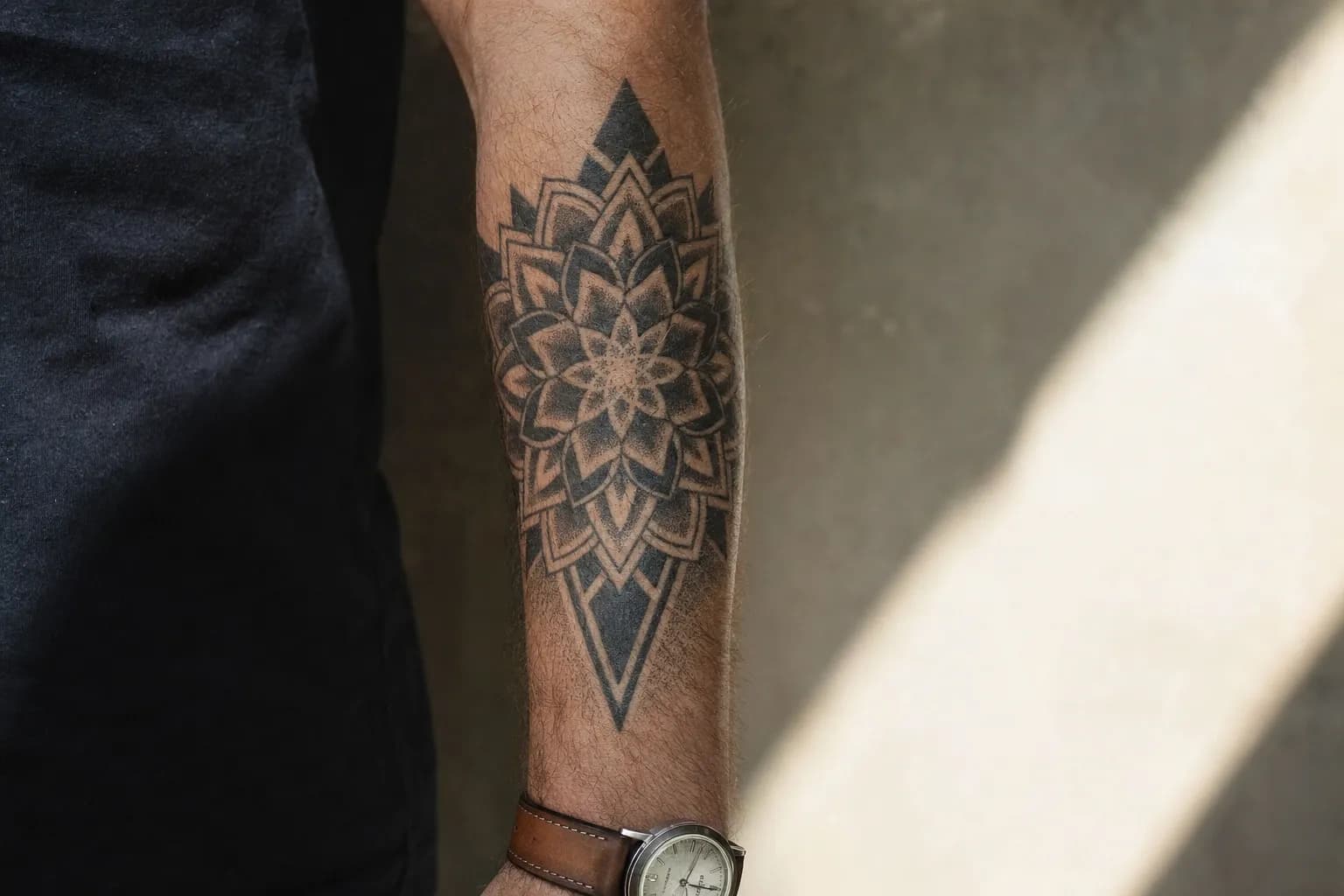
Sacred geometry refers to patterns built on specific mathematical ratios: the Flower of Life, Metatron's Cube, the Vesica Piscis. These forms carry symbolic weight across cultures and centuries. A mandala tattoo in Lisbon done at this level requires an artist who understands the underlying geometry, not just the visual reference.
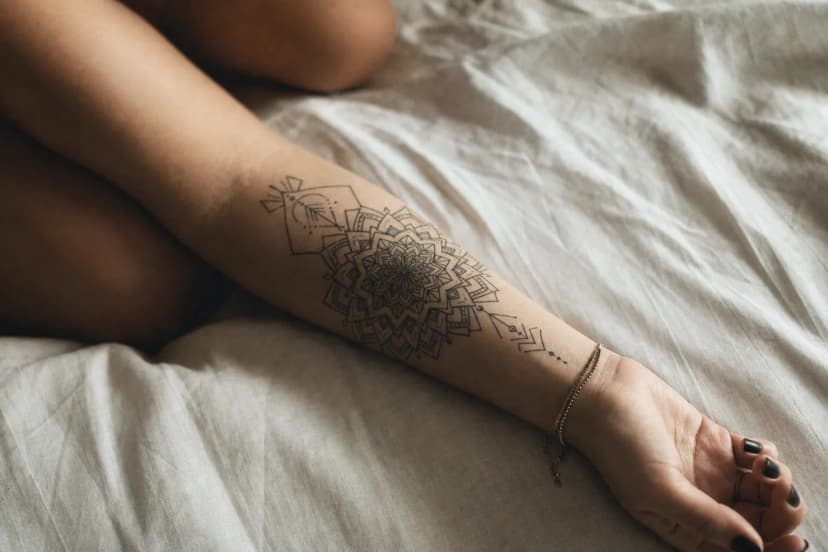
The mandala tattoo is the most requested geometric piece the studio sees. Done well, it's a composition that rewards close inspection. Done carelessly, the irregularities compound outward from the centre until the whole piece looks unsteady.
Geometric fineline and minimalist geometry
Geometric fineline combines the precision demands of geometry with the delicacy of single-needle work. Lines are thin, spacing is tight, and dot-work fills require even pressure throughout. It's unforgiving in a different way to bold geometric: there's nowhere for an inconsistency to hide.
Minimalist geometry strips things back further still. A single perfect circle. A triangular composition of three lines. The less there is in a piece, the more each element carries. If you're drawn to this direction, the studio's geometric tattoo service covers the full spectrum, from complex sacred geometry to these cleaner minimal forms.
Geometric realism and hybrid pieces
Some of the most interesting geometric work being done right now sits at the intersection of geometry and realism. A figure emerging from a mandala frame. A portrait surrounded by precise linework. These hybrids require an artist who genuinely understands both styles at a technical level, because the linework logic of geometry differs significantly from the tonal blending of realism.
Lisbon's visual culture makes this hybrid feel natural here. The azulejo tile tradition, those hand-painted ceramic panels found across Alfama and Príncipe Real, has embedded geometric repetition into Portuguese aesthetics for centuries. Sacred geometry tattoo Portugal clients often reference this history without even realising it. The studio does. It's part of why geometric work feels so at home in this city.
How to Evaluate a Geometric Tattoo Portfolio
Lines, dots, and spacing consistency
When you look at a portfolio, don't just react to the overall image. Look at the linework in detail. Does line weight stay consistent from the centre of the piece to the edges? In dot-work shading (where the artist builds tone using individual dots rather than continuous lines), are the dots evenly spaced, or do they cluster and thin out unpredictably?
Check both sides of any central axis. Cover one half of the mandala with your hand and look at the other. Then switch. If one side looks noticeably different to the other, that's the answer you need.
Healed work versus fresh work
Fresh geometric tattoo photos can look perfect even when the underlying execution has problems. The skin is slightly raised, ink sits uniformly on the surface, and studio lighting hides a lot. Ask specifically for photos taken three to six months after the session. If an artist can't show you any healed geometric work, that's worth noting.
Scale and placement choices
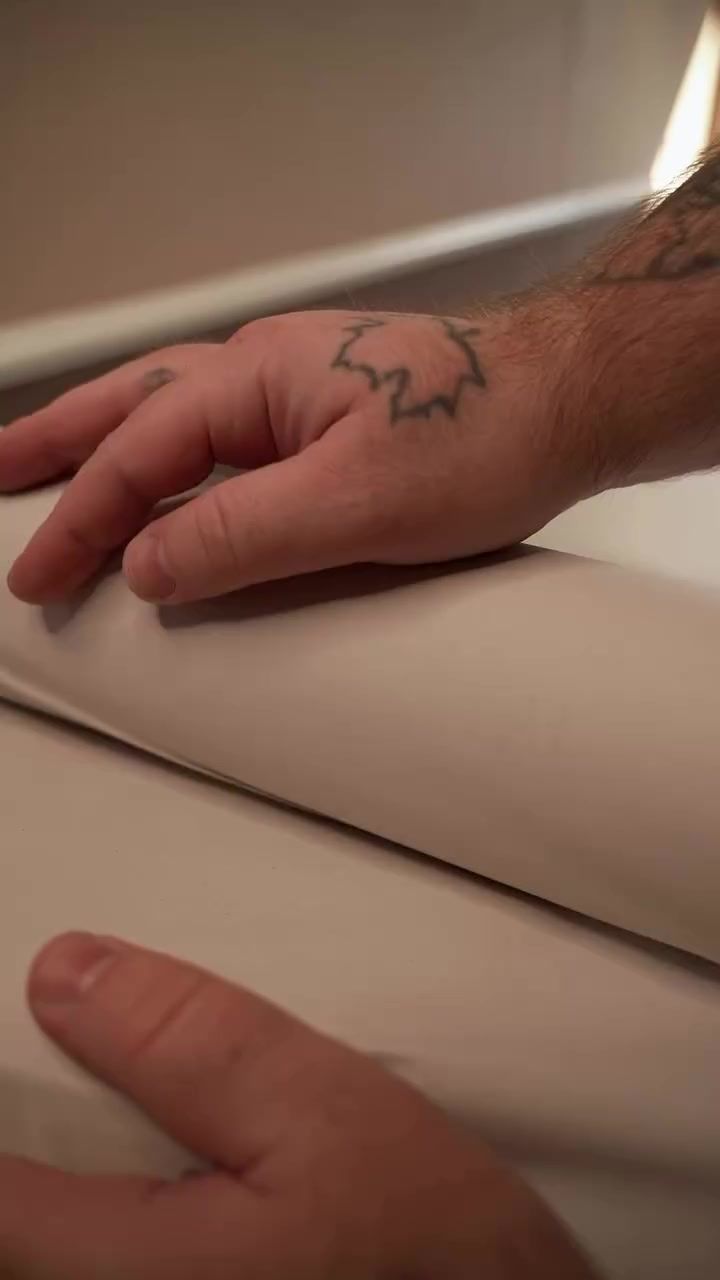
A good geometric tattoo artist thinks about the body before sketching anything. Geometry placed on the flat inner forearm behaves differently to the same design placed on the outer forearm, where the arm curves more sharply. The sternum flexes when you breathe. The outer thigh offers a relatively stable, flatter canvas. Each placement changes what's possible and what holds over time.
How the Studio Approaches a Geometric Piece
The consultation process
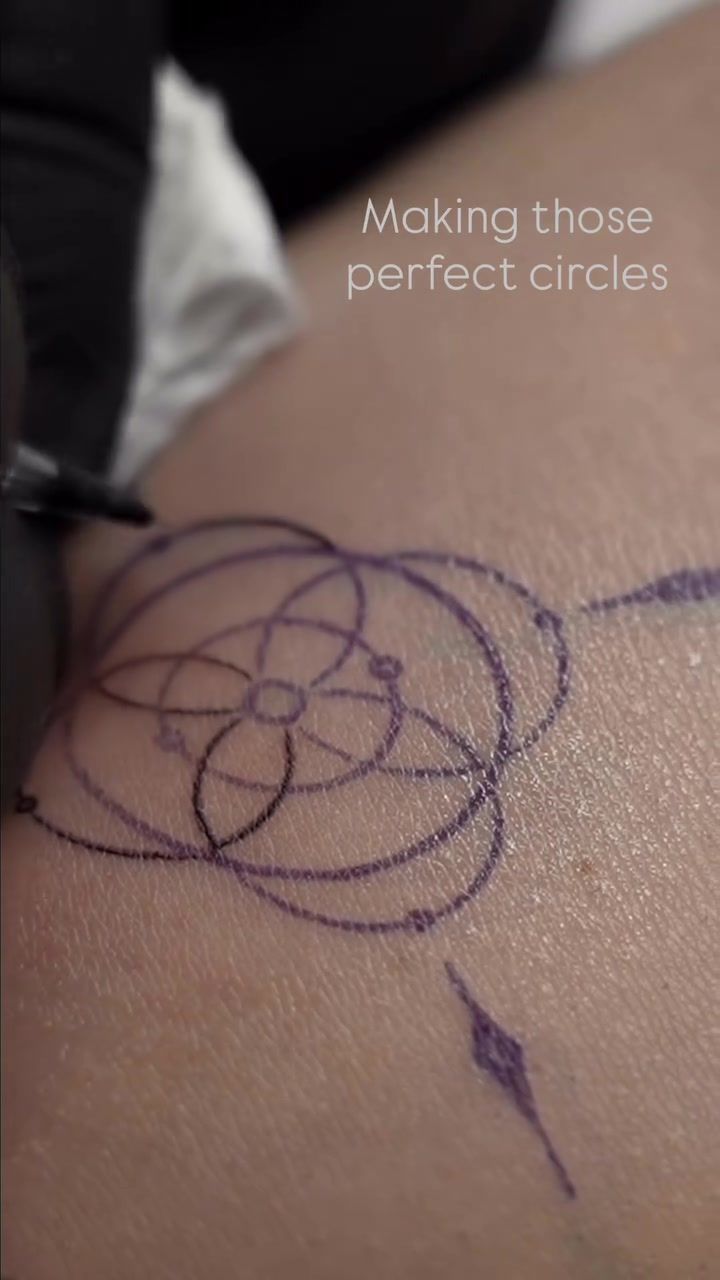
Every geometric piece begins with a design process, not a stencil. The studio maps the composition digitally first. That means the proportions, the symmetry, the scale relative to the placement area, and the interplay between elements are all resolved before any transfer touches your skin.
This matters practically. Clients sometimes arrive with a reference image they love but which, at the size and placement they want, simply won't hold the level of detail they've imagined. The consultation stage is where that conversation happens, before any commitment is made.
"If the design isn't right at the planning stage, no amount of skill with a needle fixes it. Geometry is built from the centre outward. Get the centre wrong and everything compounds the error."
Stencil placement and approval
Stencil approval isn't a formality here. Once the transfer is applied to skin, the client checks the position from multiple angles: standing, sitting, with the arm extended and relaxed. Symmetry looks different depending on how you hold your body. The studio doesn't rush this stage.
If anything needs repositioning, it gets repositioned. A precise geometric fineline tattoo transferred even slightly off its intended axis will show that error for the life of the tattoo.
Session length and pacing for complex geometry
Pacing matters in geometric work. Rushing the linework introduces tremor and inconsistent pressure. The studio doesn't stack too many elements into a single sitting if quality would suffer for it.
A palm-sized mandala typically takes two to three hours. A full forearm composition with multiple interconnected elements, like the Nordic compass forearm composition, may span two sessions. That's not inefficiency. That's the work getting the time it needs.
Placement, Size, and Healing: The Practical Side
Best placements for geometric tattoos
Some body areas are more reliable canvases for geometric work than others. The outer forearm, upper arm, thigh, and sternum all offer relatively stable skin with less constant flex. High-movement areas like the inner elbow or the sides of the fingers age the linework faster, particularly very fine lines.
Geometric fineline work using a needle gauge below 0.5mm can soften over five to ten years if placed where skin folds repeatedly. The studio factors this into every placement conversation. It's not about limiting what you can have; it's about being honest about what will hold the way you're imagining it.
Size vs. Detail: what holds over time
| Placement | Typical Session Length | Longevity Considerations |
|---|---|---|
| Outer forearm | 2-4 hours | Holds well; moderate sun exposure. Use SPF long-term |
| Upper arm / bicep | 2-3 hours | Good stability; muscle changes can affect scale over years |
| Thigh (outer) | 3-5 hours | Large stable canvas; excellent for complex geometry |
| Sternum / chest | 2-4 hours | Skin flexes with breathing; fine lines may soften faster |
| Inner elbow / wrist | 1-2 hours | High movement; ultra-fine linework fades sooner |
| Fingers / hands | 1-2 hours | Heavy wear; linework degrades faster regardless of style |
Healing geometry in Lisbon's climate
Lisbon summers are genuinely humid, particularly in July and August. Fresh tattoos need moisture management during the first two weeks of healing, and the combination of heat and sweat in those months adds friction to that process. The studio advises clients booking complex geometric pieces to consider a spring or autumn appointment if they can be flexible.
Mild winters in Lisbon, by contrast, are close to ideal healing conditions. Covered skin, lower UV exposure, and cooler temperatures all help fine geometric linework settle cleanly. If you're planning a larger multi-session piece, October through March gives you the best healing window between sittings.
- Keep the fresh tattoo out of direct sun for the first four weeks
- Use a thin, fragrance-free moisturiser twice daily once the initial wrap comes off
- Avoid submerging in the sea or a pool until the surface is fully healed (typically three to four weeks)
- In Lisbon's summer heat, loose clothing over the tattoo reduces friction and keeps the area from overheating
Questions to Ask Before You Book Any Geometric Tattoo Artist
Before you commit to a booking, run through this checklist. The answers will tell you a lot about how the artist actually works.
- Can they show you healed geometric work? Not fresh photos. Pieces at least three months old, ideally six or more.
- Do they use digital design tools? Geometry mapped by hand without digital verification is a higher-risk process for complex symmetrical pieces.
- How do they handle stencil placement on curved surfaces? If they don't have a clear process, ask them to describe it. A confident, specific answer is a good sign.
- What happens if a line needs correcting? Understand their policy on touch-ups before the session, not after.
- Do they specialise in geometric work, or is it one option among many styles? Versatility is valuable, but geometric precision improves with focused practice.
If you're considering adding lettering to your geometric piece, the same precision logic applies to typography. The article on what precision lettering demands from an artist covers that territory in detail and is worth reading alongside this one.
Frequently Asked Questions
How long does a geometric tattoo take?
A small piece around 6-8cm, such as a single mandala or a sacred geometry symbol, typically takes two to three hours. Larger forearm or back compositions with multiple interconnected elements can run four to six hours per session and may require a second sitting to complete the linework without rushing.
Do geometric tattoos age well?
Well-executed geometric tattoos placed on low-movement areas age solidly. Thicker linework holds its definition over decades better than ultra-fine lines. Placement matters a great deal: inner forearm geometry lasts differently than finger or ribcage work. Consistent sun protection and regular moisturising help lines stay crisp over the long term.
Where in Lisbon is the studio located?
The studio is based in Lisbon. Exact location and directions are available when you book a consultation. The city's metro network connects most central neighbourhoods. Príncipe Real, Cais do Sodré, and Alfama are all within easy reach of the studio's area. Contact the studio directly for specific directions.
Can geometric work be combined with other styles?
Yes, and the results can be striking. Geometric frameworks pair naturally with fineline, micro-realism, and floral elements. The key is that the artist understands how each style behaves technically. Combining them requires careful planning of visual weight and linework density so neither style overwhelms the other in the final composition.
What size should my first geometric tattoo be?
A palm-sized piece, roughly 8 to 10cm, gives the artist enough room to include real detail without committing to a large canvas on a first session. It heals more cleanly than very large pieces and lets you see how your skin takes geometric linework before planning anything more ambitious.